Recent Posts

How to Turn off Maint Reqd Light Toyota


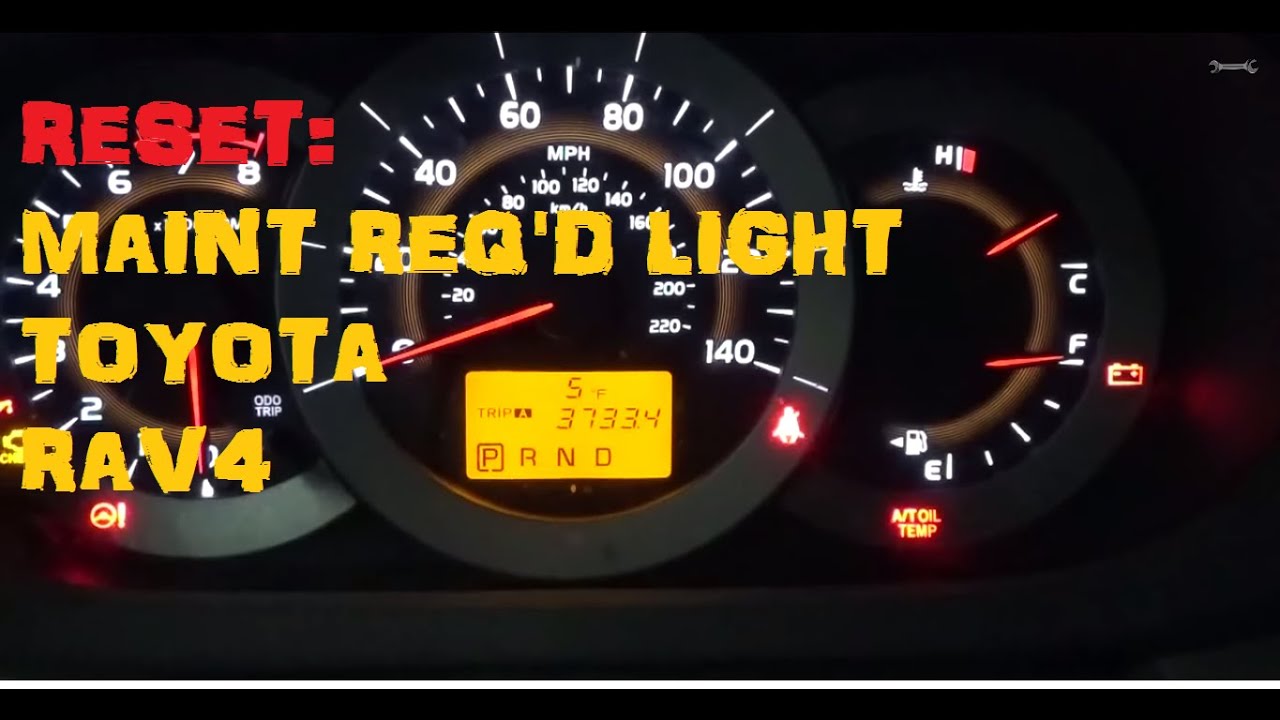
How to Turn off Maint Reqd Light Toyota? To turn off the Maintenance Required (Maint Reqd) light on a Toyota, first, ensure the vehicle is turned off. Press and hold the trip reset button.

While holding the button, turn the ignition key to the “on” position. Continue to hold the button until the Maint Reqd light turns off. This simple process will reset the maintenance reminder and turn off the light on your Toyota.

When driving a Toyota, the Maint Reqd light may illuminate, indicating that routine maintenance is due. It’s important to address this reminder to ensure the vehicle continues to operate smoothly. Fortunately, turning off the light can be done quickly and without the need for professional assistance. By following specific steps, you can reset the maintenance reminder and turn off the Maint Reqd light on your Toyota, allowing you to drive without the distraction of the illuminated warning.

How to Turn off Maint Reqd Light Toyota

Credit: www.redmccombstoyota.com

Why Is The Maint Reqd Light On?

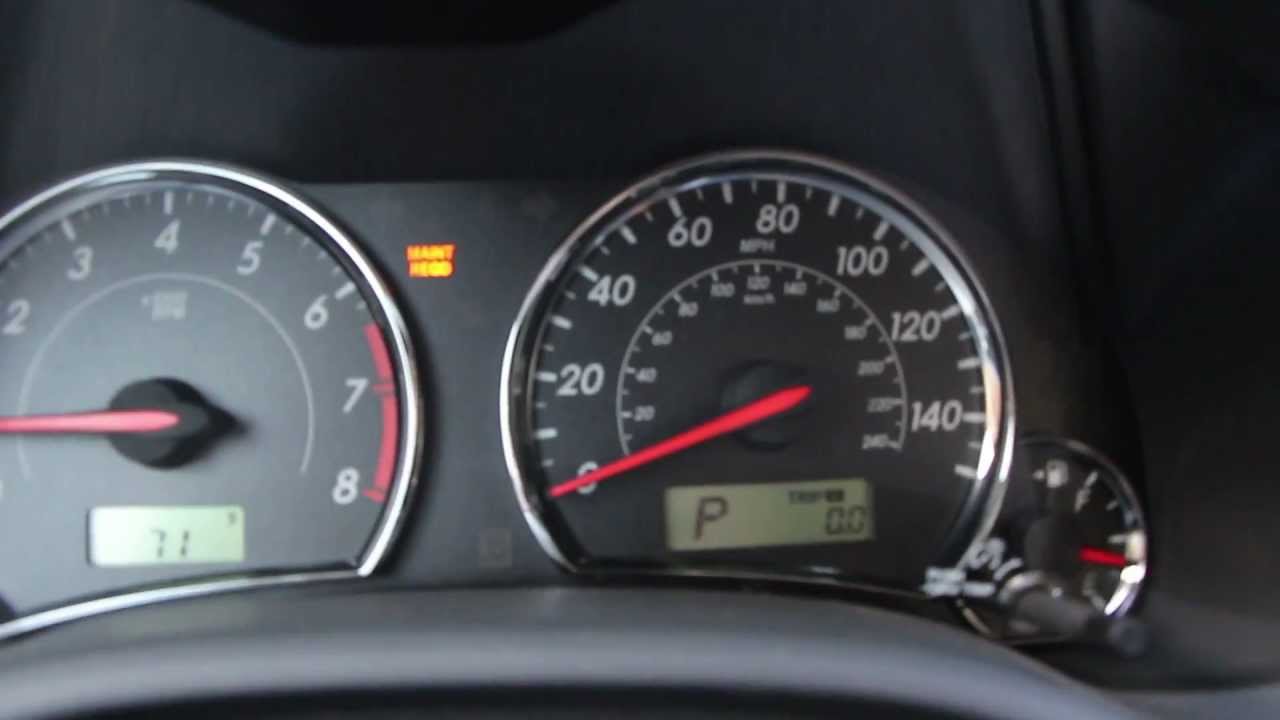
When the Maint Reqd light illuminates in your Toyota vehicle, it indicates that it’s time for routine maintenance. This light serves as a reminder to perform regular maintenance to keep your vehicle in optimal condition.

The Maint Reqd light is triggered based on your vehicle’s engine operating hours. It doesn’t necessarily mean there is a problem with your car; rather, it’s a reminder for upkeep tasks like oil changes, inspections, and more.

To reset the Maint Reqd light, follow these steps:

  1. Start by turning off the engine
  2. Press and hold the Trip Reset button
  3. Turn the ignition key to the ON position without starting the engine
  4. Continue holding the Trip Reset button until the Maint Reqd light turns off

It’s crucial to heed the Maint Reqd light to ensure your vehicle operates smoothly. Keep track of your maintenance schedule to prevent potential issues down the line.
How to Turn off Maint Reqd Light Toyota

Credit: m.youtube.com

Resetting The Maint Reqd Light

Resetting the Maint Reqd Light on your Toyota is an essential part of maintaining your vehicle. Here are a few methods to help you turn off the light and stay on top of your vehicle’s maintenance needs.

Checking The Owner’s Manual

One way to reset the Maint Reqd Light on your Toyota is to consult your owner’s manual. This is always a good place to start, as it provides specific instructions for your vehicle model. Look for the section on resetting the maintenance light, and follow the step-by-step guide to turn off the light.

Using The Odometer Button

If you prefer a hands-on approach, you can reset the Maint Reqd Light using the odometer button. This method typically involves a series of steps using the buttons on your dashboard, so refer to your owner’s manual for the exact sequence. Once you have located the instructions, follow them carefully to reset the maintenance light.

Using A Scan Tool

Another option for resetting the Maint Reqd Light is to use a scan tool. This device allows you to access the vehicle’s onboard computer and reset the maintenance light directly. While a scan tool may require additional equipment, it can be a convenient option for those comfortable with automotive technology.

Understanding The Maint Reqd Light

The Maint Reqd Light, also known as the maintenance required light, is a feature in Toyota vehicles designed to remind drivers when it’s time for routine maintenance. Understanding this light is crucial for vehicle maintenance and ensuring your car runs smoothly. Proper maintenance can help prevent costly repairs down the line and extend the lifespan of your vehicle.

What Does The Maint Reqd Light Mean?

When the maintenance required light is illuminated on your dashboard, it means that your vehicle’s engine control unit (ECU) has determined that it’s time for maintenance based on the mileage and time since the last service. This light serves as a gentle reminder to schedule an oil change, fluid checks, filter replacements, or other routine services recommended by Toyota.

Is It Safe To Drive With The Maint Reqd Light On?

Driving with the maintenance required light on is generally safe for a short period. However, it’s important not to ignore this indicator for too long, as it could lead to potential issues with your vehicle’s performance and efficiency. It’s best to address the required maintenance promptly to ensure your car continues to operate at its best.

Common Issues And Troubleshooting

In troubleshooting the maintenance required light on your Toyota, common issues can arise even after attempting to reset the light. Below are some common scenarios and troubleshooting tips to help you resolve the issue.

Light Still On After Reset

If the maintenance required light remains illuminated after the reset process, there may be a deeper underlying issue that requires further investigation.

Light Keeps Coming Back On

If the maintenance required light keeps reappearing after being reset, there are a few steps you can take to address this recurring problem.

When To Seek Professional Help

If you’re wondering how to turn off the Maint Reqd light on your Toyota, seeking professional help is recommended. A trained technician can accurately diagnose the issue and provide a remedy, ensuring the light is reset and your vehicle is in optimal condition.

If you have attempted to reset the Maint Reqd light on your Toyota but it is still illuminated, it may be a sign that there is an underlying issue that needs to be addressed by a professional. Additionally, if you notice other warning lights on your dashboard, it is essential to consult a qualified technician to diagnose and rectify any potential problems.

When Reset Attempts Don’t Work

If your attempts to reset the Maint Reqd light have been unsuccessful, it is advisable to seek the expertise of a professional mechanic or visit an authorized Toyota service center. These trained professionals have the necessary diagnostic tools and knowledge to accurately identify and resolve any issues that may be causing the light to remain on.

Beyond the standard procedure of resetting the light, it is possible that your vehicle requires more in-depth troubleshooting. A qualified technician will be able to conduct a comprehensive inspection of your Toyota, examining various components that could be contributing to the illuminated light.

It is crucial not to ignore a persistent Maint Reqd light, as it could indicate potential problems with your engine, oil levels, or other vital systems. Continuing to drive without resolving these issues could lead to further damage and more costly repairs in the future.

When There Are Other Warning Lights

When you notice other warning lights in addition to the Maint Reqd light, it is imperative to seek professional help promptly. Multiple illuminated warning lights often suggest a more complex underlying problem that requires expert attention.

A professional technician will have the expertise to diagnose the specific issues related to each warning light, ensuring that the appropriate repairs or maintenance procedures are performed. This can help prevent further damage and ensure the safety and longevity of your Toyota vehicle.

Remember, attempting to fix or ignore multiple warning lights without the necessary expertise can be risky and may cause additional harm to your vehicle or compromise your safety on the road. Seeking professional help is the best course of action to address these concerns effectively.

How to Turn off Maint Reqd Light Toyota

Credit: www.tvtoyota.com

Frequently Asked Questions On How To Turn Off Maint Reqd Light Toyota

How Do I Turn Off The Maintenance Required Light On My Toyota?

To turn off the maintenance required light on your Toyota, simply follow these steps:
1. Make sure your vehicle is turned off. 2. Locate the odometer button, typically found on the dashboard. 3. Press and hold the button while turning the ignition to the “on” position. 4. Continue holding the button until the maintenance required light turns off. 5. Release the button and start your vehicle. The light should now be reset.

Why Is The Maintenance Required Light On In My Toyota?

The maintenance required light in your Toyota is an indicator that regular maintenance is due. It is a reminder to perform routine services, such as oil changes, tire rotations, and filter replacements. Ignoring this light could lead to potential issues with your vehicle’s performance and longevity.

How Often Should I Perform Maintenance On My Toyota To Prevent The Maintenance Required Light From Coming On?

To prevent the maintenance required light from coming on in your Toyota, it is recommended to follow the manufacturer’s recommended maintenance schedule. This typically includes regular oil changes every 5,000 to 7,500 miles, tire rotations every 5,000 to 7,500 miles, and inspections of other vital components, such as brakes and filters, at specified intervals.

Regular maintenance will help keep your vehicle running smoothly and can extend its lifespan.

Conclusion

Keeping your Toyota well-maintained is crucial for longevity. Understanding how to turn off the maint reqd light can save you time and money. By following these simple steps, you can easily reset the light and ensure your vehicle is running smoothly.

Stay proactive in caring for your car.

How to Reset Toyota Highlander Oil Light


How to Reset Toyota Highlander Oil Light? To reset the oil light on a Toyota Highlander, turn the ignition to the “On” position and press the “Trip” button until the “Trip A” reading appears. Then, press and hold the “Trip” button to reset the oil light.

Ensuring that your Toyota Highlander’s oil light is promptly and efficiently reset is a crucial aspect of vehicle maintenance. By following a few simple steps, you can reset the oil light and ensure that your vehicle continues to operate smoothly.

Whether you’re a seasoned car owner or a novice when it comes to vehicle maintenance, understanding how to reset the oil light on your Toyota Highlander is a valuable skill. In this informative guide, we will walk you through the process, providing clear and concise instructions to help you keep your vehicle in top condition. So, let’s dive in and learn how to reset the oil light on your Toyota Highlander, ensuring that your vehicle remains in optimal working order.

How to Reset Toyota Highlander Oil Light

Credit: m.youtube.com

Why Resetting Toyota Highlander Oil Light Is Important

Why Resetting Toyota Highlander Oil Light is Important

ensures Proper Vehicle Maintenance

Regularly resetting the oil light on your Toyota Highlander ensures the vehicle operates efficiently.

avoids Potential Engine Damage

Ignoring the oil light can lead to severe engine damage and costly repairs.

This simple task helps maintain optimum engine performance and extends the lifespan of your Toyota Highlander.

How to Reset Toyota Highlander Oil Light

Credit: www.redmccombstoyota.com

Step-by-step Guide To Reset Toyota Highlander Oil Light

When it comes to maintaining your Toyota Highlander, resetting the oil light is an essential aspect of your routine maintenance. If you’ve recently changed the oil in your Highlander and need to reset the oil light, fret not. Here’s a step-by-step guide to help you reset the oil light in your Toyota Highlander effortlessly.

Locate The Obd-ii Port

Firstly, you need to locate the OBD-II port in your Toyota Highlander. Typically, the port is located underneath the dashboard on the driver’s side. It’s rectangular in shape and easily accessible once you crouch down and look underneath the dashboard.

Connect The Obd-ii Scanner

Next, grab your OBD-II scanner and connect it to the port you located. Ensure the connection is secure to effectively communicate with your vehicle’s computer system.

Navigate The Scanner Menu

Once connected, power up the OBD-II scanner and navigate through the menu options until you find the “Reset” or “Maintenance” tab. Use the arrow keys to select and press ‘Enter’ or ‘OK’ to proceed.

Select ‘reset Oil Light’

Scroll through the menu options until you find the “Reset Oil Light” option. Highlight this option and proceed to select it to initiate the reset process.

Confirm Reset

Lastly, the scanner will prompt you to confirm the reset. Press ‘Enter’ or ‘OK’ to confirm, and you’re all set! Your Toyota Highlander’s oil light should now be successfully reset, ready for your next adventure on the road.

Tips For Resetting Toyota Highlander Oil Light

Welcome to our guide on resetting the oil light on your Toyota Highlander! Once you’ve completed an oil change on your vehicle, you’ll want to ensure that the oil light is reset. Below, we’ve compiled a few valuable tips for resetting the oil light on your Toyota Highlander, ensuring that you’re able to do so effectively and efficiently.

Check Oil Level Before Resetting

Before proceeding with the oil light reset, it’s crucial to check the oil level in your Toyota Highlander. Ensure that the oil level is within the recommended range to prevent any potential issues. If the oil level is low, it’s essential to top it up before resetting the oil light.

Follow Manufacturer’s Recommended Service Intervals

When resetting the oil light, it’s imperative to adhere to the manufacturer’s recommended service intervals. Doing so ensures that your vehicle’s maintenance is on track, promoting optimal performance and longevity. Following the recommended intervals also helps in preserving the warranty of your Toyota Highlander.

Common Mistakes To Avoid

Learn how to reset the oil light on your Toyota Highlander without making common mistakes. Follow these guidelines to ensure a successful and hassle-free process.

Not Having The Correct Obd-ii Scanner

Make sure to use the correct OBD-II scanner for proper oil light reset in Toyota Highlander.

Skipping Oil Level Check

Always remember to check the oil level before resetting the oil light on your Toyota Highlander.

When it comes to resetting the oil light in your Toyota Highlander, it is essential to avoid some common mistakes that can lead to issues down the line.

Not Having The Correct Obd-ii Scanner

Using the wrong OBD-II scanner can cause incorrect resetting of the oil light.

Not all scanners are compatible with Toyota Highlander models, so ensure to get one that is specifically designed for your vehicle.

Skipping Oil Level Check

Neglecting to check the oil level can result in inconsistencies in the reset process.

Always verify the oil levels are adequate before proceeding with the oil light reset to prevent potential engine damage.

How to Reset Toyota Highlander Oil Light

Credit: www.brentbrowntoyota.com

Frequently Asked Questions On How To Reset Toyota Highlander Oil Light

How Do You Reset The Oil Light On A Toyota Highlander?

To reset the oil light on a Toyota Highlander, turn the ignition key to the “ON” position without starting the engine. Fully press the accelerator pedal slowly three times within 5 seconds. Turn the ignition key to the “OFF” position, and then start the engine to verify that the oil light is reset.

What Does It Mean When The Oil Light Comes On In A Toyota Highlander?

If the oil light comes on in your Toyota Highlander, it means that the engine oil level may be low or that the oil pressure is insufficient. It is important to check the oil level and add oil if needed, or to have the vehicle inspected by a qualified technician.

How Often Should You Reset The Oil Light On A Toyota Highlander?

You should reset the oil light on your Toyota Highlander after each oil change. This ensures that the oil change reminder is accurate and that you are reminded at the appropriate time for your next oil change. Always follow the manufacturer’s recommended maintenance schedule for your vehicle.

Conclusion

Resetting your Toyota Highlander’s oil light is a simple process that can be done quickly. Following the steps mentioned can ensure your dashboard light resets correctly. Regular maintenance is key to keeping your vehicle running smoothly. Don’t hesitate to reset your oil light when needed for optimal performance.

How to Reset Maintenance Light on Toyota Rav4


How to Reset Maintenance Light on Toyota Rav4? To reset the maintenance light on a Toyota Rav4, put your key in the ignition and turn it to position one. Then, push and hold down the trip meter reset button on the dashboard for a second or two.

Continue to hold the odometer button for around ten seconds, then release it.

How to Reset Maintenance Light on Toyota Rav4

Credit: m.youtube.com

Methods To Reset The Maintenance Light

Using The Trip Meter

To reset the maintenance light on your Toyota Rav4 using the trip meter, follow these simple steps:

  1. Put your key in the ignition and turn the key to position one.
  2. Push the trip meter reset button on the dashboard and hold it down for a second or two.
  3. Continue to hold the odometer button for around ten seconds.
  4. Once off, release the odometer button.

Using The Ignition

If you prefer to reset the maintenance light using the ignition, here’s what you need to do:

  • Turn the key to the ‘on’ position.
  • Press the trip button meter until it displays the “Trip A” odometer.

Using The Odometer

Another method to reset the maintenance light on your Toyota Rav4 is by using the odometer:

  • Turn the key to the ‘on’ position.
  • Locate the trip meter reset button on the dashboard and press and hold it until the trip meter returns to zero.
How to Reset Maintenance Light on Toyota Rav4

Credit: www.toyotaofnorthmiami.com

How to Reset Maintenance Light on Toyota Rav4

Credit: www.mariettatoyota.com

Frequently Asked Questions For How To Reset Maintenance Light On Toyota Rav4

How Do I Turn Off The Maintenance Required Light On My Toyota Rav4?

To turn off the maintenance required light on a Toyota RAV4, follow these steps: 1. Insert key into ignition and turn to position one. 2. Push and hold trip meter reset button on the dashboard for a second or two.

3. Continue holding the odometer button for about ten seconds. 4. Release the odometer button.

How Do You Reset The Maintenance Light On A Toyota 4?

To reset the maintenance light on a Toyota 4, follow these steps: 1. Put your key in the ignition and turn it to position one. 2. Push and hold the trip meter reset button on the dashboard for a second or two.

3. Continue holding the odometer button for about ten seconds. 4. Once the light goes off, release the odometer button. Source: Mossy Toyota.

How Do You Reset The Maintenance Light On A 2015 Rav4?

To reset the maintenance light on a 2015 RAV4, follow these steps: 1. Put your key in the ignition and turn it to position one. 2. Press the trip meter reset button on the dashboard and hold it for a second or two.

3. Continue to hold the odometer button for around ten seconds. 4. Once off, release the odometer button.

Conclusion

To sum up, resetting the maintenance light on your Toyota Rav4 is a simple process that anyone can perform. By following the steps outlined above, you can effectively reset the maintenance light, ensuring that your vehicle continues to run smoothly without any unnecessary alerts.

Keeping up with regular maintenance is crucial for the longevity of your vehicle, and this easy procedure allows you to take control of that maintenance.

Toyota Oil Change Cost Guide: How Much You’ll Really Pay (And How to Save)


You can expect to pay between $30 and $120 for a Toyota oil change, depending on whether you choose conventional or synthetic oil and where you go. Dealerships generally charge more, with conventional changes around $60-$100 and synthetic changes $90-$120. Independent shops offer lower rates, typically $30-$60 for conventional and $50-$80 for synthetic. Factors like model-specific oil requirements, location, and disposal fees also influence costs. Learn how to maximize savings and manage your vehicle’s maintenance efficiently.

Key Takeaways

  • Average oil change costs for Toyota models range from $30 at independent shops to $120 at dealerships, depending on oil type and location.
  • Model-specific oil requirements affect costs, with Toyota Corolla oil changes averaging $50-$70 and Tacoma at $70-$90 due to higher oil needs.
  • Consider using coupons or loyalty programs for savings on oil changes, and compare these to independent shop rates for the best deal.
  • DIY oil changes can save money but require the right tools, oil type, and knowledge of proper procedures to avoid common mistakes.
  • Toyota Care Maintenance Plans cover up to five oil changes over two years, providing additional savings and convenience for regular maintenance.

What is the Average Cost of a Toyota Oil Change?

The cost of an oil change for a Toyota varies based on the type of oil and where you go. Here are the typical price ranges:

Oil TypeDealership PriceIndependent Shop Price
Conventional Oil$60 – $100$30 – $60
Synthetic Oil$90 – $120$50 – $80
Hybrid Models$80 – $120$40 – $70
Diesel Models$100 – $150$60 – $90
Luxury Models$100 – $150$70 – $100

Prices can change based on location. Urban areas usually charge more. Certain models might need specific oil, which can also affect the price.

Why Do Toyota Oil Changes Cost What They Do?

Toyota oil change costs vary due to factors like model-specific oil requirements, labor rates, and disposal fees.

Each model, from the Corolla to the RAV4, has different oil capacities and recommendations that influence pricing.

Additionally, the choice between conventional and synthetic oil further affects your overall expenses.

Different Toyota Models and Their Oil Change Requirements

ModelOil CapacityAverage Cost
Toyota Corolla4.5 quarts$50-$70
Toyota Camry5.5 quarts$60-$80
Toyota RAV45.5 quarts$60-$80
Toyota Tacoma6.0 quarts$70-$90

The oil change costs differ among Toyota models. The Corolla, with a smaller engine, costs less due to its 4.5-quart capacity. The Camry and RAV4, both needing 5.5 quarts, are slightly more expensive. The Tacoma has the highest cost, needing 6.0 quarts for its oil change. Larger engines generally require more oil, increasing overall costs.

Conventional vs. Synthetic Oil for Toyota Vehicles

Type of OilCost per QuartBenefits
Conventional Oil$3 – $5Lower price, good for older models
Synthetic Oil$6 – $10Better performance, longer change intervals
High Mileage Oil$5 – $8Made for cars with over 75,000 miles
Diesel Oil$7 – $12Designed for diesel engines
Blend Oil$5 – $7A mix of conventional and synthetic

Choosing the right oil matters for maintenance and engine life. Consider what your vehicle needs before making a choice.

How Often Should You Change Oil in a Toyota?

You should change your oil in a Toyota every 5,000 to 10,000 miles, depending on the model and driving conditions.

Toyota recommends regular maintenance for optimal performance, and your driving habits can significantly impact oil change intervals.

For instance, frequent short trips or stop-and-go traffic may require more frequent changes compared to highway driving.

Signs Your Toyota Needs an Oil Change

1. Engine Noise: Listen for knocking or ticking sounds.

These may mean low or dirty oil.

2. Dashboard Warning Lights: If the oil pressure light is on, check your oil right away.

3. Performance Issues: A sluggish feel or difficulty accelerating could signal the need for new oil.

4. Oil Color and Consistency: Check the oil.

Dark, gritty oil or a milky look indicates contamination or breakdown.

Pay attention to these signs to keep your Toyota in good condition.

Can You Extend Oil Change Intervals in Newer Toyota Models?

Yes, you can extend oil change intervals in newer Toyota models, especially with synthetic oil.

Synthetic oil offers better protection and stability. This means you can go longer between oil changes. Toyota’s maintenance indicators track oil life based on your driving habits. They consider factors like engine load and temperature, so you’ll know when to change the oil.

Typically, Toyota suggests changing the oil every 5,000 to 10,000 miles. The exact interval depends on your model and driving conditions. If you often drive in severe conditions, you may need to change the oil sooner.

Using high-quality synthetic oil helps boost your vehicle’s performance and reliability while reducing maintenance costs.

Where Can You Get a Toyota Oil Change?

OptionProsCons
DealershipExpertise, OEM parts, warranty protectionHigher cost, longer wait time
Independent ShopLower prices, quicker serviceVariable expertise, non-OEM parts
DIYCost savings, complete controlTime-consuming, requires tools

Toyota Dealership Oil Change Services

Toyota dealership oil change services include multi-point inspections, fluid top-offs, and tire rotations.

Express services offer faster options while maintaining quality. Using a dealership helps keep your warranty valid since they use OEM parts and follow manufacturer guidelines.

Technicians at the dealership know your vehicle well and ensure every oil change meets Toyota’s standards.

This service can help your vehicle last longer and perform better.

Independent Shop vs. Dealership for Toyota Oil Changes

For Toyota oil changes, consider these key factors:

FactorIndependent ShopDealership
PricingUsually lowerGenerally higher
ExpertiseCan varySpecialized Toyota training
OEM Parts UsageMay use aftermarket partsAlways uses OEM parts
Warranty ImplicationsLimited warranty supportFull warranty compliance

If you prefer expert service and original parts, choose the dealership. If lower cost is your main concern, go for an independent shop.

How to Save Money on Toyota Oil Change Costs

You can save money on Toyota oil changes by leveraging dealership coupons, exploring loyalty programs, and timing your service with seasonal promotions.

Many dealerships offer promotional discounts that can significantly lower your costs, but it’s crucial to read the fine print to spot any hidden fees.

Additionally, consider enrolling in loyalty programs that reward you with savings on future services and keep an eye out for seasonal deals that dealerships often roll out to attract customers.

Are Toyota Dealership Oil Change Coupons Worth It?

Toyota dealership oil change coupons can provide value, but you should evaluate them carefully.

  • Compare the coupon price to local independent shops. They may offer better rates.
  • Be cautious of hidden fees. Dealerships sometimes charge for disposal or recommend extra services, which can increase costs.
  • Look for seasonal deals or loyalty programs for additional savings.

For example, a coupon might advertise an oil change for $39.99, but with a $10 disposal fee, your savings could be less than expected.

Always read the fine print and ask what the coupon includes to get the best deal.

Does a Toyota Care Maintenance Plan Cover Oil Changes?

The Toyota Care Maintenance Plan includes two years or 25,000 miles of scheduled maintenance, covering oil changes. You typically receive up to five oil changes in this period, depending on your driving habits.

The plan also covers tire rotations, fluid top-offs, and multi-point inspections. This makes it a good choice for new Toyota owners.

Consider your driving habits when evaluating the plan’s cost. If you drive a lot, the savings on maintenance can be significant.

For those who drive less, it mightn’t be worth it.

How to Change Toyota Oil Yourself

Step 1: Gather the necessary materials. Purchase the correct oil and filter for your specific Toyota model. Check your owner’s manual for the oil specifications and filter part numbers.

Also, gather essential tools such as an oil filter wrench, socket set, oil catch pan, funnel, and rags for cleanup.

Step 2: Prepare your workspace. Ensure you’re in a well-ventilated area and have protective gear, such as gloves and safety goggles.

Park your Toyota on a flat surface and turn off the engine. Allow it to cool down if it has been running.

Step 3: Drain the old oil. Use a socket wrench to remove the oil drain plug located at the bottom of the oil pan.

Position the oil catch pan beneath the plug to catch the draining oil. Allow it to drain completely, which may take a few minutes.

Step 4: Replace the oil filter. Use the oil filter wrench to loosen and remove the old oil filter.

Before installing the new filter, apply a small amount of new oil to the rubber gasket of the new filter to ensure a proper seal.

Install the new filter hand-tight, ensuring it’s snug but not over-tightened.

Step 5: Refill with new oil. Replace the drain plug securely after all the old oil has drained.

Using a funnel, pour the new oil into the engine through the oil filler cap. Refer to your owner’s manual for the correct oil capacity.

After filling, run the engine for a few minutes and check for leaks around the oil filter and drain plug.

Finally, check the oil level using the dipstick and add more oil if necessary.

What Oil and Filter to Use for DIY Toyota Oil Changes

For Toyota oil changes, use synthetic 0W-20 or 5W-20 oil as per your model’s needs.

  1. Oil Type: Synthetic 0W-20 or 5W-20, depending on your model.
  2. OEM Filter: Genuine Toyota filters ensure best fit and performance.
  3. Aftermarket Filter: Consider brands like Mobil 1 or K&N for cost-effective options.
  4. Where to Buy: Available at AutoZone, O’Reilly Auto Parts, or online via Amazon.

Refer to your owner’s manual for specific oil and filter recommendations.

Common Mistakes to Avoid When Changing Toyota Oil

Changing oil in your Toyota requires attention to detail. Here are key points to remember:

  • Avoid Over-tightening: Don’t over-tighten the oil filter. This can cause leaks or make it hard to remove later.
  • Use Correct Oil: Always use the oil type recommended for your Toyota model. The wrong viscosity can harm performance.
  • Follow Disposal Laws: Know local regulations for used oil and filters. Dispose of them at recycling centers to avoid fines.
  • Practice Safety: Let the engine cool before starting. Wear gloves to protect your hands.

Taking these steps helps keep your Toyota running well.

Do Hybrid Toyota Models Have Different Oil Change Needs?

Yes, hybrid Toyota models like the Prius and RAV4 Hybrid have different oil change needs compared to conventional models.

These hybrids often use synthetic oil, which can last longer between changes, typically around 10,000 miles, instead of the 5,000 to 7,500 miles for conventional oils.

Additionally, the oil change process may involve specific procedures due to the unique components in hybrid systems, so it’s essential to follow the manufacturer’s guidelines closely.

Hybrid vs. Conventional Toyota Engine Oil Change Comparison

Hybrid and conventional Toyota engines have different oil requirements and maintenance procedures. Here’s a comparison:

AspectConventional EnginesHybrid Engines
Oil TypeStandard 0W-20 or 5W-30Synthetic 0W-20 recommended
Change FrequencyEvery 5,000-10,000 milesEvery 5,000-7,500 miles
Battery InspectionNot requiredRequired during oil change
Filter ReplacementStandard oil filterSpecialized hybrid filter
CostGenerally lowerCan be slightly higher

Hybrid models may need more detailed checks of electrical parts and hybrid batteries. Knowing these differences helps with planning maintenance for each type of Toyota.

What Additional Services Should You Consider With Your Toyota Oil Change?

Consider a multi-point inspection alongside your Toyota oil change to catch potential issues early.

Technicians check vital components like brakes, tires, and fluid levels, helping you avoid costly repairs down the road. This proactive approach not only ensures your safety but also enhances your vehicle’s performance.

Multi-Point Inspection Importance with Toyota Oil Changes

Neglecting routine checks can lead to expensive repairs.

For instance, if worn brake pads are ignored, they can damage rotors, costing hundreds to replace.

Here are key checks to consider:

  • Brake Pads: Worn pads can harm rotors.
  • Tires: Check pressure and tread depth. Under-inflated tires can lower fuel efficiency and raise accident risks.

People Also Ask

Does using non-dealer oil changes void Toyota warranty?

Using non-dealer oil changes won’t void your Toyota warranty if you follow the rules.

You can choose any service provider, but you must use the right oil and filters.

Keep your receipts and service records to prove you did it correctly.

Always check your owner’s manual for details.

How much does a Toyota Camry oil change cost vs. a RAV4?

An oil change for a Toyota Camry usually costs less because it uses standard oil.

The RAV4 often needs more expensive synthetic oil, making its oil change pricier.

Dealerships may charge more for RAV4 services since it’s an SUV, which takes more time.

Can I use conventional oil instead of synthetic in my Toyota to save money?

Yes, you can use conventional oil in your Toyota to save money, but it may not protect your engine as well as synthetic oil.

Synthetic oil helps your engine run better and can save you money on gas in the long run.

What’s included in a Toyota dealership full-service oil change?

A full-service oil change at a Toyota dealership includes changing the oil and filter, checking important parts like brakes and tires, topping off fluids like coolant and brake fluid, and giving you a report about your car’s condition.

This helps keep your car running well and saves value.

How much longer does synthetic oil last in a Toyota compared to conventional?

Synthetic oil can last 7,500 to 10,000 miles in a Toyota, while conventional oil lasts only 3,000 to 5,000 miles.

This means you can go longer between oil changes, saving you time and money.

Always check your owner’s manual for the best oil type.

Are Toyota oil change prices higher than other brands?

Toyota oil change prices usually range from $50 to $100.

This is similar to brands like Honda and Ford, but more expensive than some budget brands.

Luxury brands like BMW or Mercedes-Benz can charge over $150.

Investing in a Toyota oil change helps keep your car running well.

Is the Toyota oil filter more expensive than aftermarket options?

Yes, Toyota oil filters are usually more expensive than aftermarket options.

However, using a genuine Toyota filter can help your engine run better and reduce the risk of oil leaks.

Cheaper filters mightn’t work as well, so it’s important to think about quality.

Do Toyota TRD models require special oil?

Yes, Toyota TRD models need special oil.

For example, the Tacoma TRD Pro uses 0W-20 synthetic oil, while the Tundra TRD uses 5W-20.

Always check your owner’s manual to make sure you use the right oil for your specific model.

How Can I Tell if My Toyota Needs an Oil Change?

To tell if your Toyota needs an oil change, check the oil level and color using the dipstick. If it’s low or dirty, or if your maintenance light’s on, it’s time for a change.

What Type of Oil Does My Toyota Require?

To find out what type of oil your Toyota needs, check your owner’s manual or the oil filler cap. Most models use synthetic oil, but it’s best to confirm for optimal performance and longevity.

Can I Use a Different Oil Brand for My Toyota?

Yes, you can use a different oil brand for your Toyota, but make sure it meets the manufacturer’s specifications. Always check the oil type and viscosity to maintain optimal engine performance and longevity.

Are There Warranties That Cover Oil Changes for Toyotas?

Yes, some warranties cover oil changes for Toyotas, especially those under maintenance plans. Check your owner’s manual or contact your dealership to see what’s included in your warranty and if you’re eligible for oil change coverage.

What Happens if I Skip an Oil Change for My Toyota?

If you skip an oil change for your Toyota, you risk engine damage, decreased performance, and reduced fuel efficiency. It’s crucial to maintain regular oil changes to keep your vehicle running smoothly and efficiently.

Wrapping Up

Expect to spend between $30 and $100 for a Toyota oil change, influenced by factors like where you go and your car’s needs. Dealerships might charge more for expert service and genuine parts, while independent shops usually offer better deals. Keep your model and oil type in mind when choosing. Regular maintenance, no matter where it’s done, helps your Toyota run smoothly and last longer.

How to Change Toyota Rav4 Key Battery


How to Change Toyota Rav4 Key Battery

Changing the key battery of your Toyota Rav4 is an essential maintenance task to ensure that you don’t get locked out of your vehicle. Whether you have a traditional key or a key fob, being proactive about changing the battery can save you from the inconvenience of a dead key. Here’s a step-by-step guide to help you change the battery in your Toyota Rav4 key.

Identifying the Key Type

Before you begin, it’s important to identify the type of key you have for your Toyota Rav4. If your vehicle is equipped with a traditional key, it will have no electronics and will not require a battery change for the key itself. However, if you have a key fob, it will likely have a battery that needs to be replaced periodically.


Key Fob Battery Replacement

If your Toyota Rav4 uses a key fob, follow these steps to change the battery:

  1. Locate the release button on your key fob and press it to release the internal key.
  2. Using a small screwdriver or a coin, gently pry open the key fob.
  3. Once the key fob is open, carefully remove the old battery, taking note of its orientation.
  4. Insert the new battery into the slot, ensuring it is placed in the correct orientation based on the markings inside the key fob.
  5. Close the key fob, making sure it snaps securely in place.
  6. Re-insert the internal key back into the key fob until it clicks into place.
  7. Test the key fob to ensure that the new battery is working properly.

Key Fob Battery Recommendations

When choosing a replacement battery for your Toyota Rav4 key fob, it’s recommended to use the same type of battery that was originally installed. Common battery types used in key fobs include CR2032 and CR2016. It’s important to check the owner’s manual or consult with an automotive professional to ensure you are using the correct replacement battery for your specific key fob model.

How to Change Toyota Rav4 Key Battery

Credit: m.youtube.com

How to Change Toyota Rav4 Key Battery

Credit: www.amazon.com

Maintaining Your Key Fob

In addition to replacing the battery, there are other measures you can take to maintain your Toyota Rav4 key fob:

  • Keep the key fob clean and free from debris to prevent interference with the buttons and electronics.
  • Store the key fob in a safe place to avoid damage or loss.
  • Avoid exposing the key fob to extreme temperatures, as this can affect battery life and performance.
  • If the key fob is not working properly even after replacing the battery, it may need to be reprogrammed by a professional automotive technician.

Frequently Asked Questions On How To Change Toyota Rav4 Key Battery

How Do I Change The Key Battery On My Toyota Rav4?

To change the key battery on your Toyota Rav4, follow these simple steps: 1) Locate the key fob slot on your key, 2) Insert a small flat-head screwdriver or a coin into the slot, 3) Twist the screwdriver or coin to open the key fob case, 4) Remove the old battery, 5) Insert the new battery with the correct polarity, making sure the positive and negative ends are aligned properly, 6) Close the key fob case by pressing it gently until it clicks, ensuring it is securely closed.

What Type Of Battery Is Needed For A Toyota Rav4 Key?

The Toyota Rav4 key fob requires a CR2032 battery, which is a commonly available lithium coin cell battery. Ensure to purchase a quality CR2032 battery for optimal performance and longevity.

How Often Do I Need To Change The Key Battery In My Toyota Rav4?

The key battery in your Toyota Rav4 typically lasts for about 1-2 years, depending on usage. However, it is recommended to proactively change the battery if you notice any signs of reduced range or a weak signal from the key fob.

Regularly replacing the battery ensures reliable functioning of the keyless entry system.

Conclusion

Regularly changing the battery in your Toyota Rav4 key fob is an important maintenance task that can help prevent unexpected issues with accessing and operating your vehicle. By following the simple steps outlined above, you can ensure that your key fob functions reliably and efficiently. Remember to consult your owner’s manual or seek professional assistance if you encounter any difficulties during the battery replacement process.

How Does Toyota Hybrid Work


How Does Toyota Hybrid Work? Toyota hybrids utilize a combination of a gasoline engine and an electric motor to optimize fuel efficiency and reduce emissions. The system, known as the Hybrid Synergy Drive, allows the vehicle to operate in electric-only, gasoline-only, or a combination of both modes. Regenerative braking captures energy during deceleration to recharge the battery. This seamless integration provides excellent fuel economy and lower emissions compared to conventional vehicles, without the need for external charging, as the battery is self-charging through engine power and regenerative braking.

Key Components of Toyota Hybrid Systems

  • Gasoline Engine: Provides power during high-speed driving and assists in charging the battery.
  • Electric Motor: Delivers power during low-speed driving and assists the gasoline engine when needed.
  • Battery Pack: Stores energy for the electric motor and is charged through regenerative braking and the gasoline engine.
  • Power Control Unit: Manages the flow of electricity between the battery, electric motor, and gasoline engine.
  • Regenerative Braking System: Captures energy during braking and converts it into electricity to recharge the battery.

How Toyota Hybrids Operate

Toyota hybrids operate seamlessly by switching between the gasoline engine and electric motor, or using both simultaneously, depending on driving conditions.

Driving Modes

  • Electric Vehicle (EV) Mode: The car runs solely on the electric motor, utilizing battery power for short distances and low speeds.
  • Eco Mode: Optimizes fuel efficiency by adjusting throttle response and air conditioning settings.
  • Power Mode: Enhances throttle response for a more dynamic driving experience.

Toyota Hybrid Models and Their Evolution

Toyota offers a range of hybrid models, each with unique features and advancements in technology.

Popular Toyota Hybrid Models

  • Toyota Prius: The pioneer of hybrid technology, known for its exceptional fuel efficiency and innovative design.
  • Toyota Camry Hybrid: Combines the comfort of a midsize sedan with hybrid efficiency.
  • Toyota RAV4 Hybrid: Offers the versatility of an SUV with the benefits of hybrid technology.
  • Toyota Corolla Hybrid: Provides a compact and economical hybrid option.

Evolution of Toyota Hybrids

  • First Generation (1997-2003): Introduction of the Prius, featuring a basic hybrid system.
  • Second Generation (2004-2009): Improved fuel efficiency and reduced emissions with the introduction of the Hybrid Synergy Drive.
  • Third Generation (2010-2015): Enhanced performance and technology, including the addition of EV mode.
  • Fourth Generation (2016-present): Advanced battery technology and increased electric-only range.

Technical Specifications and Innovations

Toyota hybrids incorporate cutting-edge technology to enhance performance and efficiency.

Battery Technology

  • Nickel-Metal Hydride (NiMH): Used in earlier models, known for reliability and durability.
  • Lithium-Ion (Li-ion): Offers higher energy density and lighter weight, used in newer models for improved efficiency.

Engine and Motor Specifications

  • Engine Displacement: Typically ranges from 1.5L to 2.5L, depending on the model.
  • Electric Motor Power: Varies by model, contributing significantly to overall performance.

Diagnostic Procedures and Maintenance

Maintaining a Toyota hybrid involves specific diagnostic procedures to ensure optimal performance.

Common Diagnostic Procedures

  • Battery Health Check: Regular inspections to assess the condition and performance of the hybrid battery.
  • Regenerative Braking System Inspection: Ensures the system is capturing energy efficiently.
  • Hybrid System Diagnostics: Involves checking the power control unit and other electronic components for faults.

Comparison of Issues Across Different Model Years

Toyota hybrids are generally reliable, but certain issues may arise depending on the model year.

Model YearCommon IssuesImprovements
2004-2009Battery degradation, inverter issuesEnhanced battery technology
2010-2015Brake actuator problemsImproved regenerative braking
2016-presentFew reported issuesAdvanced diagnostics and reliability

FAQs

How long do Toyota hybrid batteries last?
Toyota hybrid batteries typically last between 8 to 10 years, depending on driving conditions and maintenance.

Can a Toyota hybrid run on electricity alone?
Yes, in EV mode, Toyota hybrids can run solely on electricity for short distances and at low speeds.

What is the warranty on Toyota hybrid components?
Toyota offers an 8-year/100,000-mile warranty on hybrid components, including the battery.

How does regenerative braking work in Toyota hybrids?
Regenerative braking captures kinetic energy during braking and converts it into electricity to recharge the battery.

Are Toyota hybrids more expensive to maintain?
While initial costs may be higher, Toyota hybrids often have lower maintenance costs due to fewer mechanical components and advanced diagnostics.