Recent Posts

How Much To Change My 93 Honda Accord From Automatic To Manual Transmission


Converting a 1993 Honda Accord from an automatic to a manual transmission typically costs between $1,500 to $3,000 for parts and labor. However, the total cost can vary significantly based on several factors.

Let’s break down the costs and considerations involved in this transmission swap to give you a comprehensive understanding of what to expect.

What Factors Influence the Cost of Converting an Automatic Transmission to Manual?

The total cost to convert your 1993 Honda Accord from automatic to manual transmission is influenced by several key factors:

  1. Parts availability: The age of your vehicle means some parts may be harder to find, potentially increasing costs.
  2. Condition of existing components: If other related parts need replacement, this will add to the total cost.
  3. Labor rates: Shop labor rates vary widely by location and expertise level.
  4. Transmission source: Using a salvaged transmission vs. new or rebuilt will impact the price.
  5. Quality of parts used: OEM parts generally cost more than aftermarket alternatives.
  6. Modifications required: Any custom fabrication or additional modifications will increase costs.
  7. Your DIY skills: Doing some of the work yourself can significantly reduce labor costs.

The combination of these factors means the final cost can vary by $1000 or more between different scenarios. Carefully consider each aspect when budgeting for your conversion project.

What Specific Parts Are Needed for the Conversion?

To convert your 1993 Honda Accord from automatic to manual transmission, you’ll need the following key components:

  1. Manual transmission
  2. Clutch kit (including clutch disc, pressure plate, and throwout bearing)
  3. Flywheel
  4. Clutch master cylinder and slave cylinder
  5. Clutch pedal assembly
  6. Shifter assembly and linkage
  7. Manual transmission mount
  8. Driveshaft (may need modification)
  9. Manual transmission ECU (Engine Control Unit)
  10. Wiring harness for manual transmission
  11. Clutch line
  12. Pilot bearing
  13. Manual transmission fluid

Additional parts that may be required:

  • Shift boot and knob
  • Center console (if different for manual models)
  • Speedometer cable or sensor (if different)
  • Starter motor (manual transmissions often use a different starter)

Keep in mind that some of these parts may be interchangeable with your existing automatic components, potentially reducing the number of new parts needed. However, it’s generally recommended to replace wear items like the clutch kit when doing a conversion.

What Are the Labor Costs Involved in the Conversion?

Labor costs for converting your 1993 Honda Accord from automatic to manual transmission typically range from $500 to $1500. This wide range is due to several factors:

  1. Shop rates: Labor rates can vary from $50 to $150 per hour depending on location and shop expertise.
  2. Job complexity: A straightforward swap might take 8-12 hours, while a more complex job could take 20+ hours.
  3. Unforeseen issues: Rusty bolts, damaged components, or custom fabrication needs can add significant time.
  4. Shop experience: Shops experienced with Honda transmissions may complete the job faster.
  5. Additional services: Some shops may include alignment or other related services in their quote.

To get an accurate estimate, it’s best to get quotes from several local shops that have experience with Honda transmission swaps. Be sure to ask about their warranty on labor and what’s included in their estimate.

Remember, while a lower labor cost might seem attractive, ensure the shop has a good reputation for quality work. A poorly done conversion can lead to expensive problems down the road.

How Much Do the Parts Typically Cost?

The cost of parts for converting your 1993 Honda Accord from automatic to manual transmission can vary widely based on quality and source. Here’s a breakdown of typical costs:

  1. Manual transmission: $300 – $1000 (used/rebuilt/new)
  2. Clutch kit: $150 – $400
  3. Flywheel: $50 – $200
  4. Clutch master and slave cylinders: $100 – $250
  5. Clutch pedal assembly: $50 – $150
  6. Shifter assembly and linkage: $100 – $300
  7. Manual transmission mount: $20 – $80
  8. Driveshaft modifications: $100 – $300
  9. Manual transmission ECU: $100 – $400
  10. Wiring harness: $50 – $200
  11. Clutch line: $20 – $50
  12. Pilot bearing: $10 – $30
  13. Manual transmission fluid: $20 – $40

Total parts cost range: $1070 – $3400

Keep in mind these are approximate ranges. You may find better deals, especially if you’re willing to use used or aftermarket parts. However, critical components like the clutch kit and flywheel are often best bought new for reliability.

Sourcing a complete manual transmission swap kit from a salvage Accord can sometimes be a cost-effective option, potentially costing $500-$1000 for all necessary components. However, you’ll want to ensure the donor car’s parts are in good condition.

Are There Additional Costs to Consider?

When budgeting for your 1993 Honda Accord’s automatic to manual transmission conversion, consider these potential additional costs:

  1. Tools: Special tools may be needed, costing $50-$200 if you’re doing the work yourself.
  2. Alignment: Your car will likely need an alignment after the swap, typically costing $50-$150.
  3. Fluids: Besides transmission fluid, you may need to replace engine oil and coolant, adding $50-$100.
  4. Miscellaneous hardware: Bolts, clips, and other small parts can add up to $50-$150.
  5. Exhaust modifications: Sometimes the manual transmission requires slight exhaust modifications, potentially adding $100-$300.
  6. Upgraded clutch: If you plan to increase engine power, a stronger clutch might be advisable, adding $200-$500.
  7. Transmission programming: Some ECUs may need professional programming, costing $100-$300.
  8. Unexpected repairs: Old parts may break during removal, budget an extra 10-20% for unforeseen issues.
  9. Rental car: If your car is your daily driver, factor in potential rental costs during the conversion.
  10. Increased insurance costs: Manual transmissions sometimes incur slightly higher insurance premiums.

While not all of these will apply to every conversion, it’s wise to account for at least some of these additional expenses in your budget. A good rule of thumb is to add 20-30% to your estimated parts and labor costs for these potential extras.

Is It Cheaper to Buy a Manual Transmission Honda Accord Instead?

In many cases, it may be more cost-effective to sell your automatic 1993 Honda Accord and buy a manual transmission model instead of converting. Here’s why:

  1. Cost comparison: A good condition manual 1993 Accord might cost $1500-$3000, potentially less than the conversion cost.
  2. Time and effort: Buying a manual car saves you the hassle and downtime of a conversion.
  3. Reliability: Factory manual cars often have fewer issues than converted ones.
  4. Resale value: Converted cars may have lower resale value due to concerns about conversion quality.
  5. Warranty: If buying from a dealer, you might get a warranty, unlike with a DIY conversion.

However, there are scenarios where conversion makes sense:

  1. Sentimental value: If your car has personal significance, keeping it might be worth the cost.
  2. Rare models: Some trim levels or color combinations might be hard to find in manual.
  3. Known history: You know your car’s full history and condition.
  4. Custom builds: If you’re planning other major modifications, a conversion can be part of a larger project.

Carefully weigh the costs, time investment, and your personal attachment to your current car when deciding between conversion and replacement.

How Does the Conversion Process Affect the Vehicle’s Performance and Reliability?

Converting your 1993 Honda Accord from automatic to manual transmission can impact performance and reliability in several ways:

Performance impacts:

  1. Improved acceleration: Manual transmissions often provide quicker acceleration.
  2. Better fuel economy: Manual transmissions typically offer 1-2 mpg better fuel efficiency.
  3. Enhanced control: Manual transmissions give drivers more control over gear selection.
  4. Reduced weight: Manual transmissions are usually lighter than automatics.

Reliability considerations:

  1. Conversion quality: A properly done conversion can be as reliable as a factory manual car.
  2. Part compatibility: Using correct, compatible parts is crucial for long-term reliability.
  3. Maintenance needs: Manual transmissions require different maintenance than automatics.
  4. Driver skill: Improper use of a manual transmission can lead to premature wear.
  5. ECU compatibility: Ensuring proper communication between the engine and transmission is vital.

While a well-done conversion can enhance your driving experience, it’s important to have the work done by experienced professionals to maintain reliability. Additionally, be prepared for a learning curve if you’re new to driving manual transmissions.

Can I Perform the Conversion Myself or Should I Hire a Professional?

Whether you can convert your 1993 Honda Accord from automatic to manual transmission yourself depends on your mechanical skills and available tools. Here’s a breakdown:

DIY considerations:

  1. Skill level: This is an advanced project requiring comprehensive automotive knowledge.
  2. Tools: You’ll need a variety of specialized tools, including a transmission jack.
  3. Time: Expect to spend 30-50 hours if it’s your first time.
  4. Workspace: You’ll need a garage or similar space with a sturdy floor jack and stands.
  5. Resources: Access to a service manual and online forums is crucial.
  6. Troubleshooting: Be prepared to diagnose and solve unexpected issues.

Professional advantages:

  1. Experience: Professionals have likely done this conversion before.
  2. Efficiency: A shop can usually complete the job in 1-3 days.
  3. Warranty: Many shops offer warranties on their work.
  4. Proper tools: Shops have all necessary specialized tools.
  5. Troubleshooting: Professionals can quickly solve unexpected problems.

If you’re an experienced DIYer with the right tools and plenty of time, this could be a rewarding project. However, for most people, the complexity and potential for costly mistakes make professional installation a safer choice. Consider your skills honestly before deciding.

Are There Any Legal or Insurance Implications to Consider?

Converting your 1993 Honda Accord from automatic to manual transmission can have legal and insurance implications:

Legal considerations:

  1. Vehicle registration: You may need to update your vehicle registration to reflect the transmission change.
  2. Emissions: Ensure the conversion doesn’t affect emissions compliance in your area.
  3. Safety inspections: Some areas require safety inspections after major modifications.
  4. VIN issues: The VIN will still indicate an automatic transmission, which could cause confusion.

Insurance implications:

  1. Policy updates: Inform your insurance company about the modification.
  2. Premium changes: Your premium might change, often increasing slightly for manual transmissions.
  3. Coverage issues: Some insurers may have concerns about non-factory modifications.
  4. Agreed value: For classic car policies, ensure the agreed value reflects the conversion.

To avoid potential issues:

  1. Check local laws regarding vehicle modifications.
  2. Inform your DMV about the transmission change.
  3. Discuss the conversion with your insurance agent before proceeding.
  4. Keep detailed records and receipts of the conversion process.

While these factors rarely prevent a conversion, being aware of them helps you navigate any potential complications. Always prioritize compliance with local laws and insurance requirements.

What Are the Pros and Cons of Converting to a Manual Transmission?

Converting your 1993 Honda Accord from automatic to manual transmission has several pros and cons to consider:

Pros:

  1. Improved fuel efficiency: Manual transmissions often provide better gas mileage.
  2. Enhanced performance: Faster acceleration and better control in performance driving.
  3. Lower maintenance costs: Manual transmissions are generally simpler and cheaper to maintain.
  4. Greater driving engagement: Many drivers find manual transmissions more fun and engaging.
  5. Potential for better resale value: Some buyers prefer manual transmissions in certain models.
  6. Learning opportunity: Great way to learn more about your car’s mechanics.

Cons:

  1. High initial cost: The conversion process can be expensive.
  2. Complexity: It’s a complex job that can introduce reliability issues if not done correctly.
  3. Resale concerns: Some buyers may be wary of non-factory modifications.
  4. Learning curve: If you’re not used to driving manual, there’s a learning period.
  5. Daily driving challenges: Manual transmissions can be less convenient in heavy traffic.
  6. Potential warranty issues: May void any remaining warranty on your vehicle.
  7. Legal and insurance complications: As discussed earlier, there may be some hurdles to navigate.

Ultimately, the decision to convert depends on your driving preferences, budget, and how long you plan to keep the car. For many enthusiasts, the enhanced driving experience outweighs the potential drawbacks. However, it’s a significant undertaking that requires careful consideration of all factors.

How Much To Fix Alignment Of A Car Honda Accord 2014


The cost to fix alignment on a 2014 Honda Accord typically ranges from $100 to $200 for a four-wheel alignment. Factors affecting the price include:

  • Location (dealerships tend to be more expensive than independent shops)
  • Type of alignment (two-wheel vs four-wheel)
  • Additional services needed (tire rotation, balancing, etc.)
  • Shop’s equipment and expertise

Many shops offer alignment packages or deals, such as lifetime alignments for $150-$250. It’s recommended to get multiple quotes and look for coupons. While price is important, ensure the shop has experience with Honda vehicles and uses quality equipment. Regular alignments (every 15,000 miles or annually) help maintain your Accord’s performance, safety, and tire longevity.

What is Wheel Alignment and Why is it Important?

Wheel alignment for a 2014 Honda Accord typically costs between $100 to $200. This service involves adjusting the angles of the wheels so they are perpendicular to the ground and parallel to each other.

Proper wheel alignment is crucial for several reasons:

  • It ensures even tire wear, extending the life of your tires
  • It improves fuel efficiency by reducing rolling resistance
  • It enhances handling and provides a smoother ride
  • It prevents the vehicle from pulling to one side while driving
  • It reduces strain on suspension components

When the wheels are misaligned, it can lead to uneven or premature tire wear, poor fuel economy, and handling issues. For the 2014 Honda Accord, maintaining correct alignment is especially important due to its precise suspension design that contributes to its renowned smooth ride and responsive handling.

The alignment process involves adjusting three main angles:

  1. Camber – The inward or outward tilt of the wheel when viewed from the front
  2. Toe – The inward or outward angle of the wheel when viewed from above
  3. Caster – The forward or backward tilt of the steering axis when viewed from the side

Getting regular alignments helps keep your 2014 Accord driving like new and prevents more costly repairs down the road. It’s an important maintenance item that shouldn’t be overlooked.

How Do I Know If My Honda Accord Needs an Alignment?

There are several signs that indicate your 2014 Honda Accord may need a wheel alignment:

  1. Uneven or rapid tire wear – Check for wear on only one edge of the tire tread.
  2. Vehicle pulling to one side – If you need to constantly correct the steering to drive straight.
  3. Off-center steering wheel – The wheel is crooked when driving straight.
  4. Steering wheel vibration – You feel shaking in the wheel, especially at higher speeds.
  5. Squealing tires – You hear noise from the tires when cornering.

To check for alignment issues yourself:

  • Park on a flat surface and examine your tires. Look for uneven wear patterns.
  • Drive on a straight, level road. Briefly take your hands off the wheel (if safe to do so). See if the car drifts to one side.
  • Check if your steering wheel is centered when driving straight.

If you notice any of these symptoms, it’s best to have your alignment checked by a professional. Many shops offer free alignment checks. Getting it inspected early can prevent further damage and more expensive repairs.

For the 2014 Accord, Honda recommends checking the alignment annually or every 15,000 miles. But it’s a good idea to have it looked at sooner if you hit a large pothole or curb, or notice any of the above signs.

What Factors Affect the Cost of Wheel Alignment for a 2014 Honda Accord?

Several factors can influence the cost of a wheel alignment for your 2014 Honda Accord:

Type of alignment:

  • Two-wheel alignment (front wheels only): $50-$100
  • Four-wheel alignment: $100-$200

Location:

  • Dealership: Usually more expensive ($150-$250)
  • Independent shop: Often cheaper ($80-$150)
  • Chain auto stores: Mid-range pricing ($100-$200)

Additional services needed:

  • Tire balancing: $40-$80 extra
  • Suspension repairs: Can add $200-$1000+

Warranty:

  • Some shops offer lifetime alignment packages for $150-$250

Vehicle condition:

  • Excessive wear may require additional parts/labor

Geographic location:

  • Prices vary by city/state due to labor costs

Coupons/Promotions:

  • Many shops offer discounts, especially for first-time customers

Alignment technology:

  • Shops with advanced 3D alignment machines may charge more

For the 2014 Accord specifically, costs tend to be on the higher end of these ranges due to its sophisticated double-wishbone front suspension system. This design provides excellent handling but can be more complex to align properly.

When getting quotes, be sure to ask what’s included. Some shops bundle in additional services like tire rotation or balancing. Always get a detailed breakdown of costs before authorizing any work.

How Much Does It Typically Cost to Align a 2014 Honda Accord?

The typical cost to align a 2014 Honda Accord ranges from $100 to $200 for a four-wheel alignment. Here’s a breakdown of average costs:

Basic four-wheel alignment:

  • Independent shop: $100-$150
  • Chain auto store: $120-$180
  • Dealership: $150-$200

Additional services often bundled:

  • Tire rotation: $20-$50
  • Tire balancing: $40-$80
  • Suspension inspection: $20-$40

Potential extra costs:

  • Camber/caster adjustment (if needed): $50-$100
  • Replacement of worn suspension parts: $200-$1000+

Sample cost breakdown:

ServiceLow EndHigh End
Alignment$100$200
Tire Rotation$20$50
Balancing$40$80
Total$160$330

Many shops offer alignment packages or deals. For example:

  • Lifetime alignment: $150-$250 (includes free alignments for as long as you own the car)
  • Alignment + oil change bundle: $150-$200

To get the best value:

  1. Compare quotes from multiple shops
  2. Look for coupons or seasonal promotions
  3. Consider a lifetime alignment if you plan to keep the car long-term
  4. Ask about any warranties on the work

Remember, while it may be tempting to go with the cheapest option, ensure the shop has experience with Honda vehicles and uses quality equipment. Proper alignment is crucial for your Accord’s performance and safety.

What are the Potential Risks of Ignoring Wheel Alignment Issues?

Ignoring wheel alignment issues in your 2014 Honda Accord can lead to several problems:

Premature tire wear:

  • Uneven wear patterns
  • Reduced tire lifespan by up to 50%
  • Increased risk of blowouts

Reduced fuel efficiency:

  • Up to 10% decrease in MPG
  • Increased fuel costs over time

Compromised handling:

  • Difficulty steering straight
  • Reduced stability in turns
  • Longer stopping distances

Suspension damage:

  • Increased stress on shocks and struts
  • Premature wear of ball joints and tie rods
  • Potential for costly repairs ($500-$2000+)

Safety risks:

  • Reduced traction, especially in wet conditions
  • Increased chance of hydroplaning
  • Potential for loss of control

Decreased comfort:

  • Vibrations while driving
  • Pulling to one side
  • Increased driver fatigue

Failed vehicle inspections:

  • Some states include alignment in safety checks

Reduced resale value:

  • Visible tire wear can deter buyers
  • History of neglected maintenance

Long-term financial impact:

  • Replacing tires prematurely: $400-$800 per set
  • Increased fuel costs: $100-$200+ per year
  • Potential suspension repairs: $500-$2000+

Are There Different Types of Wheel Alignments for a 2014 Honda Accord?

Yes, there are different types of wheel alignments available for a 2014 Honda Accord:

Four-wheel alignment:

  • Recommended for the 2014 Accord
  • Adjusts all four wheels
  • Ensures proper alignment of front and rear axles
  • Cost: $100-$200

Front-end alignment:

  • Adjusts only the front wheels
  • Less comprehensive than four-wheel alignment
  • Not typically recommended for the 2014 Accord
  • Cost: $50-$100

Thrust angle alignment:

  • Ensures rear wheels are parallel to each other and perpendicular to the car’s center line
  • Important for proper tracking
  • Usually part of a four-wheel alignment
  • Cost: Included in four-wheel alignment price

Performance alignment:

  • Adjusts alignment to optimize handling and tire wear for sporty driving
  • May alter factory specifications slightly
  • Cost: $150-$250

Alignment adjustments for the 2014 Accord:

Camber adjustment:

  • Inward or outward tilt of the wheel
  • Affects tire wear and cornering stability

Toe adjustment:

  • Inward or outward angle of the wheels when viewed from above
  • Affects tire wear and straight-line stability

Caster adjustment:

  • Forward or backward tilt of the steering axis
  • Affects steering feel and straight-line stability

For the 2014 Accord, a four-wheel alignment is typically the best choice. Its independent rear suspension design means all four wheels need to be properly aligned for optimal performance and tire wear.

When getting an alignment, make sure the shop uses alignment specifications specific to the 2014 Accord. These can vary slightly based on trim level (LX, EX, etc.) and whether the car has the four-cylinder or V6 engine.

How Often Should I Get My Honda Accord’s Alignment Checked?

For a 2014 Honda Accord, it’s recommended to have the alignment checked:

  1. Every 15,000 miles or annually, whichever comes first
  2. After any significant impact:
  • Hitting a large pothole
  • Running over a curb
  • Minor accidents
  1. When installing new tires
  2. If you notice any alignment symptoms:
  • Uneven tire wear
  • Vehicle pulling to one side
  • Off-center steering wheel

Additional guidelines:

  • Some mechanics recommend checks every 6,000 miles for preventive maintenance
  • If you frequently drive on rough roads, more frequent checks may be beneficial
  • Many alignment shops offer free checks – take advantage of these

Factors that may require more frequent alignments:

Driving habits:

  • Aggressive cornering
  • Frequent highway driving

Road conditions:

  • Areas with many potholes
  • Unpaved or gravel roads

Vehicle modifications:

  • Lowering springs
  • Larger wheels/tires

Climate:

  • Extreme temperature changes can affect alignment

Cost-saving tip: Many shops offer lifetime alignment packages. For the 2014 Accord, these typically cost $150-$250 and include free alignments for as long as you own the car. This can be a good value if you plan to keep the vehicle for several years.

Remember, regular alignment checks are a small investment that can prevent more costly repairs and extend the life of your tires and suspension components. It’s an important part of maintaining your 2014 Accord’s performance, safety, and value.

Can I Perform Wheel Alignment Myself or Should I Visit a Professional?

While it’s possible to perform a basic wheel alignment yourself, it’s generally recommended to visit a professional for your 2014 Honda Accord. Here’s why:

Professional alignment:

Pros:

  • Precise adjustments using specialized equipment
  • Expertise in Honda-specific alignment specs
  • Can identify and address related suspension issues
  • Usually comes with a warranty
  • Saves time and potential frustration

Cons:

  • Cost ($100-$200 typically)
  • Need to schedule an appointment

DIY alignment:

Pros:

  • Can save money on labor costs
  • Educational experience
  • Can be done on your own schedule

Cons:

  • Requires specialized tools (alignment bars, camber gauge)
  • Difficult to achieve precise adjustments
  • Time-consuming for inexperienced DIYers
  • Risk of improper alignment leading to tire wear or handling issues
  • May void warranties if done incorrectly

Basic DIY alignment steps:

  1. Check tire pressure and ensure even wear
  2. Measure and adjust toe angle using alignment bars
  3. Check camber and caster (adjustment may require special tools)
  4. Test drive and re-check measurements

For the 2014 Accord, professional alignment is strongly recommended due to:

  1. Sophisticated suspension design
  2. Need for precise adjustments
  3. Potential for electronic stability control system recalibration

If you’re experienced with car mechanics and have access to proper tools, a DIY alignment check can be useful between professional services. However, for a full alignment, visiting a professional ensures the job is done correctly and safely.

How Do I Choose a Reliable Mechanic or Service Center for Wheel Alignment?

Choosing a reliable mechanic or service center for your 2014 Honda Accord’s wheel alignment is crucial. Here’s how to find a good one:

Check certifications:

  • ASE (Automotive Service Excellence) certified
  • Honda-specific training or certification

Read reviews:

  • Online platforms (Google, Yelp, etc.)
  • Ask for recommendations from local Honda owners’ groups

Verify equipment:

  • Modern computerized alignment machines
  • 3D alignment technology preferred

Ask about experience:

  • Familiarity with 2014 Accord specifically
  • Years in business

Compare prices:

  • Get quotes from multiple shops
  • Be wary of prices significantly lower than average

Check warranty:

  • Many shops offer warranties on alignment work
  • Some provide free re-alignments for a certain period

Inquire about inspection process:

  • Should include thorough suspension check
  • Ask if they provide before/after alignment reports

Consider convenience:

  • Location
  • Availability of loaner cars or shuttle service

Red flags to watch for:

  • Pressure to add unnecessary services
  • Unwillingness to explain the alignment process
  • Lack of a clear, written estimate before work begins

Questions to ask:

  1. “Do you use Honda-specific alignment specifications?”
  2. “What’s included in your alignment service?”
  3. “How long will the alignment take?”
  4. “Do you offer any guarantees on your work?”

Options to consider:

Honda dealership:

  • Pros: Honda-specific expertise, OEM parts
  • Cons: Often more expensive

Independent Honda specialist:

  • Pros: Often cheaper than dealerships, still Honda-focused
  • Cons: May not have latest dealer-specific tools

Chain auto shops:

  • Pros: Often have deals/coupons, multiple locations
  • Cons: May lack Honda-specific expertise

By doing your research and asking the right questions, you can find a reliable service provider for your 2014 Accord’s alignment needs. Remember, proper alignment is crucial for your vehicle’s performance, safety, and longevity.

What Are Some Tips to Maintain Proper Wheel Alignment in My 2014 Honda Accord?

Maintaining proper wheel alignment in your 2014 Honda Accord can save you money and ensure optimal performance. Here are some tips:

Avoid road hazards:

  • Slow down for potholes
  • Be cautious when parking near curbs
  • Avoid driving over speed bumps at an angle

Check tire pressure regularly:

  • Use Honda’s recommended PSI (usually found on driver’s door jamb)
  • Uneven pressure can affect alignment

Rotate tires as recommended:

  • Every 5,000-8,000 miles for the 2014 Accord
  • Helps ensure even wear

Pay attention to warning signs:

  • Uneven tire wear
  • Vehicle pulling to one side
  • Off-center steering wheel

Address suspension issues promptly:

  • Replace worn shocks or struts
  • Check for loose or worn ball joints and tie rods

Be cautious with modifications:

  • Lowering springs or larger wheels can affect alignment
  • Always re-align after suspension modifications

Use proper loading techniques:

  • Distribute heavy loads evenly
  • Don’t overload beyond vehicle capacity

Perform regular maintenance:

  • Follow Honda’s recommended service schedule
  • Address any steering or suspension issues quickly

Consider alignment-friendly tires:

  • Some tire designs are more forgiving of minor misalignments

Get professional alignments:

  • Every 15,000 miles or annually
  • After any significant impacts or suspension work

How to Get a Toyota Rav4 Prime


How to Get a Toyota RAV4 Prime

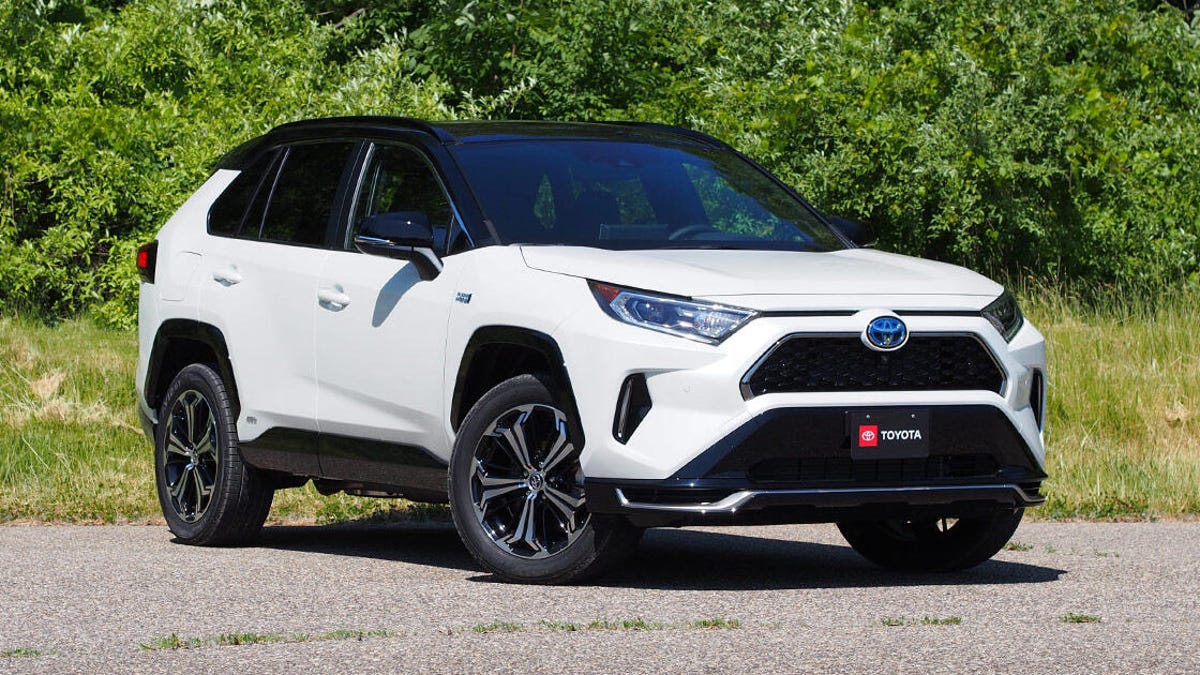
Are you considering getting a Toyota RAV4 Prime? This powerful and efficient plug-in hybrid SUV is gaining popularity, and for good reason. In this guide, we’ll explore the best ways to get your hands on a Toyota RAV4 Prime. From understanding the features to finding the best deal, we’ve got you covered!

How to Get a Toyota Rav4 Prime

Credit: www.motortrend.com

Understanding the Toyota RAV4 Prime

The Toyota RAV4 Prime is a stellar combination of power, efficiency, and versatility. It features a plug-in hybrid powertrain that allows you to drive using the electric motor alone, or seamlessly switch to the gas engine when needed. With an estimated 42 miles of electric-only range, the RAV4 Prime is a game-changer in the SUV segment.

Locate Toyota Dealerships

When you’re ready to get behind the wheel of a RAV4 Prime, start by locating Toyota dealerships in your area. Utilize online tools to find the closest dealerships, then visit their websites to check their current inventory and contact information. Be sure to find a reputable dealership with a track record of excellent customer service.


How to Get a Toyota Rav4 Prime

Credit: www.cnet.com

Research Available Options

Before heading to the dealership, take some time to research the available options for the RAV4 Prime. Consider the trim levels, available features, and any packages that may interest you. Prior knowledge will empower you to make an informed decision when you’re ready to make your purchase.

Test Drive and Experience

Once you’ve found a dealership and a RAV4 Prime that catches your eye, schedule a test drive. Experiencing the smooth power delivery, high-tech features, and spacious interior firsthand will give you the confidence you need to move forward with your purchase. Pay attention to the driving dynamics and how the technology enhances your driving experience.

Get the Best Deal

Getting the best deal on your RAV4 Prime involves thorough research and negotiation. Look for ongoing promotions, incentives, and special offers from Toyota. Be prepared to negotiate the price, considering factors like trade-in value and financing options. Through careful negotiation, you can secure an excellent deal on your RAV4 Prime purchase.

Explore Financing Options

Financing your RAV4 Prime is an important aspect of the purchasing process. Toyota often offers competitive financing rates for qualified buyers. Consider obtaining pre-approval for an auto loan from your bank or credit union before heading to the dealership. This will give you a clear understanding of your budget and allow you to negotiate from a stronger position.

Consider Lease Options

If you prefer a lower monthly payment and the option to upgrade to a new vehicle in a few years, leasing a RAV4 Prime could be an attractive option. Toyota frequently offers competitive lease deals with favorable terms. Be sure to review the lease agreement thoroughly to understand the terms and potential fees.

Understand Tax Incentives

As a plug-in hybrid, the RAV4 Prime may qualify for federal or state tax incentives for environmentally friendly vehicles. Research the available incentives in your area to understand how much you could save. Be sure to consult with a tax professional to ensure you fully understand the incentives and how they apply to your specific situation.

Take Advantage of Warranty

Toyota’s warranty coverage provides added peace of mind when purchasing a RAV4 Prime. Explore the warranty details for both the hybrid components and the overall vehicle coverage. Understanding the warranty terms and coverage will give you confidence in the long-term reliability of your new RAV4 Prime.

Stay Informed About Availability

Due to the high demand for the RAV4 Prime, staying informed about availability is crucial. Check with multiple dealerships and inquire about expected delivery times for new inventory. Also, consider putting down a deposit to secure your place in line for the next available RAV4 Prime.

Frequently Asked Questions Of How To Get A Toyota Rav4 Prime

How Much Does A Toyota Rav4 Prime Cost?

The price range for the Toyota Rav4 Prime starts at around $38,100 and can go up to $42,600, depending on the trim level and additional features.

What Is The Fuel Efficiency Of The Toyota Rav4 Prime?

The Toyota Rav4 Prime offers an impressive fuel efficiency rating of approximately 94 miles per gallon equivalent (MPGe) combined, making it an eco-friendly choice for those seeking a hybrid SUV.

How Long Does It Take To Charge A Toyota Rav4 Prime?

Charging times for the Toyota Rav4 Prime can vary. With a standard 120-volt household outlet, it takes approximately 12 hours to fully charge. However, with a 240-volt Level 2 charger, the charging time can be reduced to roughly 4. 5 hours.

Conclusion

Getting a Toyota RAV4 Prime involves thorough research, smart negotiation, and understanding the available incentives. By following the steps outlined in this guide, you can confidently navigate the process of securing your very own RAV4 Prime. Enjoy the powerful performance and remarkable efficiency of this exceptional plug-in hybrid SUV!

How to Open Gas Tank of Toyota Rav4?


How to Open Gas Tank of Toyota Rav4? While it may seem like a simple task, some newer car models have unique mechanisms for accessing the gas tank, and the RAV4 is no exception.

In this comprehensive guide, we’ll walk you through the step-by-step process of opening the gas tank on a Toyota RAV4, ensuring that you can easily access the fuel filler for hassle-free refueling.

Step 1: Park Your Vehicle

Before attempting to open the gas tank on your Toyota RAV4, ensure that you park your vehicle in a safe and level area. This will prevent any accidents or spills while you perform the next steps.

 
Toyota Rav4 How to Open Gas Tank

Step 2: Turn off the Engine

Once your RAV4 is safely parked, turn off the engine to ensure safety and prevent any potential ignition hazards during the process of opening the gas tank.

Step 3: Locate the Release Lever

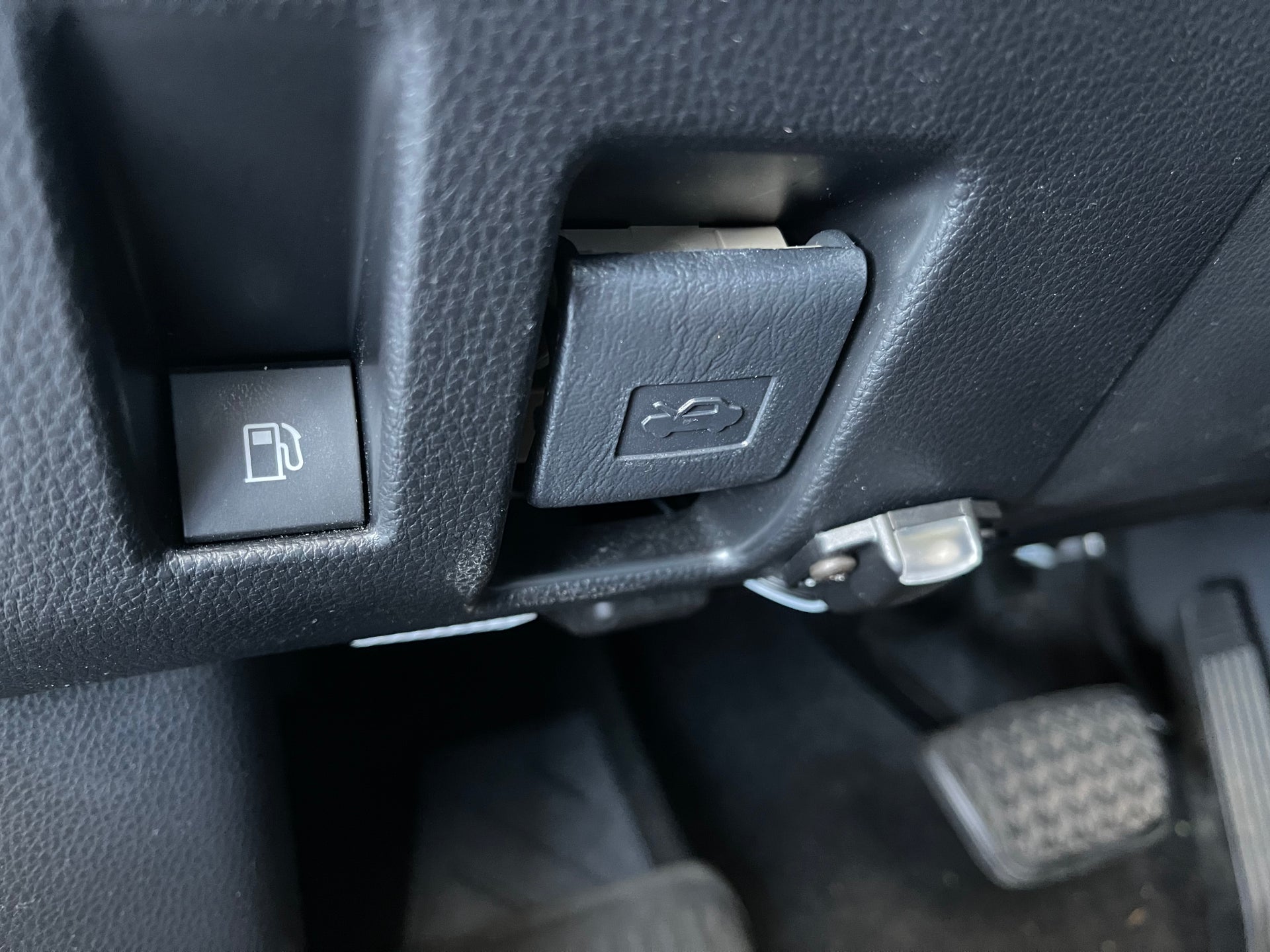
Next, locate the release lever inside your RAV4. Typically, the release lever is located on the driver’s side, near the bottom of the dashboard. It may be labeled with a small gas pump icon for easy identification.

Step 4: Pull the Release Lever

After locating the release lever, pull it gently. This action will pop the gas tank door open, allowing you to access the fuel filler cap.

Step 5: Twist and Remove the Fuel Filler Cap

Once the gas tank door is open, twist the fuel filler cap counterclockwise to loosen it. After loosening the cap, remove it carefully and place it in a secure location, such as the designated holder inside the gas door or a clean surface to prevent it from getting dirty or lost.

Toyota Rav4 How to Open Gas Tank

Step 6: Refuel Your RAV4

With the fuel filler cap removed, you can now proceed to refuel your Toyota RAV4. Simply insert the fuel pump nozzle into the tank opening and begin refueling, being sure to follow all safety guidelines and regulations provided at the gas station.

Step 7: Replace the Fuel Filler Cap

After refueling is complete, firmly press the fuel filler cap back onto the tank opening and twist it clockwise until it is securely fastened. This will help prevent any fuel leaks or odors from escaping the gas tank.

Step 8: Close the Gas Tank Door

Finally, gently push the gas tank door back into its closed position until you hear a click, indicating that it is securely shut. This step is crucial to prevent the gas tank door from accidentally opening while driving.

FAQ

How Do You Open The Gas Tank On A Toyota Rav4?

To open the gas tank on a Toyota Rav4, locate the gas cap release lever located on the driver’s side floorboard. Pull the lever up, and the gas tank will then be accessible.

Where Is The Gas Tank Release Lever In A Toyota Rav4?

The gas tank release lever in a Toyota Rav4 is conveniently located on the driver’s side floorboard, usually towards the left side of the driver’s seat. It allows easy and quick access to the gas tank.

Is There A Fuel Door Release Button On A Toyota Rav4?

Yes, there is a fuel door release button on a Toyota Rav4. It is typically located on the driver’s side control panel, near the door, and has an icon resembling a gas pump. Press the button to unlock and open the fuel door for refilling the tank.

Wrapping Up

With these simple and straightforward steps, you can easily open the gas tank on your Toyota RAV4. By following this guide, you can ensure that the process is safe, efficient, and hassle-free every time you need to refuel your vehicle. Remember to always observe safety precautions and regulations while handling fuel, and enjoy the convenience of easy access to your RAV4’s gas tank.


How Much Is the Cheapest Hyundai


This particular Hyundai model boasts a range of features and specifications that cater to the needs of budget-conscious consumers, making it a popular choice among entry-level car buyers.

Moreover, the vehicle's reputation for reliability and fuel efficiency further enhances its appeal, solidifying its position as a top contender in the competitive compact car segment.

Identifying the Model

model identification through analysis

When exploring Hyundai's lineup, you'll find that the Hyundai Accent emerges as the most affordable model offered by the brand. Its model history dates back to the mid-1990s, marking it as a longstanding choice for budget-conscious drivers. Over the years, the Accent has adapted to the changing demands of the market, maintaining its competitive edge through periodic redesigns and technology updates.

In a market comparison, the Hyundai Accent stands out for its blend of affordability, reliability, and features. While other brands offer budget models, the Accent's consistent evolution has kept it relevant and appealing. It's not just about being the most inexpensive; it's about offering value that doesn't compromise on the essentials—fuel efficiency, safety features, and a comfortable driving experience.

Hyundai's commitment to providing economically priced vehicles without skimping on quality has positioned the Accent as a go-to model for new-time buyers and those seeking a practical, cost-effective vehicle. Its place in the lineup showcases Hyundai's grasp of market demands, solidifying the Accent's status as a smart choice among budget models.

Price Breakdown

Having established the Hyundai Accent as the brand's most affordable model, let's break down its price to understand what makes it such a value proposition. The Accent's sticker price is influenced by several factors, including market trends and the cost of materials. As market trends fluctuate, so too does the Accent's price, though Hyundai aims to keep it competitive and accessible.

You'll find that the base model is priced to attract buyers looking for reliability and efficiency without exceeding the budget. Additionally, the pricing structure of the Hyundai Accent is transparent, making it easier for you to understand what you're paying for.

In terms of financing options, Hyundai offers a variety of plans to fit different budgets and credit scores. If you're looking to lease or buy, there are incentives and deals that can reduce your upfront costs or lower your monthly payments. It's worth exploring these options with a dealer to find the best fit for your financial situation.

The key takeaway here is that the Hyundai Accent's affordability isn't just about its low initial cost. It's further about the value it offers through flexible financing options and its ability to stay competitively priced in response to market trends.

Key Features

key features summary phrase

Beyond its appealing price point, the Hyundai Accent offers a suite of key features that cater to both comfort and convenience, ensuring you get great value for your investment. You'll find that the Accent doesn't skimp on the essentials that make your daily drive enjoyable. It boasts impressive fuel efficiency, allowing you to stretch your dollar further at the pump. This is particularly advantageous given the fluctuating cost of gas, making the Accent an economical choice for budget-conscious drivers.

Moreover, Hyundai's warranty coverage is second to none, providing you with peace of mind long after you've driven off the lot. The all-inclusive warranty package includes a 10-year/100,000-mile powertrain warranty, which is among the best in the industry. This coverage underscores Hyundai's confidence in the reliability and durability of their vehicles.

Inside, the Accent is equipped with a range of features designed for your comfort and convenience. From the intuitive infotainment system to the comfortable seating and ample cargo space, every aspect of the Accent is designed with the user in mind. All these factors combined make the Hyundai Accent not just an affordable option, but a smart, value-packed choice for savvy buyers.

Value Proposition

Considering the Hyundai Accent, its value proposition extends far beyond its affordable price tag, offering you a thorough package that optimizes both functionality and comfort. When you compare it to other vehicles in its segment, the Accent stands out not just for its price, but for what you get for that price. It's equipped with features that are often found in more expensive models, making it an excellent choice for budget-conscious buyers who don't want to compromise on quality.

Regarding market comparison, the Accent's blend of efficiency, technology, and safety features positions it competitively against its rivals. You're getting a car that delivers on expectations without overspending. Hyundai's reputation for reliability adds to the Accent's appeal, ensuring that you're investing in a vehicle known for its longevity.

Exploring financing options further improves the Accent's value proposition. Hyundai often offers attractive financing deals, including low APR and flexible terms, making it even more accessible. If you're considering leasing or buying, these options can lower the cost of ownership, making it an even smarter financial decision. With these considerations, the Hyundai Accent emerges as a compelling choice for anyone seeking value without compromise.

Ownership Costs

ownership cost considerations highlighted

Exploring the Hyundai Accent's value further, let's examine the ownership costs that come with this economical choice. One of the advantages you'll appreciate is its fuel efficiency. The Accent is designed to keep your visits to the gas station minimal, making it a pocket-friendly option in the long run. You're not just saving on the purchase price; you're continuing to save every time you drive.

Insurance rates are another critical factor in the cost of owning a Hyundai Accent. Because of its safety features and the vehicle's total cost, you'll find that insuring an Accent can be more affordable compared to other cars in its class. It's an important aspect to ponder, as lower insurance rates reduce your annual vehicle expenses.

Furthermore, Hyundai's reputation for reliability means you're less likely to face hefty maintenance or repair bills. The Accent's parts are readily available and reasonably priced, further contributing to lower ownership costs. Coupled with Hyundai's extensive warranty, you're looking at a cost-effective vehicle that won't exceed your budget over time.

Conclusion

In wrapping up, you've found that the most budget-friendly Hyundai model offers an impressive blend of economy and quality. With its competitive pricing, you're getting a vehicle packed with necessary features without emptying your wallet. The value proposition is clear, offering you more for less.

Plus, ownership costs are manageable, ensuring you enjoy your Hyundai without worrying about your wallet. It's a smart choice for budget-conscious drivers seeking reliability and efficiency in their next vehicle.

How to Check Tire Pressure on 2022 Toyota Corolla


To check tire pressure on a 2022 Toyota Corolla:

  • Locate the tire specifications on the driver's side door jamb.
  • Use a reliable tire pressure gauge.
  • Compare the measurements with the recommended values.
  • Adjust accordingly to ensure optimal vehicle performance and safety.

Locate Your Tire Specifications

check your tire details

To check your Toyota Corolla's tire pressure, first find the tire specifications. These are usually on a sticker inside the driver's side door or in the owner's manual. This information is important because the right tire pressure helps your car run well and safely.

The sticker, also known as the tire information placard, shows the best pressure for the front and rear tires. It might also show the recommended tire size and load rating. Knowing these details helps keep your tires in good condition, which is important for your car's performance.

If you can't find the sticker, look on the edge of the driver's side door or the door jamb. If it's not there, check the owner's manual in the glove box or another storage area near the driver. The manual will tell you where to find the tire specifications.

It's important to follow the recommended pressure, given in pounds per square inch (PSI). Tires that aren't inflated correctly can cause problems like uneven wear, poor handling, and more fuel use.

Gather Necessary Tools

To accurately check the tire pressure of your Toyota Corolla, you'll need a tire pressure gauge and possibly a compressor for adjustments.

There are three types of tire pressure gauges: digital, dial, and stick. Digital gauges are accurate and easy to read, dial gauges are reliable and durable, and stick gauges are basic and less expensive but harder to read. Choose a gauge that suits your needs and budget.

If your tires need air, a portable air compressor will be necessary. These can be powered by your car's 12V outlet, a home outlet, or are battery-operated. Ensure the compressor can reach your tires' recommended PSI.

Although not essential, keeping a notebook and pen in your car to record tire pressure readings can be helpful for tracking changes over time, like slow leaks.

Having these tools ready will help you maintain correct tire pressure, ensuring your car runs smoothly and safely.

Measure Tire Pressure

To check your Toyota Corolla's tire pressure, follow these steps. Make sure the tires are cold, which means the car hasn't been driven for at least three hours. This is important because warm tires from driving can give a false pressure reading.

Here's how to measure the pressure:

  1. Remove the valve cap from a tire.
  2. Press a tire gauge onto the valve stem until you hear a hiss sound. This means the gauge is reading the air pressure.
  3. Read the pressure on the gauge and compare it to the recommended pressure for your Corolla. This recommended pressure is usually found on a sticker in the driver's side door jamb.
  4. Do this for all four tires and the spare tire.

Understanding tire pressure's impact:

  • Under-inflated tires decrease fuel efficiency and wear out faster on the edges. They also make handling poorer and increase the risk of blowouts.
  • Over-inflated tires may slightly increase fuel efficiency but cause the tires to wear out faster in the center. They can also make the ride harsher and potentially worsen handling. Like under-inflated tires, they increase the risk of blowouts.

Adjusting Pressure Correctly

To adjust your Toyota Corolla's tire pressure, follow these steps:

If the tire pressure is too low, add air like this:

  1. Remove the tire's valve cap.
  2. Attach the air compressor hose to the valve stem.
  3. Fill the tire with air in short bursts.
  4. After each burst, check the pressure to avoid overfilling.
  5. Once at the recommended pressure, put the valve cap back on.

Add air slowly to prevent overfilling.

If the tire pressure is too high, release some air:

  1. Use a tool to press the pin inside the valve stem.
  2. Let out air in short bursts.
  3. Keep checking the pressure until it's correct.
  4. Replace the valve cap when finished.

Proper tire pressure is important for safety, efficiency, and preventing tire wear. Keep your tires at the recommended pressure for a better drive.

Regular Maintenance Tips

regular home maintenance tips

To keep your Toyota Corolla's tires in good condition and your car performing well, follow these maintenance steps:

  1. Rotate your tires every 5,000 to 7,500 miles to prevent uneven wear and improve handling.
  2. Check the wheel alignment yearly or if your car pulls to one side to avoid uneven tire wear and poor fuel efficiency.
  3. Monitor tire tread depth. Replace tires if tread is less than 2/32 of an inch. Use a penny to check; if you can see the top of Lincoln's head, it's time for new tires.
  4. Avoid hitting curbs or potholes to prevent tire and wheel alignment damage.
  5. Check tire pressure monthly, as temperature changes can affect it. Correct pressure ensures tire longevity and safety.

Following these steps will help maintain your car's tires and overall performance.

Conclusion

You now know how to check and change the air in your 2022 Toyota Corolla's tires.

First, find out what air pressure your tires need.

Then, get your tools ready, check the air, and add or let out some if you need to.

It's important to keep your tires in good shape because it helps you stay safe and makes your car run better.

So, remember to check your tires often. This will help your car drive smoothly and keep you safe every time you go out.