Recent Posts

How Many Litres Of Oil Does A 2009 Hyundai Elantra Take


Your 2009 Hyundai Elantra requires approximately 4.2 litres of oil.

This precise amount is crucial for maintaining optimal engine performance and ensuring the longevity of your vehicle.

Overfilling or underfilling can both lead to potential issues, so it's important to adhere to this specification.

Understanding Oil Capacity

understanding engine oil capacity

Oil capacity is how much oil your 2009 Hyundai Elantra engine can hold. It's important for the engine to work well and last long. Too little oil causes wear from too much friction. Too much oil can pressure the engine too much, causing leaks or damage.

Keeping the right oil level cools, cleans, and protects the engine, making your car run better.

Check the oil level often to keep your Elantra good. Watch for unusual noises, overheating, or less fuel efficiency as signs to check your oil. Knowing your car's oil needs saves time and money.

Recommended Oil Types

To maintain your 2009 Hyundai Elantra properly, use synthetic or conventional motor oil with an API service classification of SN, SM, SL, or higher. This means the oil meets specific performance standards. For this car, use oil with a viscosity of 5W-20 or 5W-30.

The '5W' shows how the oil flows when it's cold, and the '20' or '30' shows its thickness at high temperatures. Use 5W-20 in cold climates for easier flow during cold starts, reducing engine wear. Use 5W-30 in warmer climates for better protection at high temperatures.

Checking Oil Levels

monitoring vehicle oil levels

To keep a 2009 Hyundai Elantra's engine in good condition, it's important to regularly check the oil level. Here's how to do it:

  1. Park on Flat Ground: Make sure the car is parked on a flat surface to get an accurate oil level reading.
  2. Let Engine Cool: Wait for the engine to cool down before checking the oil to avoid getting a wrong reading or burning yourself.
  3. Locate Dipstick: Open the hood and find the dipstick, which is usually clearly marked.
  4. Check Oil Level: Remove the dipstick, clean it, reinsert it fully, then pull it out again to check the oil level. The oil should be between the two marks on the dipstick.

Oil Change Process

To change the oil in a 2009 Hyundai Elantra if it needs more oil or a replacement, follow these steps:

  1. Gather tools and supplies: new oil filter, correct oil amount, wrench, oil catch pan, funnel (optional), and gloves.
  2. Park the car on a flat surface and let the engine cool.
  3. Put the oil catch pan under the oil pan and remove the drain plug.
  4. Wait for all the old oil to drain out, then put the drain plug back.
  5. Take off the old oil filter with a wrench if needed.
  6. Put oil on the new oil filter's gasket, screw it in, and add new oil to the engine.

After, check the oil level with the dipstick to make sure it's correct. Turn on the car to move the new oil around, then check for leaks. Now, the oil change is done.

Maintenance Tips

keep plants properly watered

To keep your 2009 Hyundai Elantra running well, follow these maintenance tips:

  1. Air Filter: Check every 12,000 miles and replace if needed. A clean filter helps the engine run efficiently.
  2. Fluid Levels: Keep engine oil, transmission fluid, brake fluid, coolant, and power steering fluid at proper levels to avoid performance problems.
  3. Brakes: Regularly check brake pads, discs, and fluid. If braking feels off or makes noise, get it inspected.
  4. Tire Pressure: Check monthly, including the spare. Proper pressure improves fuel efficiency, handling, and tire lifespan.

Conclusion

Your 2009 Hyundai Elantra usually needs about 4.2 liters of oil. It's very important to use the right kind of oil for your car to work well.

Always check the oil level so you don't run out unexpectedly. Changing the oil is easy to do and helps your car run smoothly.

By following these simple tips, you can make sure your Elantra stays in good condition. You can feel good about driving it, knowing you know how to take care of your car.

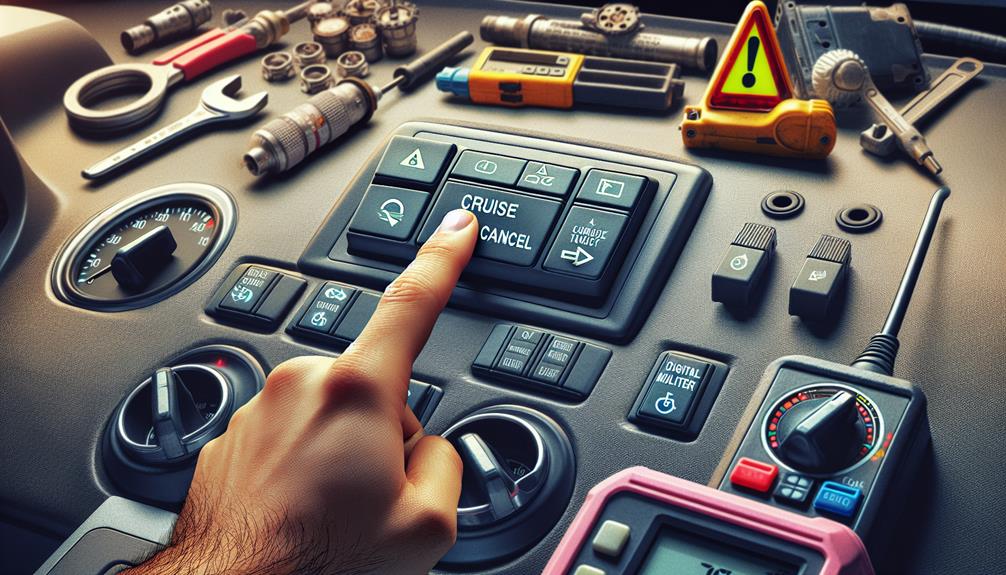
How to Turn off Cruise Control Toyota Corolla


To turn off cruise control in a Toyota Corolla:

  • Press the brake pedal or the 'CANCEL' button on the steering wheel.
  • For a complete shutdown, push the cruise control lever away from you or turn off the ignition.

Understanding Cruise Control

cruise control functions explained

Cruise control is a system in cars that keeps the speed constant automatically, making long drives easier. When turned on, it adjusts the car's speed to what the driver sets, helping to prevent speeding and reduce tiredness on long journeys. It's best used on highways or roads with consistent speed and few stops.

However, it shouldn't be used in bad weather, heavy traffic, or on curvy roads, as it requires the driver to control the vehicle actively. Understanding how cruise control works is important for using it safely and effectively. It's meant to assist the driver, not to replace paying attention while driving.

Locating the Controls

To turn off cruise control in your Toyota Corolla, you need to know where the controls are. The layout of cruise control buttons might change based on the year and model of your Toyota Corolla, but they're always easy to reach while driving. Here's a simple guide to find the main controls:

  • Steering Wheel: The cruise control lever or buttons are on or near the steering wheel.
  • Instrument Panel: Some models show cruise control indicators or settings on the instrument panel.
  • On/Off Button: There's a button to turn the cruise control system on or off, usually on the steering wheel or a stalk attached to it.
  • Set/Accel Button: This button sets the speed or speeds up while using cruise control.
  • Cancel Button: This button cancels the cruise control setting without turning the system off.

Deactivating Cruise Control

properly deactivating cruise control

To turn off cruise control in your Toyota Corolla, you can follow one of the steps below:

  1. Press the cancel button on the steering wheel to temporarily stop cruise control without losing your set speed. This is useful when you need to slow down quickly, like in heavy traffic or bad road conditions.
  2. Hit the brake pedal to completely stop cruise control and start slowing down right away. This is a good option for immediate speed reduction.
  3. Push the ON/OFF button on the control stalk to turn off cruise control completely. If you choose this, you'll have to turn it on and set your speed again when you want to use it next.

Quick guide:

  • Cancel Button: Stops cruise control temporarily.
  • Brake Pedal: Stops cruise control and slows the car.
  • ON/OFF Button: Turns off cruise control completely.

Tips for Safe Disengagement

When turning off the cruise control in your Toyota Corolla, ensure safety for a smooth switch to manual driving. Safe disengagement prevents unexpected road situations. Here's how to do it safely:

  • Look around: Before turning off cruise control, check mirrors and blind spots for nearby vehicles. Ensure there's enough space to slow down without affecting others.
  • Slow down gradually: Use the cruise control buttons to reduce speed slowly before turning it off. This avoids sudden slowing that could surprise following drivers.
  • Brake lightly: To disengage cruise control, lightly press the brake pedal. Only brake hard in emergencies. Gentle braking is important for control and safety.
  • Switch to manual carefully: After cruise control is off, carefully control your speed. Avoid quick speed changes until you're in full control.
  • Stay focused: Keep your attention on the road and hands on the wheel, ready to adjust speed or direction as needed.

Troubleshooting Common Issues

troubleshooting technical difficulties guide

Let's discuss how to fix common cruise control problems in a Toyota Corolla.

If cruise control won't turn off, start by checking the brake pedal. Make sure it's moving freely and that the brake lights work when you press it. If that's not the issue, look at the cruise control switch and its connections. These might need cleaning or reconnecting. If you're not sure how to do this, ask a professional for help.

If your cruise control doesn't keep a steady speed or turns off by itself, the problem might be with the speed sensor or the car's computer. The speed sensor tells the computer how fast you're going. If it's broken, cruise control won't work properly. You might need a mechanic to diagnose and fix this issue.

Conclusion

To turn off cruise control in your Toyota Corolla, just look for the cancel button and press it, or you can lightly step on the brake pedal.

Make sure you're always ready to steer the car yourself. If it's not working right, you can check for simple problems before going to a mechanic.

Knowing how to use all the parts of your car makes driving safer and more fun.

How Many Gallons Of Gas Does A 2017 Hyundai Sonata Hold


The 2017 Hyundai Sonata has a fuel capacity of 18.5 gallons.

This precise knowledge of the gas tank size is essential for efficiently planning long trips and managing fuel expenses. Understanding the Sonata's fuel capacity helps in accurately estimating the cost to fill up and scheduling visits to the gas station, thereby influencing your driving habits and budget.

Additionally, knowing this allows for a comparison of fuel efficiency against competitors, showcasing what makes the Sonata stand out.

Sonata's Fuel Capacity

sonata s fuel tank size

The 2017 Hyundai Sonata has a fuel tank that holds 18.5 gallons. This large tank helps you travel long distances without needing to stop often for gas. It's useful for planning trips in less populated areas with fewer gas stations.

The car is efficient, using fuel well, which is important when fuel prices change a lot. Knowing your car's fuel tank size helps you decide when to refuel, avoiding low gas situations and making driving smoother.

Importance of Knowing Your Tank Size

Knowing your 2017 Hyundai Sonata's tank size is important for managing fuel and planning trips. It lets you know when to fill up, helps avoid running out of gas, and makes trips more efficient.

Key reasons to know your tank size:

  • Budgeting for Fuel: Helps estimate fuel costs better, useful when gas prices change.
  • Emergency Preparedness: Knowing your fuel capacity is important for unexpected situations or changes in your route.
  • Efficient Trip Planning: Helps plan gas stops on long trips, choosing the best times and places to refuel.

Understanding your car's fuel capacity is key for a smooth and worry-free drive.

Calculating Your Sonata's Range

determining electric vehicle range

To calculate the range of a 2017 Hyundai Sonata, you need to know two things: the fuel tank capacity and the average miles per gallon (MPG).

The Sonata has a fuel tank of 18.5 gallons and an average MPG of 28.

To find the range, multiply the fuel tank capacity by the MPG (18.5 x 28). This equals 518 miles, which is the car's range on a full tank.

Tips for Efficient Fuel Usage

To improve your 2017 Hyundai Sonata's fuel efficiency, follow these steps:

  • Keep tires at the recommended pressure. Low tire pressure makes your car use more fuel.
  • Don't idle for long. Turn off the engine if waiting for over a minute. Idling wastes fuel.
  • Use cruise control on highways to keep a steady speed. Speeding up and slowing down uses more fuel.

Regular maintenance can also help. For example, changing a dirty air filter can increase gas mileage by up to 10%. These actions save fuel costs and reduce environmental impact.

Comparing Sonata to Competitors

analyzing sonata against competitors

When comparing the 2017 Hyundai Sonata to competitors like the Toyota Camry or Honda Accord, the Sonata often has better fuel efficiency and more space inside. This means you don't have to stop for gas as often on long trips. The Sonata is also very comfortable, with seats that support you on long drives and a smooth ride. Other cars might handle better but can be less comfortable.

The 2017 Sonata also has better technology features compared to similar cars from other brands, giving you more value. In summary, if you want a car that's efficient, comfortable, and has good technology, the Sonata is a good choice.

Conclusion

Your 2017 Hyundai Sonata can hold about 18.5 gallons of gas. This is important to know when you plan long trips or want to save on gas money.

By figuring out how far your Sonata can go on a full tank and using gas wisely, you'll make each trip to the gas station count. When you compare the Sonata to other cars, you'll see it can hold more gas, which is good for longer drives.

Knowing about your car's gas tank size helps you drive better and save money.

How to Replace Hyundai Tucson Brake Pads


If you need to replace the brake pads on your Hyundai Tucson, it is important to follow the proper steps to ensure your safety and the effectiveness of your vehicle's braking system.

First, gather all the necessary tools and materials for the job, including new brake pads, a jack, jack stands, a lug wrench, a C-clamp, and brake fluid.

Next, park your vehicle on a level surface and engage the parking brake. Loosen the lug nuts on the wheels, then lift the vehicle with the jack and secure it on jack stands.

Remove the wheels to access the brake calipers. Use the C-clamp to compress the caliper piston, then unbolt the caliper and remove the old brake pads.

Install the new brake pads, ensuring they are properly aligned with the caliper. Reattach the caliper and wheels, then lower the vehicle and tighten the lug nuts.

Finally, pump the brake pedal a few times to restore pressure to the brake system. Check the brake fluid level and top up if necessary.

By following these steps carefully, you can successfully replace the brake pads on your Hyundai Tucson and ensure your vehicle's braking system is in top condition.

Necessary Tools and Materials

Before you begin replacing your Hyundai Tucson's brake pads, you'll need to gather a few important tools and materials. First off, make sure you've got a sturdy jack and a pair of jack stands to safely lift and support your vehicle. You don't want to skimp on safety, so make sure they're rated for your car's weight.

Next, you'll need a lug wrench to remove the wheels. This tool usually comes with your car, but if it's missing, any standard lug wrench that fits your car's lug nuts will do the trick. Once the wheel's off, you'll be working on the brake caliper, so a set of socket wrenches and a caliper piston tool are essential. The socket wrenches will help you remove the caliper bolts, while the caliper piston tool is necessary to retract the piston, making room for your new brake pads.

Speaking of new brake pads, make sure you've got the correct set for your Hyundai Tucson model. Compatibility is key here; the wrong pads can lead to poor brake performance or even damage. Additionally, grab a can of brake cleaner to remove any grime or brake dust from the caliper and rotor, ensuring a clean work area. A small bungee cord or piece of wire might come in handy to hang the caliper from the suspension, preventing strain on the brake hose while you're working.

Lastly, don't forget a pair of gloves and safety glasses. Brake dust can be harmful, and you'll want to protect your hands and eyes during the process. With these tools and materials ready, you're set to tackle the job.

Identifying Worn Brake Pads

Knowing when to replace your Hyundai Tucson's brake pads is crucial for maintaining your vehicle's safety and performance. Identifying worn brake pads isn't just about listening for that high-pitched squeal; there are several signs that can alert you it's time for a change. Let's break down the key indicators.

To begin with, unusual noises are a clear giveaway. If you hear a persistent screeching or grinding sound when you apply the brakes, it's likely that your brake pads are worn down. This noise is caused by the metal of the calipers and the rotors rubbing together due to the brake pad material wearing away.

Next, you'll want to pay attention to how your Tucson feels when you brake. If braking feels less responsive or if you notice a vibration or pulsating sensation through the brake pedal, these can be signs of pad wear.

Lastly, visual checks can be very telling. If you look at the brake pads through the wheel spokes, you should see at least 1/4 inch of pad. If you see less, it's time for them to be replaced.

Here's a quick guide to help you remember:

Indicator Significance
Unusual Noises Metal on metal sound
Braking Response Less responsive, vibrations
Visual Inspection Less than 1/4 inch of pad

Identifying worn brake pads early can save you from more expensive repairs down the line and keep your driving experience safe and smooth. Keep an ear out and an eye open, and you'll know exactly when it's time to replace those pads.

Preparing Your Tucson

getting ready for tucson

Once you've identified that your Hyundai Tucson's brake pads are worn, it's important to prepare your vehicle for the replacement process. This preparation ensures a smooth and safe procedure, preventing any accidental damage to your car or yourself.

Here are the steps you need to take:

  1. Gather Your Tools

Before you begin, make sure you have all the necessary tools at hand. You'll need a lug wrench, car jack, jack stands, and a set of new brake pads. Having everything ready will save you time and help avoid any interruptions during the process.

  1. Ensure Safety

Safety should be your top priority. Park your Tucson on a flat, stable surface to prevent it from rolling. Engage the parking brake and, if possible, place wheel chocks around the tires not being lifted to add an extra layer of security. Wearing safety gloves and glasses can protect you from dirt, debris, and potential injuries.

  1. Prepare the Area

Clear a workspace around your vehicle, ensuring you have ample room to move and work comfortably. This includes removing any obstacles that might get in your way and laying out your tools within easy reach. A clean, organized space will make the process smoother and faster.

Removing the Old Brake Pads

With your Hyundai Tucson securely prepared, it's time to focus on removing the old brake pads. This process, while important, requires attention to detail to make sure everything goes smoothly and safely.

To start, you'll need to locate the caliper that houses the brake pads. It's usually situated over the rotor. You'll see it mounted to the wheel hub. Before you can get to the pads, you've got to remove the caliper. Do this by loosening the bolts holding it in place. There's typically two of them. Remember, they might be tight, so it'll take some elbow grease. Once they're loose, carefully slide the caliper out from its position. It's essential not to let it dangle by the brake line as this could cause damage. Secure it with a piece of wire or a bungee cord to something sturdy nearby.

Next, you can access the brake pads. They'll either clip in or be held by pins or bolts. Slide them out gently. If they're stubborn, a flat-head screwdriver can help pry them loose, but be careful not to damage any part of the brake assembly.

During this process, take a moment to inspect the caliper and rotor. If the rotor looks worn or damaged, it might need replacing or resurfacing, but that's a task for another time.

You've now successfully removed the old brake pads from your Hyundai Tucson. This is an important step in making sure your car remains safe and responsive on the road.

Installing New Brake Pads

maintaining car s braking system

After removing the old brake pads from your Hyundai Tucson, it's time to install the new ones to make sure your vehicle continues to stop safely and effectively. The process is straightforward, but it's important to follow each step carefully to ensure a successful replacement.

Before you begin, make sure you've got the right tools and the correct replacement brake pads for your specific model of Hyundai Tucson. Once you're ready, you can start the installation process.

Here are three key steps to follow when installing new brake pads:

  1. Prepare the Brake Caliper: Before installing the new pads, you'll need to retract the brake caliper piston. This is usually done with a caliper piston tool or a C-clamp. Applying gentle pressure, push the piston back into the caliper housing. It's important to do this step carefully to avoid damaging the piston or caliper.
  2. Install the New Brake Pads: With the piston retracted, you can now place the new brake pads into the caliper bracket. They should fit snugly and be aligned correctly. Ensure that any clips or shims that came with the new pads are installed as per the manufacturer's instructions. These components help reduce brake noise and ensure smooth operation.
  3. Reattach the Brake Caliper: Once the new pads are in place, carefully lower the caliper over them. You might need to wiggle it slightly to get a perfect fit. Reinstall the caliper bolts and tighten them to the manufacturer's recommended torque specification. This step is important for ensuring that the caliper holds the new brake pads securely and operates effectively.

After completing these steps, you've successfully installed new brake pads on your Hyundai Tucson.

Testing and Final Checks

Before hitting the road, it's vital to perform a series of tests and final checks on your Hyundai Tucson to make sure the new brake pads are installed correctly and functioning properly. These steps are essential for your safety and the longevity of your brakes.

Start by checking the brake fluid level in the master cylinder. If it's below the minimum mark, you'll need to top it off with the recommended brake fluid for your Tucson. Next, make sure all the tools and parts are cleared away from the work area. You don't want anything left behind that could interfere with the vehicle's operation.

Now, it's time to test the brake pedal. With the engine off, press the pedal several times to seat the brake pads against the rotors. The pedal should feel firm, not spongy. If it's spongy, you may need to bleed the brakes to remove any air from the system.

Before taking your Tucson out for a test drive, check the following table that evokes the emotions tied to making sure your vehicle is safe and ready:

Test Expected Outcome Emotion
Brake Fluid Level At or above minimum mark Relief
Tool Clearance No tools/parts left behind Assurance
Brake Pedal Feel Firm, not spongy Confidence
Brake Function Smooth stopping, no noises Satisfaction
Vehicle Control Stable, no pulling to sides Peace of Mind

After these checks, take your vehicle for a careful test drive. Pay attention to the brake responsiveness and any unusual noises. If everything feels right, you've successfully completed the brake pad replacement on your Hyundai Tucson.

Conclusion

You've successfully replaced your Hyundai Tucson's brake pads! With the right tools and a bit of elbow grease, you've guaranteed your safety on the road by keeping your brakes in top condition.

Remember to test your brakes at a low speed in a safe area before hitting the highway.

Regular checks and maintenance are key to prolonging the life of your brake system.

Drive safely, and pat yourself on the back for a job well done!

Where Is the Air Filter in a Hyundai Sonata


The air filter in a Hyundai Sonata is typically located in the engine compartment. It is housed within a specific air filter housing.

The exact location may vary by model year, so it's essential to check according to your particular Sonata's year.

Identifying Your Sonata Model

understanding sonata model identification

To find the air filter in your Hyundai Sonata, first, identify the model year. The model year is important because the air filter location can change with different Sonata generations. You can find the model year on your car registration, insurance, or the driver's side door jamb. It's also on a metal tag through the windshield on the driver's side. Knowing the year, you can figure out the generation of your Sonata. For example, a 2015 Sonata is part of the seventh generation, which covers years 2015 to 2019.

The generation is useful to know because Hyundai might update parts like the air filter location even within the same generation. Also, some special editions or models with different engines might've the air filter in a different place.

Locating the Engine Compartment

First, make sure your Sonata is on a flat surface with the engine off and cooled down. Safety is important. You need to find the engine compartment at the front of the car. Don't rush to open the hood. Learn how the hood release mechanism works first. Usually, the hood release lever is inside the car, on the driver's side, near the floorboard or under the dashboard.

Pull the lever to open the hood slightly. Then, go to the front of the car to find the secondary latch or safety catch under the hood, either in the center or to one side. You may need to search for it. Once found, push, pull, or slide it to fully open the hood.

With the hood open, you can see the engine compartment. This step is about getting used to the layout of the area, not looking for the air filter housing yet. Just take a moment to look at the engine compartment.

Finding the Air Filter Housing

locating the air filter

To find the air filter housing in your Hyundai Sonata, follow these steps:

  1. Open the Hood: Park on a flat surface, turn off the engine, and open the hood.
  2. Locate the Engine Cover: Look for a plastic shield over the engine. The air filter housing is near this area.
  3. Find the Air Filter Housing: Look for a big, black plastic box with a large air duct. This is the air filter housing.
  4. Check the Housing Latches: Notice the clips or latches on the housing. You need to know how to open these for maintenance.

Removing the Air Filter

To replace the air filter in your Hyundai Sonata, first make sure the engine is off and cool. Find the clips or screws that hold the air filter housing closed. Open the housing by unclipping or unscrewing it.

Take note of the air filter's position before removing it. Lift out the air filter. If it's dirty, it needs to be replaced.

Clean any debris from the housing with a dry cloth. This helps the new filter work better.

Installing the New Filter

changing furnace air filter

To replace the air filter in your Hyundai Sonata, follow these steps:

  1. Open the Air Filter Housing: Open the housing by unclipping or unscrewing it. Use the right tool for screws and be careful not to lose them.
  2. Check the Housing: Look inside the housing for any dirt or debris. Clean it if necessary to avoid contaminating the new filter.
  3. Install the New Filter: Place the new air filter in the housing. Make sure it's correctly positioned, following the airflow direction arrow. It should fit tightly without gaps.
  4. Close the Housing: Secure the housing cover with clips or screws. Don't overtighten to avoid damage.

You've now installed a new air filter in your Hyundai Sonata, helping to improve your car's performance and protect the engine.

Conclusion

You did a great job finding and changing the air filter in your Hyundai Sonata.

First, you figured out which Sonata you have. Then, you opened the hood to get to the engine and found where the air filter is kept.

You took out the old filter and put in a new one. This helps your car's engine get clean air, which makes it run better and use less gas.

It's important to check and change the air filter often to keep your car running smoothly.

How to Change Hyundai Tucson Brake Light


Replacing your Hyundai Tucson's brake light involves several steps:

  1. Identify the correct bulb
  2. Gather necessary tools
  3. Carefully remove the tail light assembly to ensure your safety on the road.

Identifying the Correct Bulb

choosing the right lightbulb

Before replacing your Hyundai Tucson's brake light, it's essential to identify the correct bulb for your model. Hyundai Tucson models vary by year, and each may require a specific type of bulb. Diving into this task without verifying can lead you to buy the wrong replacement, wasting both time and money.

First, check your vehicle's manual. It's your go-to resource for accurate information on the bulb type needed for your specific Tucson model. The manual usually lists the bulb specifications, including wattage and bulb type, which are critical for ensuring the new bulb functions correctly and safely.

If you've misplaced your manual or it's not within reach, don't worry. You can find this information online as well. Hyundai's official website or trusted automotive parts retailers often have databases where you input your vehicle's year, make, and model to find the correct bulb. This method is quick and ensures you get a compatible replacement.

Another option is to remove the existing bulb and take it to an auto parts store. This way, you can compare it directly with replacements, ensuring a match. However, remember this approach is best complemented with prior research to avoid any mix-ups.

Identifying the right bulb isn't just about fitting; it's about safety and compatibility. Using the wrong bulb can lead to malfunctions or, worse, damage to your vehicle's electrical system. So, take a moment to confirm the correct bulb type. It's a simple step that significantly impacts the success of your brake light replacement project.

Gathering Necessary Tools

Having identified the correct bulb for your Hyundai Tucson, you'll need to gather a few vital tools to proceed with the replacement process. It's vital to be prepared before you start, as this guarantees a smooth and hassle-free experience. The tools required are quite common and you might already have them lying around your garage or home. If not, they're easily obtainable from any hardware store or auto parts shop. Remember, using the right tools not only makes the job easier but also prevents damage to your vehicle's components.

Here's a concise list of tools you'll need:

  • Screwdriver set: You'll likely need both flathead and Phillips head screwdrivers. The exact size may vary, so having a set ensures you're prepared for any screws you might encounter.
  • Plastic trim removal tools: These are vital for safely removing any plastic covers or trim without scratching or damaging them. Metal tools can be too harsh on your car's interior and exterior surfaces.
  • Gloves: Working on a car can get messy, and there's always a risk of cutting yourself on sharp edges. A good pair of mechanic's gloves can protect your hands and provide a better grip.

Gathering these tools beforehand will streamline the bulb replacement process. Ensure you have a clean, well-lit workspace and all necessary tools within reach before you begin. This preparation won't only save time but also prevent any unnecessary back-and-forth searching for tools mid-task. Now, with everything in place, you're ready to move on to the next step of the replacement process.

Removing the Tail Light Assembly

car maintenance task guide

To remove the tail light assembly from your Hyundai Tucson, make sure your vehicle is turned off and parked on a stable surface. Begin by opening your vehicle's rear hatch or trunk to access the tail light assembly from the inside. You'll likely find a cover or panel that needs to be removed to access the back of the tail light. This panel is typically secured with clips or screws. If it's clips, you can pop them off gently with a flathead screwdriver or a trim removal tool. If screws are holding the panel in place, use the appropriate screwdriver to take them out.

Once the cover is off, you'll see the back of the tail light assembly. Here, there are usually one or more bolts or nuts securing the tail light to the vehicle's body. These can be removed with a socket wrench. Pay attention to the size of the socket you need, as using the wrong size can strip the bolts or nuts.

With the fasteners removed, gently push the tail light assembly towards the outside of the car to dislodge it from its mount. Be mindful as there are often tabs or pins that help secure the tail light in place, and you don't want to break these.

Before fully removing the tail light assembly, you must disconnect any electrical connectors that power the tail light. These connectors typically have a tab that you press down to release them. With the connectors detached, you can now carefully remove the tail light assembly from your Hyundai Tucson.

Replacing the Brake Light

Once you've successfully removed the tail light assembly from your Hyundai Tucson, it's time to focus on replacing the brake light. This process is straightforward, but it requires careful handling to make sure everything goes smoothly and you don't damage the new bulb or assembly.

To begin with, you need to identify the brake light bulb. It's usually the largest bulb within the assembly and positioned in a way that aligns with the brake light area on the outside casing. Once you've located the bulb, it's time to remove it. Most Hyundai Tucson models will have a simple twist-and-pull mechanism for bulb removal. Gently turn the bulb holder counterclockwise to release it from the assembly, and pull it out. Be careful not to use excessive force.

Now, it's time to insert the new brake light bulb. Before you do, make sure your hands are clean to avoid transferring grease or dirt onto the new bulb, which can impact its longevity and performance. Carefully insert the new bulb into the holder, then align it back into the tail light assembly. Twist it clockwise until it locks into place. Make sure it's secure and properly aligned to prevent any issues once reinstalled.

To paint a picture, here are the key steps in bullet form:

  • *Locate the brake light bulb within the assembly.*
  • *Remove the old bulb by turning the holder counterclockwise and pulling it out.*
  • *Insert the new bulb into the holder, then twist it clockwise to secure it in the assembly.*

That's it! You've successfully replaced the brake light on your Hyundai Tucson.

Testing the New Brake Light

new brake light installation

Now that you've installed the new brake light bulb, it's vital to test it to make sure it works properly. This step is important to guarantee your safety and that of other drivers on the road. Here's how to do just that, without any hassle.

To begin, you'll need an assistant to help you with this task. Position them at the rear of your Hyundai Tucson so they can have a clear view of the brake light. Once you're both ready, turn the ignition to the 'on' position, but there's no need to start the engine. Press the brake pedal down and ask your assistant to confirm if the light illuminates. If it does, congratulations, you've successfully replaced and tested your brake light!

However, if the light doesn't turn on, don't worry just yet. Check to make sure the bulb is properly installed and that it's the correct type for your model. Also, inspect the fuse related to the brake lights in your vehicle's fuse box. A blown fuse could be the culprit behind the malfunction. If the issue persists, it might be a more complex electrical problem, and consulting a professional might be your best bet.

Conclusion

Congratulations! You've successfully changed your Hyundai Tucson's brake light.

By identifying the correct bulb, gathering the necessary tools, carefully removing the tail light assembly, and replacing the brake light, you've guaranteed your vehicle remains safe and visible on the road.

Don't forget to test the new brake light to confirm it's working properly.

Your diligence not only maintains your car's functionality but also contributes to road safety for everyone.

Well done on tackling this task with ease!