The cost of a 2003 Hyundai Elantra axle ranges from $50 to $250 for aftermarket parts and up to $500 for OEM parts. Prices vary based on quality and where you buy.
Consider if you'll install it yourself or hire a professional.
Understanding Axle Costs
To understand the cost of an axle for a 2003 Hyundai Elantra, consider these factors:
Material quality affects the price. Better materials mean a more durable axle but at a higher cost. Cheaper axles might save money now but could lead to more expenses for replacements and repairs later.
The brand matters. Reliable brands may cost more but can prevent future problems.
Where you buy the axle can influence the price. Online stores might offer lower prices but consider shipping costs and wait times. Local stores may be more expensive but provide immediate availability and installation advice.
OEM Vs. Aftermarket Axles
When choosing a replacement axle for your 2003 Hyundai Elantra, consider the differences between OEM (Original Equipment Manufacturer) and aftermarket options. This will help you choose the best option for your car.
OEM axles are made by the car's manufacturer. They fit perfectly and work well because they're the same as what your car originally had. They tend to be more expensive and you might need to buy them from specific dealers.
Aftermarket axles are made by other companies. They can be cheaper and offer more variety. This is good if you have a limited budget or want something different from the original. But, the quality and fit mightn't be as good, which could cause problems later.
Here's what to think about:
Cost: Aftermarket axles are usually cheaper than OEM.
Availability: You can find aftermarket options more easily than OEM parts.
Quality and Fit: OEM always fits perfectly, but aftermarket quality can vary.
Warranty: OEM parts come with a warranty, which isn't always the case for aftermarket parts.
Think about these points to make a good choice for your needs and budget.
Where to Buy Replacement Axles
To buy replacement axles for a 2003 Hyundai Elantra, consider these options:
Auto Parts Stores have a range of parts and offer help from experts. However, their selection might be limited.
Online Retailers let you shop from home, offer many choices, and have competitive prices, but you might wait for shipping and face strict return policies.
Dealerships provide OEM parts that are sure to fit and work well, but they cost more.
Summary:
Auto Parts Store: Get parts quickly and get help, but with fewer options.
Online Retailer: Shop easily with many options and good prices, but consider shipping time and returns.
Dealership: Pay more for guaranteed OEM parts.
Installation: DIY Vs. Professional
When deciding to install a replacement axle on your 2003 Hyundai Elantra, you can either do it yourself or hire a professional. Each option has its own benefits and downsides:
Cost: Doing it yourself saves money on labor. But, hiring a professional reduces the chance of expensive mistakes because they have the right tools and knowledge.
Time: If you're not experienced, replacing an axle yourself can take a long time. A professional mechanic can do it faster because they know what they're doing.
Quality of Work: Professional work often comes with a warranty, giving you peace of mind. If you do it yourself, you're responsible for the quality of the work.
Tools and Equipment: Mechanics have specialized tools that make the job easier and safer. Renting or buying these tools for a DIY job might be costly and complicated for just one use.
Decide whether to DIY or hire a professional by considering your mechanical skills, available tools, time, and budget. What works for someone else may not work for you, so think about your own situation before choosing.
Tips for Saving on Axle Replacement
To save money on replacing an axle for a 2003 Hyundai Elantra, follow these steps:
Buy parts yourself. Find axles cheaper online or at auto parts stores. Make sure it fits your car's model and year.
Check prices with different mechanics. Labor costs vary, so compare prices. Also, read reviews to ensure good quality service.
Use refurbished or remanufactured axles. They're restored to original condition and are cheaper than new ones. Many come with warranties.
If you have the skills, replace the axle yourself. This can save the most money but requires the right tools and knowledge about car mechanics. Consider the risks before doing it yourself.
Summary of savings strategies:
Buying parts yourself can save a moderate amount of money ($$).
Comparing mechanic prices can save more ($$$).
Choosing refurbished parts also saves more ($$$).
Doing it yourself saves the most, if you're capable ($$$$).
Conclusion
You've got all the information you need to replace the axle on your 2003 Hyundai Elantra. You can choose between an original part from the car's maker or a generic one from another company. Look around to find the best price.
Even if you think you can save money by putting the new axle in by yourself, it might be better to have someone who knows what they're doing do it instead. By following these tips, you can make sure you don't spend too much money and get your car working again without any trouble.
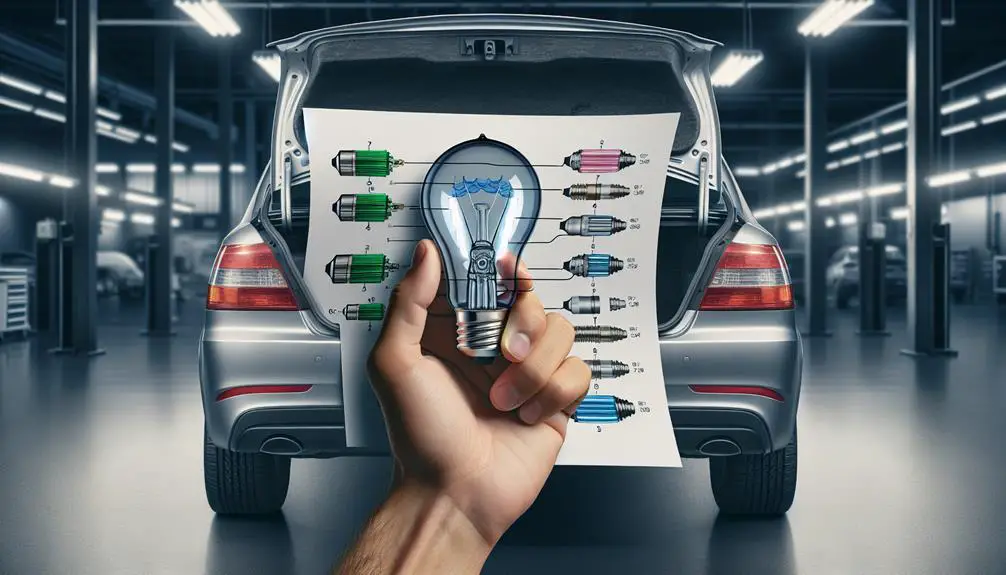
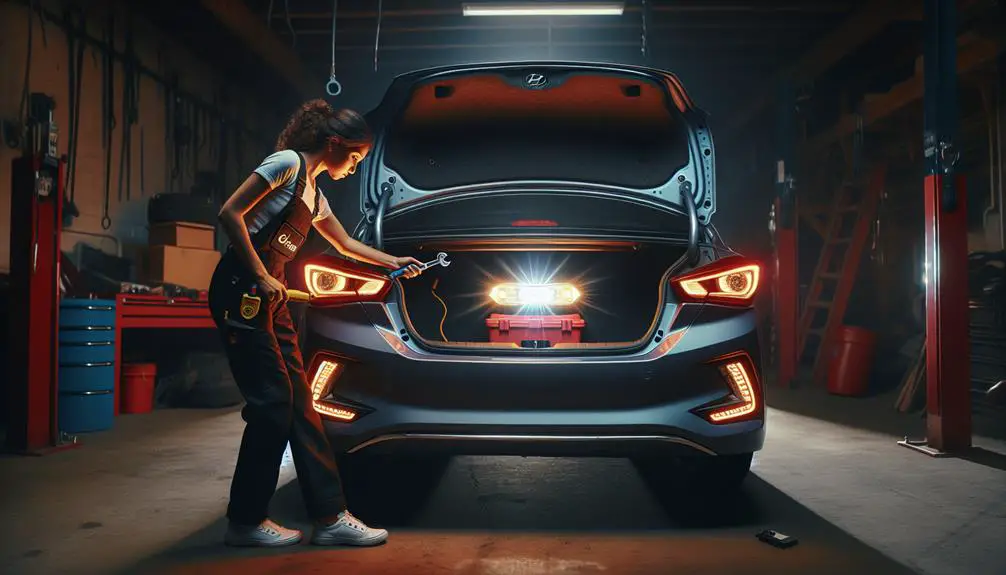
Identifying the correct bulb is the first step in replacing the brake light on a 2017 Hyundai Elantra. Once the correct bulb is identified, it is crucial to gather all the necessary tools for the job. Accessing the brake light assembly is the final step in the process. With proper guidance and attention to detail, this process can be smooth and straightforward.
Remember to exercise caution and follow the manufacturer's instructions carefully when working on your vehicle's brake lights.
Identifying the Right Bulb
Before you can replace your 2017 Hyundai Elantra's brake light, you'll need to identify the correct bulb type. This might seem challenging at the outset, but don't worry, it's a straightforward process once you know what you're looking for. The manual that came with your car is your best friend in this situation. It'll list the exact bulb type required for your brake lights. Typically, for a 2017 Hyundai Elantra, you're looking at a bulb type of 2357 for the brake light.
If you've misplaced your manual, don't worry. You've got other options. A quick search online with your car's make, model, and year will yield the right bulb type. There are online databases and forums where car enthusiasts and professionals share this kind of information. Just make sure you're double-checking the source to guarantee accuracy.
Another approach is to remove the existing bulb and look for any markings that indicate its type. Most bulbs will have the type printed on the base or the bulb itself. This can be a bit more hands-on but ensures you're getting the exact match for your replacement.
Gathering Necessary Tools
Now that you've identified the correct bulb type for your 2017 Hyundai Elantra's brake light, it's time to gather the tools you'll need for the replacement.
First off, you'll need a Phillips head screwdriver. This tool is critical for removing the screws that hold the brake light cover in place. Make sure you have a screwdriver that fits well to avoid stripping the screws.
Next, grab a flathead screwdriver as well. You might need it to gently pry off the brake light cover without causing any damage. It's all about being gentle and precise here.
Another important tool is a pair of gloves. You'll want to wear these to keep your hands clean and to avoid direct contact with the new bulb. Oils from your skin can shorten the bulb's lifespan, so this step is more vital than it might seem.
It's also wise to have a small container or a magnetic tray on hand. As you remove the screws and possibly other small parts, you don't want to lose them. Keeping them in a container ensures they're right where you need them when it's time to put everything back together.
Lastly, make sure you have good lighting. Whether it's a work light or a flashlight, you need to see what you're doing clearly. Working in a well-lit area reduces the chances of mistakes and makes the process smoother.
Gathering these tools before you start ensures a smooth replacement process. You're now ready to move on to the next step, equipped with everything you need to successfully replace your brake light.
Accessing the Brake Light Assembly
With all the necessary tools in hand, it's time to access your 2017 Hyundai Elantra's brake light assembly for replacement. This step is important and must be done with care to avoid any damage to the vehicle's exterior or the brake light assembly itself. Initially, make sure your Elantra is parked on a flat surface and you've turned off the engine. It's wise to engage the parking brake for added safety.
Accessing the brake light assembly involves a few straightforward steps:
Open the trunk of your Elantra to expose the backside of the brake lights. You'll need to remove the trunk's lining or cover to reach the brake light assembly. This is usually secured by clips or fasteners that can be easily removed by hand or with a flathead screwdriver.
Look for a plastic access cover or panel directly behind the brake light you intend to replace. These covers are designed to protect the backside of the light assembly from dust and damage.
Carefully remove the access cover. This should expose the back of the brake light assembly, including the socket that holds the brake light bulb in place.
Removing and Replacing the Bulb
Once you've exposed the brake light assembly, gently twist the bulb socket to remove it and access the burnt-out bulb. This step requires a bit of importance— you don't want to apply too much force and risk damaging the socket. With the socket in hand, you'll see the old bulb. It's held in place by a simple push-and-turn mechanism. Push gently and turn it counter-clockwise to free it from the socket. Don't be too hasty here; it should come out with minimal effort.
Now, you're ready to insert the new bulb. Before you do, take a moment to compare it with the old one. Make sure it's the same type and size. Any discrepancy could mean a trip back to the store or, worse, a non-functioning brake light. Once you're sure it's the correct bulb, insert it into the socket. This time, you'll push and turn clockwise until it locks into place. It's important that the bulb is securely fitted; a loose bulb can lead to intermittent light function or none at all.
With the new bulb snugly in its socket, it's time to reattach the socket to the brake light assembly. Align it carefully and twist it clockwise until it's firmly in place. This shouldn't require much force. Make sure it's properly secured, as a loose connection can lead to issues down the line.
You've now successfully replaced the bulb in your 2017 Hyundai Elantra's brake light. This simple process can save you a trip to the mechanic and the associated costs, in addition to the satisfaction of having done it yourself.
Testing the New Brake Light
Before hitting the road again, it's vital you test the newly installed brake light to make sure it's working correctly. This step is critical not just for your safety, but also to make sure you're complying with road safety regulations. Here's how you can efficiently test the brake light on your 2017 Hyundai Elantra.
Initially, you'll need a helping hand – someone who can press the brake pedal while you check the light from the outside. If you're alone, you can set up a mirror behind the car to reflect the light, allowing you to see it from the driver's seat, even though having a friend assist you is more reliable.
Once you're set up, follow these simple steps:
Turn on the ignition: You don't need to start the engine, but the ignition must be on for the brake lights to work.
Press the brake pedal: Have your helper press down on the brake pedal or do it yourself if you're using the mirror method.
Observe the brake light: Look for the illumination of the newly installed brake light. It should light up brightly and consistently without flickering.
If the brake light turns on as expected, you've successfully replaced it, and your car is safer for it. However, if it doesn't light up or flickers, double-check your installation. Make sure the bulb is properly seated and that all connections are secure. Sometimes, a simple adjustment can fix the issue.
Testing your brake light is a quick but vital step in ensuring your vehicle's safety features are fully operational.
Conclusion
You've successfully navigated through identifying the correct bulb, gathering the tools you needed, accessing the brake light assembly, and replacing the bulb in your 2017 Hyundai Elantra.
Now, with the new brake light in place, it's important to test it out to make sure it's working perfectly. Turn on your car, press the brake pedal, and maybe have a friend check or use a reflection to confirm the light's functionality.
You've tackled this task efficiently, making sure your safety on the road. Well done!
Yes, you can sue Hyundai if you have legitimate grounds such as defects in your vehicle that affect its safety, value, or functionality, and if Hyundai fails to honor their warranty or violates consumer protection laws.
It's important to gather all relevant evidence, understand your rights, and possibly consult with a lawyer experienced in consumer law.
The outcome will depend on the specifics of your case and precedents set by similar lawsuits.
Understanding Consumer Rights
Before taking legal steps against Hyundai, know your consumer rights. When you buy something, like a car, you have protections against bad practices and faulty items.
First, you have the right to get a product that matches its description and works as promised. If your Hyundai doesn't, you can ask for repairs, a replacement, or a refund, based on how serious the problem is.
Warranties are also important. Hyundai cars have a manufacturer's warranty that covers certain defects for a set time. Understand this warranty well, as it details Hyundai's repair obligations at no extra cost to you.
Lastly, being well-informed is a right. All sale terms, including guarantees and warranties, should be clearly explained to you. If Hyundai didn't give you accurate information about the product's quality or warranty terms, it could help your case.
Common Grounds for Lawsuits
To sue Hyundai, check if your case involves breach of warranty, misrepresentation, or safety issues.
Breach of warranty means your Hyundai didn't work as promised during the warranty period. You might've a case if Hyundai doesn't fix issues covered by the warranty or if the car isn't suitable for driving.
Misrepresentation means Hyundai or a dealership lied about the car's condition, features, or history. If you bought the car based on false information, you could sue.
Safety issues refer to a defect in your Hyundai that's dangerous. If Hyundai hasn't fixed a safety problem that caused an accident or injury, you might've a case.
These points can help you decide if you can sue Hyundai.
The Legal Process Explained
To determine if you can sue Hyundai, first understand the legal steps. Start by submitting a complaint, which is a document that describes your issue with Hyundai, how you were affected, and what compensation you're seeking.
Hyundai will then receive a notice of your lawsuit and has about 20 to 30 days to reply. Their reply might reject your claims, argue against them, or offer to settle outside of court.
If there's no settlement, the next phase is discovery, where both sides share information related to the case. This could involve answering questions, sharing documents, or participating in depositions.
The case might then move to mediation or arbitration, which are ways to try to solve the dispute without going to trial. If these don't work, the case goes to trial, where a judge or jury decides the outcome.
Having a lawyer is very helpful. They can guide you through the legal process and help make your case stronger.
Preparing Your Case
To build a strong case against Hyundai, start by collecting all related documents like contracts, warranties, and communications with Hyundai. These documents prove your agreement and any breaches.
Then, detail any damages or issues with photos, repair bills, and expert opinions. This evidence shows the damage extent and supports your claim. Keep a detailed record of all expenses to prove your losses.
Seek advice from a legal expert in automotive law or consumer protection. They can assess your case's strength and navigate the legal process.
Consider gathering evidence like:
Contracts: Sale or service agreements with Hyundai to prove your agreement.
Communication: Emails, letters, or call logs to show attempts to resolve the issue.
Photos/Videos: Visual evidence of defects or damages to show the problem.
Expert Opinions: Assessments from mechanics to validate your claim's technical aspects.
Receipts/Bills: Costs of repairs to quantify your financial losses.
With this evidence, you'll be better prepared to present your case against Hyundai.
Real-Life Case Studies
Let's look at how similar disputes with Hyundai have been handled in court with some real examples. These examples can help us understand what might happen in your lawsuit.
In one case, many Hyundai car owners sued the company because of engine problems. They said these problems caused engines to fail suddenly, sometimes while driving. They also said Hyundai knew about these issues but didn't tell customers or recall the cars quickly enough. Hyundai ended up settling the lawsuit. This settlement included payments to car owners, money back for repairs, and longer warranties.
Another lawsuit was about Hyundai cars' airbags not working properly during crashes. The lawsuit claimed Hyundai didn't fix this important safety problem, putting people in danger. The court agreed with the people suing, which led to a recall and a program to compensate car owners.
These examples show that with strong evidence and a good argument, it's possible to win against big companies like Hyundai. They also show the power of class-action lawsuits, which can get bigger settlements and make companies change their policies.
Conclusion
You've learned about your rights and how people sue Hyundai. Getting ready for your case means collecting proof and maybe talking to a lawyer.
Other people have won against Hyundai before, showing it's possible if you do it right. You're not alone in this.
If you think Hyundai did something wrong to you, you can do something about it. It's important to stand up for your rights and think about what to do next.
2010 Toyota Corolla Trunk Release Not Working: Causes and How to Fix
Addressing the malfunctioning trunk release in a 2010 Toyota Corolla can range from minor inconveniences to significant hindrances. This issue can arise from various causes such as electrical or mechanical failures.
It is crucial to identify the root cause to implement the correct solution, whether it’s a DIY fix or requires professional assistance.
Knowing the underlying issues and potential remedies is essential to ensure the functionality and security of your vehicle.
What Causes the Trunk Release on a 2010 Toyota Corolla to Stop Working?
Several factors can lead to the malfunctioning of the trunk release in a 2010 Toyota Corolla, including electrical issues, mechanical failures, and wear and tear of components.
Comprehending these causes is important for diagnosing the problem accurately and finding an effective solution.
The trunk release system, a critical convenience feature, can be compromised by different issues, impacting the vehicle’s usability and security.
Here are four primary causes that can lead to the malfunctioning of the trunk release:
Electrical Issues: Faulty wiring or malfunctioning switches can disrupt the electrical signals necessary for the trunk release mechanism to operate.
Mechanical Failures: Broken or disconnected linkage between the release mechanism and the trunk latch can prevent the trunk from opening.
Wear and Tear of Components: Regular use over time can lead to the deterioration of mechanical parts, affecting their performance and reliability.
Faulty Trunk Lock Cylinder: Damage or wear to the trunk lock cylinder can hinder the ability to open the trunk manually with a key.
Comprehending these factors is vital for identifying the root cause of the problem and addressing it effectively.
How to Identify the Problem with Your 2010 Toyota Corolla Trunk Release
Identifying the root cause of a malfunctioning trunk release on a 2010 Toyota Corolla requires a systematic approach.
Starting with a step-by-step diagnosis can help determine whether the issue is electrical or mechanical in nature.
This process includes checking the key fob’s battery and grasping when a fuse problem may be to blame, providing a clear path towards resolution.
Step-by-step guide to diagnosing electrical vs. mechanical issues
Step 1: Check the trunk release button or lever for any resistance or unusual looseness to determine if the issue is mechanical.
Step 2: If the button or lever feels normal but the trunk doesn’t open, the problem might be electrical.
Step 3: Inspect the fuse related to the trunk release circuit for any signs of damage.
Step 4: If the fuse is intact, further investigate the wiring and electrical connections for potential issues.
Step 5: This systematic evaluation will help identify whether the problem with your 2010 Toyota Corolla trunk release is mechanical or electrical, guiding you towards an appropriate repair solution.
How to check your key fob’s battery?
Step 1: Identify the small slot or indentation on the side of your 2010 Toyota Corolla’s key fob.
Step 2: Use a flathead screwdriver to gently pry open the case of the key fob.
Step 3: Locate the small battery inside, usually a CR2032 or a similar coin cell. Take note of the battery type and voltage.
Step 4: Check if the battery appears corroded or drained.
Step 5: If the battery is in poor condition, replace it with a new one of the same type.
Step 6: Ensure to align the new battery correctly according to the +/- indicators inside the key fob.
When to know it’s a fuse problem?
To check if a fuse is causing your 2010 Toyota Corolla’s trunk release issue, follow these steps:
Locate the fuse related to the trunk release in the fuse box.
Remove and inspect the fuse for damage.
If it’s blown, replace it with one of the same amperage.
Further investigation may be needed if the problem persists.
DIY Fixes for a Non-Working 2010 Toyota Corolla Trunk Release
Addressing a non-functioning trunk release in a 2010 Toyota Corolla can often be managed through a series of DIY fixes. This involves procedures such as replacing the trunk release fuse, repairing or replacing the trunk latch mechanism, and troubleshooting any key fob related issues that might be interfering with the trunk’s operation.
Each step requires a methodical approach to ensure the trunk release is restored to full functionality efficiently.
How to replace the trunk release fuse?
Step 1: Locate the fuse box in your 2010 Toyota Corolla, typically found under the dashboard on the driver’s side or in the engine compartment.
Step 2: Refer to the owner’s manual to identify the specific fuse that controls the trunk release system.
Step 3: Use a fuse puller or a pair of needle-nose pliers to carefully remove the old fuse related to the trunk release.
Step 4:
Inspect the removed fuse for a broken filament, which indicates a blown fuse that needs replacement.
Step 5: Replace the blown fuse with a new one of the same amperage rating to ensure proper functionality of the trunk release system and prevent potential electrical issues.
Step 6: Test the trunk release system to confirm that it is now working properly.
Step 7: Close the fuse box and ensure it is securely fastened before closing the hood or the dashboard panel.
Congratulations! You have successfully replaced the trunk release fuse in your 2010 Toyota Corolla.
Replacing or repairing the trunk latch mechanism
If the trunk release of your 2010 Toyota Corolla is still not functioning properly after replacing the fuse, the next step involves inspecting and potentially repairing or replacing the trunk latch mechanism. This process can be approached as a do-it-yourself task by following these structured steps:
Remove the Trunk Lining: Carefully take off the trunk’s interior lining to access the latch mechanism.
Inspect the Latch: Look for visible signs of damage or wear. If the latch appears broken, replacement is necessary.
Lubricate the Mechanism: If the latch is not damaged, applying lubricant can sometimes restore functionality.
Test the Latch: After any repairs or replacement, reassemble and test the trunk release to ensure it operates smoothly.
Following these steps should help in resolving issues with a non-working trunk release.
Troubleshooting and fixing key fob problems
Step 1: If your key fob is not working, the first step is to check if the battery is dead. Replace the battery with a new one, ensuring it is inserted in the correct orientation.
Step 2: If the key fob still doesn’t work after changing the battery, consider signal interference as a possible issue. Move away from potential interference sources or try repositioning the key fob to see if that resolves the problem.
Step 3: In case there is no improvement, and you suspect internal damage, inspect the key fob for loose components or broken contacts. If you are unable to identify and fix the issue yourself, it may be necessary to seek professional repair services for the key fob.
When to Seek Professional Help for Your Trunk Release Issues
Seek professional help for your 2010 Toyota Corolla trunk release issues if you experience persistent malfunctions, unusual noises, or electrical problems.
Visit a trusted mechanic or dealership for diagnostics and repairs.
Be prepared for potential costs based on the specific issue, but prioritize safety and functionality.
Indicators that it’s time to call a professional
Knowing the signs that indicate professional help is needed can save you time and prevent further complications.
Persistent Mechanical Failure: If the trunk release continues to malfunction despite basic troubleshooting.
Electrical Issues: Signs of electrical problems, such as unresponsive buttons or faulty wiring.
Physical Damage: Visible damage to the trunk release mechanism or related components.
Security System Interference: If the car’s security system prevents the trunk from opening, indicating a complex issue.
Seeking expert assistance guarantees a thorough diagnosis and repair, restoring your vehicle’s functionality and your peace of mind.
What to expect when visiting a mechanic or dealership?
You can expect the service advisor to ask for a detailed description of the trunk release issue on your 2010 Toyota Corolla. They will likely perform a preliminary assessment to diagnose the problem, inspecting the trunk release mechanism and using diagnostic tools if needed. Communication is key, so the technician should keep you informed throughout the process, explaining the problem, required repairs, and next steps.
During your visit to a mechanic or dealership for trunk release issues on your 2010 Toyota Corolla, the service advisor will ask for a detailed description of the problem and perform a preliminary assessment.
The mechanic will inspect the trunk release mechanism, including the electrical system, fuses, cables, and latches, and may use diagnostic tools to pinpoint the cause of the malfunction.
Communication is essential, so expect the technician to keep you informed about the problem, necessary repairs, and the next steps.
Cost estimates for professional repair services
Cost estimates for professional repair services for trunk release issues on a 2010 Toyota Corolla:
Repairing a faulty trunk latch: $50 to $150
Addressing complex electrical issues like a malfunctioning actuator or wiring problems: $200 to $400
Obtain a detailed quote from your service provider, including labor and parts. Opting for a reputable mechanic or dealership can ensure quality repairs and potentially save money in the long run.
How to Prevent Future Trunk Release Problems in Your Toyota Corolla
To guarantee the longevity and reliability of the trunk release system in your Toyota Corolla, adopting a proactive maintenance strategy is paramount. This encompasses regular inspections and maintenance of both electrical and mechanical components, alongside mindful care of the key fob to prevent failure.
Implementing preventative measures to greatly reduce the likelihood of future trunk release problems.
Regular maintenance tips for electrical and mechanical components
Regular maintenance of both electrical and mechanical components is important in preventing future trunk release problems in your Toyota Corolla. Ensuring these systems are regularly checked and serviced can greatly reduce the likelihood of encountering sudden malfunctions. Here are four key maintenance tips:
Inspect Wiring Regularly: Check for any signs of wear, corrosion, or damage to the wiring harness connected to the trunk release system.
Lubricate Moving Parts: Apply appropriate lubricants to mechanical linkages and latches to guarantee smooth operation.
Test Trunk Release Mechanisms: Periodically check both the interior release lever and any electronic release systems for responsiveness.
Battery Maintenance: Make sure the vehicle’s battery is in good condition, as a weak battery can impact the electrical system’s performance, including the trunk release function.
Best practices for key fob care
Proper key fob maintenance not only extends its life but also prevents potential issues with signal transmission that could affect your vehicle’s functionality.
Here are key practices to follow:
Avoid Exposing to Extreme Temperatures: Heat and cold can damage the fob’s battery and circuitry.
Keep Dry and Clean: Moisture and dirt can interfere with the fob’s signals.
Replace the Battery Regularly: Weak batteries lead to signal failure.
Avoid Physical Damage: Dropping or stepping on the fob can break its internal components.
Adhering to these guidelines will help guarantee your key fob remains in good working condition, supporting the reliable operation of your vehicle’s trunk release system.
Preventative measures to avoid wear and tear
Here are four key steps to prevent future issues:
Regularly Clean the Trunk Release Area: Keep the trunk latch and release mechanism free from dirt and debris to prevent jamming.
Lubricate Moving Parts: Apply silicone-based lubricant to the trunk latch mechanism periodically to guarantee smooth operation.
Avoid Overloading the Trunk: Excessive weight can strain the trunk release mechanism, leading to premature wear.
Inspect Mechanism Annually: Have a professional check the trunk release system as part of your vehicle’s annual maintenance to catch and resolve any potential problems early.
FAQs About 2010 Toyota Corolla Trunk Release Problems
Why did my trunk release suddenly stop working?
The sudden failure of the trunk release in the 2010 Toyota Corolla can be due to a faulty trunk latch assembly. This malfunctioning trunk release cable or electrical issues like faulty wiring or a malfunctioning trunk release switch can disrupt the mechanism and prevent the trunk from opening.
These issues can disrupt the mechanism and prevent the trunk from opening.
Can a dead battery affect my trunk release?
Yes, a dead battery can affect your 2010 Toyota Corolla’s trunk release. The electric trunk release relies on the car’s electrical system, so if the battery is dead or weak, it may not provide enough power for the release to operate.
Ensure your battery is charged for proper functionality.
How much does it typically cost to fix a trunk release issue?
Fixing a trunk release issue in a 2010 Toyota Corolla can cost between $50 to $300, depending on the root cause.
Simple issues like a broken trunk release cable may cost $50 to $150, while electrical problems like a malfunctioning actuator can escalate the repair costs to $150 to $300.
Why is my trunk not opening?
Your 2010 Toyota Corolla’s trunk may not be opening due to mechanical failures like a stuck latch, broken lock, or damaged linkage.
It could also be an electrical issue caused by a blown fuse, faulty wiring, or a malfunctioning trunk release actuator.
Identifying the problem is key to resolving it promptly.
How do you open the trunk of a 2010 Toyota Corolla without the key?
To open the trunk of a 2010 Toyota Corolla without the key, you can use the inside release lever located on the floor or side of the driver’s seat.
Alternatively, fold down the rear seats to access the trunk or seek assistance from a locksmith if needed.
How do you unjam a trunk latch?
To unjam a trunk latch on a 2010 Toyota Corolla, follow these steps:
Clean any debris from the latch.
Use automotive lubricant on the mechanism.
Work the lubricant in by opening and closing the latch.
If the issue persists, seek help from a mechanic or Toyota service center for proper repair.
Why is trunk not closing?
The trunk may not close properly on a 2010 Toyota Corolla due to various reasons such as a misaligned latch, an obstructed path, or a faulty trunk lock.
To resolve the issue, it is important to check for alignment issues first, ensuring that the latch is properly aligned.
Next, remove any obstructions that may be preventing the trunk from closing fully.
Lastly, inspect the lock mechanism to see if there are any faults that need to be addressed.
Wrapping Up: 2010 Toyota Corolla Trunk Release Not Working
To summarize, the functionality of the trunk release in a 2010 Toyota Corolla is critical for accessibility and convenience. Different factors, including electrical malfunctions, mechanical failures, and wear and tear, can impede its operation.
Identifying the root cause is vital for applying the appropriate fix, whether through DIY methods or professional intervention. Preventative measures further guarantee the longevity of the trunk release system.
Addressing these issues promptly improves vehicle usability and maintains its value.
The fastest Hyundai car is the Hyundai RM20e, a high-performance electric sports car prototype.
It boasts an impressive acceleration, going from 0 to 60 mph in just under 3 seconds, thanks to its powerful electric motor that delivers over 800 horsepower and 708 lb-ft of torque.
This model highlights Hyundai's commitment to combining speed with innovation, featuring cutting-edge technology and design that push the boundaries of electric vehicle performance.
Hyundai's Speed Evolution
Hyundai has improved its car speed significantly, making its vehicles more exciting. This change is due to Hyundai's focus on innovation, especially in turbocharging engines and improving aerodynamics. These advancements aren't just about increasing speed; they also make cars more efficient and maintain fuel efficiency and driving quality.
Hyundai has also used lighter materials and better powertrain technologies, which makes the cars accelerate smoother and handle better. This approach to speed means Hyundai's cars are fast and efficient.
Hyundai's efforts show its commitment to providing fast cars without compromising on quality and reliability. This demonstrates Hyundai's ongoing efforts to meet customer needs for speed and quality.
Top Contenders for Speed
Hyundai focuses on fast cars that are still high quality. The Hyundai Veloster N is fast and handles well, making it a top choice for speed.
The Hyundai Sonata N Line, although a family sedan, has a powerful turbocharged engine and offers both speed and utility.
The Hyundai Kona N is a fast compact SUV with a turbocharged engine and sporty driving features, providing fun driving without losing versatility or comfort.
These models show Hyundai's commitment to offering fast cars for different needs, including sporty hatchbacks, powerful sedans, and versatile SUVs.
The Fastest Hyundai Revealed
The Hyundai Veloster N is Hyundai's fastest car. It's known for its speed and agility. It offers a strong performance and is affordable. The Veloster N is good at accelerating and handling curves with precision. It feels powerful to drive. Hyundai has made this car feel like a more expensive sports car.
The Veloster N also connects drivers to a community of car enthusiasts who value performance. Owning this car makes a statement about valuing performance.
Performance and Specifications
The Veloster N has a turbocharged 2.0-liter engine that produces 275 horsepower and 260 lb-ft of torque. It comes with a six-speed manual transmission, but there's an option for a dual-clutch automatic. The car is designed for both power and handling, allowing for precise control.
It accelerates from 0 to 60 mph in about 5.5 seconds and has a top speed of 155 mph. The Veloster N also offers good fuel efficiency, balancing power with fuel economy.
Beyond Speed: Features and Design
The Veloster N isn't just fast; it also has great features and design. Hyundai made sure the car is enjoyable both inside and out. Here are some key points:
The car has an easy-to-use infotainment system with Apple CarPlay and Android Auto.
It has sport seats with blue accents for comfort during fast driving.
The Veloster N has a unique look with a bold front grille, rear spoiler, and red details.
It includes Hyundai's SmartSense safety features like collision-avoidance and lane-keeping assist.
Conclusion
You've seen how fast Hyundai cars can go, looked at the fastest ones, and found out which Hyundai is the quickest.
It's not only about speed. The fastest Hyundai car has great features and looks good too.
Whether you like fast cars or just want a great car, Hyundai's fastest car shows the company is all about making better cars in every way, not just in how fast they go.
$100 to $300 per axle is generally what you'll spend to replace brake pads on your Hyundai Elantra. This cost varies significantly based on the choice between aftermarket or OEM pads, and whether you're installing them yourself or hiring a professional.
Understanding these cost factors is essential to consider before making a decision. This discussion aims to help you understand the average expenses, the elements affecting the price, and methods to economize without compromising safety.
Knowing this is vital for every Elantra owner to ensure effective brake maintenance without draining your finances.
Understanding Brake Pad Replacement
Before diving into the costs, it's significant to grasp what brake pad replacement entails and why it's necessary for your Hyundai Elantra's safety. Brake pads are vital components in your car's braking system, creating the friction that helps your vehicle slow down and stop. Over time, they wear down due to constant contact with the brake rotors. When they're worn too thin, they can't generate enough friction, leading to increased stopping distances and potentially dangerous situations.
You'll know it's time to contemplate replacing your brake pads if you start hearing a squealing or grinding noise when you brake. This is often a built-in warning sign, as many brake pads come with a metal indicator that creates this noise when pads are too thin. Moreover, if your car takes longer to stop than usual or if the brake pedal feels different (softer or harder to press), these could also be signs that your brake pads need attention.
It's not just about preventing accidents—replacing your brake pads when needed also safeguards other parts of your braking system, like the rotors and calipers, from excessive wear. Delaying this maintenance can lead to more expensive repairs down the line.
Average Costs Explained
Understanding the average cost to replace your Hyundai Elantra's brake pads can help you budget for this important maintenance task. Generally, the cost varies depending on whether you're opting for front, rear, or all brake pads replacement. Let's break it down so you've got a clear idea of the financial commitment you're looking at.
The cost to replace brake pads on a Hyundai Elantra can range greatly. However, on average, you're likely to spend between $100 to $300 per axle. This price includes both the parts and labor. It's important to ensure that this is a ballpark figure, and the actual cost can vary based on different factors that we won't get into right now.
To make this more digestible, here's a quick table summarizing the average costs:
Brake Pad Location
Parts Cost
Labor Cost
Front
$50 – $100
$50 – $100
Rear
$50 – $100
$50 – $100
Both Front & Rear
$100 – $200
$100 – $200
It's worth noting these costs are averages and can vary based on the quality of the brake pads you choose and where you get the service done. High-end or OEM (Original Equipment Manufacturer) brake pads will generally be on the higher end of the spectrum, while aftermarket options might offer a more cost-effective solution. Understanding these costs upfront can help you make informed decisions and ensure that you're not caught off guard when it's time to service your vehicle.
Factors Influencing Price
Comprehending the average costs is just the start; several factors can greatly influence the price of renewing brake pads on your Hyundai Elantra.
First, the type of brake pads you choose plays a substantial role. You'll find a range of options from basic to high-performance pads. High-performance pads, designed for improved durability and braking power, will cost you more than the standard ones. If you're someone who enjoys spirited driving or often drives in challenging conditions, investing in these might make sense for you.
Next, consider the model year of your Elantra. Newer models might've specific requirements or advanced braking systems that necessitate more expensive brake pads or additional components during replacement. This could bump up the cost compared to older models.
Another aspect is where you're getting the service done. Prices can vary widely between different auto repair shops and dealerships. Dealerships might charge more, but they offer OEM (Original Equipment Manufacturer) parts. Independent shops might provide lower prices and the option for aftermarket parts, which can be just as good but at a fraction of the cost.
Finally, your location can influence the price. Labor costs aren't the same everywhere; they can vary significantly across different regions. Urban areas with higher living costs tend to have higher rates for automotive repair services, including brake pad replacement.
Comprehending these factors will help you navigate the cost of replacing brake pads on your Hyundai Elantra more effectively, ensuring you make informed decisions tailored to your needs and budget.
DIY Vs. Professional Service
When deciding between DIY and professional service for replacing brake pads on your Hyundai Elantra, it's vital to weigh the pros and cons of each approach.
Tackling the job yourself can be tempting, especially if you're handy and have some basic automotive repair knowledge. The most obvious advantage is cost savings on labor. You're guaranteed in complete control of the timeline and the parts used. It can be a rewarding experience, giving you a sense of accomplishment and a deeper comprehension of your vehicle's mechanics. However, don't overlook the potential downsides. You'll need the right tools and a safe space to work, which might involve additional expenses. There's also the risk of making mistakes that could cost more to fix than hiring a professional in the beginning place.
On the flip side, opting for a professional service ensures the job is done correctly and safely. Mechanics have the expertise, tools, and facilities to handle the replacement efficiently, and most offer a warranty on their work. This route saves you time and the hassle of dealing with the intricate parts of your Elantra's brake system. The downside? It's typically more expensive owing to labor costs.
Ultimately, your choice depends on your comfort level with car maintenance, your budget, and your willingness to invest time in the task. Both options have their merits, but it's vital to take into account your situation and capabilities before diving into the project.
Saving Money on Brake Pads
After weighing the pros and cons of DIY versus professional brake pad replacement, let's examine how you can save money on the brake pads themselves. To begin with, shopping around is key. Don't just settle for the initial price you see. Online retailers often offer discounts and deals that brick-and-mortar stores can't match. Plus, comparing prices across different suppliers can net you significant savings.
Next, consider aftermarket parts. While it's tempting to go for OEM (Original Equipment Manufacturer) brake pads, aftermarket options can be just as reliable and much more cost-effective. Just make sure you're buying from a reputable brand that offers warranties. This way, you're not sacrificing quality for price.
Don't overlook the power of coupons and rebates as well. Signing up for newsletters from auto part stores or checking their websites regularly can lead to finding valuable discounts that'll cut down your costs. Sometimes, these stores also offer price matching, which means they'll match any lower price you find for the same product elsewhere.
Lastly, think about buying in bulk if you have multiple vehicles or plan to keep your Hyundai Elantra for a long time. Some retailers offer discounts when you buy more than one set of brake pads, which can lead to savings in the long run.
Conclusion
So, you're now in the know about swapping out brake pads on your Hyundai Elantra. Costs can vary, but comprehension what affects the price, and weighing the pros and cons of DIY versus professional service, can help you save some cash.
Remember, investing in quality brakes is critical for your safety. Don't skimp on this necessary maintenance.
With a bit of research and savvy shopping, you'll find the best deal that doesn't compromise on safety or performance.