How to Change Battery in Toyota Rav4 Key Fob? To change the battery in a Toyota Rav4 key fob, remove the key from the fob, open the fob, remove the green circuit board, replace the battery, and put the fob back together. It’s important to replace the battery every year or two to prevent any issues with unlocking your car.
Removing The Key Fob Shell
Replacing the battery in your Toyota Rav4 key fob is a simple process that you can do yourself. To begin, you’ll need to remove the key fob shell. Start by taking off the key ring from the fob.
Next, remove the back shell of the key fob by carefully prying it open. Once the back shell is removed, you can then take off the remote fob shell.
To access the battery, you’ll need to remove the green circuit board. Once the circuit board is removed, replace the battery with a new one. Afterward, put the fob back together and reattach the key ring.
That’s it! You have successfully changed the battery in your Toyota Rav4 key fob. Remember to replace the battery every year or two as part of regular maintenance to ensure your fob continues to function properly.
Replacing The Battery
To change the battery in your Toyota Rav4 key fob, you will need to follow a few simple steps.
First, remove the back cover of the key fob by using a small flathead screwdriver or a coin to twist and unlock it.
Once the back cover is removed, locate the battery inside and carefully remove it using a pair of tweezers or your fingers.
Take note of the battery type (usually a CR2032) and purchase a replacement battery of the same type. Insert the new battery into the key fob, making sure it is properly aligned.
Then, secure the back cover back into place until it clicks. Your Toyota Rav4 key fob should now have a new battery and be ready to use. Remember to properly dispose of the old battery in a designated recycling bin.
FAQ
How Do You Replace The Battery In A Rav4 Key?
To replace the battery in a RAV4 key, follow these steps:
1. Remove the key from the fob.
2. Open the fob and remove the green circuit board.
3. Replace the battery.
4. Put the fob back together and place the key back in.
It’s important to replace the battery every year or two for optimal performance.
What Size Battery Goes In A Toyota Rav4 Key Fob?
The Toyota RAV4 key fob uses a battery that needs to be replaced every year or two for optimal performance. To replace the battery, open the key fob, remove the green circuit board, replace the battery, put the fob back together, and place the key back in.
Can I Replace The Key Fob Battery Myself?
Yes, you can replace the key fob battery yourself. Simply open the fob, remove the green circuit board, replace the battery, and put it back together. It’s a good idea to replace the battery every year or two for proper functioning.
Wrapping Up
To ensure your Toyota Rav4 key fob continues to function properly, it’s important to know how to change the battery. By following the step-by-step instructions provided in this blog post, you can easily replace the battery in your key fob and avoid getting locked out of your vehicle.
Remember to perform this maintenance task every year or two to ensure the smooth operation of your key fob. Don’t let a dead battery ruin your day – take care of it today!
The cost of fuel pump replacement can vary depending on the location. For an accurate estimate, it is best to consult with a professional in your area.
Credit: www.autozone.com
Introduction To Fuel Pump Replacement
Introduction to Fuel Pump Replacement
A fuel pump is an essential component of a vehicle’s fuel system. It is responsible for delivering fuel from the gas tank to the engine. Without a functioning fuel pump, the engine won’t receive the fuel it needs to run properly. This can lead to various issues such as poor performance, stalling, and even engine damage. Therefore, it is crucial to ensure that the fuel pump is in good working condition.
Replacing a fuel pump can be a costly affair, but it is necessary for maintaining the optimal performance of the vehicle. The exact cost of fuel pump replacement can vary depending on factors such as the make and model of the vehicle, the location, and the type of fuel pump being replaced.
When it comes to symptoms of a bad fuel pump, there are a few warning signs to watch out for. These include difficulty starting the engine, sputtering or stalling while driving, engine surges, strange whining noises, and decreased fuel efficiency. If you experience any of these issues, it is recommended to have your fuel pump checked by a mechanic.
Driving with a faulty fuel pump can not only lead to further damage to the engine but also pose a safety risk. Therefore, it is crucial to address any fuel pump issues promptly and have them replaced if necessary.
Credit: www.autozone.com
Signs Of A Bad Fuel Pump
Replacing a fuel pump can be necessary if your car is showing signs of a bad fuel pump. These signs include the car not starting, sputtering or dying while driving, engine surges while driving, whining noise in the backseat, and lower gas mileage. When it comes to the cost of replacing a fuel pump, it can vary depending on the location and the make and model of your car. On average, the price of a fuel pump replacement can range from $200 to $1,000. It is worth noting that some owners choose to replace the fuel pump as preventive maintenance, but unless the pump is showing signs of failing, there is little reason to do so. It is also important to have the fuel filter checked and replaced if needed as a clogged fuel filter can cause issues with the fuel pump.
Is It Worth Replacing The Fuel Pump?
Many vehicle owners wonder if it is worth replacing the fuel pump as a preventive maintenance measure. While some owners choose to replace the fuel pump before it fails, there is little reason to do so unless the pump is showing signs of failing. It is important to note that many vehicles have fuel filters that can clog, so it is recommended to check and replace the fuel filter if needed when diagnosing issues with the fuel pump.
Driving with a bad fuel pump is not recommended as it may damage your engine or even start a fire. It is best to avoid using tricks or hacks to temporarily start a vehicle with a bad fuel pump as they are dangerous and unlikely to work. Some common symptoms of a bad fuel pump include struggling to start the vehicle, the engine sputtering or dying while driving, the engine surging, whining sounds in the backseat, and lower gas mileage.
The cost of replacing a fuel pump can vary depending on the location and the specific vehicle. It is recommended to get a free detailed estimate for a fuel pump replacement in your area from reputable sources such as AutoZone or Kelley Blue Book to get an accurate idea of the cost.
Credit: uchanics.ca
Average Cost Of Fuel Pump Replacement
The average cost of fuel pump replacement can vary depending on location. Get a free estimate for a fuel pump replacement in your area from Kelley Blue Book.
Topic
Information
Fuel Pump Replacement Cost
The average price of a fuel pump replacement can vary depending on location. Get a free detailed estimate for a fuel pump replacement in your area from reputable sources like Kelley Blue Book or AutoZone.
Factors that affect the cost
– Vehicle make: Different vehicle makes have different price ranges for fuel pump replacements. Ford, Dodge, Honda, and Mercedes-Benz may have varying costs.
– Labor cost: Labor charges for fuel pump replacement can vary based on the mechanic’s expertise and location.
– Additional components: Sometimes, the replacement may require additional components like fuel filters, fuel injectors, or fuel injection systems, which can affect the overall cost.
Tips for saving on fuel pump replacement cost
– Research prices: Compare prices from different sources such as Kelley Blue Book or AutoZone to get an idea of the average cost in your area.
– Maintain your vehicle: Regular maintenance and timely inspections can help prevent major fuel pump issues, potentially saving you from costly replacements.
– DIY vs. professional: If you have the necessary skills and tools, you can consider replacing the fuel pump yourself to save on labor costs. However, professional expertise is recommended for best results.
How To Replace A Fuel Pump
Step-by-step Guide
To replace a fuel pump, you will need a few tools:
Socket wrench
Screwdriver
Fuel line disconnect tool
Replacement fuel pump
Before starting the replacement process, it is important to take safety precautions:
Ensure the engine is cool before working on the fuel system
Disconnect the battery to avoid any electrical mishaps
Relieve fuel pressure by either disconnecting the fuel pump relay or disconnecting the fuel line
Work in a well-ventilated area to avoid inhaling fuel vapors
Replacing a fuel pump can be a complex process, but following these steps can help:
Locate and disconnect the fuel pump relay or fuse
Disconnect the fuel lines and electrical connectors from the old fuel pump
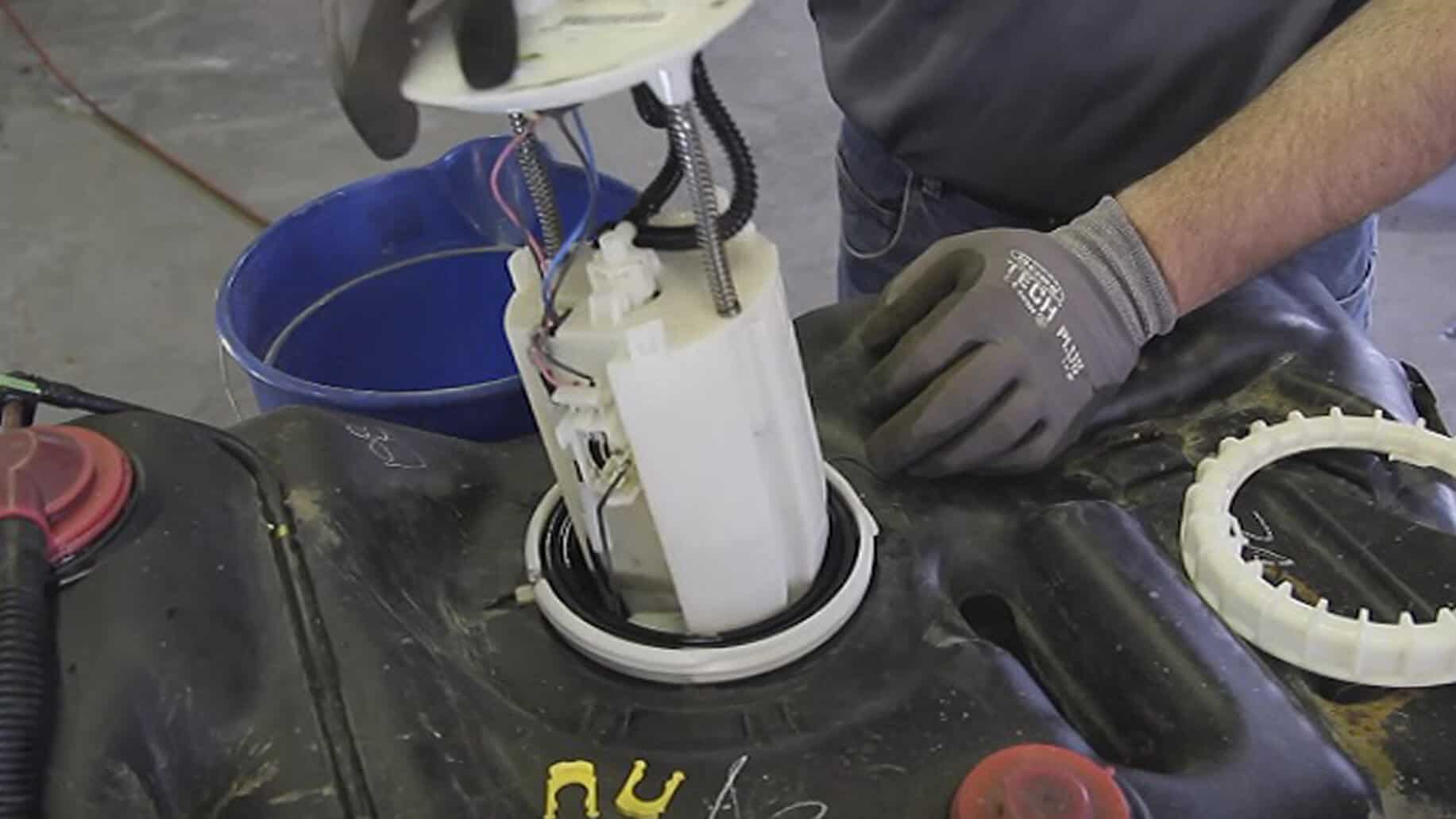
Remove the old fuel pump from the fuel tank
Install the new fuel pump into the fuel tank
Reconnect the fuel lines and electrical connectors
Reconnect the fuel pump relay or fuse
Start the engine and check for any fuel leaks
Frequently Asked Questions On Fuel Pump Replacement Cost
How Much Should It Cost To Replace A Fuel Pump?
The cost of replacing a fuel pump can vary depending on the location. To get a detailed estimate for your area, it’s best to contact a local mechanic or automotive service.
Is It Worth Replacing The Fuel Pump?
Replacing the fuel pump is worth it if it shows signs of failing. However, as a preventive measure, some owners replace it before failure. If you experience struggles while starting the car, sputtering or engine surges while driving, lower gas mileage, or hear whining in the backseat, these are symptoms of a bad fuel pump.
In such cases, it is important to get it replaced to avoid further damage and ensure safety.
Can I Drive With A Bad Fuel Pump?
Driving with a bad fuel pump is not recommended. If you manage to start your vehicle, it’s best to get it to a mechanic as soon as possible. Continuing to drive with a bad fuel pump can damage your engine or even start a fire.
Avoid using temporary tricks or hacks to start your engine as they are dangerous and unlikely to work.
Conclusion
In need of a fuel pump replacement? Wondering about the cost? The price of a fuel pump replacement can vary depending on your location and the make and model of your vehicle. It’s important to get a detailed estimate from a trusted mechanic in your area.
While some owners opt for preventive maintenance and replace the fuel pump before it fails, it’s typically not necessary unless you notice signs of failure. Remember to also check and replace the fuel filter if needed. Driving with a bad fuel pump can lead to engine damage or even a fire, so get it fixed as soon as possible.
Avoid temporary tricks or hacks to start the engine, as they can be dangerous and ineffective. If you’re experiencing difficulty starting your car, sputtering or stalling while driving, surging engine, or lower gas mileage, it could be signs of a bad fuel pump.
Don’t ignore these symptoms and consult a professional mechanic for proper diagnosis and replacement.
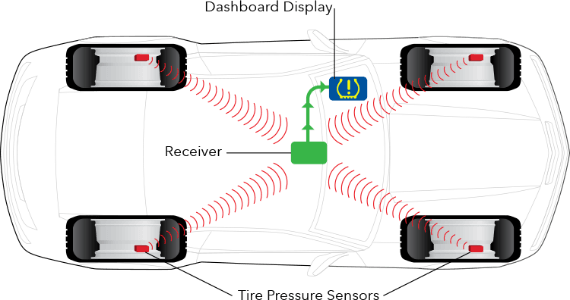
The cost to replace a tire pressure sensor varies depending on where you go, but it typically ranges from $50 to $200. Replacing a broken tire pressure sensor is essential to ensure accurate monitoring of tire pressure, which can affect vehicle performance and safety.
Furthermore, it is generally recommended to replace a faulty sensor to avoid any potential issues while driving. Keep reading to learn more about the importance of replacing a TPMS sensor and the options available for replacing it.
Credit: www.discounttire.com
Signs Of A Faulty Tire Pressure Sensor
When it comes to the cost of replacing a tire pressure sensor, it can vary depending on several factors. One of the signs of a faulty tire pressure sensor is a dashboard warning light. If you see this warning light on your dashboard, it could indicate a problem with your tire pressure sensor. Another sign of a faulty sensor is inaccurate tire pressure readings. If you notice that your tire pressure readings are not consistent or are significantly different from what they should be, it could be a sign that your tire pressure sensor is not functioning correctly. In some cases, it may be necessary to replace the sensor to ensure accurate monitoring of your tire pressure. However, the cost of replacement can vary depending on the specific vehicle and the location of the repair shop.
Can A Faulty Tpms Sensor Be Replaced?
When it comes to a faulty TPMS sensor, the question often arises whether it can be replaced. The answer is yes, a faulty TPMS sensor can be replaced. It’s important to know when to replace a TPMS sensor to ensure accurate monitoring of tire pressure.
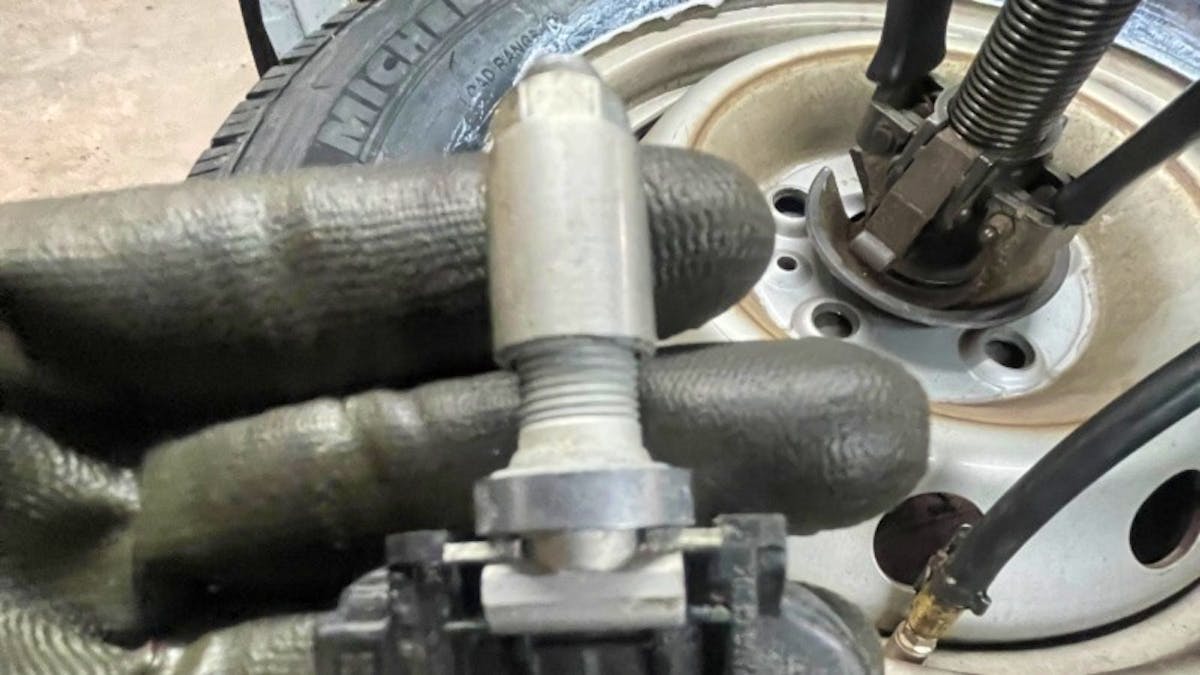
If you are experiencing issues with your TPMS sensor and want to replace it yourself, there are DIY options available. Snap-in TPMS sensors with rubber stems are easy to replace, requiring no special tools. However, hex nut stems need to be carefully tightened with the right torque wrench or TPMS valve stem tool.
As for the cost of TPMS sensor replacement, it varies depending on various factors such as the make and model of your vehicle, the type of sensor needed, and where you get it replaced. It is recommended to check with local auto shops or enthusiasts’ forums to get an idea of the average cost.
Cost Of Tire Pressure Sensor Replacement
The cost of replacing a tire pressure sensor can vary depending on several factors:
The make and model of your vehicle
The brand and quality of the sensor
The location where you get the replacement
Whether you do it yourself or hire a professional
On average, the cost of a TPMS sensor replacement can range from $50 to $250 per sensor. Keep in mind that this cost is for the sensor only and does not include the labor charges if you choose to have it professionally installed.
While it may be tempting to replace the sensor yourself to save money, it’s important to ensure accurate monitoring of tire pressure for vehicle performance and safety. If you’re unsure about the process or don’t have the necessary tools, it’s best to consult a professional.
Credit: www.quora.com
Where To Get Tpms Sensor Replaced
Looking for where to get your TPMS sensor replaced? Consider checking out Walmart, where you can find affordable options for replacing your tire pressure sensors. Maintain accurate monitoring of your tire pressure without breaking the bank.
Where to Get TPMS Sensor Replaced
You can get your TPMS sensor replaced at auto shops and dealerships.
Auto shops and dealerships have trained technicians who specialize in tire pressure sensor replacements.
They can ensure that the sensor is properly installed and calibrated for accurate monitoring of tire pressure.
Additionally, retail stores and online options such as Walmart and AutoZone also offer TPMS sensor replacement services.
These stores often provide affordable options and may even offer assistance with installing the sensor yourself.
Before making a decision, it’s best to compare prices and services offered by different providers to find the best fit for your needs and budget.
Credit: www.cartalk.com
Frequently Asked Questions Of Tire Pressure Sensor Replacement Cost
How Much Does It Cost To Replace The Tire Pressure Sensor?
The cost to replace a tire pressure sensor varies depending on the make and model of the vehicle. On average, it can range from $50 to $250 per sensor.
Is It Worth Replacing Tire Pressure Sensors?
It’s worth replacing tire pressure sensors to ensure accurate monitoring of tire pressure, which affects vehicle performance and safety.
Is It Ok To Drive With Bad Tpms Sensor?
It is not recommended to drive with a bad TPMS sensor. The TPMS system is designed to monitor tire pressure, and a faulty sensor can affect vehicle performance and safety. It’s best to replace the broken TPMS sensor for accurate monitoring of tire pressure.
Conclusion
Overall, the cost of replacing a tire pressure sensor can vary depending on the make and model of your vehicle, as well as where you go to get it replaced. However, it is generally recommended to replace a broken TPMS sensor to ensure accurate monitoring of tire pressure, which can affect vehicle performance and safety.
While it may be tempting to try to replace the sensor yourself, it is best to consult a professional to ensure the job is done correctly. Ultimately, the investment in a proper tire pressure sensor replacement is worth it for the peace of mind it provides.
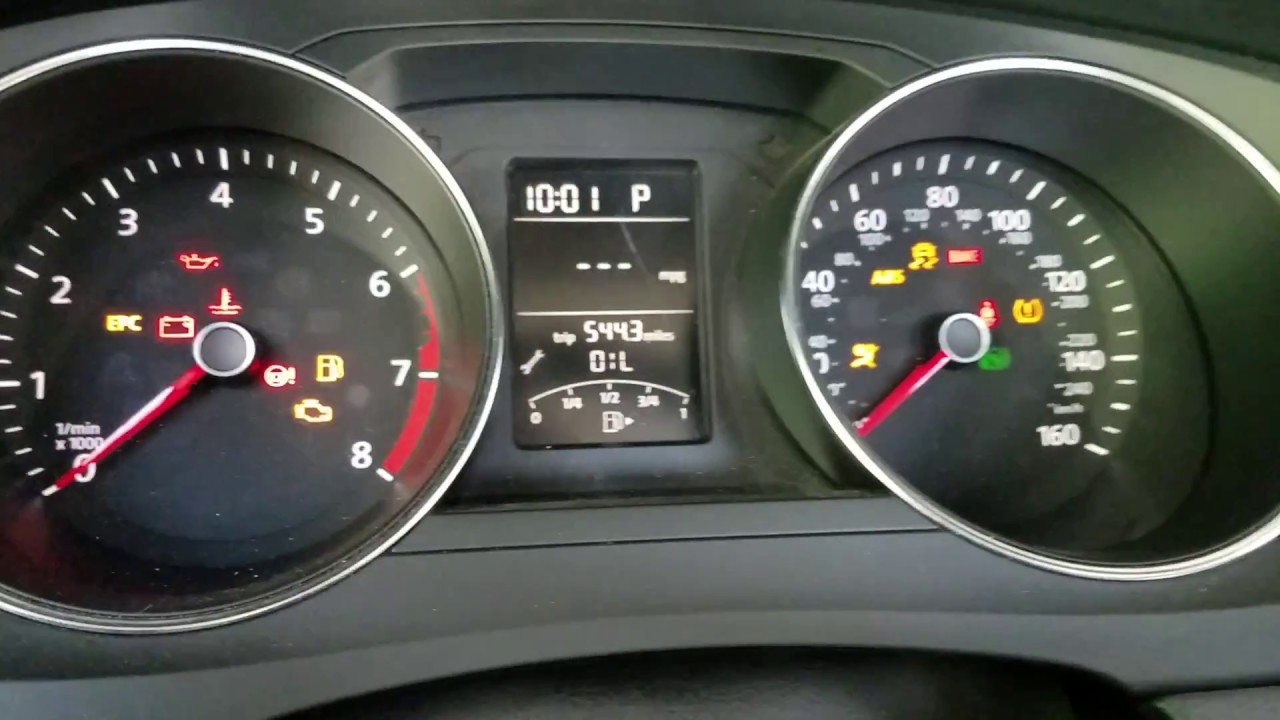
To reset the VW Jetta oil light, turn on the ignition without starting the car and hold the tripometer button. Release the button when the message appears and press it again to reset the oil change service.
Credit: www.youtube.com
Methods To Reset The Vw Jetta Oil Light
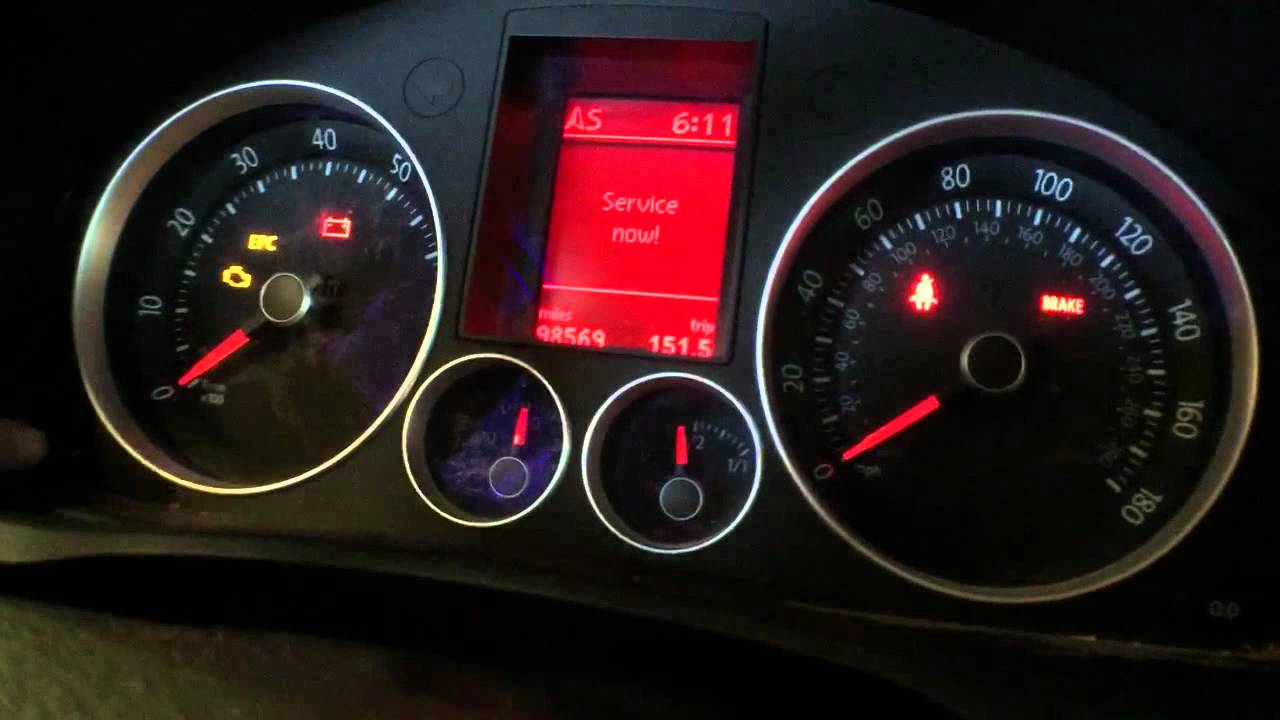
To reset the VW Jetta oil light, you have a few methods at your disposal. One way is to reset the oil light with the ignition on. Start by holding down the trip odometer reset button while turning the ignition to the accessory position. Keep holding the button until a message appears, then release it and press it again to reset the oil change service. Another method involves using the trip odometer reset button. Start by turning the ignition on to the accessory position and simultaneously press and hold the trip odometer reset button. Continue holding the button until the oil change service reset message appears, then release and press the button again to reset. These methods can help you easily reset the VW Jetta oil light and ensure proper maintenance of your vehicle.
Credit: m.youtube.com
Credit: www.reddit.com
Frequently Asked Questions On How To Reset Vw Jetta Oil Light
How Do You Reset The Oil Light On A Volkswagen Jetta?
To reset the oil light on a Volkswagen Jetta, follow these steps:
1. Turn on the ignition without starting the car. 2. Press and hold the tripometer reset button. 3. Release the button when you see a message and press it again to reset.
How Do You Reset The Service Light On A 2012 Jetta?
To reset the service light on a 2012 Jetta, turn on the ignition without starting the car. Hold the tripometer button until you see the message, then press it again to reset.
How Do You Reset The Warning Light On A Vw Jetta?
To reset the warning light on a VW Jetta, simply turn on the ignition without starting the car. Hold down the tripometer reset button until you see a message, then press the button again to reset.
Conclusion
Resetting the oil light on your VW Jetta is a simple and straightforward process that can save you time and money. By following the steps outlined in this blog post, you can easily reset the oil light and ensure that your vehicle’s engine is properly maintained.
Remember to hold the tripometer button and turn on the ignition, wait for the message to appear, and press the button again to reset. With these instructions, you’ll be able to reset the oil light on your VW Jetta in no time.
The 2013 Hyundai Elantra has a battery fuse that is designed to protect the vehicle from shorted or grounded positive battery wires and excessive electrical system draws. The battery fuse is an essential component of the electrical system and plays a crucial role in ensuring the vehicle’s overall functionality.
It is important to periodically check the battery fuse to ensure it is in proper working condition. If you experience any issues with power door locks, power windows, heater fan, power outlets, radio, windshield wipers, or lighting systems, it is possible that the battery fuse may be blown and needs to be replaced.
What Is A Battery Fuse?
What is a battery fuse?
A battery fuse is a protective device that is installed in a vehicle’s electrical system to prevent damage caused by excessive current flow. It acts as a barrier between the battery and the electrical components of the vehicle, ensuring that the current remains within safe limits.
Battery fuses are designed to break the electrical circuit if a fault or overload occurs, preventing damage to the battery and the vehicle’s electrical system. When a fault or overload is detected, the fuse will melt or blow, interrupting the current flow and protecting the components.
The main function of a battery fuse is to protect the electrical system from damage caused by excessive current flow. It ensures that the current remains within safe limits and prevents components from getting overloaded. When a fault or overload occurs, the fuse breaks the circuit, stopping the flow of current and preventing any further damage.
There are different types of battery fuses available, including blade fuses, cartridge fuses, and fusible links. Blade fuses are the most common type and are easy to replace. Cartridge fuses are larger and can handle higher loads. Fusible links are wires with built-in fuses and are used in specific applications.
Credit: www.hyundai-forums.com
Why Is There A Fuse On My Battery Terminal?
There is a fuse on your battery terminal for important reasons. One of the key reasons is to provide protection against short circuits. By having a fuse in place, any electrical fault or short circuit that may occur in the system will be directed towards the fuse, preventing damage to the battery and the rest of the electrical components in your vehicle. Additionally, the battery fuse plays a crucial role in circuit distribution. It acts as a gatekeeper, distributing power to various circuits in your vehicle. This helps to ensure that each circuit receives an appropriate amount of power without overloading the system. In summary, the battery fuse provides protection against short circuits and plays a significant role in circuit distribution, safeguarding your vehicle’s electrical system.
Symptoms Of A Bad Battery Fuse
Symptoms of a bad battery fuse:
Power door locks not functioning
Malfunctioning power windows
Non-working heater fan
Faulty power outlets
Radio or lighting issues
When it comes to the 2013 Hyundai Elantra battery fuse, there are several symptoms that can indicate a bad fuse. If you notice that your power door locks are not functioning properly, it could be a sign of a faulty battery fuse. Similarly, malfunctioning power windows can also be caused by a bad fuse.
In addition, a non-working heater fan and faulty power outlets can be indicators of a bad battery fuse. If you experience radio or lighting issues in your Hyundai Elantra, it is worth checking the battery fuse as well.
It is important to address these symptoms promptly, as a bad battery fuse can affect the overall electrical system of your vehicle. If you are experiencing any of these issues, it is recommended to have a professional inspect and replace the battery fuse if necessary.
Credit: www.amazon.com
How To Check A Battery Fuse
To check the battery fuse on a 2013 Hyundai Elantra, you can follow these steps:
1. Open the hood of your car and locate the fuse box near the battery. 2. Remove the cover of the fuse box and locate the battery fuse, which is usually labeled.
3. Inspect the fuse for any signs of damage, such as a broken filament or discoloration. 4. If the fuse appears to be faulty, replace it with a new fuse of the same amperage. 5. Make sure to securely reattach the fuse box cover and close the hood.
Steps to check the battery fuse:
Gather the necessary tools for testing
Inspect the fuse visually for any signs of damage
Use a multimeter to test the continuity of the fuse
If the fuse is blown, replace it with a new one of the same amperage rating
Tools required for testing:
Multimeter
Replacement fuse (same amperage rating)
Common signs of a blown battery fuse:
Power door locks not functioning
Power windows not going up or down
Heater fan not working
Power outlets not functioning
Radio not working or lighting up
Windshield wipers not working
Headlights, taillights, or other lighting systems not functioning
Where To Find A Replacement Battery Fuse For A Hyundai Elantra
Looking for a replacement battery fuse for your Hyundai Elantra? You have several options. One option is to check online stores. Websites like Amazon, eBay, and Walmart offer a wide range of battery fuses for the Hyundai Elantra, with prices starting as low as $11.03. These online stores also provide different delivery options and warranty options for your convenience.
If you prefer to visit a local auto parts store, you can check stores like Advance Auto Parts. They offer low prices on battery fuses for the Hyundai Elantra, and you can find aftermarket and OEM parts either online or in-store.
Overall, whether you choose to shop online or at a local store, you have plenty of options when it comes to finding a replacement battery fuse for your Hyundai Elantra. Consider factors such as availability, pricing, and warranty options to make the best choice for your needs.
Credit: www.ebay.com
Frequently Asked Questions For 2013 Hyundai Elantra Battery Fuse
Is There A Fuse For The Battery?
Yes, there is a fuse for the battery. The fuse is there to protect the vehicle from a shorted or grounded positive battery wire or excessive draw on the electrical system.
What Are The Symptoms Of A Bad Battery Fuse?
Symptoms of a bad battery fuse include power door locks not working, malfunctioning power windows, heater fan failure, non-functioning power outlets, radio or lighting issues, windshield wiper failure, and malfunctioning headlights or other lighting systems. A battery fuse is essential for protecting the electrical circuits connected to the battery, preventing damage from short circuits or excessive electrical draw.
A fuse block distributes power to multiple circuits and acts as a gatekeeper to prevent surges from passing through.
Why Is There A Fuse On My Battery Terminal?
The fuse on your battery terminal is there to protect the electrical circuits connected to your battery. It eliminates unprotected sections of cable between the battery and the first fuse, providing protection for the battery and the circuits. It is commonly used in circuits such as inverters.
Conclusion
The battery fuse in a 2013 Hyundai Elantra plays a crucial role in protecting the vehicle from electrical system issues. It safeguards against shorted or grounded positive battery wires and excessive draws on the system. If you experience symptoms like power window or lock malfunctions, non-functioning heater fans, or other electrical problems, checking the battery fuse should be a priority.
By ensuring the proper functioning of the battery fuse, you can maintain the overall performance and longevity of your Hyundai Elantra.
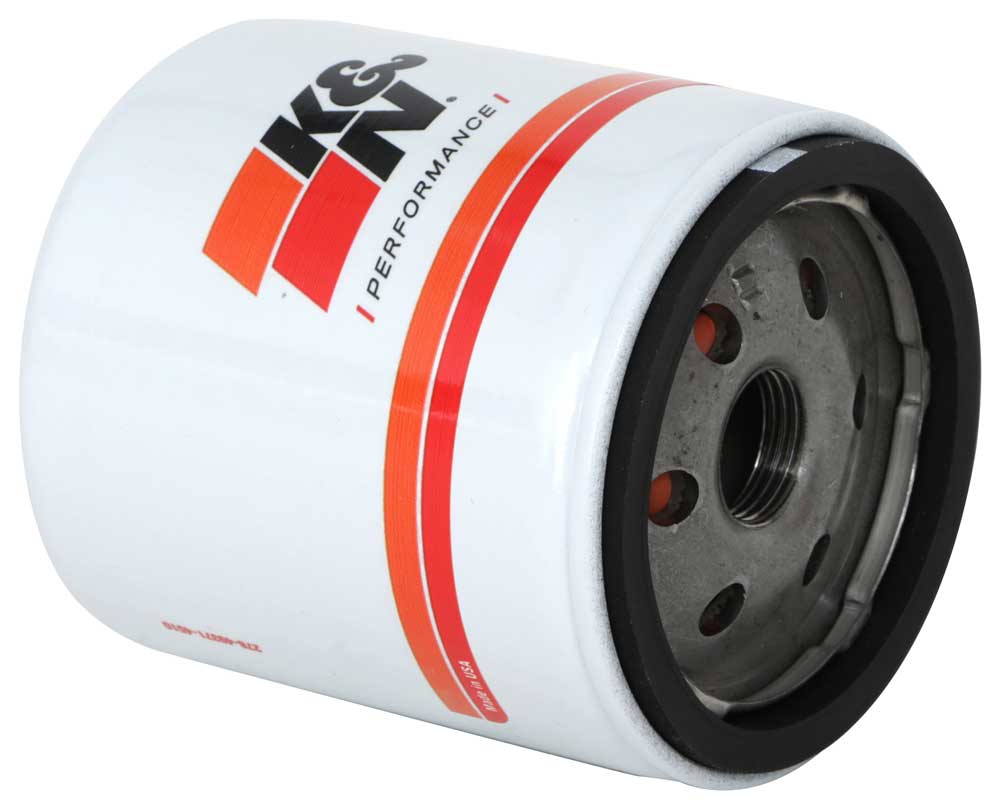
The 2005 Toyota Camry 2.4L has an oil capacity of approximately four to five quarts. It is important to maintain the proper oil level in your vehicle for optimal performance and engine longevity.
We will explore the steps involved in changing the oil and maintaining the oil level in your Toyota Camry. From loosening the oil filler cap to filling the engine with new oil, we will guide you through the process to ensure your vehicle is running smoothly.
Additionally, we will discuss the importance of checking and topping off all fluids to keep your car in top condition. By following these steps, you can keep your Toyota Camry running efficiently and extend its lifespan.
Credit: www.knfilters.com
Credit: m.youtube.com
Frequently Asked Questions On 2005 Toyota Camry 2.4l Oil Capacity
How Much Oil Does A 2.4 L Camry Take?
A 2. 4 L Camry typically requires around four to five quarts of oil for an oil change.
How Much Oil Does A 2.4 Liter Engine Take?
A 2. 4 liter engine typically requires about four to five quarts of oil. Ensure to check your vehicle’s specifications for the exact oil capacity.
How Much Horsepower Does A 2005 Camry 2.4 Have?
The 2005 Camry 2. 4 has a horsepower of 160.
Conclusion
To ensure smooth functioning and optimum performance of your 2005 Toyota Camry 2. 4L engine, it is crucial to know the correct oil capacity. We have provided a comprehensive guide on how to determine and maintain the right oil level for your vehicle.
By following the steps outlined in this blog post, you can confidently handle your car’s oil changes and keep your engine running smoothly for years to come. Remember, a well-maintained engine is the key to a reliable and long-lasting vehicle.