
Recent Posts

Toyota Tundra Weight: How Much Does a Toyota Tundra Weigh?


The Toyota Tundra weight varies significantly based on its configuration. The curb weight of a Tundra typically ranges from 5,000 to 5,700 pounds (lbs), approximately 2,268 to 2,585 kilograms (kg), or about 2.5 to 2.85 tons. The gross vehicle weight rating (GVWR) can reach up to 7,200 lbs, while the payload capacity varies, allowing the Tundra to carry substantial loads. The weight of a Toyota Tundra is influenced by factors like trim level, cab style, bed length, and engine type.

Weight Comparison Across Generations

First Generation (2000-2006)

The weight of a Toyota Tundra from the first generation varies depending on the model year and specifications. For example, the 2001 and 2002 Toyota Tundra weight are similar, with curb weights ranging from approximately 4,150 to 4,800 lbs. The 2003 Toyota Tundra weight also falls within this range, with the 2003 Toyota Tundra V6 specs showing a lighter weight compared to the V8 models. The 2003 Toyota Tundra V8 specs indicate a heavier vehicle due to the larger engine size.

Second Generation (2007-2021)

The second-generation Tundras are generally heavier. The 2007 and 2008 Toyota Tundra weight increased, reflecting enhancements in size and capability. The 2012 Toyota Tundra curb weight is around 5,000 to 5,700 lbs, depending on the configuration. The 2015 Tundra weight continued this trend, with models often exceeding 5,500 lbs.

Third Generation (2022-present)

In the third generation, the 2022 and 2023 Toyota Tundra weight reflect modern design and technology, maintaining a similar weight range to the previous generation. The 2019 Tundra model weight serves as a reference point, typically around 5,600 lbs, showcasing the consistency in tundra truck weight over recent years.

2024 Toyota Tundra Weight

The 2024 Toyota Tundra curb weight ranges from 5095 lbs. to 6185 lbs. depending on the trim.

TrimEngine | Transmission | DrivetrainCurb Weight (Imp.)
SR5 Double Cab 8.1′ Bed Truck3.4L | Twin Turbo | V6 | 10 Spd Auto w/OD | 4WD5,565 lbs.
SR5 Double Cab 6.5′ Bed Truck3.4L | Twin Turbo | V6 | 10 Spd Auto w/OD | 4WD5,380 lbs.
SR5 CrewMax 6.5′ Bed Truck3.4L | Twin Turbo | V6 | 10 Spd Auto w/OD | 4WD5,620 lbs.
SR5 CrewMax 5.5′ Bed Truck3.4L | Twin Turbo | V6 | 10 Spd Auto w/OD | 4WD5,390 lbs.
SR Double Cab 8.1′ Bed Truck3.4L | Twin Turbo | V6 | 10 Spd Auto w/OD | 4WD5,565 lbs.
SR Double Cab 6.5′ Bed Truck3.4L | Twin Turbo | V6 | 10 Spd Auto w/OD | 4WD5,380 lbs.
TrimEngine | Transmission | DrivetrainCurb Weight (Imp.)
SR CrewMax 5.5′ Bed Truck3.4L | Twin Turbo | V6 | 10 Spd Auto w/OD | 4WD5,390 lbs.
Platinum CrewMax 6.5′ Bed Truck3.4L | Twin Turbo | Hybrid | V6 | 10 Spd Auto w/OD | 4WD6,185 lbs.
Platinum CrewMax 5.5′ Bed Truck3.4L | Twin Turbo | Hybrid | V6 | 10 Spd Auto w/OD | 4WD6,095 lbs.
Platinum CrewMax 6.5′ Bed Truck3.4L | Twin Turbo | V6 | 10 Spd Auto w/OD | 4WD5,800 lbs.
Platinum CrewMax 5.5′ Bed Truck3.4L | Twin Turbo | V6 | 10 Spd Auto w/OD | 4WD5,620 lbs.
Limited CrewMax 6.5′ Bed Truck3.4L | Twin Turbo | Hybrid | V6 | 10 Spd Auto w/OD | 4WD6,095 lbs.
TrimEngine | Transmission | DrivetrainCurb Weight (Imp.)
Limited CrewMax 5.5′ Bed Truck3.4L | Twin Turbo | Hybrid | V6 | 10 Spd Auto w/OD | 4WD6,010 lbs.
Limited Double Cab 6.5′ Bed Truck3.4L | Twin Turbo | V6 | 10 Spd Auto w/OD | 4WD5,490 lbs.
Limited CrewMax 6.5′ Bed Truck3.4L | Twin Turbo | V6 | 10 Spd Auto w/OD | 4WD5,720 lbs.
Limited CrewMax 5.5′ Bed Truck3.4L | Twin Turbo | V6 | 10 Spd Auto w/OD | 4WD5,490 lbs.
1794 Edition CrewMax 6.5′ Bed Truck3.4L | Twin Turbo | Hybrid | V6 | 10 Spd Auto w/OD | 4WD6,185 lbs.
1794 Edition CrewMax 5.5′ Bed Truck3.4L | Twin Turbo | Hybrid | V6 | 10 Spd Auto w/OD | 4WD6,095 lbs.
TrimEngine | Transmission | DrivetrainCurb Weight (Imp.)
1794 Edition CrewMax 6.5′ Bed Truck3.4L | Twin Turbo | V6 | 10 Spd Auto w/OD | 4WD5,800 lbs.
1794 Edition CrewMax 5.5′ Bed Truck3.4L | Twin Turbo | V6 | 10 Spd Auto w/OD | 4WD5,620 lbs.
SR5 Double Cab 8.1′ Bed Truck3.4L | Twin Turbo | V6 | 10 Spd Auto w/OD | RWD5,290 lbs.
SR5 Double Cab 6.5′ Bed Truck3.4L | Twin Turbo | V6 | 10 Spd Auto w/OD | RWD5,095 lbs.
SR5 CrewMax 6.5′ Bed Truck3.4L | Twin Turbo | V6 | 10 Spd Auto w/OD | RWD5,355 lbs.
SR5 CrewMax 5.5′ Bed Truck3.4L | Twin Turbo | V6 | 10 Spd Auto w/OD | RWD5,160 lbs.
TrimEngine | Transmission | DrivetrainCurb Weight (Imp.)
SR Double Cab 8.1′ Bed Truck3.4L | Twin Turbo | V6 | 10 Spd Auto w/OD | RWD5,290 lbs.
SR Double Cab 6.5′ Bed Truck3.4L | Twin Turbo | V6 | 10 Spd Auto w/OD | RWD5,095 lbs.
SR CrewMax 5.5′ Bed Truck3.4L | Twin Turbo | V6 | 10 Spd Auto w/OD | RWD5,160 lbs.
Platinum CrewMax 6.5′ Bed Truck3.4L | Twin Turbo | Hybrid | V6 | 10 Spd Auto w/OD | RWD5,865 lbs.
Platinum CrewMax 5.5′ Bed Truck3.4L | Twin Turbo | Hybrid | V6 | 10 Spd Auto w/OD | RWD5,800 lbs.
Platinum CrewMax 6.5′ Bed Truck3.4L | Twin Turbo | V6 | 10 Spd Auto w/OD | RWD5,535 lbs.
TrimEngine | Transmission | DrivetrainCurb Weight (Imp.)
Platinum CrewMax 5.5′ Bed Truck3.4L | Twin Turbo | V6 | 10 Spd Auto w/OD | RWD5,325 lbs.
Limited CrewMax 6.5′ Bed Truck3.4L | Twin Turbo | Hybrid | V6 | 10 Spd Auto w/OD | RWD5,785 lbs.
Limited CrewMax 5.5′ Bed Truck3.4L | Twin Turbo | Hybrid | V6 | 10 Spd Auto w/OD | RWD5,710 lbs.
Limited Double Cab 6.5′ Bed Truck3.4L | Twin Turbo | V6 | 10 Spd Auto w/OD | RWD5,215 lbs.
Limited CrewMax 6.5′ Bed Truck3.4L | Twin Turbo | V6 | 10 Spd Auto w/OD | RWD5,465 lbs.
Limited CrewMax 5.5′ Bed Truck3.4L | Twin Turbo | V6 | 10 Spd Auto w/OD | RWD5,245 lbs.
TrimEngine | Transmission | DrivetrainCurb Weight (Imp.)
1794 Edition CrewMax 6.5′ Bed Truck3.4L | Twin Turbo | Hybrid | V6 | 10 Spd Auto w/OD | RWD5,865 lbs.
1794 Edition CrewMax 5.5′ Bed Truck3.4L | Twin Turbo | Hybrid | V6 | 10 Spd Auto w/OD | RWD5,800 lbs.
1794 Edition CrewMax 6.5′ Bed Truck3.4L | Twin Turbo | V6 | 10 Spd Auto w/OD | RWD5,535 lbs.
1794 Edition CrewMax 5.5′ Bed Truck3.4L | Twin Turbo | V6 | 10 Spd Auto w/OD | RWD5,325 lbs.

2023 Tundra gross weight

The 2023 Toyota Tundra curb weight ranges from 5095 lbs. to 6185 lbs. depending on the trim.

TrimEngine | Transmission | DrivetrainCurb Weight (Imp.)
SR5 Double Cab 8.1′ Bed Truck3.4L | Twin Turbo | V6 | 10 Spd Auto w/OD | 4WD5,565 lbs.
SR5 Double Cab 6.5′ Bed Truck3.4L | Twin Turbo | V6 | 10 Spd Auto w/OD | 4WD5,380 lbs.
SR5 CrewMax 6.5′ Bed Truck3.4L | Twin Turbo | V6 | 10 Spd Auto w/OD | 4WD5,620 lbs.
SR5 CrewMax 5.5′ Bed Truck3.4L | Twin Turbo | V6 | 10 Spd Auto w/OD | 4WD5,390 lbs.
SR Double Cab 8.1′ Bed Truck3.4L | Twin Turbo | V6 | 10 Spd Auto w/OD | 4WD5,565 lbs.
SR Double Cab 6.5′ Bed Truck3.4L | Twin Turbo | V6 | 10 Spd Auto w/OD | 4WD5,380 lbs.
TrimEngine | Transmission | DrivetrainCurb Weight (Imp.)
SR CrewMax 5.5′ Bed Truck3.4L | Twin Turbo | V6 | 10 Spd Auto w/OD | 4WD5,390 lbs.
Platinum CrewMax 6.5′ Bed Truck3.4L | Twin Turbo | Hybrid | V6 | 10 Spd Auto w/OD | 4WD6,185 lbs.
Platinum CrewMax 5.5′ Bed Truck3.4L | Twin Turbo | Hybrid | V6 | 10 Spd Auto w/OD | 4WD6,095 lbs.
Platinum CrewMax 6.5′ Bed Truck3.4L | Twin Turbo | V6 | 10 Spd Auto w/OD | 4WD5,800 lbs.
Platinum CrewMax 5.5′ Bed Truck3.4L | Twin Turbo | V6 | 10 Spd Auto w/OD | 4WD5,620 lbs.
Limited CrewMax 6.5′ Bed Truck3.4L | Twin Turbo | Hybrid | V6 | 10 Spd Auto w/OD | 4WD6,095 lbs.
TrimEngine | Transmission | DrivetrainCurb Weight (Imp.)
Limited CrewMax 5.5′ Bed Truck3.4L | Twin Turbo | Hybrid | V6 | 10 Spd Auto w/OD | 4WD6,010 lbs.
Limited Double Cab 6.5′ Bed Truck3.4L | Twin Turbo | V6 | 10 Spd Auto w/OD | 4WD5,490 lbs.
Limited CrewMax 6.5′ Bed Truck3.4L | Twin Turbo | V6 | 10 Spd Auto w/OD | 4WD5,720 lbs.
Limited CrewMax 5.5′ Bed Truck3.4L | Twin Turbo | V6 | 10 Spd Auto w/OD | 4WD5,490 lbs.
1794 Edition CrewMax 6.5′ Bed Truck3.4L | Twin Turbo | Hybrid | V6 | 10 Spd Auto w/OD | 4WD6,185 lbs.
1794 Edition CrewMax 5.5′ Bed Truck3.4L | Twin Turbo | Hybrid | V6 | 10 Spd Auto w/OD | 4WD6,095 lbs.
TrimEngine | Transmission | DrivetrainCurb Weight (Imp.)
1794 Edition CrewMax 6.5′ Bed Truck3.4L | Twin Turbo | V6 | 10 Spd Auto w/OD | 4WD5,800 lbs.
1794 Edition CrewMax 5.5′ Bed Truck3.4L | Twin Turbo | V6 | 10 Spd Auto w/OD | 4WD5,620 lbs.
SR5 Double Cab 8.1′ Bed Truck3.4L | Twin Turbo | V6 | 10 Spd Auto w/OD | RWD5,290 lbs.
SR5 Double Cab 6.5′ Bed Truck3.4L | Twin Turbo | V6 | 10 Spd Auto w/OD | RWD5,095 lbs.
SR5 CrewMax 6.5′ Bed Truck3.4L | Twin Turbo | V6 | 10 Spd Auto w/OD | RWD5,355 lbs.
SR5 CrewMax 5.5′ Bed Truck3.4L | Twin Turbo | V6 | 10 Spd Auto w/OD | RWD5,160 lbs.
TrimEngine | Transmission | DrivetrainCurb Weight (Imp.)
SR Double Cab 8.1′ Bed Truck3.4L | Twin Turbo | V6 | 10 Spd Auto w/OD | RWD5,290 lbs.
SR Double Cab 6.5′ Bed Truck3.4L | Twin Turbo | V6 | 10 Spd Auto w/OD | RWD5,095 lbs.
SR CrewMax 5.5′ Bed Truck3.4L | Twin Turbo | V6 | 10 Spd Auto w/OD | RWD5,160 lbs.
Platinum CrewMax 6.5′ Bed Truck3.4L | Twin Turbo | Hybrid | V6 | 10 Spd Auto w/OD | RWD5,865 lbs.
Platinum CrewMax 5.5′ Bed Truck3.4L | Twin Turbo | Hybrid | V6 | 10 Spd Auto w/OD | RWD5,800 lbs.
Platinum CrewMax 6.5′ Bed Truck3.4L | Twin Turbo | V6 | 10 Spd Auto w/OD | RWD5,535 lbs.
TrimEngine | Transmission | DrivetrainCurb Weight (Imp.)
Platinum CrewMax 5.5′ Bed Truck3.4L | Twin Turbo | V6 | 10 Spd Auto w/OD | RWD5,325 lbs.
Limited CrewMax 6.5′ Bed Truck3.4L | Twin Turbo | Hybrid | V6 | 10 Spd Auto w/OD | RWD5,785 lbs.
Limited CrewMax 5.5′ Bed Truck3.4L | Twin Turbo | Hybrid | V6 | 10 Spd Auto w/OD | RWD5,710 lbs.
Limited Double Cab 6.5′ Bed Truck3.4L | Twin Turbo | V6 | 10 Spd Auto w/OD | RWD5,215 lbs.
Limited CrewMax 6.5′ Bed Truck3.4L | Twin Turbo | V6 | 10 Spd Auto w/OD | RWD5,465 lbs.
Limited CrewMax 5.5′ Bed Truck3.4L | Twin Turbo | V6 | 10 Spd Auto w/OD | RWD5,245 lbs.
TrimEngine | Transmission | DrivetrainCurb Weight (Imp.)
1794 Edition CrewMax 6.5′ Bed Truck3.4L | Twin Turbo | Hybrid | V6 | 10 Spd Auto w/OD | RWD5,865 lbs.
1794 Edition CrewMax 5.5′ Bed Truck3.4L | Twin Turbo | Hybrid | V6 | 10 Spd Auto w/OD | RWD5,800 lbs.
1794 Edition CrewMax 6.5′ Bed Truck3.4L | Twin Turbo | V6 | 10 Spd Auto w/OD | RWD5,535 lbs.
1794 Edition CrewMax 5.5′ Bed Truck3.4L | Twin Turbo | V6 | 10 Spd Auto w/OD | RWD5,325 lbs.
TRD Pro CrewMax 5.5′ Bed 3.5L Truck3.5L | Twin Turbo | Hybrid | V6 | 10 Spd Auto w/OD | 4WD6,015 lbs.
SR5 Double Cab 8.1′ Bed 3.5L Truck3.5L | Twin Turbo | V6 | 10 Spd Auto w/OD | 4WD5,565 lbs.
TrimEngine | Transmission | DrivetrainCurb Weight (Imp.)
SR5 Double Cab 6.5′ Bed 3.5L Truck3.5L | Twin Turbo | V6 | 10 Spd Auto w/OD | 4WD5,380 lbs.
SR5 CrewMax 6.5′ Bed 3.5L Truck3.5L | Twin Turbo | V6 | 10 Spd Auto w/OD | 4WD5,620 lbs.
SR5 CrewMax 5.5′ Bed 3.5L Truck3.5L | Twin Turbo | V6 | 10 Spd Auto w/OD | 4WD5,390 lbs.
SR Double Cab 8.1′ Bed 3.5L Truck3.5L | Twin Turbo | V6 | 10 Spd Auto w/OD | 4WD5,565 lbs.
SR Double Cab 6.5′ Bed 3.5L Truck3.5L | Twin Turbo | V6 | 10 Spd Auto w/OD | 4WD5,380 lbs.
SR CrewMax 5.5′ Bed 3.5L Truck3.5L | Twin Turbo | V6 | 10 Spd Auto w/OD | 4WD5,390 lbs.
TrimEngine | Transmission | DrivetrainCurb Weight (Imp.)
Platinum CrewMax 6.5′ Bed 3.5L Truck3.5L | Twin Turbo | Hybrid | V6 | 10 Spd Auto w/OD | 4WD6,185 lbs.
Platinum CrewMax 5.5′ Bed 3.5L Truck3.5L | Twin Turbo | Hybrid | V6 | 10 Spd Auto w/OD | 4WD6,095 lbs.
Platinum CrewMax 6.5′ Bed 3.5L Truck3.5L | Twin Turbo | V6 | 10 Spd Auto w/OD | 4WD5,800 lbs.
Platinum CrewMax 5.5′ Bed 3.5L Truck3.5L | Twin Turbo | V6 | 10 Spd Auto w/OD | 4WD5,620 lbs.
Limited CrewMax 6.5′ Bed 3.5L Truck3.5L | Twin Turbo | Hybrid | V6 | 10 Spd Auto w/OD | 4WD6,095 lbs.
Limited CrewMax 5.5′ Bed 3.5L Truck3.5L | Twin Turbo | Hybrid | V6 | 10 Spd Auto w/OD | 4WD6,010 lbs.
TrimEngine | Transmission | DrivetrainCurb Weight (Imp.)
Limited Double Cab 6.5′ Bed 3.5L Truck3.5L | Twin Turbo | V6 | 10 Spd Auto w/OD | 4WD5,490 lbs.
Limited CrewMax 6.5′ Bed 3.5L Truck3.5L | Twin Turbo | V6 | 10 Spd Auto w/OD | 4WD5,720 lbs.
Limited CrewMax 5.5′ Bed 3.5L Truck3.5L | Twin Turbo | V6 | 10 Spd Auto w/OD | 4WD5,490 lbs.
Capstone CrewMax 5.5′ Bed 3.5L Truck3.5L | Twin Turbo | Hybrid | V6 | 10 Spd Auto w/OD | 4WD6,185 lbs.
1794 Edition CrewMax 6.5′ Bed 3.5L Truck3.5L | Twin Turbo | Hybrid | V6 | 10 Spd Auto w/OD | 4WD6,185 lbs.
1794 Edition CrewMax 5.5′ Bed 3.5L Truck3.5L | Twin Turbo | Hybrid | V6 | 10 Spd Auto w/OD | 4WD6,095 lbs.
TrimEngine | Transmission | DrivetrainCurb Weight (Imp.)
1794 Edition CrewMax 6.5′ Bed 3.5L Truck3.5L | Twin Turbo | V6 | 10 Spd Auto w/OD | 4WD5,800 lbs.
1794 Edition CrewMax 5.5′ Bed 3.5L Truck3.5L | Twin Turbo | V6 | 10 Spd Auto w/OD | 4WD5,620 lbs.
SR5 Double Cab 8.1′ Bed 3.5L Truck3.5L | Twin Turbo | V6 | 10 Spd Auto w/OD | RWD5,290 lbs.
SR5 Double Cab 6.5′ Bed 3.5L Truck3.5L | Twin Turbo | V6 | 10 Spd Auto w/OD | RWD5,095 lbs.
SR5 CrewMax 6.5′ Bed 3.5L Truck3.5L | Twin Turbo | V6 | 10 Spd Auto w/OD | RWD5,355 lbs.
SR5 CrewMax 5.5′ Bed 3.5L Truck3.5L | Twin Turbo | V6 | 10 Spd Auto w/OD | RWD5,160 lbs.
TrimEngine | Transmission | DrivetrainCurb Weight (Imp.)
SR Double Cab 8.1′ Bed 3.5L Truck3.5L | Twin Turbo | V6 | 10 Spd Auto w/OD | RWD5,290 lbs.
SR Double Cab 6.5′ Bed 3.5L Truck3.5L | Twin Turbo | V6 | 10 Spd Auto w/OD | RWD5,095 lbs.
SR CrewMax 5.5′ Bed 3.5L Truck3.5L | Twin Turbo | V6 | 10 Spd Auto w/OD | RWD5,160 lbs.
Platinum CrewMax 6.5′ Bed 3.5L Truck3.5L | Twin Turbo | Hybrid | V6 | 10 Spd Auto w/OD | RWD5,865 lbs.
Platinum CrewMax 5.5′ Bed 3.5L Truck3.5L | Twin Turbo | Hybrid | V6 | 10 Spd Auto w/OD | RWD5,800 lbs.
Platinum CrewMax 6.5′ Bed 3.5L Truck3.5L | Twin Turbo | V6 | 10 Spd Auto w/OD | RWD5,535 lbs.
TrimEngine | Transmission | DrivetrainCurb Weight (Imp.)
Platinum CrewMax 5.5′ Bed 3.5L Truck3.5L | Twin Turbo | V6 | 10 Spd Auto w/OD | RWD5,325 lbs.
Limited CrewMax 6.5′ Bed 3.5L Truck3.5L | Twin Turbo | Hybrid | V6 | 10 Spd Auto w/OD | RWD5,785 lbs.
Limited CrewMax 5.5′ Bed 3.5L Truck3.5L | Twin Turbo | Hybrid | V6 | 10 Spd Auto w/OD | RWD5,710 lbs.
Limited Double Cab 6.5′ Bed 3.5L Truck3.5L | Twin Turbo | V6 | 10 Spd Auto w/OD | RWD5,215 lbs.
Limited CrewMax 6.5′ Bed 3.5L Truck3.5L | Twin Turbo | V6 | 10 Spd Auto w/OD | RWD5,465 lbs.
Limited CrewMax 5.5′ Bed 3.5L Truck3.5L | Twin Turbo | V6 | 10 Spd Auto w/OD | RWD5,245 lbs.
TrimEngine | Transmission | DrivetrainCurb Weight (Imp.)
1794 Edition CrewMax 6.5′ Bed 3.5L Truck3.5L | Twin Turbo | Hybrid | V6 | 10 Spd Auto w/OD | RWD5,865 lbs.
1794 Edition CrewMax 5.5′ Bed 3.5L Truck3.5L | Twin Turbo | Hybrid | V6 | 10 Spd Auto w/OD | RWD5,800 lbs.
1794 Edition CrewMax 6.5′ Bed 3.5L Truck3.5L | Twin Turbo | V6 | 10 Spd Auto w/OD | RWD5,535 lbs.
1794 Edition CrewMax 5.5′ Bed 3.5L Truck3.5L | Twin Turbo | V6 | 10 Spd Auto w/OD | RWD5,325 lbs.

How much does 2022 Toyota Tundra Weigh?

The 2022 Toyota Tundra curb weight ranges from 5095 lbs. to 6185 lbs. depending on the trim.

TrimEngine | Transmission | DrivetrainCurb Weight (Imp.)
TRD Pro CrewMax 5.5′ Bed 3.5L Truck3.5L | Twin Turbo | Hybrid | V6 | 10 Spd Auto w/OD | 4WD6,015 lbs.
SR5 Double Cab 8.1′ Bed 3.5L Truck3.5L | Twin Turbo | V6 | 10 Spd Auto w/OD | 4WD5,565 lbs.
SR5 Double Cab 6.5′ Bed 3.5L Truck3.5L | Twin Turbo | V6 | 10 Spd Auto w/OD | 4WD5,380 lbs.
SR5 CrewMax 6.5′ Bed 3.5L Truck3.5L | Twin Turbo | V6 | 10 Spd Auto w/OD | 4WD5,620 lbs.
SR5 CrewMax 5.5′ Bed 3.5L Truck3.5L | Twin Turbo | V6 | 10 Spd Auto w/OD | 4WD5,390 lbs.
SR Double Cab 8.1′ Bed 3.5L Truck3.5L | Twin Turbo | V6 | 10 Spd Auto w/OD | 4WD5,565 lbs.
TrimEngine | Transmission | DrivetrainCurb Weight (Imp.)
SR Double Cab 6.5′ Bed 3.5L Truck3.5L | Twin Turbo | V6 | 10 Spd Auto w/OD | 4WD5,380 lbs.
SR CrewMax 5.5′ Bed 3.5L Truck3.5L | Twin Turbo | V6 | 10 Spd Auto w/OD | 4WD5,390 lbs.
Platinum CrewMax 6.5′ Bed 3.5L Truck3.5L | Twin Turbo | Hybrid | V6 | 10 Spd Auto w/OD | 4WD6,185 lbs.
Platinum CrewMax 5.5′ Bed 3.5L Truck3.5L | Twin Turbo | Hybrid | V6 | 10 Spd Auto w/OD | 4WD6,095 lbs.
Platinum CrewMax 6.5′ Bed 3.5L Truck3.5L | Twin Turbo | V6 | 10 Spd Auto w/OD | 4WD5,800 lbs.
Platinum CrewMax 5.5′ Bed 3.5L Truck3.5L | Twin Turbo | V6 | 10 Spd Auto w/OD | 4WD5,620 lbs.
TrimEngine | Transmission | DrivetrainCurb Weight (Imp.)
Limited CrewMax 6.5′ Bed 3.5L Truck3.5L | Twin Turbo | Hybrid | V6 | 10 Spd Auto w/OD | 4WD6,095 lbs.
Limited CrewMax 5.5′ Bed 3.5L Truck3.5L | Twin Turbo | Hybrid | V6 | 10 Spd Auto w/OD | 4WD6,010 lbs.
Limited Double Cab 6.5′ Bed 3.5L Truck3.5L | Twin Turbo | V6 | 10 Spd Auto w/OD | 4WD5,490 lbs.
Limited CrewMax 6.5′ Bed 3.5L Truck3.5L | Twin Turbo | V6 | 10 Spd Auto w/OD | 4WD5,720 lbs.
Limited CrewMax 5.5′ Bed 3.5L Truck3.5L | Twin Turbo | V6 | 10 Spd Auto w/OD | 4WD5,490 lbs.
Capstone CrewMax 5.5′ Bed 3.5L Truck3.5L | Twin Turbo | Hybrid | V6 | 10 Spd Auto w/OD | 4WD6,185 lbs.
TrimEngine | Transmission | DrivetrainCurb Weight (Imp.)
1794 Edition CrewMax 6.5′ Bed 3.5L Truck3.5L | Twin Turbo | Hybrid | V6 | 10 Spd Auto w/OD | 4WD6,185 lbs.
1794 Edition CrewMax 5.5′ Bed 3.5L Truck3.5L | Twin Turbo | Hybrid | V6 | 10 Spd Auto w/OD | 4WD6,095 lbs.
1794 Edition CrewMax 6.5′ Bed 3.5L Truck3.5L | Twin Turbo | V6 | 10 Spd Auto w/OD | 4WD5,800 lbs.
1794 Edition CrewMax 5.5′ Bed 3.5L Truck3.5L | Twin Turbo | V6 | 10 Spd Auto w/OD | 4WD5,620 lbs.
SR5 Double Cab 8.1′ Bed 3.5L Truck3.5L | Twin Turbo | V6 | 10 Spd Auto w/OD | RWD5,290 lbs.
SR5 Double Cab 6.5′ Bed 3.5L Truck3.5L | Twin Turbo | V6 | 10 Spd Auto w/OD | RWD5,095 lbs.
TrimEngine | Transmission | DrivetrainCurb Weight (Imp.)
SR5 CrewMax 6.5′ Bed 3.5L Truck3.5L | Twin Turbo | V6 | 10 Spd Auto w/OD | RWD5,355 lbs.
SR5 CrewMax 5.5′ Bed 3.5L Truck3.5L | Twin Turbo | V6 | 10 Spd Auto w/OD | RWD5,160 lbs.
SR Double Cab 8.1′ Bed 3.5L Truck3.5L | Twin Turbo | V6 | 10 Spd Auto w/OD | RWD5,290 lbs.
SR Double Cab 6.5′ Bed 3.5L Truck3.5L | Twin Turbo | V6 | 10 Spd Auto w/OD | RWD5,095 lbs.
SR CrewMax 5.5′ Bed 3.5L Truck3.5L | Twin Turbo | V6 | 10 Spd Auto w/OD | RWD5,160 lbs.
Platinum CrewMax 6.5′ Bed 3.5L Truck3.5L | Twin Turbo | Hybrid | V6 | 10 Spd Auto w/OD | RWD5,865 lbs.
TrimEngine | Transmission | DrivetrainCurb Weight (Imp.)
Platinum CrewMax 5.5′ Bed 3.5L Truck3.5L | Twin Turbo | Hybrid | V6 | 10 Spd Auto w/OD | RWD5,800 lbs.
Platinum CrewMax 6.5′ Bed 3.5L Truck3.5L | Twin Turbo | V6 | 10 Spd Auto w/OD | RWD5,535 lbs.
Platinum CrewMax 5.5′ Bed 3.5L Truck3.5L | Twin Turbo | V6 | 10 Spd Auto w/OD | RWD5,325 lbs.
Limited CrewMax 6.5′ Bed 3.5L Truck3.5L | Twin Turbo | Hybrid | V6 | 10 Spd Auto w/OD | RWD5,785 lbs.
Limited CrewMax 5.5′ Bed 3.5L Truck3.5L | Twin Turbo | Hybrid | V6 | 10 Spd Auto w/OD | RWD5,710 lbs.
Limited Double Cab 6.5′ Bed 3.5L Truck3.5L | Twin Turbo | V6 | 10 Spd Auto w/OD | RWD5,215 lbs.
TrimEngine | Transmission | DrivetrainCurb Weight (Imp.)
Limited CrewMax 6.5′ Bed 3.5L Truck3.5L | Twin Turbo | V6 | 10 Spd Auto w/OD | RWD5,465 lbs.
Limited CrewMax 5.5′ Bed 3.5L Truck3.5L | Twin Turbo | V6 | 10 Spd Auto w/OD | RWD5,245 lbs.
1794 Edition CrewMax 6.5′ Bed 3.5L Truck3.5L | Twin Turbo | Hybrid | V6 | 10 Spd Auto w/OD | RWD5,865 lbs.
1794 Edition CrewMax 5.5′ Bed 3.5L Truck3.5L | Twin Turbo | Hybrid | V6 | 10 Spd Auto w/OD | RWD5,800 lbs.
1794 Edition CrewMax 6.5′ Bed 3.5L Truck3.5L | Twin Turbo | V6 | 10 Spd Auto w/OD | RWD5,535 lbs.
1794 Edition CrewMax 5.5′ Bed 3.5L Truck3.5L | Twin Turbo | V6 | 10 Spd Auto w/OD | RWD5,325 lbs.

2021 Toyota Tundra Gross Vehicle Weight

The 2021 Toyota Tundra curb weight ranges from 5170 lbs. to 5680 lbs. depending on the trim.

TrimEngine | Transmission | DrivetrainCurb Weight (Imp.)
TRD Pro Double Cab Truck5.7L | V8 | 6 Spd Auto w/OD | 4WD5,470 lbs.
TRD Pro Crew Cab Truck5.7L | V8 | 6 Spd Auto w/OD | 4WD5,640 lbs.
SR5 Double Cab Truck5.7L | V8 | 6 Spd Auto w/OD | 4WD5,470 lbs.
SR5 CrewMax Truck5.7L | V8 | 6 Spd Auto w/OD | 4WD5,640 lbs.
SR Double Cab Truck5.7L | V8 | 6 Spd Auto w/OD | 4WD5,470 lbs.
Platinum CrewMax Truck5.7L | V8 | 6 Spd Auto w/OD | 4WD5,670 lbs.
TrimEngine | Transmission | DrivetrainCurb Weight (Imp.)
Limited Double Cab Truck5.7L | V8 | 6 Spd Auto w/OD | 4WD5,530 lbs.
Limited CrewMax Truck5.7L | V8 | 6 Spd Auto w/OD | 4WD5,680 lbs.
1794 Edition CrewMax Truck5.7L | V8 | 6 Spd Auto w/OD | 4WD5,670 lbs.
SR5 Double Cab Truck5.7L | V8 | 6 Spd Auto w/OD | RWD5,170 lbs.
SR5 CrewMax Truck5.7L | V8 | 6 Spd Auto w/OD | RWD5,340 lbs.
SR Double Cab Truck5.7L | V8 | 6 Spd Auto w/OD | RWD5,170 lbs.
TrimEngine | Transmission | DrivetrainCurb Weight (Imp.)
Platinum CrewMax Truck5.7L | V8 | 6 Spd Auto w/OD | RWD5,380 lbs.
Limited Double Cab Truck5.7L | V8 | 6 Spd Auto w/OD | RWD5,240 lbs.
Limited CrewMax Truck5.7L | V8 | 6 Spd Auto w/OD | RWD5,380 lbs.
1794 Edition CrewMax Truck5.7L | V8 | 6 Spd Auto w/OD | RWD5,380 lbs.

2020 Toyota Tundra Gross Weight

The 2020 Toyota Tundra curb weight ranges from 6900 lbs. to 7200 lbs. depending on the trim.

TrimEngine | Transmission | DrivetrainCurb Weight (Imp.)
TRD Pro Double Cab5.7L | V8 | 6 Spd Auto w/OD | 4WD7,100 lbs.
TRD Pro Crew Cab5.7L | V8 | 6 Spd Auto w/OD | 4WD7,200 lbs.
SR5 Double Cab5.7L | V8 | 6 Spd Auto w/OD | 4WD7,100 lbs.
SR5 CrewMax5.7L | V8 | 6 Spd Auto w/OD | 4WD7,200 lbs.
SR Double Cab5.7L | V8 | 6 Spd Auto w/OD | 4WD7,100 lbs.
Platinum CrewMax5.7L | V8 | 6 Spd Auto w/OD | 4WD7,200 lbs.
TrimEngine | Transmission | DrivetrainCurb Weight (Imp.)
Limited Double Cab5.7L | V8 | 6 Spd Auto w/OD | 4WD7,100 lbs.
Limited CrewMax5.7L | V8 | 6 Spd Auto w/OD | 4WD7,200 lbs.
1794 Edition CrewMax5.7L | V8 | 6 Spd Auto w/OD | 4WD7,200 lbs.
SR5 Double Cab5.7L | V8 | 6 Spd Auto w/OD | RWD6,900 lbs.
SR5 CrewMax5.7L | V8 | 6 Spd Auto w/OD | RWD7,000 lbs.
SR Double Cab5.7L | V8 | 6 Spd Auto w/OD | RWD6,900 lbs.
TrimEngine | Transmission | DrivetrainCurb Weight (Imp.)
Platinum CrewMax5.7L | V8 | 6 Spd Auto w/OD | RWD7,000 lbs.
Limited Double Cab5.7L | V8 | 6 Spd Auto w/OD | RWD6,900 lbs.
Limited CrewMax5.7L | V8 | 6 Spd Auto w/OD | RWD7,000 lbs.
1794 Edition CrewMax5.7L | V8 | 6 Spd Auto w/OD | RWD7,000 lbs.
TRD Pro Double Cab 6.5′ Bed 5.7L5.7L | V8 | 6 Spd Auto w/OD | 4WD7,100 lbs.
TRD Pro CrewMax 5.5′ Bed 5.7L5.7L | V8 | 6 Spd Auto w/OD | 4WD7,200 lbs.
TrimEngine | Transmission | DrivetrainCurb Weight (Imp.)
SR5 Double Cab 8.1′ Bed 5.7L5.7L | V8 | 6 Spd Auto w/OD | 4WD7,200 lbs.
SR5 Double Cab 6.5′ Bed 5.7L5.7L | V8 | 6 Spd Auto w/OD | 4WD7,100 lbs.
SR5 CrewMax 5.5′ Bed 5.7L5.7L | V8 | 6 Spd Auto w/OD | 4WD7,200 lbs.
SR Double Cab 8.1′ Bed 5.7L5.7L | V8 | 6 Spd Auto w/OD | 4WD7,200 lbs.
SR Double Cab 6.5′ Bed 5.7L5.7L | V8 | 6 Spd Auto w/OD | 4WD7,100 lbs.
Platinum CrewMax 5.5′ Bed 5.7L5.7L | V8 | 6 Spd Auto w/OD | 4WD7,200 lbs.
TrimEngine | Transmission | DrivetrainCurb Weight (Imp.)
Limited Double Cab 6.5′ Bed 5.7L5.7L | V8 | 6 Spd Auto w/OD | 4WD7,100 lbs.
Limited CrewMax 5.5′ Bed 5.7L5.7L | V8 | 6 Spd Auto w/OD | 4WD7,200 lbs.
1794 Edition CrewMax 5.5′ Bed 5.7L5.7L | V8 | 6 Spd Auto w/OD | 4WD7,200 lbs.
SR5 Double Cab 8.1′ Bed 5.7L5.7L | V8 | 6 Spd Auto w/OD | RWD7,000 lbs.
SR5 Double Cab 6.5′ Bed 5.7L5.7L | V8 | 6 Spd Auto w/OD | RWD6,900 lbs.
SR5 CrewMax 5.5′ Bed 5.7L5.7L | V8 | 6 Spd Auto w/OD | RWD7,000 lbs.
TrimEngine | Transmission | DrivetrainCurb Weight (Imp.)
SR Double Cab 8.1′ Bed 5.7L5.7L | V8 | 6 Spd Auto w/OD | RWD7,000 lbs.
SR Double Cab 6.5′ Bed 5.7L5.7L | V8 | 6 Spd Auto w/OD | RWD6,900 lbs.
Platinum CrewMax 5.5′ Bed 5.7L5.7L | V8 | 6 Spd Auto w/OD | RWD7,000 lbs.
Limited Double Cab 6.5′ Bed 5.7L5.7L | V8 | 6 Spd Auto w/OD | RWD6,900 lbs.
Limited CrewMax 5.5′ Bed 5.7L5.7L | V8 | 6 Spd Auto w/OD | RWD7,000 lbs.
1794 Edition CrewMax 5.5′ Bed 5.7L5.7L | V8 | 6 Spd Auto w/OD | RWD7,000 lbs.

How much does a 2019 Toyota Tundra weight?

The 2019 Toyota Tundra curb weight ranges from 6700 lbs. to 7200 lbs. depending on the trim.

TrimEngine | Transmission | DrivetrainCurb Weight (Imp.)
TRD Pro Crew Cab5.7L | V8 | 6 Spd Auto w/OD | 4WD7,200 lbs.
SR5 Double Cab4.6L | V8 | 6 Spd Auto w/OD | 4WD6,900 lbs.
SR5 CrewMax4.6L | V8 | 6 Spd Auto w/OD | 4WD7,000 lbs.
SR Double Cab4.6L | V8 | 6 Spd Auto w/OD | 4WD6,900 lbs.
Platinum CrewMax5.7L | V8 | 6 Spd Auto w/OD | 4WD7,200 lbs.
Limited Double Cab5.7L | V8 | 6 Spd Auto w/OD | 4WD7,100 lbs.
TrimEngine | Transmission | DrivetrainCurb Weight (Imp.)
Limited CrewMax5.7L | V8 | 6 Spd Auto w/OD | 4WD7,200 lbs.
1794 Edition CrewMax5.7L | V8 | 6 Spd Auto w/OD | 4WD7,200 lbs.
SR5 Double Cab4.6L | V8 | 6 Spd Auto w/OD | RWD6,700 lbs.
SR5 CrewMax4.6L | V8 | 6 Spd Auto w/OD | RWD6,800 lbs.
SR Double Cab4.6L | V8 | 6 Spd Auto w/OD | RWD6,700 lbs.
Platinum CrewMax5.7L | V8 | 6 Spd Auto w/OD | RWD7,000 lbs.
TrimEngine | Transmission | DrivetrainCurb Weight (Imp.)
Limited Double Cab5.7L | V8 | 6 Spd Auto w/OD | RWD6,900 lbs.
Limited CrewMax5.7L | V8 | 6 Spd Auto w/OD | RWD7,000 lbs.
1794 Edition CrewMax5.7L | V8 | 6 Spd Auto w/OD | RWD7,000 lbs.
TRD Pro CrewMax 5.5′ Bed 5.7L5.7L | V8 | 6 Spd Auto w/OD | 4WD7,200 lbs.
SR5 Double Cab 8.1′ Bed 5.7L5.7L | V8 | 6 Spd Auto w/OD | 4WD7,200 lbs.
SR5 Double Cab 6.5′ Bed 5.7L FFV5.7L | V8 | 6 Spd Auto w/OD | 4WD7,100 lbs.
TrimEngine | Transmission | DrivetrainCurb Weight (Imp.)
SR5 Double Cab 6.5′ Bed 5.7L5.7L | V8 | 6 Spd Auto w/OD | 4WD7,100 lbs.
SR5 Double Cab 6.5′ Bed 4.6L4.6L | V8 | 6 Spd Auto w/OD | 4WD6,900 lbs.
SR5 CrewMax 5.5′ Bed 5.7L FFV5.7L | V8 | 6 Spd Auto w/OD | 4WD7,200 lbs.
SR5 CrewMax 5.5′ Bed 5.7L5.7L | V8 | 6 Spd Auto w/OD | 4WD7,200 lbs.
SR5 CrewMax 5.5′ Bed 4.6L4.6L | V8 | 6 Spd Auto w/OD | 4WD7,000 lbs.
SR Double Cab 8.1′ Bed 5.7L5.7L | V8 | 6 Spd Auto w/OD | 4WD7,200 lbs.
TrimEngine | Transmission | DrivetrainCurb Weight (Imp.)
SR Double Cab 6.5′ Bed 5.7L5.7L | V8 | 6 Spd Auto w/OD | 4WD7,100 lbs.
SR Double Cab 6.5′ Bed 4.6L4.6L | V8 | 6 Spd Auto w/OD | 4WD6,900 lbs.
Platinum CrewMax 5.5′ Bed 5.7L5.7L | V8 | 6 Spd Auto w/OD | 4WD7,200 lbs.
Limited Double Cab 6.5′ Bed 5.7L5.7L | V8 | 6 Spd Auto w/OD | 4WD7,100 lbs.
Limited CrewMax 5.5′ Bed 5.7L5.7L | V8 | 6 Spd Auto w/OD | 4WD7,200 lbs.
1794 Edition CrewMax 5.5′ Bed 5.7L5.7L | V8 | 6 Spd Auto w/OD | 4WD7,200 lbs.
TrimEngine | Transmission | DrivetrainCurb Weight (Imp.)
SR5 Double Cab 8.1′ Bed 5.7L5.7L | V8 | 6 Spd Auto w/OD | RWD7,000 lbs.
SR5 Double Cab 6.5′ Bed 5.7L5.7L | V8 | 6 Spd Auto w/OD | RWD6,900 lbs.
SR5 Double Cab 6.5′ Bed 4.6L4.6L | V8 | 6 Spd Auto w/OD | RWD6,700 lbs.
SR5 CrewMax 5.5′ Bed 5.7L5.7L | V8 | 6 Spd Auto w/OD | RWD7,000 lbs.
SR5 CrewMax 5.5′ Bed 4.6L4.6L | V8 | 6 Spd Auto w/OD | RWD6,800 lbs.
SR Double Cab 8.1′ Bed 5.7L5.7L | V8 | 6 Spd Auto w/OD | RWD7,000 lbs.
TrimEngine | Transmission | DrivetrainCurb Weight (Imp.)
SR Double Cab 6.5′ Bed 5.7L5.7L | V8 | 6 Spd Auto w/OD | RWD6,900 lbs.
SR Double Cab 6.5′ Bed 4.6L4.6L | V8 | 6 Spd Auto w/OD | RWD6,700 lbs.
Platinum CrewMax 5.5′ Bed 5.7L5.7L | V8 | 6 Spd Auto w/OD | RWD7,000 lbs.
Limited Double Cab 6.5′ Bed 5.7L5.7L | V8 | 6 Spd Auto w/OD | RWD6,900 lbs.
Limited CrewMax 5.5′ Bed 5.7L5.7L | V8 | 6 Spd Auto w/OD | RWD7,000 lbs.
1794 Edition CrewMax 5.5′ Bed 5.7L5.7L | V8 | 6 Spd Auto w/OD | RWD7,000 lbs.

2018 Toyota Tundra CrewMax curb weight

The 2018 Toyota Tundra curb weight ranges from 6700 lbs. to 7200 lbs. depending on the trim.

TrimEngine | Transmission | DrivetrainCurb Weight (Imp.)
SR5 Double Cab4.6L | V8 | 6 Spd Auto w/OD | 4WD6,900 lbs.
SR5 CrewMax4.6L | V8 | 6 Spd Auto w/OD | 4WD7,000 lbs.
SR Double Cab4.6L | V8 | 6 Spd Auto w/OD | 4WD6,900 lbs.
Platinum CrewMax5.7L | V8 | 6 Spd Auto w/OD | 4WD7,200 lbs.
Limited Double Cab5.7L | V8 | 6 Spd Auto w/OD | 4WD7,100 lbs.
Limited CrewMax5.7L | V8 | 6 Spd Auto w/OD | 4WD7,200 lbs.
TrimEngine | Transmission | DrivetrainCurb Weight (Imp.)
1794 Edition CrewMax5.7L | V8 | 6 Spd Auto w/OD | 4WD7,200 lbs.
SR5 Double Cab4.6L | V8 | 6 Spd Auto w/OD | RWD6,700 lbs.
SR5 CrewMax4.6L | V8 | 6 Spd Auto w/OD | RWD6,800 lbs.
SR Double Cab4.6L | V8 | 6 Spd Auto w/OD | RWD6,700 lbs.
Platinum CrewMax5.7L | V8 | 6 Spd Auto w/OD | RWD7,000 lbs.
Limited Double Cab5.7L | V8 | 6 Spd Auto w/OD | RWD6,900 lbs.
TrimEngine | Transmission | DrivetrainCurb Weight (Imp.)
Limited CrewMax5.7L | V8 | 6 Spd Auto w/OD | RWD7,000 lbs.
1794 Edition CrewMax5.7L | V8 | 6 Spd Auto w/OD | RWD7,000 lbs.

2017 Toyota Tundra Weight Capacity

The 2017 Toyota Tundra curb weight ranges from 6800 lbs. to 7200 lbs. depending on the trim.

TrimEngine | Transmission | DrivetrainCurb Weight (Imp.)
TRD Pro Double Cab5.7L | V8 | 6 Spd Auto w/OD | 4WD7,100 lbs.
TRD Pro CrewMax5.7L | V8 | 6 Spd Auto w/OD | 4WD7,200 lbs.
SR5 Double Cab4.6L | V8 | 6 Spd Auto w/OD | 4WD6,900 lbs.
SR5 CrewMax5.7L | V8 | 6 Spd Auto w/OD | 4WD7,200 lbs.
SR Double Cab4.6L | V8 | 6 Spd Auto w/OD | 4WD6,900 lbs.
SR5.7L | V8 | 6 Spd Auto w/OD | 4WD7,200 lbs.
TrimEngine | Transmission | DrivetrainCurb Weight (Imp.)
Platinum CrewMax5.7L | V8 | 6 Spd Auto w/OD | 4WD7,200 lbs.
Limited Double Cab5.7L | V8 | 6 Spd Auto w/OD | 4WD7,100 lbs.
Limited CrewMax5.7L | V8 | 6 Spd Auto w/OD | 4WD7,200 lbs.
1794 Edition CrewMax5.7L | V8 | 6 Spd Auto w/OD | 4WD7,200 lbs.
SR5 Double Cab5.7L | V8 | 6 Spd Auto w/OD | RWD6,900 lbs.
SR5 CrewMax4.6L | V8 | 6 Spd Auto w/OD | RWD6,800 lbs.
TrimEngine | Transmission | DrivetrainCurb Weight (Imp.)
SR Double Cab5.7L | V8 | 6 Spd Auto w/OD | RWD7,000 lbs.
SR5.7L | V8 | 6 Spd Auto w/OD | RWD7,000 lbs.
Platinum CrewMax5.7L | V8 | 6 Spd Auto w/OD | RWD7,000 lbs.
Limited Double Cab5.7L | V8 | 6 Spd Auto w/OD | RWD6,900 lbs.
Limited CrewMax5.7L | V8 | 6 Spd Auto w/OD | RWD7,000 lbs.
1794 Edition CrewMax5.7L | V8 | 6 Spd Auto w/OD | RWD7,000 lbs.

2017 Toyota Tundra Weight Capacity

The 2016 Toyota Tundra curb weight ranges from 6800 lbs. to 7200 lbs. depending on the trim.

TrimEngine | Transmission | DrivetrainCurb Weight (Imp.)
TRD Pro Double Cab Truck5.7L | V8 | 6 Spd Auto w/OD | 4WD7,100 lbs.
TRD Pro CrewMax Truck5.7L | V8 | 6 Spd Auto w/OD | 4WD7,200 lbs.
SR5 Double Cab Truck4.6L | V8 | 6 Spd Auto w/OD | 4WD6,900 lbs.
SR5 CrewMax Truck5.7L | V8 | 6 Spd Auto w/OD | 4WD7,200 lbs.
SR Double Cab Truck4.6L | V8 | 6 Spd Auto w/OD | 4WD6,900 lbs.
SR Truck5.7L | V8 | 6 Spd Auto w/OD | 4WD7,200 lbs.
TrimEngine | Transmission | DrivetrainCurb Weight (Imp.)
Platinum CrewMax Truck5.7L | V8 | 6 Spd Auto w/OD | 4WD7,200 lbs.
Limited Double Cab Truck5.7L | V8 | 6 Spd Auto w/OD | 4WD7,100 lbs.
Limited CrewMax Truck5.7L | V8 | 6 Spd Auto w/OD | 4WD7,200 lbs.
1794 Edition CrewMax Truck5.7L | V8 | 6 Spd Auto w/OD | 4WD7,200 lbs.
SR5 Double Cab Truck5.7L | V8 | 6 Spd Auto w/OD | RWD6,900 lbs.
SR5 CrewMax Truck4.6L | V8 | 6 Spd Auto w/OD | RWD6,800 lbs.
TrimEngine | Transmission | DrivetrainCurb Weight (Imp.)
SR Double Cab Truck5.7L | V8 | 6 Spd Auto w/OD | RWD7,000 lbs.
SR Truck5.7L | V8 | 6 Spd Auto w/OD | RWD7,000 lbs.
Platinum CrewMax Truck5.7L | V8 | 6 Spd Auto w/OD | RWD7,000 lbs.
Limited Double Cab Truck5.7L | V8 | 6 Spd Auto w/OD | RWD6,900 lbs.
Limited CrewMax Truck5.7L | V8 | 6 Spd Auto w/OD | RWD7,000 lbs.
1794 Edition CrewMax Truck5.7L | V8 | 6 Spd Auto w/OD | RWD7,000 lbs.

2015 Toyota Tundra Weight Capacity

The 2015 Toyota Tundra curb weight ranges from 6800 lbs. to 7200 lbs. depending on the trim.

TrimEngine | Transmission | DrivetrainCurb Weight (Imp.)
TRD Pro Double Cab Truck5.7L | V8 | 6 Spd Auto w/OD | 4WD7,100 lbs.
TRD Pro Crew Cab Truck5.7L | V8 | 6 Spd Auto w/OD | 4WD7,200 lbs.
SR5 Double Cab Truck4.6L | V8 | 6 Spd Auto w/OD | 4WD6,900 lbs.
SR5 CrewMax Truck5.7L | V8 | 6 Spd Auto w/OD | 4WD7,200 lbs.
SR Double Cab Truck4.6L | V8 | 6 Spd Auto w/OD | 4WD6,900 lbs.
SR Truck5.7L | V8 | 6 Spd Auto w/OD | 4WD7,200 lbs.
TrimEngine | Transmission | DrivetrainCurb Weight (Imp.)
Platinum CrewMax Truck5.7L | V8 | 6 Spd Auto w/OD | 4WD7,200 lbs.
Limited Double Cab Truck5.7L | V8 | 6 Spd Auto w/OD | 4WD7,100 lbs.
Limited CrewMax Truck5.7L | V8 | 6 Spd Auto w/OD | 4WD7,200 lbs.
1794 Edition Crew Cab Truck5.7L | V8 | 6 Spd Auto w/OD | 4WD7,200 lbs.
SR5 Double Cab Truck5.7L | V8 | 6 Spd Auto w/OD | RWD6,900 lbs.
SR5 CrewMax Truck4.6L | V8 | 6 Spd Auto w/OD | RWD6,800 lbs.
TrimEngine | Transmission | DrivetrainCurb Weight (Imp.)
SR Double Cab Truck5.7L | V8 | 6 Spd Auto w/OD | RWD7,000 lbs.
SR Truck5.7L | V8 | 6 Spd Auto w/OD | RWD7,000 lbs.
Platinum CrewMax Truck5.7L | V8 | 6 Spd Auto w/OD | RWD7,000 lbs.
Limited Double Cab Truck5.7L | V8 | 6 Spd Auto w/OD | RWD6,900 lbs.
Limited CrewMax Truck4.6L | V8 | 6 Spd Auto w/OD | RWD6,800 lbs.
1794 Edition Crew Cab Truck5.7L | V8 | 6 Spd Auto w/OD | RWD7,000 lbs.

2015 Toyota Tundra Weight Capacity

The 2014 Toyota Tundra curb weight ranges from 6400 lbs. to 7200 lbs. depending on the trim.

TrimEngine | Transmission | DrivetrainCurb Weight (Imp.)
SR5 5.7L Truck4.6L | V8 | 6 Spd Auto w/OD | 4WD6,900 lbs.
SR Truck4.6L | V8 | 6 Spd Auto w/OD | 4WD6,900 lbs.
Limited 5.7L Truck5.7L | V8 | 6 Spd Auto w/OD | 4WD7,100 lbs.
SR5 5.7L Truck4.6L | V8 | 6 Spd Auto w/OD | 4WD7,000 lbs.
Platinum 5.7L Truck5.7L | V8 | 6 Spd Auto w/OD | 4WD7,200 lbs.
Limited 5.7L Truck5.7L | V8 | 6 Spd Auto w/OD | 4WD7,200 lbs.
TrimEngine | Transmission | DrivetrainCurb Weight (Imp.)
1794 Edition Truck5.7L | V8 | 6 Spd Auto w/OD | 4WD7,200 lbs.
SR 5.7L Truck5.7L | V8 | 6 Spd Auto w/OD | 4WD7,200 lbs.
SR5 5.7L Truck4.6L | V8 | 6 Spd Auto w/OD | RWD6,700 lbs.
SR Truck4.0L | V6 | 5 Spd Auto w/OD | RWD6,400 lbs.
Limited 5.7L Truck5.7L | V8 | 6 Spd Auto w/OD | RWD6,900 lbs.
SR5 5.7L Truck4.6L | V8 | 6 Spd Auto w/OD | RWD6,800 lbs.
TrimEngine | Transmission | DrivetrainCurb Weight (Imp.)
Platinum 5.7L Truck5.7L | V8 | 6 Spd Auto w/OD | RWD7,000 lbs.
Limited 5.7L Truck5.7L | V8 | 6 Spd Auto w/OD | RWD7,000 lbs.
1794 Edition Truck5.7L | V8 | 6 Spd Auto w/OD | RWD7,000 lbs.
SR 5.7L Truck4.0L | V6 | 5 Spd Auto w/OD | RWD6,400 lbs.

2013 Toyota Tundra Weight

The 2013 Toyota Tundra curb weight ranges from 4580 lbs. to 5645 lbs. depending on the trim.

TrimEngine | Transmission | DrivetrainCurb Weight (Imp.)
SR5 5.7L Truck5.7L | V8 | 6 Spd Auto | 4WD5,080 lbs.
SR5 5.7L Truck4.6L | V8 | 6 Spd Auto | 4WD5,385 lbs.
Limited Truck5.7L | V8 | 6 Spd Auto | 4WD5,480 lbs.
SR5 5.7L Truck4.6L | V8 | 6 Spd Auto | 4WD5,550 lbs.
Limited Truck5.7L | V8 | 6 Spd Auto | 4WD5,645 lbs.
SR5 5.7L Truck4.0L | V6 | 5 Spd Auto | RWD4,580 lbs.
TrimEngine | Transmission | DrivetrainCurb Weight (Imp.)
SR5 5.7L Truck4.0L | V6 | 5 Spd Auto | RWD4,950 lbs.
Limited Truck5.7L | V8 | 6 Spd Auto | RWD5,155 lbs.
SR5 5.7L Truck4.6L | V8 | 6 Spd Auto | RWD5,250 lbs.
Limited Truck5.7L | V8 | 6 Spd Auto | RWD5,335 lbs.

2012 Toyota Tundra Curb Weight

The 2012 Toyota Tundra curb weight ranges from 4580 lbs. to 5645 lbs. depending on the trim.

TrimEngine | Transmission | DrivetrainCurb Weight (Imp.)
SR5 5.7L Truck5.7L | V8 | 6 Spd Auto | 4WD5,080 lbs.
SR5 5.7L Truck4.6L | V8 | 6 Spd Auto | 4WD5,385 lbs.
Limited Truck5.7L | V8 | 6 Spd Auto | 4WD5,480 lbs.
SR5 5.7L Truck4.6L | V8 | 6 Spd Auto | 4WD5,550 lbs.
Limited Truck5.7L | V8 | 6 Spd Auto | 4WD5,645 lbs.
SR5 5.7L Truck4.0L | V6 | 5 Spd Auto | RWD4,580 lbs.
TrimEngine | Transmission | DrivetrainCurb Weight (Imp.)
SR5 5.7L Truck4.0L | V6 | 5 Spd Auto | RWD4,951 lbs.
Limited Truck5.7L | V8 | 6 Spd Auto | RWD5,155 lbs.
SR5 5.7L Truck4.6L | V8 | 6 Spd Auto | RWD5,251 lbs.
Limited Truck5.7L | V8 | 6 Spd Auto | RWD5,289 lbs.

2011 Toyota Tundra Truck Weight

The 2011 Toyota Tundra curb weight ranges from 4580 lbs. to 5645 lbs. depending on the trim.

TrimEngine | Transmission | DrivetrainCurb Weight (Imp.)
SR5 5.7L Truck5.7L | V8 | 6 Spd Auto w/OD | 4WD5,080 lbs.
SR5 5.7L Truck4.6L | V8 | 6 Spd Auto w/OD | 4WD5,385 lbs.
Limited Truck5.7L | V8 | 6 Spd Auto w/OD | 4WD5,480 lbs.
SR5 5.7L Truck4.6L | V8 | 6 Spd Auto w/OD | 4WD5,550 lbs.
Limited Truck5.7L | V8 | 6 Spd Auto w/OD | 4WD5,645 lbs.
SR5 5.7L Truck4.0L | V6 | 5 Spd Auto w/OD | RWD4,580 lbs.
TrimEngine | Transmission | DrivetrainCurb Weight (Imp.)
SR5 5.7L Truck4.0L | V6 | 5 Spd Auto w/OD | RWD4,951 lbs.
Limited Truck5.7L | V8 | 6 Spd Auto w/OD | RWD5,155 lbs.
SR5 5.7L Truck4.6L | V8 | 6 Spd Auto w/OD | RWD5,251 lbs.
Limited Truck5.7L | V8 | 6 Spd Auto w/OD | RWD5,335 lbs.

2010 Toyota Tundra CrewMax weight

The 2010 Toyota Tundra curb weight ranges from 4580 lbs. to 5550 lbs. depending on the trim.

TrimEngine | Transmission | DrivetrainCurb Weight (Imp.)
SR5 5.7L Truck4.6L | V8 | 6 Spd Auto w/OD | 4WD5,005 lbs.
SR5 5.7L Truck4.6L | V8 | 6 Spd Auto w/OD | 4WD5,385 lbs.
Limited 5.7L Truck4.6L | V8 | 6 Spd Auto w/OD | 4WD5,385 lbs.
SR5 5.7L Truck4.6L | V8 | 6 Spd Auto w/OD | 4WD5,550 lbs.
Limited 5.7L Truck4.6L | V8 | 6 Spd Auto w/OD | 4WD5,550 lbs.
SR5 5.7L Truck4.0L | V6 | 5 Spd Auto w/OD | RWD4,580 lbs.
TrimEngine | Transmission | DrivetrainCurb Weight (Imp.)
SR5 5.7L Truck4.0L | V6 | 5 Spd Auto w/OD | RWD4,951 lbs.
Limited 5.7L Truck4.6L | V8 | 6 Spd Auto w/OD | RWD5,085 lbs.
SR5 5.7L Truck4.6L | V8 | 6 Spd Auto w/OD | RWD5,251 lbs.
Limited 5.7L Truck4.6L | V8 | 6 Spd Auto w/OD | RWD5,251 lbs.

Weight of 2009 Toyota Tundra

The 2009 Toyota Tundra curb weight ranges from 4610 lbs. to 5705 lbs. depending on the trim.

TrimEngine | Transmission | DrivetrainCurb Weight (Imp.)
Base Truck4.7L | V8 | 5 Spd Auto w/OD | 4WD5,120 lbs.
SR5 Truck4.7L | V8 | 5 Spd Auto w/OD | 4WD5,465 lbs.
Limited Truck5.7L | V8 | 6 Spd Auto w/OD | 4WD5,540 lbs.
Base Truck4.7L | V8 | 5 Spd Auto w/OD | 4WD5,390 lbs.
SR5 Truck4.7L | V8 | 5 Spd Auto w/OD | 4WD5,630 lbs.
Limited Truck5.7L | V8 | 6 Spd Auto w/OD | 4WD5,705 lbs.
TrimEngine | Transmission | DrivetrainCurb Weight (Imp.)
Base Truck4.7L | V8 | 5 Spd Auto w/OD | 4WD5,555 lbs.
Base Truck4.7L | V8 | 5 Spd Auto w/OD | RWD4,850 lbs.
Base Truck4.0L | V6 | 5 Spd Auto w/OD | RWD4,610 lbs.
SR5 Truck4.7L | V8 | 5 Spd Auto w/OD | RWD5,165 lbs.
Limited Truck5.7L | V8 | 6 Spd Auto w/OD | RWD5,235 lbs.
Base Truck4.7L | V8 | 5 Spd Auto w/OD | RWD5,090 lbs.
TrimEngine | Transmission | DrivetrainCurb Weight (Imp.)
SR5 Truck4.0L | V6 | 5 Spd Auto w/OD | RWD4,930 lbs.
Base Truck4.0L | V6 | 5 Spd Auto w/OD | RWD4,930 lbs.
SR5 Truck4.7L | V8 | 5 Spd Auto w/OD | RWD5,330 lbs.
Limited Truck5.7L | V8 | 6 Spd Auto w/OD | RWD5,415 lbs.
Base Truck4.7L | V8 | 5 Spd Auto w/OD | RWD5,255 lbs.

2008 Toyota Tundra Truck Weight

The 2008 Toyota Tundra curb weight ranges from 4610 lbs. to 5650 lbs. depending on the trim.

TrimEngine | Transmission | DrivetrainCurb Weight (Imp.)
Base Truck4.7L | V8 | 5 Spd Auto w/OD | 4WD5,120 lbs.
SR5 Truck4.7L | V8 | 5 Spd Auto w/OD | 4WD5,630 lbs.
Limited Truck4.7L | V8 | 5 Spd Auto w/OD | 4WD5,650 lbs.
Base Truck4.7L | V8 | 5 Spd Auto w/OD | 4WD5,555 lbs.
SR5 Truck4.7L | V8 | 5 Spd Auto w/OD | 4WD5,465 lbs.
Limited Truck4.7L | V8 | 5 Spd Auto w/OD | 4WD5,485 lbs.
TrimEngine | Transmission | DrivetrainCurb Weight (Imp.)
Base Truck4.7L | V8 | 5 Spd Auto w/OD | 4WD5,390 lbs.
Base Truck4.7L | V8 | 5 Spd Auto w/OD | RWD4,850 lbs.
Base Truck4.0L | V6 | 5 Spd Auto w/OD | RWD4,610 lbs.
SR5 Truck4.7L | V8 | 5 Spd Auto w/OD | RWD5,330 lbs.
Limited Truck4.7L | V8 | 5 Spd Auto w/OD | RWD5,350 lbs.
Base Truck4.7L | V8 | 5 Spd Auto w/OD | RWD5,255 lbs.
TrimEngine | Transmission | DrivetrainCurb Weight (Imp.)
SR5 Truck4.7L | V8 | 5 Spd Auto w/OD | RWD5,165 lbs.
Limited Truck4.7L | V8 | 5 Spd Auto w/OD | RWD5,180 lbs.
Base Truck4.7L | V8 | 5 Spd Auto w/OD | RWD5,090 lbs.
SR5 Truck4.0L | V6 | 5 Spd Auto w/OD | RWD4,930 lbs.
Base Truck4.0L | V6 | 5 Spd Auto w/OD | RWD4,930 lbs.

2007 Toyota Tundra Weight Capacity

The 2007 Toyota Tundra curb weight ranges from 4610 lbs. to 5650 lbs. depending on the trim.

TrimEngine | Transmission | DrivetrainCurb Weight (Imp.)
Base4.7L | V8 | 5 Spd Auto w/OD | 4WD5,120 lbs.
Base4.7L | V8 | 5 Spd Auto w/OD | RWD4,850 lbs.
Base4.0L | V6 | 5 Spd Auto w/OD | RWD4,610 lbs.
SR54.7L | V8 | 5 Spd Auto w/OD | 4WD5,630 lbs.
SR54.7L | V8 | 5 Spd Auto w/OD | RWD5,330 lbs.
Limited4.7L | V8 | 5 Spd Auto w/OD | 4WD5,650 lbs.
TrimEngine | Transmission | DrivetrainCurb Weight (Imp.)
Limited4.7L | V8 | 5 Spd Auto w/OD | RWD5,350 lbs.
SR54.7L | V8 | 5 Spd Auto w/OD | 4WD5,465 lbs.
SR54.7L | V8 | 5 Spd Auto w/OD | RWD5,165 lbs.
Limited4.7L | V8 | 5 Spd Auto w/OD | 4WD5,485 lbs.
Limited4.7L | V8 | 5 Spd Auto w/OD | RWD5,180 lbs.
SR54.0L | V6 | 5 Spd Auto w/OD | RWD4,930 lbs.

How Much Does a 2006 Toyota Tundra Weight

The 2006 Toyota Tundra curb weight ranges from 5500 lbs. to 6600 lbs. depending on the trim.

TrimEngine | Transmission | DrivetrainCurb Weight (Imp.)
SR5 Access Cab4.7L | V8 | 5 Spd Auto Electronically Controlled w/OD | 4WD6,300 lbs.
SR5 Access Cab4.7L | V8 | 5 Spd Auto Electronically Controlled w/OD | RWD6,300 lbs.
Limited Access Cab4.7L | V8 | 5 Spd Auto Electronically Controlled w/OD | 4WD6,300 lbs.
Limited Access Cab4.7L | V8 | 5 Spd Auto Electronically Controlled w/OD | RWD6,300 lbs.
Base4.7L | V8 | 5 Spd Auto Electronically Controlled w/OD | 4WD6,300 lbs.
Base4.7L | V8 | 5 Spd Auto Electronically Controlled w/OD | RWD6,300 lbs.
TrimEngine | Transmission | DrivetrainCurb Weight (Imp.)
SR5 Access Cab4.0L | V6 | 6 Spd Manual w/OD | RWD5,700 lbs.
Base4.0L | V6 | 6 Spd Manual w/OD | RWD5,500 lbs.
SR54.7L | V8 | 5 Spd Auto Electronically Controlled w/OD | 4WD6,600 lbs.
SR54.7L | V8 | 5 Spd Auto Electronically Controlled w/OD | RWD6,600 lbs.
Limited4.7L | V8 | 5 Spd Auto Electronically Controlled w/OD | 4WD6,600 lbs.
Limited4.7L | V8 | 5 Spd Auto Electronically Controlled w/OD | RWD6,600 lbs.

Weight Capacity of 2005 Toyota Tundra

The 2005 Toyota Tundra curb weight ranges from 3935 lbs. to 5020 lbs. depending on the trim.

TrimEngine | Transmission | DrivetrainCurb Weight (Imp.)
SR5 Access Cab4.7L | V8 | 5 Spd Auto | 4WD4,800 lbs.
SR5 Access Cab4.7L | V8 | 5 Spd Auto | RWD4,555 lbs.
Limited Access Cab4.7L | V8 | 5 Spd Auto | 4WD4,745 lbs.
Limited Access Cab4.7L | V8 | 5 Spd Auto | RWD4,470 lbs.
Base4.7L | V8 | 5 Spd Auto | 4WD4,550 lbs.
Base4.7L | V8 | 5 Spd Auto | RWD3,965 lbs.
TrimEngine | Transmission | DrivetrainCurb Weight (Imp.)
SR5 Access Cab4.0L | V6 | 6 Spd Manual | RWD4,170 lbs.
Base4.0L | V6 | 6 Spd Manual | RWD3,935 lbs.
SR54.7L | V8 | 5 Spd Auto | 4WD4,965 lbs.
SR54.7L | V8 | 5 Spd Auto | RWD4,765 lbs.
Limited4.7L | V8 | 5 Spd Auto | 4WD5,020 lbs.
Limited4.7L | V8 | 5 Spd Auto | RWD4,800 lbs.

2004 Toyota Tundra Weight

The 2004 Toyota Tundra curb weight ranges from 3925 lbs. to 5020 lbs. depending on the trim.

TrimEngine | Transmission | DrivetrainCurb Weight (Imp.)
SR5 Access Cab4.7L | V8 | 4 Spd Auto | 4WD4,740 lbs.
SR5 Access Cab4.7L | V8 | 4 Spd Auto | RWD4,400 lbs.
SR54.7L | V8 | 4 Spd Auto | 4WD4,490 lbs.
Limited Access Cab4.7L | V8 | 4 Spd Auto | 4WD4,685 lbs.
Limited Access Cab4.7L | V8 | 4 Spd Auto | RWD4,410 lbs.
SR5 Access Cab3.4L | V6 | 5 Spd Manual w/OD | 4WD4,435 lbs.
TrimEngine | Transmission | DrivetrainCurb Weight (Imp.)
SR5 Access Cab3.4L | V6 | 5 Spd Manual w/OD | RWD4,160 lbs.
Base3.4L | V6 | 5 Spd Manual w/OD | RWD3,925 lbs.
SR54.7L | V8 | 4 Spd Auto | 4WD4,965 lbs.
SR54.7L | V8 | 4 Spd Auto | RWD4,725 lbs.
Limited4.7L | V8 | 4 Spd Auto | 4WD5,020 lbs.
Limited4.7L | V8 | 4 Spd Auto | RWD4,780 lbs.

How much does 2003 Toyota Tundra Weigh?

The 2003 Toyota Tundra curb weight ranges from 3925 lbs. to 4740 lbs. depending on the trim.

TrimEngine | Transmission | DrivetrainCurb Weight (Imp.)
SR5 Access Cab4.7L | V8 | 4 Spd Auto | 4WD4,740 lbs.
SR5 Access Cab4.7L | V8 | 4 Spd Auto | RWD4,400 lbs.
SR54.7L | V8 | 4 Spd Auto | 4WD4,491 lbs.
Limited Access Cab4.7L | V8 | 4 Spd Auto | 4WD4,685 lbs.
Limited Access Cab4.7L | V8 | 4 Spd Auto | RWD4,411 lbs.
SR5 Access Cab3.4L | V6 | 5 Spd Manual w/OD | 4WD4,435 lbs.
TrimEngine | Transmission | DrivetrainCurb Weight (Imp.)
SR5 Access Cab3.4L | V6 | 5 Spd Manual w/OD | RWD4,160 lbs.
Base3.4L | V6 | 5 Spd Manual w/OD | RWD3,925 lbs.

How Much Does a 2002 Toyota Tundra Weight?

The 2002 Toyota Tundra curb weight ranges from 3795 lbs. to 4644 lbs. depending on the trim.

TrimEngine | Transmission | DrivetrainCurb Weight (Imp.)
SR5 Access Cab4.7L | V8 | 4 Spd Auto | 4WD4,518 lbs.
SR5 Access Cab4.7L | V8 | 4 Spd Auto | RWD4,276 lbs.
SR54.7L | V8 | 4 Spd Auto | 4WD4,262 lbs.
Limited Access Cab4.7L | V8 | 4 Spd Auto | 4WD4,644 lbs.
Limited Access Cab4.7L | V8 | 4 Spd Auto | RWD4,348 lbs.
SR5 Access Cab3.4L | V6 | 4 Spd Auto | 4WD4,376 lbs.
TrimEngine | Transmission | DrivetrainCurb Weight (Imp.)
SR5 Access Cab3.4L | V6 | 5 Spd Manual w/OD | RWD4,088 lbs.
Base3.4L | V6 | 5 Spd Manual w/OD | RWD3,795 lbs.

Weight Variations by Model Configuration

Cab Styles

The weight of a Toyota Tundra is affected by its cab style. There are three main cab styles:

  • Regular Cab: This is typically the lightest configuration, offering a straightforward design with fewer features.
  • Double Cab: This style adds more space and weight due to the additional seating area.
  • CrewMax: Known for its spacious interior, the CrewMax is usually the heaviest due to its larger cabin size.

B. Bed Lengths

The Toyota Tundra weight also varies with different bed lengths:

  • Short Bed: Offers a lighter option for those who don’t need extensive cargo space.
  • Standard Bed: Balances weight and utility, providing moderate cargo capacity.
  • Long Bed: Generally the heaviest due to its extended length, suitable for carrying larger loads.

Drivetrain

The drivetrain configuration impacts the tundra weight:

  • 2WD Models: Typically weigh less due to simpler mechanical components.
  • 4WD Models: Heavier because of the additional drivetrain components required for four-wheel drive capability.

Engine Options

Different engine options also influence the weight of a Tundra:

  • V6 Models: Generally lighter, offering a balance between power and efficiency.
  • V8 Models: Heavier due to the larger engine size, providing more power.
  • Hybrid Powertrains: In newer models, these can add weight due to the hybrid system components but offer improved fuel efficiency.

Weight of Toyota Tundra: Classification

The weight places it within specific truck classifications. Often discussed is whether the Tundra is a half-ton or a three-quarter ton truck.

Is the Tundra a half-ton or three-quarter ton truck?

Traditionally, the Tundra is considered a half-ton truck. However, its capabilities sometimes lead to comparisons with three-quarter ton trucks.

3/4 ton Toyota Tundra: Fact or misconception?

While the Tundra offers robust performance, it is not officially classified as a three-quarter ton truck. The term “3/4 ton Tundra” is more of a misconception based on its capabilities rather than its official classification.

Comparison with other truck weight classes

The tundra truck weight is comparable to other half-ton trucks like the Ford F-150 and Chevrolet Silverado 1500, but its robust build and performance features often blur these lines.

Understanding the weight of a Toyota Tundra in terms of classification helps consumers make informed decisions based on their specific needs for towing, payload, and overall performance.

Impact of Weight on Performance

Towing Capacity

The Tundra weight significantly influences its towing capacity. A heavier vehicle generally offers better stability when towing:

  • Relationship between vehicle weight and towing ability: Heavier trucks like the Tundra can tow more because the weight provides better traction and control.
  • 2002 Toyota Tundra V8 towing capacity: This model could tow up to 7,200 lbs, showcasing how the 2002 Tundra weight supported substantial towing.
  • 2003 Toyota Tundra towing capacity: The V6 model had a lower towing capacity compared to the V8, which could tow approximately 7,100 lbs.

Fuel Efficiency

The weight of a Toyota Tundra also affects fuel consumption:

  • How weight affects fuel consumption: Heavier vehicles typically consume more fuel due to the increased energy required to move them.
  • Comparing fuel efficiency across different Tundra weights: Models with lighter curb weights tend to offer better fuel efficiency, making them more economical for daily driving.

Handling and Stability

The tundra weight impacts its handling and stability:

  • Weight distribution and its effects on driving dynamics: Proper weight distribution helps maintain stability, especially when carrying heavy loads or towing. A well-balanced Tundra provides a smoother and more controlled driving experience.

Weight Comparison with Other Toyota Models

The Toyota Tundra weight can be compared to other models in the Toyota lineup to understand its relative size and capability.

  • How much does a Prius weigh?: For context, a Toyota Prius weighs significantly less than a Tundra, typically around 3,000 lbs. This highlights the Tundra’s robust build designed for heavy-duty tasks.
  • Toyota truck weight across different models: Within the Toyota truck range, the Tundra is heavier than the Tacoma, which is a mid-size truck. This weight difference reflects the Tundra’s greater towing and payload capacities.
  • General Toyota weight trends: Over the years, Toyota vehicles have generally increased in weight due to added safety features and technology. The weight of a Toyota Tundra follows this trend, balancing modern amenities with performance needs.

FAQs

How heavy is a Toyota Tundra?

The weight of a Toyota Tundra varies, typically ranging from 5,000 to 5,700 lbs.

What is the weight of a Toyota Tundra in tons?

The Toyota Tundra weight in tons is approximately 2.5 to 2.85 tons.

How many pounds is a Toyota Tundra?

Depending on the model and configuration, a Tundra can weigh between 5,000 and 5,700 pounds.

What is the curb weight of a Toyota Tundra?

The curb weight Toyota Tundra is the weight of the truck without passengers or cargo, typically around 5,000 to 5,700 lbs.

How much does a Toyota Tundra truck weigh?

The tundra truck weight varies with different configurations but generally falls within the aforementioned range.

What is the gross weight of a Toyota Tundra?

The gross vehicle weight Toyota Tundra can reach up to 7,200 lbs, accounting for the truck’s total weight including passengers and cargo.

Tips for Managing

Proper management of the weight ensures optimal performance and safety:

  • Understanding weight limits: Always be aware of the Tundra’s payload and towing capacities to avoid overloading, which can impact safety and vehicle longevity.
  • Proper loading techniques: Distribute weight evenly across the truck bed and secure loads to maintain balance and stability, especially when towing.
  • Maintenance considerations for heavily loaded trucks: Regularly check tire pressure, brakes, and suspension components, as these are crucial for handling the additional stress of heavy loads.

How to Open a Ford EcoSport Trunk Inside?


To open the Ford EcoSport trunk from inside, locate the interior release mechanism. This is typically found near the driver’s seat or in the rear passenger area. In some models, there may be an interior trunk release button on the dashboard or near the driver’s side door. Press this button to activate the Ford EcoSport trunk release. If the button is not available or not functioning, check for a manual release lever inside the vehicle. This lever can be used to manually open the trunk, providing an alternative way to access the trunk space from inside the car.

Standard Methods for Opening the Ford EcoSport Trunk

Using the Interior Trunk Release Button

The Ford EcoSport trunk open button is usually located on the dashboard or near the driver’s seat. Pressing this button will electronically release the trunk latch, allowing you to open the trunk easily.

Using the Key Fob

The Ford EcoSport key fob typically has a button specifically for the trunk. Pressing and holding this button will unlock and open the trunk, providing quick access without needing to use a physical key.

Using the Exterior Trunk Release

On the outside of the vehicle, there is an exterior trunk release mechanism, usually a button or a latch located above the license plate. Pressing this will release the trunk latch, allowing you to lift the trunk open.

Opening the Ford EcoSport Tailgate

The Difference Between Trunk and Tailgate

The Ford EcoSport tailgate is a rear door that swings open, unlike a traditional trunk that lifts upwards. Understanding this difference is important for knowing how to access the rear storage area.

Tailgate Release Mechanism

The Ford EcoSport tailgate release is typically a handle or button located on the tailgate itself. Pulling or pressing this will allow the tailgate to swing open, providing access to the rear cargo area.

Step-by-Step Guide to Opening the Tailgate

  1. Locate the tailgate handle or button on the rear door.
  2. Pull the handle or press the button to release the latch.
  3. Gently pull the tailgate open to access the cargo area.

Manual Methods for Opening the Ford EcoSport Boot

Locating the Manual Release

In cases where the electronic release is not working, the manual release can be found inside the vehicle, often near the rear seats or in the cargo area. This is a crucial feature for accessing the trunk when electronic systems fail.

Using the Manual Release Lever

To use the manual release lever, pull it to disengage the lock mechanism. This will allow you to manually open the trunk or boot. This method is particularly useful if the electronic systems are malfunctioning or the battery is dead.

When to Use Manual Release

Use the manual release if the Ford EcoSport boot button is not working or if there is a power failure, such as a dead battery. It’s a reliable backup method to ensure you can always access the trunk when needed.

Emergency Boot Release for Ford EcoSport

Where to Find the Emergency Release

The Ford EcoSport emergency boot release is typically located inside the trunk area. It is designed to be easily accessible in case of emergencies, allowing you to open the trunk from the inside if necessary.

How to Operate the Emergency Release

To operate the emergency release, pull the lever or cord to manually unlock the trunk. This feature is particularly useful in situations where the trunk cannot be opened electronically, such as during a power failure or if the vehicle’s electronic systems are compromised.

Safety Considerations

Always ensure that the emergency release is functioning properly and is not obstructed by cargo or other items in the trunk. Regular checks can help ensure that the release mechanism is operational when needed, enhancing safety for all passengers.

Troubleshooting Common Ford EcoSport Trunk Issues

Trunk Button Not Working

If the Ford EcoSport trunk button is not working, first check the vehicle’s fuse box for any blown fuses related to the trunk release system. Replacing a blown fuse can often resolve the issue. Additionally, ensure that the vehicle’s battery is charged, as a low battery can affect electronic functions.

Boot Not Opening

If the Ford EcoSport boot is not opening, verify that the vehicle is unlocked. Sometimes, a simple lock issue can prevent the boot from opening. Check for any physical obstructions or debris that might be blocking the trunk latch, and ensure that the trunk release mechanism is not jammed.

Trunk Lock Problems

For Ford EcoSport trunk lock problems, consider lubricating the lock mechanism with a suitable lubricant to ensure smooth operation. If the lock is still not functioning correctly, it may be necessary to consult a professional mechanic to inspect and repair any mechanical issues that may be present.

Opening the Ford EcoSport Trunk in Special Situations

When the Battery is Dead

If the battery is dead, the electronic trunk release will not function. In this situation, use the manual release or the emergency boot release to open the trunk. These manual methods ensure you can access the trunk even without electrical power.

In Case of Accident or Rollover

In the event of an accident or rollover, the emergency boot release can be a lifesaver. It allows you to open the trunk from inside the vehicle, providing an additional escape route if the doors are inaccessible.

During Freezing Weather Conditions

During freezing weather, the trunk latch may become frozen and difficult to open. To prevent this, use a de-icer spray on the latch and ensure the trunk is properly closed to avoid moisture buildup. If the trunk is frozen shut, gently apply pressure and use de-icer to free the latch without causing damage.

Understanding the Ford EcoSport Trunk Mechanism

Components of the Trunk System

The Ford EcoSport trunk system consists of several components, including the latch, hinges, electronic release mechanisms, and manual release levers. Each part plays a crucial role in ensuring the trunk operates smoothly and securely.

How the Electric Release Works

The electric release in the Ford EcoSport uses a motor to disengage the trunk latch when activated by the trunk open button or the key fob. This system allows for convenient access to the trunk with minimal effort, enhancing the vehicle’s user experience.

Maintenance Tips for Smooth Operation

To maintain smooth operation of the Ford EcoSport trunk, regularly clean and lubricate the latch and hinges. Check for any signs of wear or damage and address them promptly. Ensuring the electronic components are in good condition will prevent malfunctions and prolong the life of the trunk system.

Ford EcoSport Trunk Features

Interior Trunk Space

The Ford EcoSport interior trunk offers a spacious area for storing various items, making it ideal for both everyday use and long trips. The design maximizes space efficiency, allowing you to transport luggage, groceries, and other essentials comfortably.

Boot Size and Capacity

The EcoSport boot size is designed to accommodate a wide range of cargo needs. With the rear seats folded down, the boot capacity increases significantly, providing ample room for larger items or additional luggage.

Cargo Management Systems

The EcoSport is equipped with cargo management systems that help organize and secure items in the trunk. These systems include adjustable tie-down hooks and compartments that keep your belongings in place during transit, enhancing safety and convenience.

Comparing Trunk Opening Methods Across Ford EcoSport Models

Differences in Older vs. Newer Models

Older Ford EcoSport models may rely more on manual trunk release mechanisms, while newer models often feature advanced electronic systems, including key fob integration and automatic trunk release options. These advancements provide greater convenience and ease of use.

Variations in International Models

International models of the Ford EcoSport may have different trunk release mechanisms due to varying regional specifications and regulations. It’s important to familiarize yourself with the specific features of your model, especially if it was purchased or imported from another country.

Safety Considerations When Opening the Ford EcoSport Trunk

Child Safety Locks

Ensure that child safety locks are engaged to prevent accidental opening of the trunk while the vehicle is in motion. This feature is essential for protecting young passengers.

Anti-Trap Function

The anti-trap function is designed to prevent the trunk from closing if an obstruction is detected. This safety feature helps avoid injuries and ensures that the trunk closes securely only when it is safe to do so.

Proper Loading and Weight Distribution

Properly distribute weight in the trunk to maintain vehicle stability and prevent damage to the trunk latch. Overloading or uneven weight distribution can affect the vehicle’s handling and potentially lead to mechanical issues.

Tips for Easy Trunk Access in Ford EcoSport

Organizing Your Key Fob for Quick Access

Keep your key fob easily accessible to quickly open the trunk when needed. Consider using a keychain or holder that allows you to locate and use the fob efficiently.

Setting Up Personalized Open/Close Settings

Some Ford EcoSport models allow you to customize trunk opening settings for added convenience. Explore your vehicle’s settings to personalize how the trunk opens and closes, making it easier to use according to your preferences.

Using the Hands-Free Trunk Feature (if available)

If your Ford EcoSport is equipped with a hands-free trunk feature, you can open the trunk by simply waving your foot under the rear bumper. This feature is especially useful when your hands are full, providing easy access to the trunk without needing to press any buttons.

Frequently Asked Questions

How to Open Ford EcoSport Trunk from Inside?

To open the Ford EcoSport trunk from inside, locate the interior trunk release button or manual release lever. These are typically found near the driver’s seat or in the rear passenger area. Using these features allows you to access the trunk without exiting the vehicle.

What to Do If the Ford EcoSport Boot Won’t Open?

If the Ford EcoSport boot won’t open, check if the vehicle is unlocked and ensure there are no obstructions. Inspect the trunk release button and the fuse related to the trunk mechanism. If necessary, use the manual release or emergency release to access the boot.

Can I Open the Ford EcoSport Trunk Without the Key?

Yes, you can open the Ford EcoSport trunk without the key by using the interior trunk release button or the manual release lever. These features provide alternative methods to access the trunk when the key fob is unavailable.

How to Open the Ford EcoSport Rear Hatch?

To open the Ford EcoSport rear hatch, locate the tailgate release handle or button on the rear door. Pull or press it to release the latch, allowing the hatch to swing open. This provides access to the rear cargo area efficiently.

How to Remove Driver Side Door Panel Toyota Sienna


How to Remove Driver Side Door Panel Toyota Sienna

Removing the driver side door panel on a Toyota Sienna may be necessary for several reasons, such as repairing a faulty window regulator, fixing a broken door handle, or installing new speakers. While it may seem like a daunting task, with the right tools and step-by-step instructions, you can easily remove the door panel without causing any damage.

Tools Required

Before starting the removal process, make sure to gather the following tools:

  • Flathead screwdriver
  • Phillips head screwdriver
  • Trim panel removal tool
  • Socket wrench set

How to Remove Driver Side Door Panel Toyota Sienna

Credit: m.youtube.com

Step-by-Step Process

Follow these steps to successfully remove the driver side door panel of a Toyota Sienna:

Step 1: Disconnect The Battery

For safety purposes, start by disconnecting the negative terminal of the car battery to prevent any electrical mishaps while working on the door panel.

Step 2: Remove The Screws And Fasteners

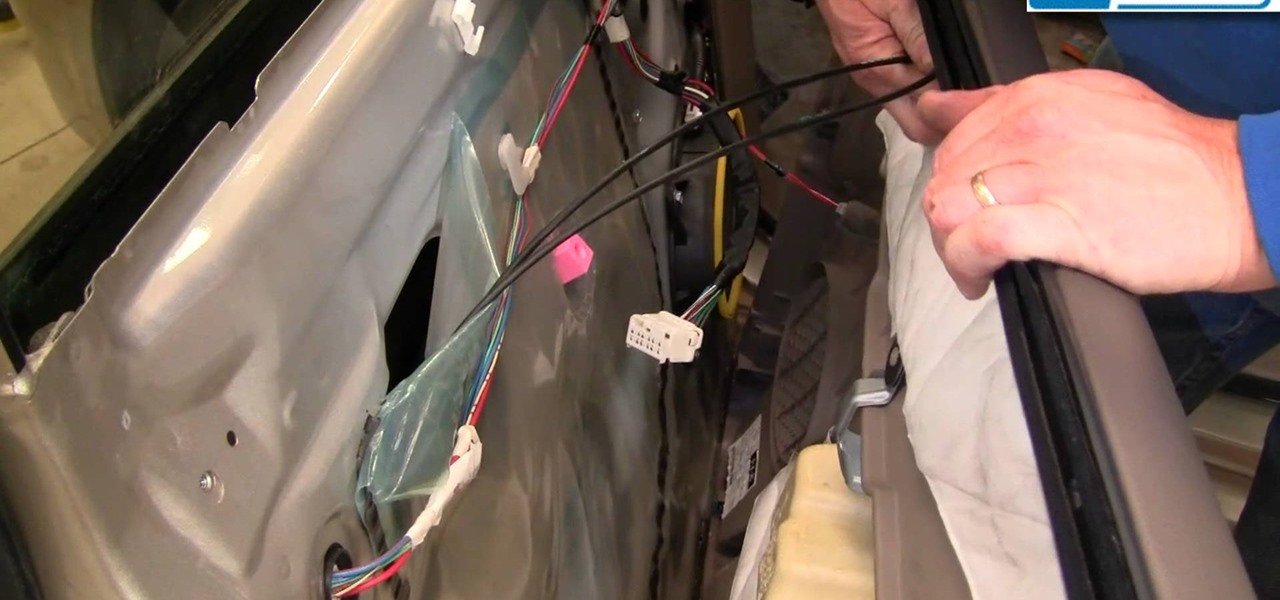
Using a Phillips head screwdriver and a trim panel removal tool, carefully remove the screws and fasteners that secure the door panel to the door frame. These are usually located around the edges of the door panel and inside the door handle area.

Step 3: Pop Out The Window And Door Lock Controls

Gently pry out the window and door lock controls using a flathead screwdriver or a trim panel removal tool. Once they are popped out, disconnect the electrical connectors attached to them.

Step 4: Remove The Door Panel

After all the screws, fasteners, and controls are detached, carefully lift the door panel upwards to disengage it from the door frame. Be cautious of any clips or hooks that may still be attached and gently release them to completely remove the panel.

Step 5: Disconnect The Door Handle Linkage (if Necessary)

If there is a mechanical linkage connected to the inner door handle, detach it from the door panel to fully remove the panel from the door.

How to Remove Driver Side Door Panel Toyota Sienna

Credit: diy-auto-repair.wonderhowto.com

Frequently Asked Questions Of How To Remove Driver Side Door Panel Toyota Sienna

How Do I Remove The Driver Side Door Panel Of A Toyota Sienna?

To remove the driver side door panel of a Toyota Sienna, you will need to follow a few steps. First, locate and remove any screws or clips holding the panel in place. Then, gently pry off the panel using a trim removal tool or a flathead screwdriver.

Disconnect any electrical connections and remove the panel completely.

Can I Remove The Driver Side Door Panel Of A Toyota Sienna Without Any Special Tools?

Yes, you can remove the driver side door panel of a Toyota Sienna without any special tools. However, it is recommended to use a trim removal tool or a flathead screwdriver for easier and safer panel removal. These tools can help prevent any damage to the door panel or surrounding areas.

What Precautions Should I Take While Removing The Driver Side Door Panel Of A Toyota Sienna?

When removing the driver side door panel of a Toyota Sienna, it is important to take certain precautions. Firstly, ensure that the vehicle is turned off and the keys are removed from the ignition. Secondly, be gentle when prying off the panel to avoid any cracks or damage.

Lastly, make sure to disconnect any electrical connections carefully to prevent any electrical issues.

Conclusion

By following these simple steps and using the appropriate tools, you can successfully remove the driver side door panel of your Toyota Sienna without encountering any major issues. Remember to work carefully and patiently, and soon you’ll have the door panel removed to tackle the necessary repairs or upgrades.

How to Open Toyota Tacoma Hood


How to Open Toyota Tacoma Hood

Opening the hood of your Toyota Tacoma is a simple process, but it can be confusing if you’re doing it for the first time. Whether you need to check your engine or add some fluids, accessing the engine compartment is a basic task every car owner should know. In this article, we’ll guide you through the steps to open the hood of your Toyota Tacoma, so you can maintain and inspect your vehicle with ease.

Step 1: Park your Toyota Tacoma

Ensure that your Toyota Tacoma is parked on a level surface. Engage the parking brake to prevent the vehicle from moving. This safety precaution is important as you’ll be accessing under the hood, and you want to make sure the vehicle is stable.

Step 2: Locate the Hood Release Lever

The hood release lever inside your Toyota Tacoma is typically located beneath the dashboard, near the driver’s side door. It’s a small lever that you need to pull or push to release the hood latch.

Step 3: Release the Hood Latch

Once you’ve located the hood release lever, reach for it and pull or push it as required. You should hear a click as the hood latch is released. This means the hood is now unlocked, but you’ll still need to release it from the safety catch under the hood.

Step 4: Locate the Hood Safety Catch

With the hood release lever inside the vehicle pulled, go to the front of your Toyota Tacoma and look for the hood safety catch. It’s usually located in the center or slightly off-center under the front edge of the hood.

Step 5: Release the Hood Safety Catch

Lift the hood slightly and feel for the hood safety catch. Once you’ve located it, push, slide, or lift it, depending on your specific Tacoma model. With the safety catch released, the hood will be fully open, allowing you to access the engine compartment.


How to Open Toyota Tacoma Hood

Credit: m.youtube.com

Step 6: Secure the Hood

Use the provided hood support rod to secure the hood in the open position. This will prevent the hood from accidentally falling and causing injury while you work under the hood.

How to Open Toyota Tacoma Hood

Credit: www.tacomaworld.com

Frequently Asked Questions Of How To Open Toyota Tacoma Hood

How Do You Open The Hood Of A Toyota Tacoma?

To open the hood of a Toyota Tacoma, locate the hood release latch inside the vehicle. Pull the latch, then go to the front of the vehicle and lift the hood.

Where Is The Hood Release Latch In A Toyota Tacoma?

The hood release latch in a Toyota Tacoma is usually located on the driver’s side, near the footwell area. It is often marked with a hood icon or labeled as “hood release. “

Is There A Safety Latch On The Toyota Tacoma Hood?

Yes, the Toyota Tacoma hood is equipped with a safety latch. After lifting the hood, locate the safety latch, usually located in the center of the hood. Lift and secure the safety latch to keep the hood open.

Conclusion

Opening the hood of your Toyota Tacoma is an essential skill that every car owner should be familiar with. Following these simple steps ensures that you can access the engine compartment safely and efficiently. Regular maintenance and inspection of your vehicle can help prolong its lifespan and ensure optimal performance. Once you’ve completed your tasks under the hood, securely close and latch the hood to ensure it’s properly secured before driving your Toyota Tacoma. By following these steps, you can confidently open the hood of your Tacoma and perform necessary maintenance with ease.

5 Ford F-150 Transmission Problems


There are several Ford F-150 transmission problems users noticed, particularly with the 10-speed automatic transmission introduced in 2017. Common issues include harsh and erratic shifting, gear slipping, and sudden downshifting into first gear, which can lead to loss of control. Many owners report that software updates have not resolved these issues.

Additionally, Ford has issued recalls affecting hundreds of thousands of trucks due to these transmission failures, indicating ongoing concerns with reliability and safety.

Common Ford F-150 Transmission Issues

1. Harsh Shifting and Clunking:

Many owners have reported experiencing harsh or erratic shifting, which can manifest as clunking noises during gear changes. This is particularly noted in models with the 10-speed transmission (10R80). Drivers have described a sensation of the vehicle jerking or lunging when shifting, especially during acceleration or deceleration.

2. Gear Slipping and Hesitation:

Some F-150s exhibit symptoms of gear slipping, where the vehicle unexpectedly slips out of gear or has difficulty staying in gear. This can be dangerous, particularly at high speeds. Additionally, drivers have reported hesitation between gears, making the driving experience less smooth and potentially unsafe.

3. Sudden Downshifting:

A significant issue affecting the 2014 model year F-150s involves sudden downshifting into first gear, which can lead to a loss of vehicle control. This problem is attributed to a loss of communication between the transmission output shaft speed sensor and the powertrain control module (PCM). Ford has issued recalls for over 550,000 trucks to address this issue by updating the PCM software.

4. Drivetrain Shudder:

Some owners of the 2021 and 2022 models have reported a drivetrain shudder, particularly with the 3.5L engine. This issue has led to multiple visits to dealerships for repairs, including torque converter replacements, yet it persists for some users.

5. Warning Lights and Diagnostic Codes:

The check engine light may illuminate due to various transmission issues. Many drivers have experienced this alongside other symptoms like harsh shifting or slipping gears. Diagnostic trouble codes (DTCs) can provide insights into specific problems, but not all issues trigger a warning light, complicating diagnosis.

Ford F-150 Transmission Issues by Year

Here is a detailed table summarizing the most common Ford F-150 transmission problems by model year:

Model YearTransmission Issues
2004– Lack of overdrive
– Transmission failure
– Clunking and shuddering while driving
2005– Transmission failure
– Delayed acceleration
– Overdrive issues
2010– Hard downshifting
– Inconsistent shifting
– Vibration while driving
2011-2012– Unexpected downshifting into first gear, leading to loss of control
2013– Sudden unexpected downshift into 1st gear, leading to loss of control
– Transmission failure
2014– Sudden unexpected downshift into 1st gear, leading to loss of control
– Ford recalled over 550,000 trucks due to this issue
2017-2022– Harsh, erratic shifting
– Gear slipping and hesitation
– Whiplash, jerking, and lunging
– Three class action lawsuits allege “life threatening” transmission problems
2021– Transmission suddenly shifting into Neutral
– Ford recalled over 47,000 trucks with this issue, but the recall did not fix the underlying shifting problems

The 2004, 2005, and 2010 model years had the most reported transmission failures, lack of overdrive, and issues with clunking, shuddering, and delayed acceleration.

From 2011-2013, Ford issued recalls for over 1.6 million trucks due to a problem where the transmission could suddenly downshift into 1st gear, regardless of speed, leading to a loss of control.

The 10-speed automatic transmission introduced in 2017 has been plagued with problems like harsh, erratic shifting, gear slipping, hesitation, and even whiplash-inducing jerking and lunging in 2017-2022 models. Three class action lawsuits allege these transmission problems are “life threatening.”

In 2021, Ford recalled over 47,000 trucks with an issue where the transmission could unexpectedly shift into Neutral, but the recall did not resolve the underlying shifting problems.

Most recently in 2024, Ford recalled over 550,000 F-150 pickup trucks from the 2014 model year due to the transmission suddenly downshifting into first gear, which can cause a loss of vehicle control and lead to a crash.

What causes the Ford F150 transmission to slip?

The transmission slipping can be attributed to several factors, including low transmission fluid levels, worn-out transmission components, or issues with the transmission control module. Additionally, problems with the transmission solenoid can lead to improper fluid flow, causing slipping.

Why is my Ford F150 not shifting gears properly?

If your F150 is not shifting, it may be due to low transmission fluid, a malfunctioning transmission control module, or transmission sensor problems. Other potential causes include a faulty transmission solenoid or internal transmission wear.

How can I tell if transmission is failing?

Signs of transmission failure symptoms include slipping gears, delayed shifting, unusual noises (like grinding or whining), and the transmission overheating. Additionally, warning lights on the dashboard may indicate issues with the transmission.

What are the signs of a bad transmission?

Common signs of a bad transmission in a Ford F150 include:

  • Slipping gears

Jerking while driving

  • Unusual noises (grinding, whining, or clunking)
  • Delayed or rough shifting
  • Fluid leaks (indicating a transmission fluid leak)

How much does it cost to fix a transmission?

The Ford F150 transmission repair cost can vary widely depending on the severity of the issue. Simple repairs may cost a few hundred dollars, while a complete transmission rebuild or replacement can range from $1,500 to $4,000 or more, depending on the model year and specific problems.

What should I do if my transmission is overheating?

If transmission is overheating, first check the transmission fluid level and condition. Low or dirty fluid can cause overheating, so ensure it’s at the correct level and clean. If the fluid is fine, consider inspecting the cooling system for blockages or leaks. Additionally, avoid heavy towing or driving in extreme conditions until the issue is resolved. If overheating persists, seek professional transmission troubleshooting to identify underlying problems.

Why does my Ford F150 make a grinding noise when shifting?

transmission grinding noise when shifting can indicate several issues, such as worn-out gears, low transmission fluid, or problems with the clutch (in manual transmissions). It may also be a sign of internal damage or misalignment within the transmission. Addressing this issue promptly is crucial to prevent further damage.

Can I drive with a slipping transmission?

Driving a with a slipping transmission is not advisable. It can lead to further damage and may compromise your safety on the road. If you notice slipping, it’s best to stop driving the vehicle and have it inspected by a professional to avoid more extensive repairs.

How often should I change the transmission fluid?

The Ford F150 transmission fluid change interval typically ranges from every 30,000 to 60,000 miles, depending on driving conditions and usage. Regular checks and changes are essential to maintain optimal performance and prevent transmission issues.

What year Ford F150 has the most transmission problems?

Various model years of the Ford F150 have been reported to have Ford F150 transmission issues, particularly the 2004-2008 models. These years are known for experiencing higher rates of transmission failures and complaints. Always check specific model reviews and reliability ratings for the most accurate information.

What are common transmission problems?

Common transmission problems include:

  • Tansmission slipping: Difficulty maintaining gear engagement.
  • Delayed or rough shifting: Difficulty in transitioning between gears.
  • Overheating: Excessive heat can lead to fluid breakdown and damage.
  • Fluid leaks: Indications of a transmission fluid leak.
  • Unusual noises: Grinding, whining, or clunking sounds during operation.

Why does my Ford F150 jerk when I change gears?

If your car jerks when changing gears, it could be due to low transmission fluid, worn-out components, or issues with the transmission control module. Additionally, problems with the transmission solenoid may cause erratic shifting, leading to jerking sensations during gear changes.

How do I reset the transmission?

To perform a transmission reset procedure, follow these steps:

  1. Turn off the ignition and disconnect the negative battery terminal.
  2. Wait for about 15 minutes to allow the system to reset.
  3. Reconnect the battery terminal.
  4. Start the vehicle and allow it to idle for a few minutes.
  5. Drive the vehicle to help the transmission relearn its shift points.

This process can help resolve minor shifting issues and recalibrate the transmission.

What does it mean when my F150 is stuck in gear?

If your Ford F150 is stuck in gear, it may indicate a problem with the transmission control module, a faulty shift linkage, or internal transmission issues. This condition can lead to transmission failure symptoms such as overheating or erratic shifting. It’s essential to have the vehicle inspected by a professional to diagnose and fix the issue.

Is there a recall for transmission issues?

Yes, there have been multiple Ford F150 transmission recalls over the years, including the transmission recall 2023. These recalls typically address specific transmission problems that could affect safety or performance. It’s crucial to check with your local Ford dealer or the official Ford website for the latest recall information and to see if your vehicle is affected.

How do I know if my transmission solenoid is bad?

Signs of transmission solenoid problems include erratic shifting, delayed engagement, or slipping gears. You may also notice the check engine light or transmission warning light on the dashboard. If you experience these symptoms, it’s advisable to have the solenoid tested and replaced if necessary to ensure proper transmission function.

Why is my transmission making a whining noise?

transmission whining noise can indicate low transmission fluid levels, which can lead to insufficient lubrication and increased wear. It may also suggest a failing pump or internal component issues. Addressing the noise promptly by checking fluid levels and seeking professional help can prevent further damage.

What are the symptoms of a bad transmission control module?

Symptoms of a failing transmission control module include:

  • Erratic or harsh shifting
  • Inability to shift gears properly
  • Transmission slipping or not engaging
  • Warning lights illuminated on the dashboard
  • Unusual noises during operation

If you experience these symptoms, it’s important to have the module diagnosed and repaired or replaced to restore proper transmission function.

How can I fix hard shifting?

To address hard shifting, consider the following steps:

  • Check and replace low or dirty transmission fluid, as proper fluid levels are crucial for smooth operation.
  • Inspect for any leaks that may indicate a transmission fluid leak.
  • Examine the transmission control module for faults or updates.
  • If the problem persists, consult a professional for a thorough diagnosis and potential repairs.

Why does my transmission hesitate to engage?

A hesitation to engage in your vehicle’s transmission can be caused by low transmission fluid levels, worn-out components, or issues with the transmission control module. Additionally, problems with the transmission sensor may affect engagement. If you notice this symptom, it’s important to have the vehicle inspected to prevent further transmission damage.

What is the average lifespan of a Ford F150 transmission?

The average lifespan of a Ford F150 transmission typically ranges from 150,000 to 200,000 miles, depending on factors such as driving habits, maintenance, and whether the vehicle is used for heavy towing or off-road conditions. Regular maintenance, including fluid changes, can help extend the transmission’s life.

Can a transmission be rebuilt?

Yes, a transmission can be rebuilt. This process involves disassembling the transmission, replacing worn or damaged components, and reassembling it to restore functionality. Rebuilding can be a cost-effective alternative to complete replacement, especially if the transmission has not sustained severe damage.

What is transmission limp mode, and how do I fix it?

Transmission limp mode is a safety feature that limits the vehicle’s speed and performance to prevent further damage when the transmission detects a serious issue. To fix this, start by checking for any diagnostic trouble codes (DTCs) using an OBD-II scanner. Common fixes include checking fluid levels, inspecting for leaks, and addressing any identified sensor or solenoid issues. If the problem persists, consult a professional for a thorough diagnosis.

How do I check the transmission fluid level?

To check the transmission fluid level, follow these steps:

  • Start the engine and let it warm up to operating temperature.
  • Shift through all gears, then return to park.
  • With the engine running, locate the transmission dipstick (if equipped).
  • Remove the dipstick, wipe it clean, and reinsert it fully.
  • Remove the dipstick again to check the fluid level. It should be between the “Full” and “Add” marks.
  • If low, add the appropriate transmission fluid as specified in your owner’s manual.

What are the best transmission fluid brands for a Ford F150?

Some of the best transmission fluid brands include:

  • Ford Motorcraft: Recommended for Ford vehicles, ensuring compatibility and performance.
  • Valvoline: Known for high-quality synthetic and conventional fluids.
  • Mobil 1: Offers synthetic transmission fluids that provide excellent protection.
  • Castrol: Provides a range of transmission fluids suitable for various applications.
  • Royal Purple: Known for high-performance synthetic fluids that enhance transmission efficiency.

Always refer to your owner’s manual for the specific fluid type required for your model.

Why is my transmission clunking when shifting?

transmission clunking noise when shifting can indicate several issues, such as worn or damaged transmission mounts, low transmission fluid levels, or internal component wear. It may also be caused by problems with the differential or driveshaft. Addressing this noise promptly is essential to prevent further damage to the transmission and related components.

How do I troubleshoot transmission problems?

To effectively troubleshoot transmission problems in a Ford F150, follow these steps:

  1. Check Transmission Fluid: Inspect the fluid level and condition. Low or dirty fluid can cause various issues.
  2. Look for Leaks: Check for signs of a transmission fluid leak underneath the vehicle.
  3. Scan for Codes: Use an OBD-II scanner to check for any diagnostic trouble codes that may indicate specific problems.
  4. Inspect Connections: Examine wiring and connectors related to the transmission control module and solenoids.
  5. Test Drive: Pay attention to shifting patterns, noises, and any warning lights during a test drive.

If issues persist, consult a professional mechanic for a comprehensive diagnosis.

What transmission does my Ford F150 have?

The transmission in your Ford F150 can vary based on the model year and engine type. Common options include:

  • 6-speed automatic: Found in many recent models.
  • 10-speed automatic: Introduced in newer models for improved performance and efficiency.
  • 4-speed automatic: Used in older models.

To determine the exact transmission type, refer to your owner’s manual or check the vehicle identification number (VIN) for specifications.

How do I fix a transmission that is stuck in park?

If transmission is stuck in park, try the following steps:

  1. Check the Brake Pedal: Ensure the brake pedal is fully depressed, as the transmission will not shift out of park without it.
  2. Inspect the Shift Interlock: A malfunctioning shift interlock mechanism can prevent shifting. Check for any obstructions or damage.
  3. Look for Fluid Issues: Low transmission fluid can affect shifting. Check the fluid level and condition.
  4. Examine the Linkage: Inspect the shift linkage for any misalignment or damage.

If these steps do not resolve the issue, consult a professional for further diagnosis and repair.

Why is my transmission light on?

The transmission light on the dashboard can indicate various issues, such as low transmission fluid, overheating, or problems with the transmission control module. It may also signal that the transmission is entering limp mode due to a detected fault. If the light is illuminated, it’s essential to have the vehicle diagnosed using an OBD-II scanner to identify the specific issue and address it promptly.

How do I reset the transmission control module?

To reset the Ford F150 transmission control module, follow these steps:

  1. Disconnect the Battery: Turn off the ignition and disconnect the negative battery terminal. This will cut power to the vehicle’s electrical systems.
  2. Wait: Leave the battery disconnected for about 15 minutes. This allows the module to reset.
  3. Reconnect the Battery: After waiting, reconnect the negative battery terminal.
  4. Start the Vehicle: Turn on the ignition and allow the vehicle to idle for a few minutes. This helps the transmission control module relearn its settings.
  5. Test Drive: Take the vehicle for a short drive to ensure the transmission is functioning properly.

If issues persist, further diagnostics may be necessary.

What is the cost of a transmission overhaul?

The cost of a transmission overhaul can vary widely based on factors such as the model year, extent of damage, and labor rates in your area. On average, you can expect to pay between $2,000 and $4,000 for a complete overhaul. This process involves disassembling the transmission, replacing worn components, and reassembling it, which can be labor-intensive.

Why does my transmission slip when it’s cold?

If transmission slips when cold, it may be due to thick or degraded transmission fluid that doesn’t flow properly until warmed up. Low fluid levels or a failing transmission pump can also contribute to this issue. It’s important to check the fluid level and condition and consider a fluid change if it appears dirty or old.

How can I prevent transmission problems?

To prevent Ford F150 transmission problems, consider the following maintenance tips:

  • Regular Fluid Changes: Adhere to the recommended transmission fluid change interval to keep the fluid clean and at the proper level.
  • Check for Leaks: Regularly inspect for signs of a transmission fluid leak and address any issues immediately.
  • Avoid Overloading: Be mindful of towing capacities and avoid excessive loads that can strain the transmission.
  • Drive Smoothly: Practice smooth acceleration and braking to reduce stress on the transmission.
  • Routine Inspections: Have the transmission inspected periodically by a professional to catch potential issues early.

What is the best way to maintain a transmission?

The best way to maintain a Ford F150 transmission includes:

  • Regular Fluid Changes: Follow the manufacturer’s recommended intervals for changing the transmission fluid.
  • Monitor Fluid Levels: Regularly check the transmission fluid level and condition to ensure optimal performance.
  • Use Quality Fluids: Always use high-quality transmission fluid that meets Ford specifications.
  • Address Issues Promptly: If you notice any signs of trouble, such as slipping or unusual noises, have the vehicle inspected immediately.
  • Follow Driving Guidelines: Avoid aggressive driving and heavy towing beyond the vehicle’s capacity to reduce wear and tear on the transmission.

How do I diagnose a transmission leak?

To diagnose a transmission fluid leak, follow these steps:

  1. Visual Inspection: Check under the vehicle for any signs of red or brown fluid pooling, which indicates a transmission leak.
  2. Inspect Seals and Gaskets: Look for worn or damaged seals and gaskets around the transmission pan, cooler lines, and input/output shafts.
  3. Check the Transmission Pan: Ensure that the transmission pan is not cracked or loose, as this can lead to leaks.
  4. Examine Fluid Level: Check the transmission fluid level using the dipstick. If it’s low, this may indicate a leak.
  5. Use a UV Dye: If the source of the leak is not obvious, consider adding a UV dye to the transmission fluid. After driving the vehicle, use a UV light to locate the leak.

If you identify a leak, it’s important to have it repaired promptly to prevent further transmission damage.

What are the common causes of transmission failure?

Common causes of Ford F150 transmission failure include:

  • Low or Dirty Fluid: Insufficient or contaminated transmission fluid can lead to overheating and component wear.
  • Worn Components: Over time, internal parts such as gears, clutches, and bands can wear out.
  • Overheating: Excessive heat can damage transmission components and fluid.
  • Poor Maintenance: Neglecting regular fluid changes and inspections can lead to premature failure.
  • Electrical Issues: Problems with the transmission control module or solenoids can disrupt shifting and performance.

How can I extend the life of my transmission?

To extend the life of your vehicle’s transmission, consider the following tips:

  • Regular Maintenance: Adhere to the recommended maintenance schedule, including fluid changes and inspections.
  • Monitor Fluid Levels: Regularly check and maintain proper transmission fluid levels.
  • Use Quality Fluids: Always use the manufacturer-recommended transmission fluid.
  • Drive Smoothly: Avoid aggressive driving habits that can put extra stress on the transmission.
  • Address Issues Early: Pay attention to any signs of trouble, such as slipping or unusual noises, and seek professional help promptly.

Why does my transmission vibrate when accelerating?

transmission vibration when accelerating can be caused by several factors, including:

  • Worn or Damaged Mounts: Transmission mounts that are worn or damaged can lead to vibrations.
  • Drivetrain Issues: Problems with the driveshaft, u-joints, or differential can also cause vibrations during acceleration.
  • Transmission Fluid Issues: Low or dirty transmission fluid can affect performance and lead to vibrations.
  • Misalignment: If the transmission is not properly aligned, it can cause vibrations during operation.

If you experience vibrations, it’s important to have the vehicle inspected to identify and address the underlying cause.

How do I know if my Ford F150 needs a transmission software update?

You may need a transmission software update if you experience issues such as erratic shifting, poor performance, or if the transmission warning light is illuminated. Additionally, if your vehicle is part of a recall or service bulletin related to transmission performance, it may require an update. To confirm, check with your local Ford dealer, who can run a diagnostic and provide information on any available updates.

Why is my transmission stuck in neutral?

If transmission is stuck in neutral, it could be due to several factors, including:

  • Faulty Shift Linkage: Misalignment or damage to the shift linkage can prevent proper gear engagement.
  • Transmission Control Module Issues: Problems with the transmission control module may disrupt shifting.
  • Low Transmission Fluid: Insufficient fluid can affect the ability to engage gears properly.
  • Internal Transmission Damage: Worn or damaged internal components can also cause the transmission to be stuck in neutral.

If this occurs, it’s important to have the vehicle inspected by a professional to diagnose and resolve the issue.

Can transmission problems cause my Ford F150 to stall?

Yes, transmission problems can cause your Ford F150 to stall. If the transmission is not engaging properly, it can lead to a loss of power to the wheels, resulting in stalling, especially when coming to a stop or during acceleration. Additionally, issues with the transmission control module or fluid levels can contribute to stalling. If you experience this problem, it’s essential to have the transmission checked to prevent further complications.

What are the long-term effects of driving with a bad transmission?

Driving with a bad transmission can lead to several long-term effects, including:

  • Increased Repair Costs: Continuing to drive with transmission issues can lead to more extensive damage and higher repair costs.
  • Reduced Vehicle Performance: A failing transmission can result in poor acceleration, rough shifting, and overall diminished performance.
  • Safety Risks: Transmission problems can lead to unexpected stalling or loss of control, posing safety risks on the road.
  • Complete Transmission Failure: Ignoring symptoms can ultimately result in total transmission failure, necessitating a costly replacement.

It’s crucial to address any transmission issues promptly to avoid these long-term consequences.

How can I fix a delayed shift?

To fix a delayed shifting, consider the following steps:

  • Check Transmission Fluid: Ensure the fluid level is adequate and the fluid is clean. Low or dirty fluid can cause shifting delays.
  • Inspect for Leaks: Look for signs of a transmission fluid leak that may contribute to low fluid levels.
  • Examine the Transmission Control Module: A malfunctioning module can cause shifting issues. Consider having it scanned for error codes.
  • Check the Throttle Position Sensor: A faulty sensor can affect shifting timing. Inspect and replace if necessary.
  • Consult a Professional: If the problem persists, seek help from a qualified mechanic for a thorough diagnosis and repair.

What are the most common transmission repairs?

The most common Ford F150 transmission repairs include:

  • Fluid Change and Flush: Regular fluid changes to maintain proper lubrication and prevent overheating.
  • Seal and Gasket Replacement: Addressing leaks by replacing worn seals and gaskets.
  • Transmission Filter Replacement: Changing the transmission filter to ensure clean fluid circulation.
  • Solenoid Replacement: Fixing shifting issues by replacing faulty transmission solenoids.
  • Rebuilding or Replacing the Transmission: In cases of severe damage or wear, a complete rebuild or replacement may be necessary.

Regular maintenance and prompt repairs can help prevent more extensive issues down the line.

Why is transmission clicking when I shift?

transmission clicking noise when shifting can indicate several issues, including:

  • Worn Transmission Mounts: Damaged or worn mounts can cause misalignment, leading to clicking noises.
  • Faulty Shift Linkage: A misaligned or damaged shift linkage can create a clicking sound during gear changes.
  • Internal Component Wear: Worn gears or bearings inside the transmission may produce clicking noises.
  • Differential Issues: Problems with the differential can also manifest as clicking noises during shifting.

If you hear clicking sounds, it’s important to have the vehicle inspected to identify and resolve the underlying cause.

What should I do if transmission is leaking fluid?

If transmission is leaking fluid, take the following steps:

  1. Stop Driving: Avoid driving the vehicle to prevent further damage to the transmission.
  2. Check Fluid Levels: Inspect the transmission fluid level to determine how low it is.
  3. Identify the Source: Look for visible signs of leaks under the vehicle and check seals, gaskets, and the transmission pan.
  4. Consult a Mechanic: Have a professional inspect the vehicle to diagnose the leak and recommend repairs.
  5. Repair the Leak: Address the issue by replacing damaged seals, gaskets, or other components as needed.

How do I fix a transmission that’s slipping under load?

To fix a transmission that’s slipping under load, consider the following steps:

  • Check Transmission Fluid: Ensure the fluid level is adequate and that the fluid is clean. Low or dirty fluid can cause slipping.
  • Inspect for Leaks: Look for signs of a transmission fluid leak that may contribute to low fluid levels.
  • Examine the Transmission Filter: A clogged filter can restrict fluid flow, leading to slipping. Replace the filter if necessary.
  • Assess the Clutch and Bands: Worn clutches or bands may require adjustment or replacement to restore proper engagement.
  • Consult a Professional: If the problem persists, seek help from a qualified mechanic for a thorough diagnosis and repair.

What are the symptoms of a bad transmission pressure switch?

Symptoms of a bad transmission pressure switch include:

  • Erratic Shifting: Unpredictable or harsh shifts between gears.
  • Transmission Slipping: Difficulty maintaining gear engagement, especially under load.
  • Warning Lights: The check engine or transmission warning light may illuminate on the dashboard.
  • Fluid Leaks: Signs of fluid leaking from the transmission area.
  • Poor Performance: Reduced acceleration and overall performance of the vehicle.

Is it better to replace or repair a transmission?

Deciding whether to replace or repair a Ford F150 transmission depends on several factors:

  • Extent of Damage: If the transmission has minor issues, such as a faulty solenoid or a fluid leak, repairs may be more cost-effective. However, if there is significant internal damage or wear, replacement might be the better option.
  • Cost Considerations: Compare the Ford F150 transmission repair cost to the Ford F150 transmission replacement cost. If the repair costs approach or exceed the cost of a replacement, it may be wiser to opt for a new or rebuilt transmission.
  • Age and Condition of the Vehicle: Consider the overall condition and age of your car. If the vehicle is relatively new and in good shape, investing in a repair or replacement may be worthwhile. Conversely, if the vehicle is older with many other issues, it might not be worth the investment.
  • Warranty Options: A rebuilt or new transmission may come with a warranty, providing peace of mind and potential savings on future repairs.

Ultimately, it’s best to consult with a qualified mechanic who can assess the specific condition of your transmission and provide tailored advice based on your situation.

2003 Ford Escape Problems: 5 Major Issues


There are several common 2003 Ford Escape problems users have noticed. Owners frequently report problems with the engine, such as misfires and noise, often linked to oxygen sensor failures and power steering leaks. Additionally, transmission issues and electrical problems, including faulty speed control, have been noted. The vehicle has also been subject to multiple recalls, addressing concerns like excessive corrosion and potential throttle sticking.

2003 Ford Escape Issues: Breakdown

1. Engine Performance

  • Symptoms: Poor acceleration, rough idling, low fuel efficiency.
  • Common Causes: Faulty ignition coils, clogged air filters, and aftermarket modifications.
  • Solutions: Regular maintenance, including spark plug replacement and air filter cleaning, can mitigate these issues. Owners may also consider reverting any aftermarket modifications that may negatively impact performance.

2. Transmission

  • Symptoms: Slipping gears, harsh shifting, delayed engagement.
  • Common Causes: Low transmission fluid levels, worn components, or internal damage.
  • Solutions: Regular fluid changes and inspections can help maintain transmission health. If issues persist, a professional diagnosis is recommended to assess whether repair or replacement is necessary.

3. Electrical System

  • Symptoms: Malfunctioning power windows, dashboard lights, and HVAC issues.
  • Common Causes: Faulty wiring, blown fuses, or defective components.
  • Solutions: Inspecting and replacing faulty fuses and wiring can resolve many electrical issues. For persistent problems, consulting a professional electrician may be necessary.

4. Braking System

  • Symptoms: Premature brake wear, noise during braking, decreased stopping power.
  • Common Causes: Low-quality brake components, lack of maintenance, or driving habits.
  • Solutions: Regular inspection and timely replacement of brake pads and rotors are crucial for safety. Upgrading to higher-quality components may also improve performance.

5. Recalls

  • Action Required: Check for recalls related to fuel system and electrical components.
  • Solution: Contact a Ford dealership to address any outstanding recalls to ensure vehicle safety and compliance with manufacturer standards.

What are the most common problems with a 2003 Ford Escape?

The common problems include issues with premature corrosion, particularly in the subframe and control arms, which are exacerbated by road salt. Other frequent complaints involve suspension problems and powertrain issues, including transmission shudder and electrical malfunctions.

How can I fix transmission issues?

To address 2003 Ford Escape transmission issues, start by checking the transmission fluid level and condition. If the fluid is low or dirty, consider changing it. Additionally, inspect for any leaks and ensure that the transmission filter is clean. If problems persist, a diagnostic scan for error codes can help identify specific issues.

Why does my 2003 Ford Escape keep stalling while driving?

The stalling issues can be caused by various factors, including fuel pump problems, a failing throttle body, or issues with the ignition system, such as bad spark plugs or ignition coils. A thorough inspection of these components is recommended to identify the root cause.

What causes electrical problems?

Common electrical problems may stem from faulty wiring, corroded connectors, or failing components such as the alternator or battery. Additionally, issues with the vehicle’s computer system can also lead to electrical malfunctions.

Are there any recalls related to engine problems?

Yes, there are several 2003 Ford Escape recalls, including ones related to engine issues such as premature control arm corrosion and potential fuel leaks. It’s advisable to check with the National Highway Traffic Safety Administration (NHTSA) for specific recall information and to see if your vehicle is affected.

How do I diagnose a fuel pump failure?

To diagnose fuel pump problems, start by checking for fuel pressure using a fuel pressure gauge. If the pressure is below specifications, the fuel pump may be failing. Additionally, listen for a humming sound from the fuel tank when the ignition is turned on, which indicates the pump is working. Inspect the fuel filter for clogs and ensure the electrical connections to the pump are secure.

What’s causing the brakes to squeak?

Brake problems often manifest as squeaking due to worn brake pads, which may require replacement. Other causes include dust or debris between the brake pad and rotor, or lack of lubrication on the brake components. Inspecting the brake system will help determine the specific cause of the noise.

How do I stop rust from spreading?

To address rust issues, start by cleaning the affected areas thoroughly to remove dirt and debris. Apply a rust-inhibiting primer and paint to the rusted spots. Additionally, consider using a rust converter for deeper corrosion. Regularly washing your vehicle and applying a protective wax can also help prevent future rust formation.

Why is my 2003 Ford Escape overheating, and how can I fix it?

The overheating problem can be caused by several factors, including low coolant levels, a malfunctioning thermostat, a clogged radiator, or a failing water pump. To fix this, check the coolant level and top it off if necessary. Inspect the thermostat and radiator for blockages or leaks, and ensure the water pump is functioning properly.

What does it mean if the check engine light is on?

The check engine light can indicate a variety of issues, ranging from minor to serious. Common causes include faulty oxygen sensors, loose gas caps, or issues with the ignition system. To determine the exact cause, use an OBD-II scanner to retrieve the diagnostic trouble codes (DTCs) and address the specific problem indicated.

What could be causing my 2003 Ford Escape to have trouble starting?

Starting problems can be attributed to several issues, including a weak or dead battery, faulty ignition switch, or issues with the starter motor. Additionally, problems with the fuel system, such as a clogged fuel filter or failing fuel pump, can prevent the engine from starting. A thorough inspection of these components is essential to pinpoint the exact cause.

How do I repair the exhaust system?

To address 2003 Ford Escape exhaust problems, start by inspecting the exhaust system for leaks, rust, or damage. If you find any holes or cracks, you can use exhaust repair tape or a patch to seal minor leaks. For more significant damage, you may need to replace sections of the exhaust pipe or muffler. Ensure all connections are tight and check for any broken hangers that may need replacement.

Why is my 2003 Ford Escape’s air conditioning blowing hot air?

If your car air conditioning issues include blowing hot air, it could be due to low refrigerant levels, a faulty compressor, or a clogged condenser. Start by checking the refrigerant level and recharging it if necessary. If the problem persists, inspect the compressor for proper operation and check for any blockages in the AC system.

What are the signs of suspension problems?

Signs of suspension problems include a rough ride, excessive bouncing, uneven tire wear, and difficulty steering. You may also notice clunking or knocking noises when driving over bumps. If you experience any of these symptoms, it’s advisable to have the suspension system inspected by a professional to identify and address any issues.

How do I fix a slipping transmission?

To address 2003 Ford Escape transmission slipping, start by checking the transmission fluid level and condition. If the fluid is low or dirty, change it and replace the filter if necessary. If the slipping continues, it may indicate internal transmission issues that could require professional diagnosis and repair, such as a worn clutch or damaged gears. Regular maintenance can help prevent these issues from arising.

What’s causing the engine to knock?

The engine knocking can be caused by several factors, including low-quality fuel, carbon buildup in the combustion chamber, or worn engine components such as bearings or pistons. To address this issue, consider using a higher octane fuel, performing a fuel system cleaning, and checking for any mechanical issues that may require attention.

How do I find out if my 2003 Ford Escape has any open recalls?

To check for any recalls, visit the National Highway Traffic Safety Administration (NHTSA) website and enter your vehicle’s VIN (Vehicle Identification Number). This will provide you with information on any open recalls related to your vehicle, including those that may pertain to safety or engine problems.

What causes the throttle body to fail?

Common causes of throttle body issues include carbon buildup, electrical malfunctions, or wear and tear over time. A dirty throttle body can restrict airflow, leading to performance issues. Regular cleaning and maintenance can help prevent these problems, but if failure occurs, replacement may be necessary.

Why is my alternator not charging the battery?

If your alternator problems are preventing the battery from charging, it could be due to a faulty alternator, worn-out drive belt, or poor electrical connections. Start by checking the alternator output with a multimeter. If it’s not producing the correct voltage, the alternator may need to be replaced. Also, inspect the battery and connections for corrosion or damage.

How do I fix power steering problems?

To address 2003 Ford Escape steering problems, begin by checking the power steering fluid level and topping it off if necessary. Inspect for any leaks in the power steering system, including hoses and the pump. If the fluid is low and there are no visible leaks, the power steering pump may be failing and could require replacement. Regular maintenance of the power steering system can help prevent issues.

Why is there water leaking inside my 2003 Ford Escape?

A water leak problem inside the vehicle can be caused by several issues, including clogged sunroof drains, damaged door seals, or a leaking windshield. To address this, inspect the sunroof drains for blockages, check the integrity of the door seals, and ensure the windshield is properly sealed. If the leak persists, consider having a professional inspect the vehicle for hidden sources of water intrusion.

What are the symptoms of bad spark plugs?

Symptoms of spark plug issues include rough idling, difficulty starting the engine, decreased fuel efficiency, and poor acceleration. You may also notice engine misfires or a check engine light illuminated on the dashboard. If you experience these symptoms, it may be time to inspect and replace the spark plugs to restore optimal engine performance.

How do I fix an oil leak?

To address an oil leak problem, start by identifying the source of the leak. Common areas to check include the oil pan gasket, valve cover gasket, and oil filter. Clean the affected area to pinpoint the leak, then replace any damaged gaskets or seals. If the leak is significant or difficult to locate, consider consulting a professional mechanic for a thorough inspection.

Why does my 2003 Ford Escape have a rough idle at stoplights?

A idle problem at stoplights can be caused by several factors, including vacuum leaks, dirty fuel injectors, or issues with the idle air control valve. To troubleshoot, inspect for any vacuum leaks in the intake system, clean the fuel injectors, and check the idle air control valve for proper operation. Addressing these issues can help smooth out the engine’s idle.

How can I fix rough shifting?

To resolve rough shifting, start by checking the transmission fluid level and condition. If the fluid is low or dirty, change it and replace the filter. Additionally, inspect the transmission for any leaks and ensure that the transmission control module is functioning correctly. If rough shifting persists, a professional diagnostic may be needed to identify deeper mechanical issues.

What are the signs of a head gasket failure?

Signs of head gasket failure include overheating, white smoke from the exhaust, coolant mixing with engine oil (appearing as a milky substance on the dipstick), and a loss of power or poor engine performance. If you notice any of these symptoms, it’s crucial to have the vehicle inspected promptly, as a blown head gasket can lead to severe engine damage.

How can I improve the fuel economy?

To address fuel economy problems, consider the following tips:

  • Regularly maintain the engine, including oil changes and air filter replacements.
  • Ensure the tires are properly inflated and aligned.
  • Drive smoothly, avoiding rapid acceleration and heavy braking.
  • Remove unnecessary weight from the vehicle.
  • Use high-quality fuel and consider a fuel system cleaning if performance has declined.

Why is transmission fluid leaking?

2003 Ford Escape transmission fluid leak can be caused by several issues, including worn seals or gaskets, a damaged transmission pan, or loose connections. To address this, inspect the transmission pan for cracks, check the condition of seals and gaskets, and ensure all connections are tight. If the source of the leak is not easily identifiable, consulting a professional mechanic may be necessary.

What’s causing my 2003 Ford Escape’s AC to stop working?

If your car AC is not working, common causes include low refrigerant levels, a faulty compressor, or electrical issues such as blown fuses or bad relays. Start by checking the refrigerant level and recharging if necessary. If the AC still does not work, inspect the compressor and electrical components for proper operation.

How do I troubleshoot a battery drain issue?

To troubleshoot a battery drain, begin by checking the battery and charging system to ensure they are functioning correctly. Then, perform a parasitic draw test using a multimeter to identify any excessive current draw from electrical components when the vehicle is off. Inspect fuses, relays, and wiring for any faulty components that may be causing the drain. If the issue persists, consulting a professional may be necessary for a thorough diagnosis.

What do the warning lights on a dashboard mean?

The 2003 Ford Escape dashboard warning lights indicate various issues with the vehicle. Common lights include:

  • Check Engine Light: Signals a problem with the engine or emissions system.
  • Battery Light: Indicates potential issues with the charging system or battery.
  • Oil Pressure Light: Warns of low oil pressure, which could lead to engine damage.
  • ABS Light: Indicates a problem with the anti-lock braking system.
  • Brake Light: May indicate an issue with the braking system or that the parking brake is engaged.
Always refer to the owner's manual for specific meanings and recommended actions for each warning light.

How do I fix power steering noise?

To address power steering issues, start by checking the power steering fluid level and condition. If the fluid is low, top it off with the appropriate type. Inspect for leaks in the power steering system, including hoses and the pump. If noise persists after ensuring fluid levels are adequate and there are no leaks, the power steering pump may need to be replaced.

What’s causing transmission to make noise?

2003 Ford Escape transmission noise can be caused by several factors, including low transmission fluid, worn gears, or a failing torque converter. Start by checking the transmission fluid level and condition. If the fluid is low or dirty, change it and replace the filter. If noise continues, a professional inspection may be necessary to identify internal issues.

How do I repair an exhaust manifold leak?

To repair a exhaust manifold leak, start by locating the source of the leak. This may involve removing the heat shield and inspecting the manifold and gasket. If the gasket is damaged, replace it. For cracks in the manifold, you may be able to use a high-temperature epoxy or consider replacing the manifold if the damage is severe. Ensure all bolts are tightened to the manufacturer’s specifications to prevent future leaks.

What causes the catalytic converter to fail?

Common causes of catalytic converter issues include engine misfires, which can lead to unburned fuel entering the converter, overheating due to excessive exhaust temperatures, and contamination from oil or coolant leaks. Regular maintenance of the engine and exhaust system can help prevent catalytic converter failure. If you suspect a failure, have the vehicle inspected to determine the cause and necessary repairs.

How do I fix a radiator leak?

To address a radiator problem, start by locating the source of the leak. Inspect the radiator for cracks, corrosion, or damaged hoses. If the leak is small, you can use a radiator sealant as a temporary fix. For more significant leaks, it may be necessary to replace the radiator or the damaged hose. Always ensure the cooling system is filled with the appropriate coolant after repairs and check for any air pockets.

Why is oxygen sensor failing repeatedly?

Repeated oxygen sensor failure can be caused by several factors, including exhaust leaks, engine misfires, or contamination from oil or coolant. Additionally, using low-quality fuel can lead to sensor damage. To prevent future failures, ensure the engine is running smoothly, check for any leaks in the exhaust system, and consider replacing the fuel filter and using high-quality fuel.

How do I replace a timing belt?

Replacing the 2003 Ford Escape timing belt involves several steps:

  • Disconnect the battery and remove any components obstructing access to the timing belt.
  • Remove the timing belt cover to expose the belt.
  • Align the timing marks on the crankshaft and camshaft to ensure proper timing.
  • Loosen the tensioner and remove the old timing belt.
  • Install the new timing belt, ensuring it is properly tensioned and aligned with the timing marks.
  • Reassemble all components and reconnect the battery.

It’s advisable to consult the vehicle’s service manual for specific instructions and torque specifications.

What should I do if my door latch won’t close?

If your 2003 Ford Escape door latch problem prevents the door from closing, first inspect the latch mechanism for debris or damage. Clean the latch area and lubricate it with a silicone spray or graphite lubricant. If the latch is misaligned, adjust the striker plate on the door frame. If these steps do not resolve the issue, the latch may need to be replaced.

Why are the windows not rolling up?

If the windows in your car are not rolling up, it could be due to faulty window regulators, blown fuses, or issues with the power window switch. Start by checking the fuse related to the power windows. If the fuse is intact, test the window switch and inspect the window regulators for any mechanical failures. If necessary, replace any faulty components to restore window operation.

How do I fix a heater that’s not working?

To address a heater not working, start by checking the coolant level in the reservoir. Low coolant can prevent the heater from functioning properly. Next, inspect the heater core for any clogs or leaks. If the heater core is blocked, a coolant flush may be necessary. Additionally, check the thermostat to ensure it is opening and closing correctly. If the heater still does not work after these checks, the issue may lie with the heater control valve or the blend door actuator, which may require further inspection or replacement.

What causes coil pack failures in a 2003 Ford Escape?

Coil pack failure can be caused by several factors, including overheating, electrical shorts, or age-related wear and tear. Poor fuel quality and engine misfires can also contribute to coil pack damage. To prevent failures, ensure regular maintenance is performed, including checking the ignition system and using high-quality fuel. If a coil pack fails, it is advisable to replace it and inspect the spark plugs and wiring for any related issues.

How do I repair ABS issues?

To address ABS problems, start by checking the ABS fuse and replacing it if blown. Use an OBD-II scanner to read any diagnostic trouble codes (DTCs) related to the ABS system. Common issues may involve faulty wheel speed sensors, damaged wiring, or a malfunctioning ABS module. Inspect the sensors and wiring for damage, and replace any faulty components. If the ABS light remains on after repairs, further diagnostic testing may be necessary.

What are the symptoms of a bad CV joint?

Symptoms of 2003 Ford Escape CV joint issues include clicking or popping noises when turning, vibrations while driving, and grease leaking from the CV boot. If you notice these signs, it’s essential to have the CV joints inspected promptly, as failure can lead to loss of power to the wheels and potentially dangerous driving conditions. Replacement of the CV joint or axle may be necessary if damage is confirmed.

Why is my transmission overheating?

transmission overheating can be caused by low transmission fluid levels, a clogged transmission cooler, or a malfunctioning transmission pump. To address this issue, check the transmission fluid level and condition, and top off or replace it if necessary. Inspect the transmission cooler for blockages and ensure the cooling system is functioning properly. If overheating persists, a professional inspection may be required to diagnose deeper mechanical issues.

How much does it cost to replace the alternator?

The cost to replace the 2003 Ford Escape alternator typically ranges from $300 to $700, depending on whether you choose to use a new or remanufactured unit and the labor rates in your area. Parts alone can cost between $150 and $400, while labor may add another $100 to $300. It’s advisable to get quotes from multiple repair shops to find the best deal.

What’s causing my 2003 Ford Escape to have a rough idle?

A rough idle can be caused by several factors, including vacuum leaks, dirty fuel injectors, or issues with the ignition system, such as worn spark plugs or ignition coils. Additionally, a malfunctioning idle air control valve may contribute to irregular idling. To troubleshoot, inspect for vacuum leaks, clean the fuel injectors, and check the ignition components for wear.

Why does my 2003 Ford Escape accelerate slowly?

Slow acceleration can be attributed to various issues, including a clogged fuel filter, failing fuel pump, or problems with the transmission. Additionally, a malfunctioning throttle body or dirty air filter can restrict airflow to the engine. To address this, check and replace the fuel filter if necessary, inspect the fuel pump, and ensure the throttle body is clean and functioning correctly.

How do I diagnose an engine misfire?

To diagnose a engine misfire, start by using an OBD-II scanner to retrieve any diagnostic trouble codes (DTCs) that may indicate the specific cylinder or system causing the misfire. Check the spark plugs and ignition coils for wear or damage, as these are common culprits. Additionally, inspect fuel injectors and the fuel system for clogs or issues. A compression test can also help identify mechanical problems within the engine.

What’s causing shifting problems in automatic transmission?

Shifting problems in a 2003 Ford Escape automatic transmission can be caused by low or dirty transmission fluid, worn transmission components, or issues with the transmission control module. Start by checking the transmission fluid level and condition; if it’s low or dirty, change it and replace the filter. If the problem persists, a professional diagnosis may be necessary to identify internal issues or electronic problems affecting shifting. Regular maintenance can help prevent these issues from arising.