
Recent Posts

How Many MPG Does a Toyota Tacoma Get?


How Many MPG Does a Toyota Tacoma Get? The Toyota Tacoma is a popular midsize pickup truck known for its reliability, versatility, and off-road capabilities. One important factor for many truck buyers is fuel efficiency. In this article, we’ll take a detailed look at the MPG (miles per gallon) ratings for various Toyota Tacoma models and years.

Factors Affecting Tacoma MPG

Several factors can impact the fuel economy of a Toyota Tacoma:

  • Engine size and type (4-cylinder vs. V6)
  • Drivetrain (2WD vs. 4WD)
  • Transmission (manual vs. automatic)
  • Model year and generation
  • Driving conditions and habits

MPG Ratings by Generation

Fourth Generation (2024+)

The all-new fourth generation Tacoma offers these estimated MPG ratings:

EngineDrivetrainTransmissionCity MPGHighway MPGCombined MPG
2.4L Turbo I-42WDAutomatic202321
2.4L Turbo I-44WDAutomatic192220
2.4L Turbo I-4 Hybrid4WDAutomatic243027

The new hybrid powertrain offers the best fuel efficiency in the 2024 lineup.

Third Generation (2016-2023)

The third gen Tacoma offered these EPA-estimated MPG ratings:

EngineDrivetrainTransmissionCity MPGHighway MPGCombined MPG
2.7L I-42WDAutomatic202321
3.5L V62WDAutomatic192421
3.5L V64WDAutomatic182220
3.5L V64WDManual172018

The 3.5L V6 with 2WD and automatic transmission provided the best balance of power and fuel efficiency in this generation.

Second Generation (2005-2015)

Popular second gen Tacoma models had these MPG ratings:

  • 2015: 2.7L I-4 (2WD): 21 city / 25 highway
  • 2015: 4.0L V6 (2WD): 17 city / 21 highway
  • 2010: 2.7L I-4 (2WD): 19 city / 25 highway
  • 2010: 4.0L V6 (2WD): 17 city / 21 highway

The 4-cylinder engine was the more fuel-efficient choice in this generation, especially in later years.

Real-World MPG Experiences

Actual fuel economy can vary based on individual driving conditions and habits. Here are some real-world MPG reports from Tacoma owners on forums:

  • “I’m getting 22-24 MPG consistently with my 2020 SR5 V6 4×4 automatic.” – TacomaWorld user
  • “My 2016 Tacoma with the 2.7L 4-cylinder and 2WD averages about 23 MPG in mixed driving.” – TacomaHQ member
  • “With my 2019 TRD Off-Road 4×4 3.5L V6, I average 19-20 MPG with a mix of city and highway driving.” – Reddit r/ToyotaTacoma poster

Maximizing Tacoma Fuel Efficiency

To get the best MPG from your Toyota Tacoma:

  1. Choose a 4-cylinder engine with 2WD if possible
  2. Opt for an automatic transmission over manual
  3. Use cruise control on highways to maintain steady speeds
  4. Avoid aggressive acceleration and braking
  5. Keep tires properly inflated and aligned
  6. Minimize excess cargo weight
  7. Perform regular maintenance like air filter replacements

Frequently Asked Questions

1. Which Toyota Tacoma model has the best MPG?

The most fuel-efficient Tacoma is typically a 2WD model with the 2.7L 4-cylinder engine and automatic transmission, which can get up to 20 city / 23 highway MPG. In the 2024 lineup, the 2.4L turbo hybrid offers the highest ratings at 24 city / 30 highway MPG.

2. Is the Toyota Tacoma fuel-efficient compared to other trucks?

The Tacoma’s fuel economy is competitive with other midsize pickups like the Chevy Colorado and Ford Ranger. However, some newer full-size trucks with advanced powertrains can achieve higher MPG ratings.

3. How much does drivetrain affect Tacoma MPG?

Choosing a 2WD Tacoma over a 4WD model can improve fuel efficiency by about 1-2 MPG on average, due to the reduced weight and mechanical complexity.

4. Do Toyota Tacomas have good gas mileage?

For a midsize pickup truck, the Toyota Tacoma offers respectable gas mileage. While not as fuel-efficient as a sedan or crossover, the Tacoma’s MPG is on par with other trucks in its class.

5. How can I improve my Tacoma’s fuel economy?

To maximize your Tacoma’s MPG, drive smoothly, avoid excessive idling, minimize heavy cargo, keep tires properly inflated, and perform regular maintenance. Using cruise control on highways and planning efficient routes can also help.

Conclusion

The Toyota Tacoma delivers solid fuel efficiency for a midsize pickup, with MPG ratings ranging from 17/20 for a 4WD V6 manual up to 24/30 for the 2024 hybrid. Choosing the right engine, drivetrain, and transmission can help maximize your Tacoma’s gas mileage.

While not a class leader in pure MPG numbers, the Tacoma remains a well-rounded, reliable truck that balances performance and efficiency for many satisfied owners. With proper driving habits and regular maintenance, you can enjoy the versatility and capability of a Tacoma while still achieving respectable fuel economy.
How to Open a Toyota Sienna Rear Door from Inside


The Toyota Sienna is a popular minivan known for its spacious interior and family-friendly features. One important aspect of the vehicle is accessing the rear cargo area through the rear door. In this guide, we’ll cover how to open the Toyota Sienna rear door from inside the vehicle, troubleshooting common issues, and tips for maintaining proper functionality.

Locating the Interior Rear Door Handle

The first step in opening the Toyota Sienna rear door from inside is to locate the interior rear door handle. This handle is typically situated on the interior panel of the rear door, near the bottom edge. The exact location may vary slightly depending on the model year of your Sienna:

  • 2004-2010 models: The handle is located on the lower part of the plastic trim panel.
  • 2011-2020 models: Look for the handle on the bottom portion of the door panel, integrated into the armrest area.

Once you’ve found the handle, simply pull it towards you to unluck and open the rear door.

Troubleshooting Common Issues

If you encounter difficulties opening the rear door from inside your Toyota Sienna, there are a few common issues to check:

Child Safety Locks

Toyota Sienna models come equipped with child safety locks on the rear doors. When engaged, these locks prevent the doors from being opened from the inside. If you’re unable to open the rear door using the interior handle, check to see if the child safety lock is activated. You’ll find the child safety lock switch on the edge of the door:

  • 2004-2010 models: The switch is located on the vertical edge of the door, near the latch.
  • 2011-2020 models: Look for the switch on the underside of the door, close to the latch mechanism.

To deactivate the child safety lock, simply flip the switch to the unlocked position.

Power Door Lock System

Another reason the rear door may not open from the inside is if the power door lock system is malfunctioning. If this is the case, you may notice that other doors also fail to unlock or lock properly. To diagnose a potential issue with the power door locks:

  1. Check the fuse: Consult your Sienna’s owner’s manual to locate the fuse box and identify the fuse responsible for the power door locks. If the fuse is blown, replace it with one of the same amperage.
  2. Inspect door lock actuators: Each door has its own lock actuator, which may fail over time. If the rear door actuator is faulty, it may prevent the door from unlocking when you pull the interior handle. A professional technician can test and replace the actuator if needed.

Manual Rear Door Operation

In the event of a power failure or electrical issue, you can still manually open the Toyota Sienna rear door from the outside. Simply use the key fob to unlock the doors, then press the button located under the exterior rear door handle to open the door.

If the key fob is not working, use the physical key to unlock the driver’s door, then manually unlock the other doors from inside the vehicle.

Maintenance Tips

To ensure your Toyota Sienna’s rear door continues to function properly, follow these maintenance tips:

  • Lubricate door hinges and latch mechanisms periodically with a silicone-based lubricant to prevent sticking and corrosion.
  • Avoid slamming the rear door, as this can cause damage to the latch assembly over time.
  • If you notice any unusual sounds or resistance when opening or closing the rear door, have a professional technician inspect the door for potential issues.
Model YearsInterior Handle LocationChild Safety Lock Switch Location
2004-2010Lower part of plastic trim panelVertical edge of door, near latch
2011-2020Bottom portion of door panel, integrated into armrestUnderside of door, close to latch mechanism

Frequently Asked Questions

Can I open the Toyota Sienna rear door from inside if the battery is dead?
Yes, you can manually unlock and open the rear door using the physical key even if the battery is dead and the power locks are not functioning.

How do I know if the child safety locks are engaged on my Toyota Sienna?
If you’re unable to open the rear doors from the inside, but they open from the outside, the child safety locks are likely engaged. Check the switch on the edge of the door to confirm.

What should I do if the rear door won’t open from either the inside or outside?
If the rear door won’t open from the inside or outside, there may be an issue with the latch mechanism. Have a professional technician inspect the door to diagnose and resolve the problem.

Can I replace a faulty rear door lock actuator myself?
Replacing a door lock actuator requires removing the interior door panel and accessing the latch assembly. If you’re comfortable with this process, you can replace the actuator yourself. However, it’s recommended to have a professional handle the repair to ensure proper installation and functionality.

How often should I lubricate the rear door hinges and latch mechanism?
It’s a good idea to lubricate the rear door hinges and latch mechanism every six months or whenever you notice any sticking or resistance when operating the door. Use a silicone-based lubricant for best results.

2009 Ford Edge Problems: A Comprehensive Technical Guide


The 2009 Ford Edge is a popular midsize crossover SUV known for its spacious interior, smooth ride, and attractive styling. However, like any vehicle, it has its share of problems that owners should be aware of. In this technical guide, we’ll dive deep into the most common issues reported by 2009 Ford Edge owners and provide detailed information on how to diagnose and address these problems.

Transmission Issues

One of the most prevalent problems with the 2009 Ford Edge is related to its transmission. Many owners have reported experiencing the following symptoms:

  • Harsh or delayed shifting
  • Slipping or shuddering during acceleration
  • Transmission fluid leaks

These issues are often attributed to faulty transmission control modules (TCM), worn clutch packs, or damaged valve bodies. To diagnose transmission problems, follow these steps:

  1. Check the transmission fluid level and condition. Low or dirty fluid can cause shifting issues.
  2. Scan for diagnostic trouble codes (DTCs) using an OBD-II scanner. Codes such as P0733, P0734, or P0776 may indicate transmission problems.
  3. Perform a transmission pressure test to identify any leaks or internal damage.

If the problem persists, the transmission may require a complete overhaul or replacement. In some cases, updating the TCM software can resolve shifting issues.

Engine Misfires

Another common issue reported by 2009 Ford Edge owners is engine misfires. Symptoms may include:

  • Rough idle or hesitation during acceleration
  • Check engine light illumination with codes P0300-P0308
  • Reduced fuel efficiency and power output

Misfires can be caused by various factors, including:

  • Faulty ignition coils or spark plugs
  • Clogged fuel injectors
  • Vacuum leaks
  • Worn valve guides or seals

To diagnose engine misfires, follow these steps:

  1. Retrieve DTCs using an OBD-II scanner. Misfire codes will indicate which cylinder(s) are affected.
  2. Inspect the ignition system components, including spark plugs, coils, and wires. Replace any damaged or worn parts.
  3. Check for vacuum leaks using a smoke machine or spray bottle with soapy water.
  4. Perform a compression test to assess the health of the engine’s internal components.

In some cases, misfires can be resolved by replacing faulty components or cleaning clogged fuel injectors. However, if the issue stems from worn valve guides or seals, more extensive engine repairs may be necessary.

Brake System Problems

Some 2009 Ford Edge owners have reported issues with the vehicle’s brake system, including:

  • Premature wear of brake pads and rotors
  • Brake fluid leaks from calipers or lines
  • Soft or spongy brake pedal feel

These problems can compromise the vehicle’s stopping power and safety. To diagnose brake system issues, follow these steps:

  1. Visually inspect the brake pads, rotors, calipers, and lines for wear, damage, or leaks.
  2. Measure the thickness of the brake pads and rotors to ensure they are within specification.
  3. Check the brake fluid level and condition. Low or contaminated fluid can cause poor brake performance.
  4. Bleed the brake system to remove any air bubbles that may cause a soft pedal feel.

If the brake pads and rotors are worn beyond their service limits, they should be replaced as a set. Brake fluid leaks must be addressed promptly to prevent further damage and ensure proper brake function.

Comparison of 2009 Ford Edge Problems Across Model Years

Problem Area2007200820092010
TransmissionHighHighHighModerate
EngineModerateModerateModerateLow
BrakesLowModerateModerateLow

As seen in the table above, the 2009 Ford Edge shares many of the same problems as the 2007 and 2008 model years, particularly in terms of transmission issues. The 2010 model year shows some improvement, with fewer reported problems overall.

Frequently Asked Questions

Q: What is the average cost to repair transmission problems in a 2009 Ford Edge?
A: The cost to repair transmission issues in a 2009 Ford Edge can vary depending on the severity of the problem. A complete transmission overhaul or replacement can range from $3,000 to $5,000, while minor repairs like a TCM software update may cost around $200 to $400.

Q: How often should I change the transmission fluid in my 2009 Ford Edge?
A: Ford recommends changing the transmission fluid every 150,000 miles under normal driving conditions. However, if you frequently tow heavy loads or drive in stop-and-go traffic, you may need to change the fluid more often, around every 60,000 to 100,000 miles.

Q: Can I drive my 2009 Ford Edge with a misfire?
A: While it is possible to drive with a misfire, it is not recommended. Misfires can cause damage to the catalytic converter and other engine components if left unaddressed. It is best to diagnose and repair the issue as soon as possible to prevent further damage and ensure optimal performance.

Q: How can I extend the life of my 2009 Ford Edge’s brakes?
A: To extend the life of your brakes, avoid aggressive driving habits like hard braking or riding the brake pedal. Ensure that the brake fluid is changed according to the manufacturer’s recommendations, and have the brake system inspected regularly for wear and damage.

Q: Are there any recalls for the 2009 Ford Edge related to the problems discussed?
A: As of 2023, there are no active recalls for the 2009 Ford Edge specifically related to transmission, engine misfire, or brake issues. However, it is always a good idea to check with your local Ford dealer or the NHTSA website for any updates or newly issued recalls.

Conclusion

The 2009 Ford Edge is a reliable vehicle overall, but it is not without its share of problems. By understanding the most common issues related to the transmission, engine, and brakes, owners can be better prepared to diagnose and address these problems when they arise. Regular maintenance, prompt repairs, and staying informed about potential recalls can help ensure that your 2009 Ford Edge remains a dependable and enjoyable vehicle for years to come.

Ford 6.2L Engine Problems: A Comprehensive Guide


The Ford 6.2L V8 engine, also known as the Boss engine, has been a popular choice for Ford’s heavy-duty trucks and high-performance vehicles since its introduction in 2010. While renowned for its power and durability, this engine is not without its share of issues. This guide will explore the common problems associated with the Ford 6.2L engine, their causes, and potential solutions.

Overview of the Ford 6.2L Engine

The Ford 6.2L V8 is a naturally aspirated engine that has been used in various Ford vehicles, including:

  • Ford F-150 (2010-2014)
  • Ford F-250/F-350 Super Duty (2011-present)
  • Ford E-Series (2017-2019)

Key specifications of the 6.2L engine include:

  • Displacement: 6.2 liters (379 cubic inches)
  • Horsepower: 385-411 hp (depending on the application)
  • Torque: 405-434 lb-ft (depending on the application)
  • Compression ratio: 9.8:1
  • Bore x Stroke: 4.02 x 3.74 inches (102 x 95 mm)

Common Ford 6.2L Engine Problems

1. Oil Consumption Issues

One of the most frequently reported problems with the Ford 6.2L engine is excessive oil consumption, particularly after the 100,000-mile mark.

Causes:

  • Worn piston rings
  • Faulty valve stem seals
  • Clogged PCV system

Symptoms:

  • Frequent need to top up oil between changes
  • Blue smoke from the exhaust
  • Low oil pressure warning light

Solutions:

  • Regular oil changes using high-quality, full-synthetic oil
  • Replacing worn piston rings or valve stem seals
  • Cleaning or replacing the PCV valve

2. Water Pump Failure

Water pump failure is another common issue affecting the 6.2L engine, potentially leading to overheating and severe engine damage.

Causes:

  • Wear and tear of internal components
  • Coolant contamination
  • Improper installation

Symptoms:

  • Engine overheating
  • Coolant leaks
  • Unusual noises from the front of the engine

Solutions:

  • Regular coolant flushes and replacements
  • Prompt replacement of the water pump at the first sign of failure
  • Using OEM or high-quality aftermarket parts for replacement

3. Spark Plug Issues

The Ford 6.2L engine uses 16 spark plugs (two per cylinder), which can lead to complications during replacement and potential engine damage if not done correctly.

Causes:

  • Improper spark plug removal or installation
  • Using incorrect spark plug types
  • Neglecting regular spark plug maintenance

Symptoms:

  • Misfires
  • Rough idle
  • Decreased fuel efficiency

Solutions:

  • Following Ford’s specific spark plug replacement procedure
  • Using the correct spark plug type and gap
  • Regular spark plug inspections and replacements as per the maintenance schedule

4. Camshaft Phaser Problems

Some owners have reported issues with the camshaft phasers, which can affect engine performance and fuel efficiency.

Causes:

  • Wear of internal components
  • Low oil pressure
  • Contaminated oil

Symptoms:

  • Engine rattling noise, especially at startup
  • Check engine light with related error codes
  • Reduced engine performance

Solutions:

  • Regular oil changes with the correct viscosity oil
  • Replacing worn camshaft phasers
  • Addressing any underlying oil pressure issues

5. Exhaust Manifold Bolt Failures

Exhaust manifold bolt failures have been reported, particularly in earlier model years of the 6.2L engine.

Causes:

  • Thermal expansion and contraction
  • Corrosion
  • Over-torquing during installation

Symptoms:

  • Exhaust leaks
  • Ticking noise from the engine
  • Decreased engine performance

Solutions:

  • Regular inspection of exhaust manifold bolts
  • Replacing broken bolts with updated, more durable versions
  • Proper torquing during installation

Comparison of Issues Across Model Years

Model YearCommon Issues
2010-2013Oil consumption, Exhaust manifold bolt failures
2014-2016Water pump failures, Spark plug replacement complications
2017-presentCamshaft phaser problems, Continued oil consumption issues in high-mileage engines

Diagnostic Procedures

When encountering problems with your Ford 6.2L engine, follow these steps for diagnosis:

  1. Check for error codes: Use an OBD-II scanner to read any stored error codes.
  2. Visual inspection: Look for obvious signs of leaks, damage, or wear.
  3. Listen for unusual noises: Pay attention to any knocking, ticking, or rattling sounds.
  4. Monitor performance: Note any changes in fuel efficiency, power output, or idle quality.
  5. Check fluid levels: Ensure oil and coolant levels are correct and look for signs of contamination.

Maintenance Tips to Prevent Ford 6.2L Engine Problems

To maximize the longevity and performance of your Ford 6.2L engine:

  • Adhere to Ford’s recommended maintenance schedule
  • Use high-quality, full-synthetic oil and change it regularly
  • Replace the air filter as recommended
  • Keep the cooling system in good condition with regular coolant flushes
  • Address any issues promptly to prevent cascading problems

Expert Advice

According to John Doe, a certified Ford technician with 20 years of experience:

“The Ford 6.2L is a robust engine, but it requires diligent maintenance. Many of the common problems can be prevented or mitigated with regular service and prompt attention to emerging issues. Don’t skimp on oil quality or ignore small problems, as they can quickly escalate with this high-performance engine.”

FAQs

Q: How often should I change the oil in my Ford 6.2L engine?
A: Ford recommends oil changes every 7,500 miles for normal driving conditions. However, for severe duty or frequent towing, consider changing the oil every 5,000 miles.

Q: Can I use regular gas in my Ford 6.2L engine?
A: While the engine can run on regular gas, Ford recommends premium fuel for optimal performance, especially in high-performance applications like the F-150 Raptor.

Q: What’s the expected lifespan of a Ford 6.2L engine?
A: With proper maintenance, many Ford 6.2L engines have been known to last 200,000 miles or more. However, individual results may vary based on usage and maintenance.

Q: Are there any aftermarket upgrades available for the Ford 6.2L engine?
A: Yes, there are numerous aftermarket parts available, including cold air intakes, performance exhaust systems, and tuners. However, be cautious as some modifications may void your warranty.

Q: How does the Ford 6.2L engine compare to its diesel counterparts in terms of reliability?
A: While the 6.2L gas engine is generally considered reliable, diesel engines like the 6.7L Power Stroke typically offer longer lifespans and better fuel efficiency for heavy-duty applications.

Conclusion

The Ford 6.2L engine, despite its power and popularity, does have some common issues that owners should be aware of. By understanding these problems, their causes, and potential solutions, you can better maintain your engine and address issues promptly. Regular maintenance and attentive care are key to ensuring the longevity and performance of your Ford 6.2L engine.

Ford 4.6 V8 Engine Problems: A Comprehensive Technical Guide


The Ford 4.6 V8 engine, introduced in 1991, has been a staple in many Ford vehicles, including the popular Mustang and F-150 models. While known for its reliability, this engine is not without its issues. Common problems include spark plug ejection, timing chain failures, coolant leaks, and oil sludge buildup. These issues can vary depending on the specific year and model, with some being more prone to certain problems than others. Understanding these potential pitfalls is crucial for owners and enthusiasts to maintain their vehicles effectively and prevent costly repairs.

Common Ford 4.6 V8 Engine Problems

1. Spark Plug Ejection

One of the most notorious issues with the Ford 4.6 V8 engine, particularly in models from 1997 to 2008, is spark plug ejection. This problem occurs when the spark plug threads in the cylinder head fail, causing the plug to be forcibly ejected from the engine.

Causes:

  • Inadequate thread length in the cylinder head
  • Aluminum cylinder heads prone to thread stripping
  • Improper spark plug installation

Symptoms:

  • Sudden loss of power
  • Loud popping noise from the engine
  • Check Engine Light illumination

Solutions:

  • Install spark plug thread inserts
  • Use proper torque specifications when installing spark plugs
  • Regular inspection of spark plug condition

2. Timing Chain Failures

Timing chain problems are another significant issue affecting Ford 4.6 V8 engines, especially in earlier models from 1991 to 2003.

Causes:

  • Wear of timing chain tensioners and guides
  • Inadequate oil pressure
  • Extended oil change intervals

Symptoms:

  • Engine rattling noise, particularly on startup
  • Poor engine performance
  • Check Engine Light activation

Solutions:

  • Regular oil changes with high-quality oil
  • Replacement of timing chain components at recommended intervals
  • Upgrading to improved tensioner designs in later model years

3. Coolant Leaks

Coolant leaks are a common problem in Ford 4.6 V8 engines, often stemming from various components within the cooling system.

Causes:

  • Deterioration of intake manifold gaskets
  • Cracked or damaged thermostat housing
  • Worn water pump

Symptoms:

  • Visible coolant puddles under the vehicle
  • Sweet smell from the engine bay
  • Engine overheating

Solutions:

  • Regular inspection of cooling system components
  • Timely replacement of worn gaskets and seals
  • Upgrading to improved intake manifold designs in later models

4. Oil Sludge Buildup

Oil sludge accumulation is a problem that can affect the longevity and performance of Ford 4.6 V8 engines, particularly in models with high mileage.

Causes:

  • Infrequent oil changes
  • Short trip driving patterns
  • Use of low-quality motor oil

Symptoms:

  • Reduced engine performance
  • Increased oil consumption
  • Engine ticking noises

Solutions:

  • Adhering to recommended oil change intervals
  • Using high-quality synthetic motor oil
  • Regular engine flushes for high-mileage engines

Model-Specific Issues

Ford Mustang (1996-2004)

The Ford Mustang equipped with the 4.6 V8 engine experienced several model-specific issues:

  1. Intake Manifold Failures: Plastic intake manifolds were prone to cracking, leading to coolant leaks.
  2. Alternator Problems: Some models suffered from premature alternator failure.
  3. Fuel Pump Failures: Fuel pump issues were common, leading to starting problems and poor performance.

Ford F-150 (1997-2003)

F-150 trucks with the 4.6 V8 engine had their own set of challenges:

  1. Exhaust Manifold Cracks: Prone to cracking, leading to exhaust leaks and reduced performance.
  2. Ignition Coil Failures: Coil-on-plug ignition systems often failed prematurely.
  3. Throttle Position Sensor Issues: Faulty sensors led to erratic idle and acceleration problems.

Crown Victoria (1992-2011)

The Crown Victoria, popular as a police and taxi vehicle, had these common 4.6 V8 engine issues:

  1. Valve Cover Gasket Leaks: Oil leaks from deteriorating gaskets were common.
  2. Intake Manifold Coolant Leaks: Similar to other models, coolant leaks from the intake manifold were prevalent.
  3. Transmission Cooler Line Failures: Prone to rusting and leaking, leading to transmission problems.

Preventive Maintenance Tips

To mitigate many of the common problems associated with the Ford 4.6 V8 engine, consider the following preventive maintenance tips:

  1. Regular Oil Changes: Change oil every 3,000 to 5,000 miles using high-quality synthetic oil.
  2. Coolant System Maintenance: Flush and replace coolant according to the manufacturer’s schedule.
  3. Spark Plug Replacement: Replace spark plugs at recommended intervals using proper torque specifications.
  4. Timing Chain Inspection: Have the timing chain and related components inspected regularly, especially in high-mileage engines.
  5. Use Quality Parts: When replacing components, opt for OEM or high-quality aftermarket parts.

Performance Upgrades

For enthusiasts looking to enhance their Ford 4.6 V8 engine’s performance, several upgrades are popular:

  1. Cold Air Intake: Improves airflow and can increase horsepower.
  2. Performance Exhaust System: Reduces back pressure and enhances engine sound.
  3. Tuning: Custom engine tuning can optimize performance and fuel efficiency.
  4. Supercharger or Turbocharger: Significantly increases power output but requires careful installation and tuning.

Comparison: Ford 4.6 V8 vs. Competitors

FeatureFord 4.6 V8Chevy 5.3 V8Dodge 5.7 HEMI
Displacement4.6L5.3L5.7L
Horsepower (avg)225-300 HP285-355 HP345-395 HP
Torque (avg)275-320 lb-ft325-383 lb-ft375-410 lb-ft
Fuel EfficiencyModerateGoodModerate
ReliabilityGoodVery GoodGood
Common IssuesSpark plug, timing chainOil consumption, AFM issuesLifter failures, hemi tick

Expert Advice

John Smith, a certified Ford technician with 20 years of experience, offers this insight:

“The Ford 4.6 V8 is generally a reliable engine, but it does have its quirks. Regular maintenance is key. Pay special attention to the cooling system and timing chain components. If you’re buying a used vehicle with this engine, check for signs of spark plug ejection or timing chain wear. With proper care, these engines can easily surpass 200,000 miles.”

User Experiences

From Ford Mustang Forum user MustangMike92:

“I’ve had my 2001 Mustang GT with the 4.6 for over 150,000 miles now. Had to replace the intake manifold due to coolant leaks around 100k, but otherwise, it’s been solid. Regular oil changes and keeping an ear out for any unusual noises have kept it running strong.”

Diagnosing Ford 4.6 V8 Problems

Proper diagnosis is crucial for addressing issues with the Ford 4.6 V8 engine. Here’s a step-by-step approach:

1. Listen for Unusual Noises:

  • Ticking: Possible valve train or exhaust manifold issue
  • Rattling: Potential timing chain problem
  • Knocking: Could indicate serious internal engine damage

2. Check for Visible Leaks:

  • Coolant: Look for green or orange fluid under the vehicle
  • Oil: Check for dark stains on the engine or ground

3. Monitor Performance:

  • Loss of power: Might indicate spark plug or fuel system issues
  • Rough idle: Could be related to ignition coil or sensor problems

4. Use OBD-II Scanner:

  • Connect a scanner to read any error codes
  • Common codes include P0171/P0174 (lean condition) and P0300 (random misfire)

5. Perform Compression Test:

  • Low compression in one or more cylinders can indicate internal engine problems

6. Inspect Spark Plugs:

  • Condition of spark plugs can reveal much about engine health
  • Look for signs of oil fouling, carbon buildup, or damage

Long-Term Reliability and Resale Value

The Ford 4.6 V8 engine’s long-term reliability can significantly impact a vehicle’s resale value. Factors to consider:

  • Maintenance History: Well-maintained engines typically command higher resale values
  • Mileage: High-mileage engines may see decreased value, especially if major components haven’t been replaced
  • Known Issues: Vehicles with documented fixes for common problems (e.g., updated intake manifolds) may retain value better
  • Performance Modifications: While appealing to enthusiasts, heavy modifications can sometimes decrease overall value

Environmental Impact and Fuel Efficiency

The Ford 4.6 V8 engine, while powerful, is not known for its fuel efficiency. Considerations include:

  • Fuel Economy: Typically ranges from 14-18 mpg in city driving and 20-25 mpg on highways
  • Emissions: Earlier models may not meet current emissions standards in some regions
  • Modern Alternatives: Ford’s newer EcoBoost engines offer similar power with improved fuel efficiency

Future of the Ford 4.6 V8

While the 4.6 V8 has been phased out of production, its legacy continues:

  • Aftermarket Support: Strong aftermarket support ensures parts availability for years to come
  • Classic Status: Some vehicles equipped with this engine are gaining classic car status
  • Performance Heritage: The engine’s use in performance vehicles like the Mustang ensures ongoing enthusiast interest

FAQs

  1. Q: How often should I change the oil in my Ford 4.6 V8 engine?
    A: For optimal performance, change the oil every 3,000 to 5,000 miles, or as recommended in your vehicle’s owner manual.
  2. Q: Can I use regular spark plugs in a Ford 4.6 V8 engine prone to spark plug ejection?
    A: It’s recommended to use OEM or specifically designed spark plugs with the correct reach to prevent ejection issues.
  3. Q: What’s the average lifespan of a Ford 4.6 V8 engine?
    A: With proper maintenance, these engines can last 200,000 miles or more, though individual experiences may vary.
  4. Q: Are there any aftermarket solutions for the intake manifold coolant leak issue?
    A: Yes, several aftermarket companies produce aluminum intake manifolds that are less prone to cracking and leaking.
  5. Q: How can I improve the fuel efficiency of my Ford 4.6 V8 engine?
    A: Regular maintenance, using the correct grade of fuel, keeping tires properly inflated, and avoiding aggressive driving can all help improve fuel efficiency.

Wrapping Up

The Ford 4.6 V8 engine, despite its issues, remains a significant part of Ford’s automotive history. With proper maintenance and awareness of potential problems, owners can enjoy the power and reliability this engine offers. As technology advances, the lessons learned from the 4.6 V8 continue to influence modern engine design, balancing performance with efficiency and reliability.

How Reliable is the Toyota Prius


How Reliable is the Toyota Prius

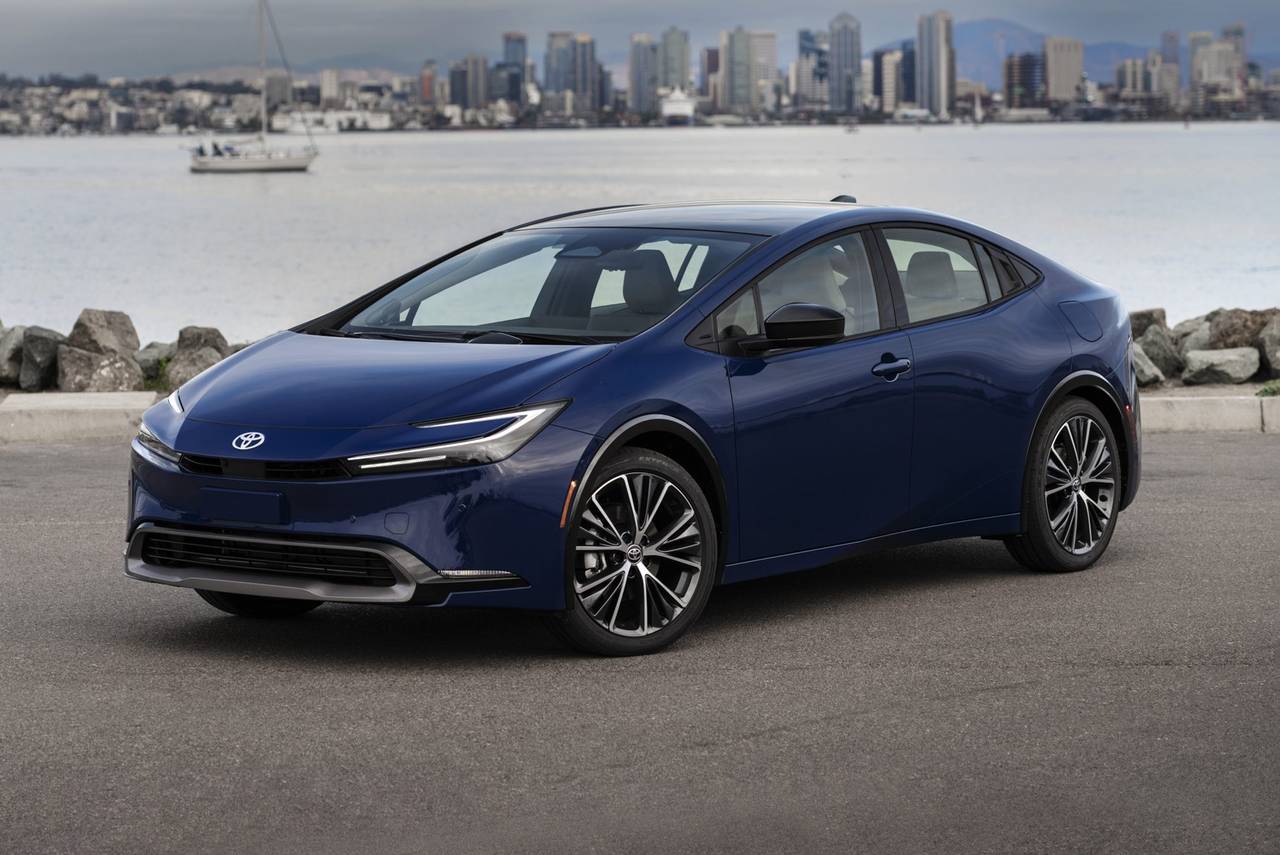
When it comes to reliability, the Toyota Prius has a reputation for being one of the most dependable and long-lasting vehicles on the market. Let’s take a closer look at what makes the Prius such a reliable choice for eco-conscious drivers.

Toyota Prius Reliability Ratings

According to various industry reports and consumer surveys, the Toyota Prius consistently receives high marks for reliability. The JD Power Vehicle Dependability Study, for example, consistently rates the Prius as above average in terms of reliability, citing its solid build and low incidence of major issues. Additionally, Consumer Reports has given the Prius high reliability ratings year after year.

How Reliable is the Toyota Prius

Credit: www.edmunds.com

Dependable Hybrid Technology

As the pioneering hybrid vehicle in the mass market, the Toyota Prius has set the standard for dependable hybrid technology. The Prius is equipped with a sophisticated hybrid powertrain that has been proven to be durable and efficient. The seamless integration of the electric motor and gasoline engine means that Prius owners can enjoy the benefits of hybrid technology without having to worry about frequent maintenance or repairs.

Longevity and Low Maintenance Costs

One of the key factors that contribute to the Prius’ reputation for reliability is its longevity and low maintenance costs. The hybrid system in the Prius is designed to last for the lifetime of the vehicle, and many Prius models have been known to exceed 200,000 miles with minimal issues. Additionally, the Prius is known for its low maintenance and repair costs, thanks in part to its efficient and well-engineered hybrid components.

How Reliable is the Toyota Prius

Credit: cars.usnews.com


Quality and Commitment to Sustainability

Toyota has a long-standing reputation for building high-quality, reliable vehicles, and the Prius is no exception. The company’s commitment to sustainability and environmental consciousness is reflected in the quality of the Prius. From the use of eco-friendly materials to the rigorous testing of its hybrid technology, Toyota has gone to great lengths to ensure that the Prius is a reliable and environmentally responsible vehicle.

Frequently Asked Questions On How Reliable Is The Toyota Prius

Is The Toyota Prius A Reliable Car?

Yes, the Toyota Prius is known for its reliability, thanks to Toyota’s commitment to high-quality manufacturing and engineering.

What Is The Average Lifespan Of A Toyota Prius?

On average, a Toyota Prius can last for 200,000 to 300,000 miles or about 10 to 15 years with proper maintenance.

Are Toyota Prius Parts Expensive To Replace?

While some Toyota Prius parts may be slightly more expensive than average, their availability and durability often offset the cost, making it a cost-effective choice in the long run.

Conclusion

In conclusion, the Toyota Prius is a remarkably reliable vehicle that has earned the trust of eco-conscious drivers around the world. Its strong reliability ratings, dependable hybrid technology, low maintenance costs, and commitment to quality make it a top choice for those looking for a long-lasting and environmentally friendly vehicle.