Recent Posts

Is Hyundai Stock A Good Buy


Hyundai's stock presents an intriguing investment opportunity, especially considering their aggressive shift towards electric vehicles (EVs), positioning them as leaders in automotive innovation and environmental initiatives. This move has significant potential to enhance their market position and financial health, making their stock an attractive option for investors.

However, it's crucial to weigh the global economic uncertainties and the specific risks associated with the automotive sector.

Hyundai's Financial Overview

hyundai s strong financial performance

Hyundai's financial status is strong, with increasing revenue and good profit margins, making it a good investment option. The company has successfully dealt with global market challenges. Last year, Hyundai's revenue grew steadily due to its effective product lineup and market strategies.

Hyundai's profit margins are also strong, showing the company's ability to turn sales into profit efficiently. This indicates Hyundai's strong operational and cost management skills. For investors, this means Hyundai is capable of increasing its profits.

Moreover, Hyundai is focused on reinvesting in its business and innovation, as seen in its financial statements. This shows Hyundai isn't only doing well now but is also preparing for future growth.

Market Position and Competitiveness

Hyundai stands out in the competitive car market by using innovative strategies and offering a strong lineup of cars. They've adapted quickly to what customers want, focusing on making cars that are reliable, safe, and affordable. This approach has helped them secure a strong position in various global markets and attract a wide range of customers.

Hyundai is also known for its excellent marketing and customer service, understanding that the buying experience is just as important as the car itself. They offer some of the best warranties, showing their confidence in their cars' quality and building trust with customers.

Furthermore, Hyundai has a significant global presence. They've formed partnerships and collaborations to expand their reach. They're especially strong in the United States, Europe, and Asia. This global presence helps them make more money from different regions and protects them against financial losses in any one region.

Innovations in Electric Vehicles

advancements in electric transportation

Hyundai is advancing in electric vehicle (EV) technology. They've launched new models that are both high-performing and environmentally friendly. Hyundai aims to improve driving by focusing on longer battery life and shorter charging times. They've introduced ultra-fast charging stations to make long trips easier.

Hyundai leads in adding new technology to their EVs, including autonomous driving, smart navigation, and app-based controls. These features make Hyundai EVs more than just cars; they're tools for future mobility.

Global Economic Impact

Hyundai's work in electric vehicle technology is affecting the global economy, changing market trends, and how energy is used. Countries are now focusing more on green solutions, increasing demand for Hyundai's electric vehicles. This shift isn't only about cars but also about moving towards electric power and away from fossil fuels.

Hyundai's move into electric mobility is creating jobs in manufacturing and technology, especially in areas related to batteries and electric drives. This is bringing economic growth and more consumer spending in areas needing industrial development.

Hyundai's influence goes beyond its home country due to its global presence. Its focus on electric vehicles is making suppliers and competitors adopt more sustainable practices. This is changing the automotive industry and global trade, as both countries and companies start to follow these new trends.

Investment Risks and Rewards

financial risks analyzed thoroughly

When considering investing in Hyundai's move into electric vehicle (EV) technology, it's important to look at both the potential benefits and risks. Hyundai is a leading company in EV innovation, which could lead to significant profits. However, the auto industry is very competitive and developing new technologies is expensive.

  • Market Position: Hyundai is a leader in EV innovation but faces a lot of competition.
  • Financial Health: Hyundai has strong sales but spends a lot on research, development, and production.
  • Global Reach: Hyundai is growing in important markets but could be affected by trade issues.

Hyundai's strong place in the EV market could result in high returns as more people want electric cars. The company's good sales show it has a solid business. Hyundai's growth in different countries offers new chances.

However, there are clear risks. The competition in the auto industry is intense, and Hyundai has to spend a lot on research and making products. Being in many countries also means trade problems could hurt profits. It's important to think about these points before deciding to invest.

Conclusion

Hyundai is doing really well with its money and is one of the top car companies. They are making great electric cars and are good at dealing with money problems around the world. But, investing in Hyundai has some risks too. If you think electric cars are the future and Hyundai is doing a great job, you might want to think about buying Hyundai stock. It's a good idea to check if this fits with what you want from your investments.

It's important to consider the potential risks and rewards of investing in Hyundai, especially in the context of the growing electric car market. Make sure to do your own research and consider seeking advice from financial experts before making any investment decisions.
How to Get Rid of Maintenance Required Light on Toyota Corolla


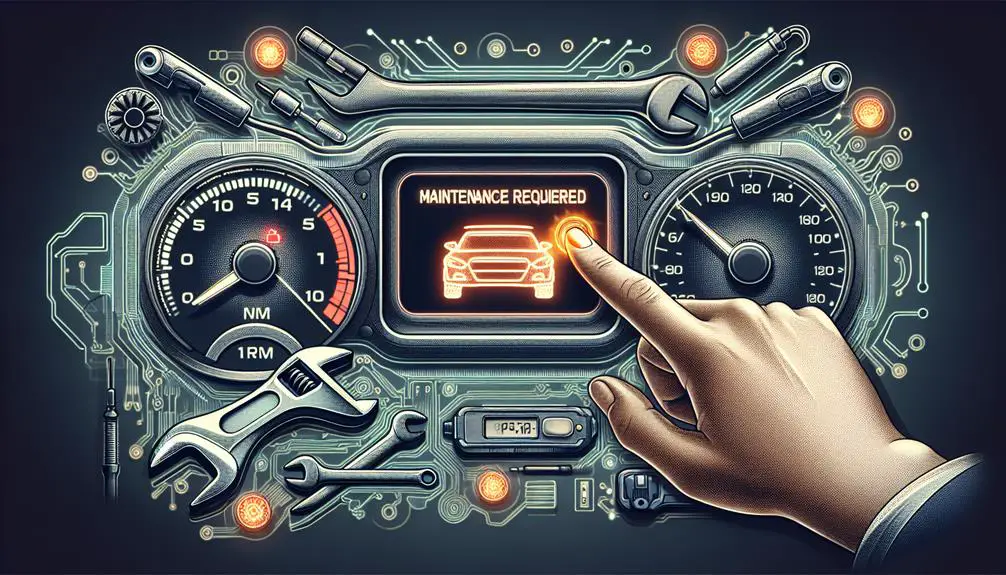
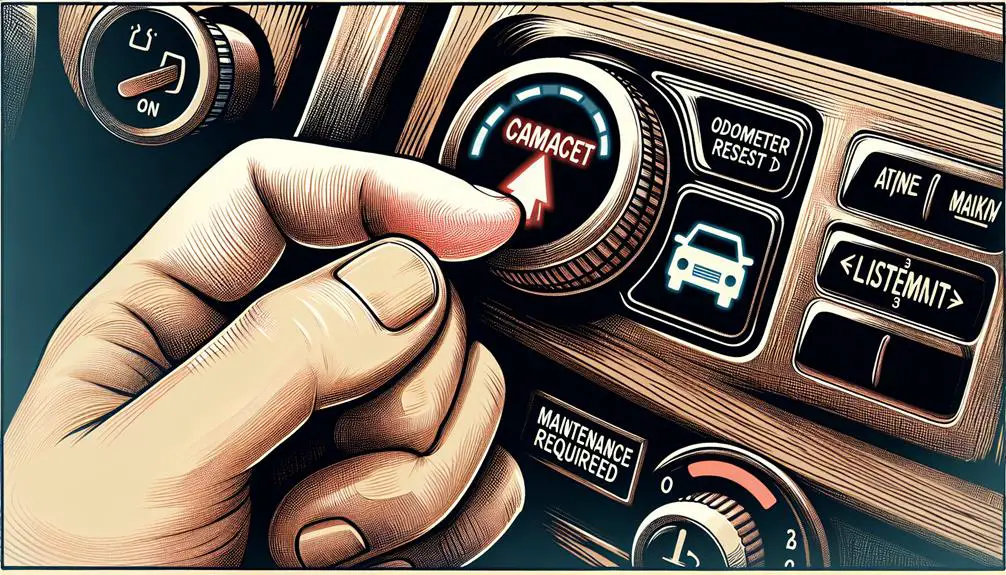
To reset the maintenance required light on a Toyota Corolla, follow these steps:

  • Turn the ignition to the 'On' position.
  • Press the odometer button until it reads the actual mileage.
  • Turn the ignition off.
  • Press and hold the odometer button while turning the ignition back to 'On'.

Understanding the Maintenance Light

decoding car maintenance alerts

Before you turn off the maintenance required light on your Toyota Corolla, know that this light is a reminder for regular car maintenance. It usually turns on after driving around 5,000 miles and suggests it's time for an oil change or other maintenance tasks.

Is it urgent? No, it's not like a check engine light, but don't ignore it. Keeping up with maintenance helps your car last longer and run better. Ignoring it could cause bigger, more expensive problems later.

Preparing to Reset the Light

To turn off the maintenance light on your Toyota Corolla, follow these simple steps.

First, check the service manual to know the correct method for resetting the light.

Next, make sure you have your car keys and maybe a pen and paper to jot down any steps.

Lastly, ensure you've completed all needed maintenance tasks. This isn't just about turning off a reminder, but also making sure your car is well-maintained.

Now, you're ready to reset the light.

Step-by-Step Reset Process

resetting your device guide

To reset the maintenance light on a Toyota Corolla, follow these steps:

  1. Turn the ignition key to 'On' without starting the car.
  2. Find the odometer button or dial near the speedometer. Make sure the display shows the total mileage, not the trip meter.
  3. Turn the key back to 'Off'.
  4. Press and hold the odometer button. While holding, turn the key to 'On'. Keep holding until the maintenance light blinks.
  5. Release the button when the light blinks. Wait for it to be steady.
  6. Press and hold the button again until the light turns off. This completes the reset process.

Troubleshooting Common Issues

Resetting the maintenance light on a Toyota Corolla can sometimes have issues. Here's how to fix common problems:

  1. Light Doesn't Reset:
  • Make sure you followed the reset steps correctly. Missing a step or not pressing a button long enough can cause issues. If you've checked and the light still doesn't reset, there might be a problem with the car's computer. It's best to see a mechanic.
  1. Error Messages:
  • Error messages after trying to reset can mean there's a problem with the car's diagnostic system. Check that the car's battery is fully charged and working well. If errors continue, you might need professional equipment to find the issue.
  1. Maintenance Light Turns Back On:
  • If the maintenance light comes back on soon after resetting, your Corolla might've a problem that needs looking into. It could be a small issue or something more serious. Don't ignore it; get the car checked.

If you run into these issues while resetting, remember it's okay to ask for professional help.

Maintaining Your Corolla Post-Reset

resetting maintenance on corolla

After you reset the maintenance light on your Toyota Corolla, it's important to continue taking care of your car. This helps it work well for a longer time and avoids expensive repairs later. Here's a simple guide for keeping your Corolla in good shape after resetting the light.

Make sure to change the oil regularly. Clean oil is essential for your engine to work well and not overheat. Usually, you should change the oil every 5,000 miles, but check your owner's manual for your specific model's recommendations.

Also, take care of your tires. Rotate them regularly and keep them inflated correctly to make them last longer and to help your car use less fuel.

Don't forget about your brakes. If you hear strange noises or notice they're not working as well, get them checked right away.

Here's a quick table to remind you:

Maintenance Task Frequency
Oil Change Every 5,000 miles
Tire Rotation Every 5,000 to 7,500 miles
Brake Inspection At every oil change

Conclusion

You've fixed the maintenance required light on your Toyota Corolla like an expert. By knowing what it means, getting ready, and following easy steps to reset it, everything is good again.

If there were any problems, figuring them out should have made things better. Remember, resetting the light isn't just about turning off a warning; it's about making sure your Corolla stays in great shape.

Keep up with regular check-ups to make sure your car is always ready to go.

How Fast Can A Hyundai Elantra Go


The Hyundai Elantra can achieve a top speed of approximately 120 to 140 mph, depending on the model and engine configuration. Its acceleration from 0 to 60 mph can range from around 6 to 9 seconds.

These performance metrics are influenced by factors such as the Elantra's powertrain options, which include several four-cylinder engines ranging from a fuel-efficient 147-hp 2.0-liter to a more powerful 201-hp turbocharged 1.6-liter. Variations in the Elantra's performance also stem from its transmission choices, including manual, automatic, and continuously variable transmissions (CVTs), along with performance-tuning and weight.

This compact sedan manages to balance efficiency with a surprisingly spirited driving experience, making it a competitive choice in its segment.

Elantra's Top Speed

fastest hyundai elantra ever

The Hyundai Elantra can reach a top speed of up to 130 mph, depending on the model and year. Its speed is due to its design, engineering, and the types of engines it uses.

The Elantra's design helps it move through air easily, which helps it go faster without needing more power. Its engines, especially the turbocharged ones, provide the power needed for high speeds. The transmission system, whether manual or automatic, also helps the Elantra reach its top speed efficiently.

These features make the Elantra fast.

Acceleration Breakdown

To understand the Hyundai Elantra's acceleration, we focus on its 0 to 60 mph time. This is important for evaluating its performance in situations like highway merging or starting quickly at lights.

The Elantra typically accelerates from 0 to 60 mph in 8 to 9 seconds, depending on the model year and engine. While not the fastest, it's adequately quick due to its light build and efficient power use, making it suitable for daily use.

Engine Specifications

engine details and specs

The Hyundai Elantra has different engines for different needs. Here are the engines and their power:

  • 2.0L 4-cylinder: 147 hp
  • 1.6L Turbocharged 4-cylinder: 201 hp
  • 1.4L Turbocharged 4-cylinder: 128 hp
  • Smartstream 1.6L Hybrid: 139 hp combined

These engines come with manual or automatic transmissions. The 2.0L 4-cylinder is the standard engine, providing good efficiency and speed.

The 1.6L turbocharged engine offers more power with 201 hp. For better fuel efficiency, the 1.4L turbocharged and the Smartstream 1.6L hybrid engines are the best choices.

Each engine uses advanced technology for a better driving experience.

Performance Features

The Hyundai Elantra offers various features to enhance driving pleasure and performance. It includes:

  • Sport-Tuned Suspension: This makes the Elantra handle smoothly and remain agile. It provides a comfortable ride in both city and highway conditions.
  • Drive Mode Select: This feature allows drivers to adjust the car's performance settings. You can choose from Normal, Sport, and Smart modes based on your preference or driving scenario.
  • Paddle Shifters: Available in some models, these allow drivers to change gears quickly without removing their hands from the steering wheel, making driving more engaging.
  • Turbocharged Engine Options: The Elantra also has turbocharged engines for those who want more power. These engines offer higher horsepower and torque.

Speed Comparisons

speed of different vehicles

The Hyundai Elantra has a top speed of 130 mph, making it faster than many cars in its category. Here's a comparison with similar vehicles:

  • Honda Civic: 125 mph
  • Toyota Corolla: 112 mph
  • Ford Focus: 120 mph
  • Chevrolet Cruze: 125 mph

The Elantra is faster than these competitors, showing it's a fast car. It's designed to be quick and safe to drive. Choosing the Elantra means picking a car that's fast, efficient, and reliable.

Hyundai aims to make cars that are exciting to drive, and the Elantra is a good example of this. If you're interested in speed, the Elantra is a car to consider.

Conclusion

The Hyundai Elantra is pretty fast and can speed up quickly. It has a special engine that makes it go fast and has some cool features to help it perform better.

It's just as good as other cars like it, because it's fast but also doesn't use too much gas. When you drive an Elantra, it's not just about getting to where you need to go; it's also about having fun while driving.

How to Turn off Passenger Airbag Hyundai I20


To turn off the passenger airbag in a Hyundai i20:

  • Locate the airbag deactivation switch, often found in the glove box or on the dashboard.
  • Use your key to switch it to the 'Off' position.

Always ensure compliance with safety and legal standards.

Understand the Risks

engaging with climate change

Before turning off the passenger airbag in your Hyundai i20, know the risks. Airbags save lives by reducing injury risk in crashes. Turning off the airbag removes protection for the front-seat passenger.

You may consider turning off the airbag for a rear-facing child seat in the front. This is sometimes recommended, but it's important to consider the risks. Without the airbag, even small accidents can cause serious injuries.

Turning off the airbag can also cause legal problems in some places. You could be responsible for injuries and face fines or penalties.

Insurance companies may increase your premiums if you disable airbags. They might also deny coverage or claims after an accident, costing you money.

Locate the Airbag Switch

To find the airbag switch in your Hyundai i20, look on the passenger side of the dashboard. Here are steps to help you find it:

  1. Check near or inside the glove compartment.
  2. Look for a key slot which indicates the airbag switch.
  3. Look for the airbag symbol, which looks like a person with a circle in front.
  4. Check the sides of the dashboard, near the car door.
  5. If you can't see the switch, it might be recessed. Feel along the dashboard for it.

Prepare Your Key

keep keys handy always

Check if your key is a flathead, which is needed for the airbag switch slot. Not all keys fit, so make sure yours is compatible. If it's from your keyring, it should have a flat, wide end. Avoid using Phillips-head or special keys.

Clean your key before using it. Remove any dirt or debris to prevent it from getting into the slot. You can clean it with a cloth, and if needed, use rubbing alcohol. Make sure the key is dry before inserting it.

Know how to correctly insert the key. Some keys may need a specific side facing up, though this is rare for flathead keys. Inserting the key should be easy and not require force. If it's difficult, the key might be incorrect or inserted wrongly.

Handle the key gently but firmly. Avoid rough movements or applying too much pressure to prevent damage to the switch or the key. Aim for a balance between confidence and caution.

Disable the Airbag

To turn off the passenger airbag in a Hyundai I20, follow these steps:

  1. Make sure the car is off to avoid any electrical problems or accidental airbag deployment.
  2. Find the passenger airbag switch, usually on the passenger's side of the dashboard, near the glove box, or on the side visible when the passenger door is open.
  3. Use your key or a small tool to turn the airbag switch to the “Off” position.
  4. Take your key out of the switch.

Only disable the airbag if necessary, like when putting a child seat in the front.

Confirm Deactivation

deactivating with confirmation needed

To make sure the passenger airbag is off in your Hyundai I20, follow these steps:

  1. Look at the dashboard for the airbag indicator. If you see a light or symbol that says 'Airbag Off' or shows an airbag with a cross through it, the airbag is off. This light should be on after you start the car.
  2. If you don't see the indicator, you might've made a mistake in turning off the airbag. Check the steps again or look at your car's manual. Remember, the way to turn off the airbag and the symbols can vary by the car's model year, so it's best to consult the manual for your specific Hyundai I20.

Conclusion

You've learned how to turn off the passenger airbag in your Hyundai i20 safely. This is something you might do if you need to put a child's seat in that spot.

Always think carefully before turning off any safety feature like this. To turn off the airbag, find the switch, use your key the right way, and make sure it's turned off.

You can check if it's off by looking at your car's alerts. Remember to always be safe and careful when driving.

Why Does My Brake Light On My Dash Stay On When My Car Is Off


  • If your brake light stays on when your car is off, it could indicate issues like an engaged parking brake, low brake fluid levels, or a faulty brake system sensor.
  • Addressing these can prevent further complications.

Parking Brake Engagement

securely engage vehicle s brake

When you use the parking brake, a light turns on to show it's working. If this light doesn't go off after you release the brake, there's a problem.

First, make sure you fully released the parking brake. It mightn't be all the way down or up because it's stuck or not aligned right. Try moving it again to see if the light goes off. This simple step can often fix the issue.

The issue might also be with the parking brake sensor. This sensor tells your car when the brake is on. If it's not working right, like being stuck, dirty, or loosely connected, it can make the light stay on even when the brake is off.

If the light is still on after checking these things, you should get help from a professional. Driving with this issue can be unsafe and lead to bigger problems.

Low Brake Fluid Levels

Your brake light staying on could mean you have low brake fluid. This fluid is essential for your brakes to work. If the level is low, you might have a leak or need more fluid.

To fix this:

  1. Find the brake fluid reservoir under the hood, usually near the back on the driver's side. Check the fluid level.
  2. If the fluid is below the 'MIN' line, add the right brake fluid until it reaches the 'MAX' line.
  3. Check for any leaks around the reservoir and brake lines.
  4. If adding fluid doesn't turn off the light or you see a leak, take your car to a mechanic.

Faulty Brake System Sensor

potential brake system malfunction

If your brake light is on even after you check the fluid levels, you might've a bad brake system sensor. This sensor is important because it checks things like brake fluid pressure and brake pad condition. If it's not working right, it can make the brake light stay on.

To see if the sensor is the problem, a mechanic can use special tools to talk to your car's computer. These tools can find error codes that show the sensor isn't working.

If the sensor is bad, you need to replace it. Don't ignore this because it can hide other brake problems and make driving unsafe. Also, a brake light that's always on can confuse other drivers. Fixing a bad brake system sensor is important for safety.

Damaged Wiring or Fuse

If your brake light stays on, it might be due to damaged wiring or a blown fuse, which can indicate bigger electrical issues in your car's brake system. Here's how you can fix this:

  1. Check Wiring: Look for damage like frayed wires or corrosion in the brake light wiring.
  2. Inspect Fuse Box: Find the fuse box in your car and locate the brake light fuse using your car's manual.
  3. Replace Blown Fuses: If you find a damaged fuse, replace it with a new one that has the same amperage.
  4. Get Help: If you're not sure or the problem continues, ask a professional for help. They can do a detailed check and fix any complex issues.

Fixing damaged wiring or fuses quickly helps your brake lights work right and avoids further problems.

Malfunctioning Dashboard Indicator

malfunctioning car dashboard light

A broken dashboard indicator might make you think your brake lights are broken when they're not. This can cause confusion and lead you to fix things that aren't broken. The dashboard shows warnings from the car's systems. If there's a problem with the dashboard, it might show wrong warnings like saying the brake lights are on when they aren't.

To fix this, you need to check the dashboard's electronics. This includes looking for loose wires, broken displays, or a broken instrument cluster. These problems can happen as cars get older or in bad conditions.

Don't ignore this problem. A broken indicator might show a bigger electrical issue in the car. It's best to see a mechanic who can check the car and find the real problem, whether it's a loose wire or something more serious in the dashboard. This helps make sure the car shows the right warnings.

Conclusion

Finding out that your brake light stays on when it shouldn't is important. It could mean a few things: maybe your parking brake is still on, you don't have enough brake fluid, there's a problem with a sensor, some wires are broken, or something's wrong with your dashboard light.

It's a big deal and you need to fix it. Checking it out and fixing it fast can help keep you safe when driving and save you money and trouble later.

Is The Hyundai Tucson A Reliable Vehicle


The Hyundai Tucson is generally viewed as a reliable vehicle, with positive feedback from owners and good reliability ratings from experts. It stands competitively against its rivals in terms of dependability and also boasts relatively low maintenance costs.

This makes the Tucson a compelling choice for those looking for a dependable and budget-friendly option for their daily commutes and longer journeys.

Understanding Car Reliability

analyzing automotive maintenance data

Car reliability is important when buying a car. It means how well a car works without many repairs. It's not just about how new or perfect it looks when you buy it, but how well it lasts over time.

Understanding car reliability involves looking at how likely it's for a car to have problems. This is important because car problems can be expensive and inconvenient.

To find out how reliable a car is, you can look at personal stories, expert opinions, and data from studies. These studies collect information about car problems to compare different cars.

Hyundai Tucson Reliability Ratings

The Hyundai Tucson is considered reliable. It has good reliability ratings from car industry experts, which look at past and current models. It has also won safety awards, showing it's well-made and sturdy.

The Tucson doesn't have many recalls, meaning it usually doesn't have big problems or defects. Hyundai offers a strong warranty of 10 years or 100,000 miles, showing they trust their car's reliability.

Owner Reviews and Testimonials

customer feedback and ratings

Hyundai Tucson owners often praise its performance and durability. They say it drives smoothly in different conditions and appreciate its comfortable and quiet interior. Many are happy with its fuel efficiency, technology, and safety features. Owners find it reliable over time, which makes them consider buying another Hyundai.

However, some wish for stronger engines and a smoother transmission. Despite these issues, most feedback is positive.

Comparing Tucson to Competitors

The Hyundai Tucson stands out in the compact SUV market for its efficiency, comfort, and technology. It has a modern design, with a sleek exterior and an intuitive interior. The Tucson offers a variety of engine options to meet different needs, including fuel efficiency and power.

Key strengths of the Tucson include:

  1. Safety Features: It comes with many standard safety features like forward collision-avoidance assist, lane keeping assist, and driver attention warning.
  2. Technology and Connectivity: The Tucson has a user-friendly infotainment system that supports Apple CarPlay and Android Auto.
  3. Warranty and Reliability: Hyundai offers a leading warranty for the Tucson, highlighting its reliability.

While some competitors may excel in certain aspects, they often lack in others, making the Tucson a comprehensive choice in its class.

Maintenance and Repair Costs

high repair costs expected

When considering buying a Hyundai Tucson, it's important to look at its maintenance and repair costs, which are usually lower compared to many other cars in its class. This means owning a Tucson is more affordable when it comes to keeping it running well.

Routine maintenance is essential for any car's long-term performance, and the Tucson is designed to be economical in this aspect. Its maintenance schedule is set up so you don't need to visit the service center too often, with affordable costs for things like oil changes and tire rotations.

If you need to repair the Tucson, it's good to know that it's a durable vehicle. But if repairs are necessary, the parts are easy to find and cheaper than those for many other vehicles, thanks to Hyundai's efficient production and distribution.

Hyundai also offers a very good warranty, including a 10-year/100,000-mile powertrain warranty, which helps lower the cost for major repairs. This warranty is longer than many offered by other brands, helping protect your investment in the Tucson from unexpected repair costs.

Conclusion

In summary, the Hyundai Tucson is known for being very reliable. People who own one usually say it works great and doesn't have many problems.

When you look at other cars like it, the Tucson is often a better deal because it works well and doesn't cost a lot to fix.

So, if you need a car that you can count on to get you places without any trouble, the Tucson is a good option.