Recent Posts

How Many Miles Do Hyundai Tucson Last


The Hyundai Tucson is known for its durability, with many vehicles reaching over 200,000 miles when properly maintained. Key factors influencing longevity include regular maintenance, driving habits, and timely repairs.

To maximize the lifespan of a Tucson, owners should adhere to the manufacturer's service schedule, drive responsibly, and address any mechanical issues promptly. Real owner experiences often highlight the importance of these practices in extending the vehicle's life.

Average Lifespan Expectancy

average life span analysis

A Hyundai Tucson typically lasts about 200,000 miles with regular maintenance. This is based on many owners' experiences. If you drive about 15,000 miles a year, this means the car can last about 13 to 14 years.

To reach this mileage, proper care is important. Follow the service intervals in the owner's manual.

The Tucson's durability shows Hyundai's focus on quality. It's a reliable car for daily use and long trips for over a decade.

Factors Affecting Durability

To make a Hyundai Tucson last up to 200,000 miles, regular maintenance is essential. However, several factors affect its durability.

Driving habits are crucial. Hard acceleration and abrupt braking increase stress on the engine and brakes, leading to more repairs and a shorter lifespan. Gentle driving extends the car's life.

The driving environment also impacts durability. Extreme cold or heat, and salt on winter roads can damage your Tucson more quickly. Salt speeds up rust, and high temperatures stress the cooling system.

The types of trips you make matter too. Short trips that don't fully warm up the engine cause more wear over time. Longer, consistent-speed drives are better for the engine and the car's mechanics.

Maintenance Tips for Longevity

maintain for lasting lifespan

To maintain your Hyundai Tucson effectively, follow a regular maintenance schedule. Change the oil and oil filter every 5,000 to 7,500 miles to keep the engine in good condition. Check and replace air filters regularly to boost performance and fuel efficiency.

Monitor your Tucson's brakes and get them inspected with each oil change to detect any issues early. If you hear squealing or feel wobbling, get the brakes checked. Keep tire pressure and alignment correct to prolong tire life and ensure safe handling.

Check the battery every few months, especially before winter, because cold weather affects its performance. Follow Hyundai's service intervals for thorough checks, including transmission fluid changes and timing belt inspections.

Real Owner Experiences

After discussing how to maintain your Hyundai Tucson, let's look at what owners say about how long the car lasts.

Many Tucson owners say their cars last over 200,000 miles if they take good care of them. For example, one person said their 2013 Tucson reached 250,000 miles by following the maintenance guide.

Another person with a 2009 Tucson said their car went up to 220,000 miles. They mentioned doing regular maintenance like oil changes and checking the brakes helped keep the car going.

Some owners even said they didn't have big problems with the engine or transmission, showing the Tucson is well-made. They feel happy with a car that lasts a long time with the right care.

Upgrading for Mileage Maximization

improving fuel efficiency strategies

To make your Hyundai Tucson last longer and perform better, consider these upgrades:

  1. Better Tires: High-quality tires improve fuel efficiency and handling, which can help your car last longer.
  2. High-Quality Air Filters: A better air filter makes your engine more efficient, improving fuel economy and performance.
  3. ECU Remapping: Adjusting the Electronic Control Unit (ECU) can increase fuel efficiency and power, making your car perform better for longer.

Conclusion

To make your Hyundai Tucson last a long time, take good care of it. If you do, it can easily go over 200,000 miles.

How you drive and keeping up with car check-ups are important. Following advice from other Tucson owners and making smart updates can help a lot.

In the end, how long your Tucson lasts depends on you.

Is Hyundai As Reliable As Toyota


Hyundai has made significant improvements in reliability, closely approaching Toyota's renowned standards. While Toyota maintains a slight edge due to its long-standing reputation for dependability, Hyundai offers competitive reliability, along with strong warranty coverage and high consumer satisfaction.

The choice between Hyundai and Toyota now hinges more on personal preference and specific model performance than on broad brand reputation.

Historical Reliability Overview

historical accuracy and significance

Toyota has been known for reliable cars that last a long time and need few repairs. They've consistently been one of the top brands for reliability.

Hyundai used to have problems with reliability but has improved a lot over the last 20 years. Hyundai has worked hard on making better quality cars, focusing on design and offering good warranties. Their newer models are now much more reliable, and they're becoming as dependable as Toyota in some aspects.

Toyota continues to make reliable cars and is also focusing on innovation. Both brands now offer reliable cars, but Hyundai has shown significant improvement in reliability over time.

Consumer Satisfaction Insights

Hyundai and Toyota car owners are very satisfied. The main reasons include:

  1. Reliability: These cars don't need frequent repairs, making owners happier.
  2. Value for Money: Both brands offer good features, performance, and safety at a reasonable price.
  3. Customer Service: Both have good customer support teams, helping with maintenance or issues.
  4. Driving Experience: Comfortable and technology-friendly cars make driving enjoyable.

These factors contribute to the high satisfaction levels of Hyundai and Toyota car owners.

Warranty Comparison

product warranty comparison analysis

When comparing warranties, Hyundai offers a longer coverage compared to Toyota. Hyundai provides a more generous warranty, giving buyers more peace of mind. Toyota offers a standard warranty package which is also good but shorter in duration.

Here's a simple comparison:

  • Basic Coverage: Hyundai offers 5 years/60,000 miles, while Toyota offers 3 years/36,000 miles.
  • Powertrain Coverage: Hyundai offers 10 years/100,000 miles, Toyota offers 5 years/60,000 miles.
  • Roadside Assistance: Hyundai offers 5 years/unlimited miles, Toyota offers 2 years/unlimited miles.

This comparison shows Hyundai provides longer warranty coverage.

Common Issues and Recalls

Hyundai and Toyota, known for their reliability, have faced issues and recalls. They've dealt with several problems affecting customers' trust.

Here are some key issues:

  • Engine Problems: Both brands have had engine recalls. Hyundai's were mainly about engine failure and wear, while Toyota had issues with some models using too much oil.
  • Electrical Systems: Both have recalled cars for electrical faults, affecting things like fuel pumps and windows, causing inconvenience and safety risks.
  • Airbags and Safety Features: There have been recalls for airbags not working properly in crashes, posing serious safety risks.

Recalls show a company's effort to fix safety problems.

Future Reliability Predictions

future maintenance needs analysis

Hyundai and Toyota are expected to become more reliable in the future. Both companies have addressed past issues and are focusing on improving their cars. Hyundai is working on electric vehicles (EVs) and aims to lead in this area. As battery technology gets better, Hyundai's EVs should become more reliable and efficient.

Toyota is known for being reliable and is investing in hybrid and hydrogen fuel cell technology. This means Toyota's cars will likely stay reliable and become more environmentally friendly.

Conclusion

Hyundai and Toyota are both known for making cars that last a long time. Toyota has been known for this for longer, but Hyundai is getting better and their newer cars are really good too.

They both have had some problems with their cars, but Hyundai is working hard to make their cars more reliable. Both brands have cars that are good choices and will last you a long time.

It really comes down to what you like better because both are good options.

Are Hyundai Long Lasting Cars


Hyundai has emerged as a top contender in reliability rankings, showcasing their cars' longevity and durability.

This shift in perception is backed by consumer feedback and model-specific insights, which highlight Hyundai's commitment to quality.

Additionally, Hyundai's comprehensive warranty coverage and competitive overall cost of ownership further solidify its standing as a wise choice for those seeking a long-lasting vehicle.

This information is crucial for anyone contemplating their next car purchase and considering Hyundai as a viable option.

Hyundai's Reliability Rankings

hyundai s reliability performance ranking

Hyundai is highly ranked for reliability in the car industry. These rankings show Hyundai cars perform well and last long. Hyundai achieves high rankings by thoroughly testing their cars, using innovative engineering, and focusing on customer satisfaction.

All Hyundai models, from the Elantra to the Santa Fe, are made to high standards for reliability. Choosing a Hyundai means choosing a durable car and joining other satisfied Hyundai drivers. Hyundai's reliability isn't just impressive; it promises quality and dependability.

Consumer Feedback Analysis

Analyzing customer feedback shows that many drivers like Hyundai's durability and reliability. Stories exist of people driving their Hyundai for years, even over 200,000 miles, without many problems. This positive feedback is not just about one model but includes many, like the Tucson and Sonata. People believe Hyundai cars are reliable and cause fewer problems.

Here's a table summarizing these experiences:

Emotion Quote
Gratitude 'My Elantra reached 250k miles and still runs well. It was a great choice.'
Surprise 'Didn't expect my Accent to last longer than my more expensive car. Hyundai is great.'
Satisfaction 'After 10 years, my Santa Fe is still reliable. Hyundai makes durable cars.'

These testimonials show that Hyundai owners trust and value their cars for their reliability and long-lasting performance.

Model-Specific Longevity Insights

model specific longevity information provided

Exploring Hyundai models shows their durability over time. The Hyundai Sonata and Elantra are known for their reliability. With good maintenance, they can go beyond 200,000 miles. They keep performing well, offering a smooth drive for a long time.

The Hyundai Santa Fe and Tucson SUVs are also notable. They handle daily use and occasional off-road trips well. These SUVs maintain their performance and safety features even with high mileage.

The Hyundai Genesis stands out in the luxury category for its longevity. It uses high-quality materials, advanced technology, and has strong engine performance. This helps it keep its value and appeal over time.

These models show Hyundai's focus on creating cars that last and are enjoyable to drive for many years.

Warranty and Service Support

Hyundai is known for making reliable cars and offers strong warranty and service support to keep them in good condition. Here's a summary:

  1. Long Warranty: Hyundai provides a long warranty, with a 10-year/100,000-mile warranty for the engine and transmission, and a 5-year/60,000-mile warranty for most other car parts. This shows Hyundai's confidence in their car's quality.
  2. Roadside Assistance: Hyundai's Assurance program offers 24/7 help for 5 years, no matter how much you've driven. This means you can get help for problems like flat tires or dead batteries anytime.
  3. Free Maintenance: Hyundai gives 3 years or 36,000 miles of free maintenance for new cars, covering oil changes, tire rotations, and inspections. This saves money on upkeep in the early years of owning the car.

Cost of Ownership Considerations

cost of owning a car

When you're thinking about buying a Hyundai, remember to consider all costs, not just the initial price. This includes maintenance, fuel costs, insurance, and how much the car might lose in value over time. Hyundais are usually good on fuel, which can save you money. It's important to keep the car well-maintained to avoid future problems.

Insurance for Hyundais is often cheaper compared to more expensive brands. However, prices can differ depending on the model, so it's best to check. Over time, Hyundais can lose value faster than some other brands, but their resale value has been getting better recently.

Hyundai's strong warranty can also help lower costs in the first few years by covering many repair expenses. This makes Hyundai a smart financial choice. Keep all these points in mind to make a well-informed decision when buying your next car.

Conclusion

You've checked out how well Hyundai cars do when it comes to not breaking down, and you've read good things from people who've them for a long time.

You've also looked into which Hyundai cars are the best for keeping for years. Their promise to fix things if something goes wrong and help you with your car makes it even better.

When thinking about how much it costs to have a Hyundai, it's clear they're not just cheap to buy but also good for your wallet in the long run.

So, buying a Hyundai means you're getting a car that's made to last, which is a smart choice if you need a car for everyday use.

How to Check Oil Percentage in Toyota Highlander


If you own a Toyota Highlander, it’s essential to keep an eye on your oil percentage to ensure your engine is running smoothly. Regularly checking the oil percentage is crucial for the maintenance of your vehicle.

How to Check Oil Percentage in Toyota Highlander

Credit: www.genemessertoyota.com

Importance of Checking Oil Percentage

Maintaining the proper oil level and percentage in your Toyota Highlander is vital to ensure that your engine runs optimally. The oil lubricates moving parts, reduces friction, and helps dissipate heat, preventing engine damage and ensuring longevity.


Step-by-Step Guide to Check Oil Percentage

Checking the oil percentage in your Toyota Highlander is a straightforward process that you can do on your own. Here’s a step-by-step guide to help you through the process:

  1. Warm Up the Engine: Start your car and let the engine run for a few minutes to warm up the oil. This ensures that the oil has circulated through the engine and is at the correct level for an accurate measurement.

  2. Locate the Oil Dipstick: After turning off the engine, locate the oil dipstick under the hood of your Toyota Highlander. The oil dipstick is usually bright-colored for easy identification.

  3. Remove and Wipe the Dipstick: Carefully pull out the dipstick and wipe it clean with a cloth or paper towel to remove any residual oil and dirt.

  4. Reinsert and Remove the Dipstick: After cleaning the dipstick, reinsert it into the oil reservoir fully, and then pull it out again to check the oil level and percentage.

  5. Inspect the Oil Level: On the dipstick, you will see markings indicating the minimum and maximum oil levels. Check the oil level against these markings to determine the percentage of oil in your Toyota Highlander.

  6. Check the Oil Condition: While inspecting the oil level, also assess the condition of the oil. Fresh oil should appear clear and amber in color. If the oil looks dark or opaque, it may be time for an oil change.

How to Check Oil Percentage in Toyota Highlander

Credit: m.youtube.com

Understanding Oil Percentage Readings

When checking the oil percentage in your Toyota Highlander, it’s essential to understand the readings and what they mean for your vehicle. If the oil level is at or near the maximum mark, it indicates that your engine has sufficient oil, and the percentage is high. Conversely, if the oil level is closer to the minimum mark, it indicates a lower oil percentage, signaling a need to add more oil.

Importance of Maintaining the Right Oil Percentage

Ensuring that your Toyota Highlander maintains the proper oil percentage is crucial for the overall health and performance of your vehicle. An adequate oil level and percentage help prevent engine wear, reduce friction, and promote efficient operation, ultimately extending the life of your engine.

Regular Oil Changes

In addition to checking the oil percentage, it’s essential to adhere to the manufacturer’s recommended oil change intervals. Regular oil changes help maintain the integrity of the engine oil, ensuring optimal lubrication and protection for your Toyota Highlander’s engine.

Frequently Asked Questions Of How To Check Oil Percentage In Toyota Highlander

How Do I Check The Oil Percentage In My Toyota Highlander?

To check the oil percentage in your Toyota Highlander, start by parking the vehicle on level ground and allowing the engine to cool down. Locate the oil dipstick, typically located near the engine. Pull the dipstick out, wipe it clean, reinsert it, and then pull it out again to read the oil level.

The oil dipstick will have indicators for minimum and maximum levels, and the oil percentage can be determined based on where the oil level falls between these markers.

Why Is It Important To Check The Oil Percentage Regularly?

Regularly checking the oil percentage in your Toyota Highlander is crucial for maintaining the engine’s health and overall performance. Adequate lubrication provided by the oil is essential for reducing friction and preventing wear and tear on engine components. Monitoring the oil percentage helps ensure that the oil is at the optimal level and hasn’t depleted or become contaminated.

Regular checks allow you to address any issues promptly, preventing potential damage and extending the lifespan of your Highlander’s engine.

How Often Should I Check The Oil Percentage In My Toyota Highlander?

It is recommended to check the oil percentage in your Toyota Highlander at least once a month or before embarking on long journeys. However, it’s a good practice to consult your Highlander’s owner’s manual for specific guidelines regarding oil change intervals and frequency of checking the oil level.

Factors such as driving conditions and mileage can also affect how often you should check the oil percentage. Regular maintenance and monitoring ensure that your Highlander’s engine stays in optimal condition for consistent performance and longevity.

Conclusion

Checking the oil percentage in your Toyota Highlander is a simple yet crucial task in maintaining your vehicle’s performance and longevity. By following the step-by-step guide and understanding the significance of maintaining the right oil level, you can ensure that your Toyota Highlander’s engine remains in top condition, providing you with reliable and efficient performance for years to come.

How to Update Toyota Highlander Navigation System for Free


How to Update Toyota Highlander Navigation System for Free

Keeping your Toyota Highlander navigation system up to date is crucial to ensure accurate and efficient routing. However, purchasing updates can be expensive. Fortunately, there are ways to update your Toyota Highlander navigation system for free. In this article, we will guide you through the process of updating your navigation system without breaking the bank.


Updating via USB

If your Toyota Highlander is equipped with a navigation system that supports updates via USB, you’re in luck. Here’s a step-by-step guide to updating your navigation system using a USB drive:

  1. Visit the official Toyota website and navigate to the “Map Updates” section.
  2. Select your Toyota Highlander model and download the latest navigation update file compatible with your system.
  3. Insert a blank USB drive into your computer and transfer the downloaded update file to the USB drive.
  4. Once the file transfer is complete, safely eject the USB drive from your computer.
  5. Start your Toyota Highlander and insert the USB drive into the USB port on the navigation system.
  6. Follow the on-screen prompts to begin the update process. This may take some time, so be patient.
  7. Once the update is finished, reboot the navigation system to apply the changes. Your system is now updated with the latest maps and software.

Updating via SD Card

If your Toyota Highlander uses an SD card for navigation updates, the process is slightly different. Here’s how to update your navigation system using an SD card:

  1. Visit the official Toyota website and locate the “Map Updates” section.
  2. Choose the appropriate update file for your specific Toyota Highlander model and download it to your computer.
  3. Insert an SD card into your computer and transfer the update file to the SD card.
  4. Eject the SD card from your computer once the file transfer is complete.
  5. Start your Toyota Highlander and insert the SD card into the designated slot on the navigation system.
  6. Follow the on-screen instructions to initiate the update process. This may take some time, so remain patient.
  7. Once the update is complete, restart your navigation system to finalize the update. Your system is now equipped with the latest maps and software.
How to Update Toyota Highlander Navigation System for Free

Credit: www.reddit.com

Third-Party Options

In addition to the official Toyota updates, there are third-party options available for updating your Toyota Highlander navigation system. Some websites offer free or discounted navigation updates that are compatible with various Toyota models, including the Highlander. However, it’s crucial to ensure the legitimacy and compatibility of these third-party updates before proceeding.

Before considering a third-party option, thoroughly research the provider and read user reviews to gauge the reliability and effectiveness of the offered updates. Using third-party updates entails a degree of risk and may void your warranty, so proceed with caution.

How to Update Toyota Highlander Navigation System for Free

Credit: www.ebay.com

Benefits of Navigation System Updates

Keeping your Toyota Highlander navigation system up to date offers numerous benefits, including:

  • Accurate and up-to-date maps that reflect new roads, landmarks, and points of interest.
  • Improved route guidance and efficiency, leading to reduced travel times and fuel consumption.
  • Enhanced overall performance and functionality of the navigation system.
  • Minimized potential for navigational errors and detours.

Frequently Asked Questions Of How To Update Toyota Highlander Navigation System For Free

How Can I Update The Toyota Highlander Navigation System?

To update the Toyota Highlander navigation system, follow these steps:
– Visit the official Toyota website and navigate to the “Owners” section. – Enter your vehicle details, including the model and year of your Highlander. – Check for available updates for the navigation system and download them onto a USB drive. – Insert the USB drive into your vehicle’s USB port and follow the on-screen prompts to update the system. – Ensure your vehicle is parked in a well-ventilated area and is connected to a stable power source during the update process.

What Are The Benefits Of Updating My Toyota Highlander Navigation System?

Updating your Toyota Highlander navigation system brings several benefits:
– Access to the latest maps, ensuring accurate and up-to-date directions to your destinations. – Improved navigation performance, with enhanced routing and faster response times. – Additional features and functionalities not available on older software versions. – Resolving any known software issues or bugs, ensuring a smoother navigation experience. – Potential compatibility with new road networks, points of interest, or traffic data.

Can I Update My Toyota Highlander Navigation System For Free?

Toyota offers free software updates for a limited period for its navigation systems, including the Highlander. However, the availability of free updates may vary depending on the age and model of your vehicle. Visit the official Toyota website and check if your Highlander qualifies for free updates.

In some cases, you may be required to pay a fee or subscribe to a service plan to access the latest navigation system updates.

Conclusion

Updating your Toyota Highlander navigation system for free is entirely feasible, whether through official means or third-party options. By keeping your navigation system up to date, you can enjoy optimal performance, accurate guidance, and an overall enhanced driving experience. Whether you choose to update via USB, SD card, or explore third-party solutions, maintaining an updated navigation system is a worthwhile investment in your Toyota Highlander’s functionality and convenience.

How to Put Back Seats down in Toyota Highlander 2022


How to Put Back Seats Down in Toyota Highlander 2022

The 2022 Toyota Highlander is a versatile and spacious SUV that offers plenty of cargo space for all your adventure needs. Should you need to maximize the cargo space, putting down the back seats is essential. In this article, we will guide you through the process of folding down the back seats in a Toyota Highlander 2022, allowing you to transport larger items with ease.


Step-by-Step Guide

Follow these steps to put down the back seats in your Toyota Highlander 2022:

  1. Start by ensuring that the area around the back seats is clear of any objects or debris.
  2. Locate the release handles for the back seats. In the Toyota Highlander 2022, these handles are typically located at the top of the seat, near the headrest.
  3. Once you have identified the release handles, pull them to release the seatback. You may need to use some force, but be gentle to avoid any damage to the seats.
  4. After releasing the seatback, push it forward to create a flat surface. You may need to adjust the front seats to accommodate the newly expanded cargo space.

Benefits of Folding Down the Back Seats

Folding down the back seats in your Toyota Highlander 2022 offers numerous benefits, including:

  • Increased Cargo Space: By putting down the back seats, you can significantly increase the cargo capacity of your Highlander, allowing you to transport larger items such as furniture, sports equipment, or camping gear.
  • Enhanced Versatility: With the back seats folded down, your Highlander becomes more versatile, enabling you to configure the interior to suit your specific needs, whether it’s hauling gear for a weekend getaway or picking up larger items from the store.
  • Convenience: Folding down the back seats provides added convenience when loading and unloading cargo, as well as making it easier to clean and maintain the interior of your vehicle.
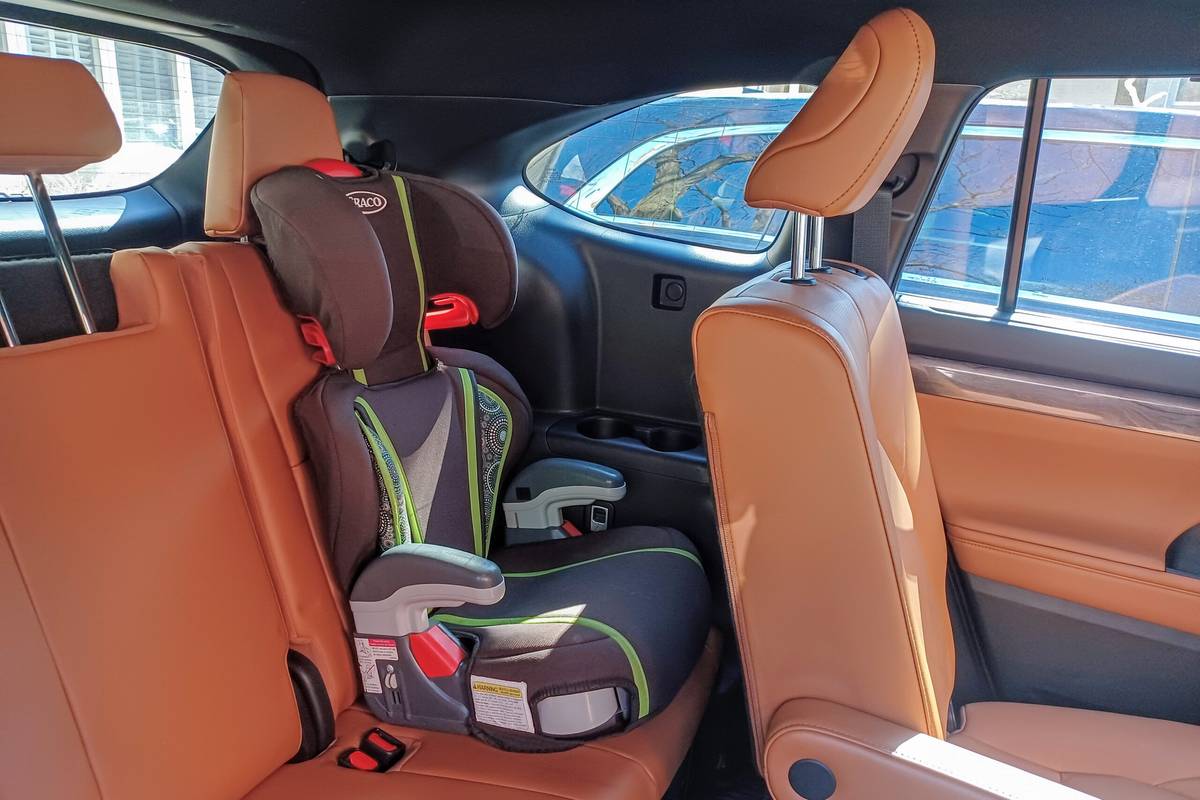
How to Put Back Seats down in Toyota Highlander 2022

Credit: www.cars.com

How to Put Back Seats down in Toyota Highlander 2022

Credit: m.youtube.com

Tips for Putting Down the Back Seats

Here are some useful tips to keep in mind when putting down the back seats in your Toyota Highlander 2022:

  • Clear the Area: Before folding down the back seats, ensure that the area behind the seats is clear to prevent damage to any objects and to allow for a smooth transition for the seats.
  • Protect the Seats: When folding down the back seats, be mindful of the seat fabric and any delicate components. If necessary, use a protective layer such as a blanket or sheet to prevent any damage during the process.
  • Secure Loose Items: If you have any loose items on the back seats, be sure to secure them or remove them before folding the seats down to prevent any shifting or damage during the process.

Frequently Asked Questions For How To Put Back Seats Down In Toyota Highlander 2022

How Do I Put The Back Seats Down In The Toyota Highlander 2022?

To put the back seats down in the Toyota Highlander 2022, locate the seat release lever on the side of the seat, and pull it up. Once released, push the seat down until it lays flat.

Can I Fold The Back Seats Separately In The Toyota Highlander 2022?

Yes, you can fold the back seats separately in the Toyota Highlander 2022. Each seat has its own release lever, allowing you to fold them individually to accommodate passengers and cargo.

What Are The Advantages Of Putting The Back Seats Down In The Toyota Highlander 2022?

Putting the back seats down in the Toyota Highlander 2022 provides several advantages. It expands the cargo space, allowing you to transport larger items. It also allows for more flexibility in arranging the interior to suit your needs, whether it’s carrying sports equipment or going on a road trip with friends or family.

Conclusion

Folding down the back seats in your Toyota Highlander 2022 is a straightforward process that can significantly expand the cargo space and versatility of your vehicle. By following the simple steps outlined in this guide and keeping the tips in mind, you can easily put down the back seats whenever the need arises, allowing you to make the most of your Highlander’s spacious interior.

Whether you’re planning a road trip, moving furniture, or simply need to transport large items, knowing how to fold down the back seats in your Toyota Highlander 2022 will enhance the practicality and functionality of your SUV, providing you with the freedom to carry more and make the most of every journey.