Recent Posts

How to Program Toyota Key Fob


To program a Toyota key fob, follow these steps. First, insert the master key into the ignition and quickly turn it from “Off” to “On” five times, ending in the “On” position.

Next, within 10 seconds, press any button on the key fob. Finally, turn the ignition to the “Off” position and remove the key. It is recommended to consult the vehicle’s user manual for specific instructions. Programming a Toyota key fob yourself can save time and money compared to visiting a dealership or hiring a locksmith.

Just follow the simple steps outlined above to successfully program your Toyota key fob.
How to Program Toyota Key Fob

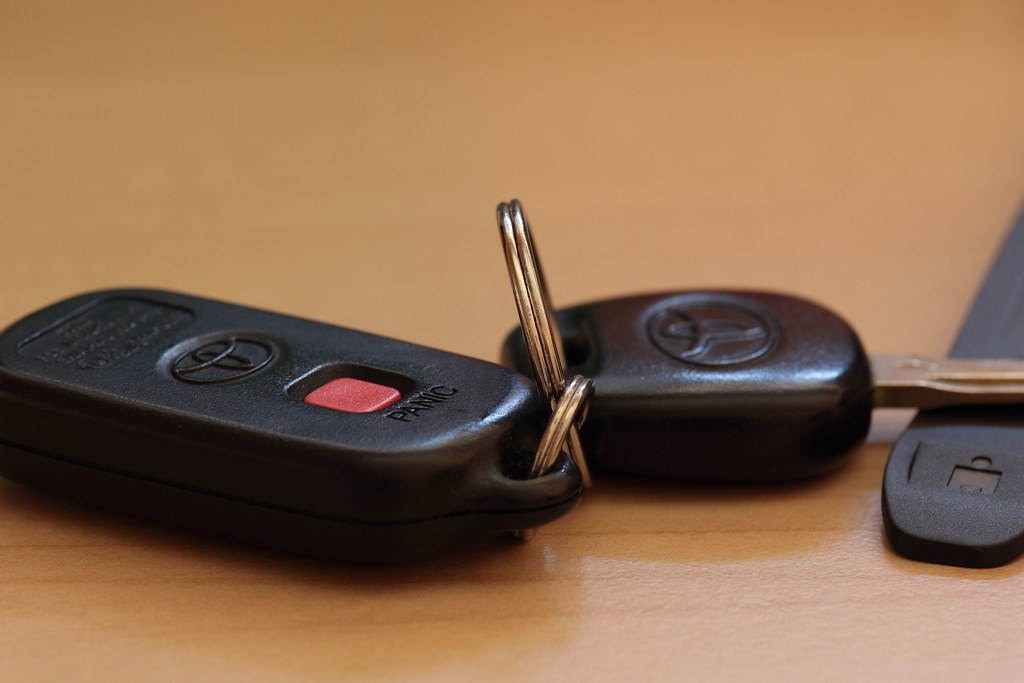
Credit: www.keithpiersontoyota.com

Methods For Programming

When it comes to programming a Toyota key fob, there are three main methods to consider, each with its own advantages and requirements. Whether you choose to self-program, use specialized equipment, or visit a dealership, it’s important to understand the process and determine the most suitable option based on your specific needs.

Self-programming

Self-programming a Toyota key fob can be a convenient and cost-effective option for some drivers, especially for older models. This method allows you to program the key fob without the need for any specialized equipment or professional assistance.

Using Specialized Equipment

For certain Toyota models, utilizing specialized equipment may be necessary to program a key fob. This method typically requires access to specific tools or programming devices, which may be available for purchase or rental. Professional guidance or technical knowledge may also be required to successfully program the key fob using this approach.

Visiting A Dealership

Visiting a dealership is often the recommended method for programming a Toyota key fob, particularly for newer models or vehicles with advanced security systems. Dealership technicians have the expertise, tools, and resources to ensure accurate and reliable programming of the key fob. While this option may involve additional costs, it provides peace of mind and assurance of proper functionality.

How to Program Toyota Key Fob

Credit: www.youtube.com

Step-by-step Guide

Learn how to program your Toyota key fob with our step-by-step guide. Avoid dealership fees by following our easy DIY instructions, saving time and money. Our simple process will have you back on the road with your new fob in no time.

Gathering Required Information

Before you start programming your Toyota key fob, there are a few pieces of information you need to gather. These include:

  • The make, model, and year of your Toyota vehicle
  • The specific programming instructions for your Toyota key fob, which can usually be found in your vehicle’s owner’s manual.
  • The replacement key fob that you want to program
  • A small, thin object like a paperclip or a key to press the programming button in your vehicle

Entering Programming Mode

Once you have gathered all the required information, you can now enter the programming mode for your Toyota key fob. This is the mode where the key fob can be recognized and programmed by the vehicle’s system. The process for entering programming mode may vary slightly depending on the make and model of your Toyota vehicle, but generally, it involves the following steps:

  1. Sit inside the driver’s seat of your Toyota vehicle and close all the doors.
  2. Insert the ignition key and turn it to the “on” position, without starting the engine.
  3. Within 5 seconds, locate and press the programming button in your vehicle. This button is usually located near the steering wheel or on the side of the dashboard.
  4. Hold the programming button for about 5 seconds or until you see the vehicle’s lights flash, indicating that it has entered the programming mode.

Programming The Key Fob

Now that you are in the programming mode, it’s time to program your Toyota key fob. The steps for programming may vary depending on the specific make and model of your key fob, so it’s important to refer to the instructions provided with your key fob. However, the general process involves the following:

  1. Press and release the lock and unlock buttons simultaneously on your key fob. Hold them for about 15 seconds or until you see the vehicle’s lights flash again.
  2. Release both buttons and wait for a few seconds.
  3. Press and release the lock and unlock buttons again, this time separately. Hold each button for about 2 seconds.
  4. Repeat this step for any additional key fobs you want to program for your Toyota vehicle.

Testing The Key Fob

Once you have finished programming all the key fobs, it’s important to test them to ensure they are working properly. Here’s how you can test your newly programmed Toyota key fob:

  1. Exit the programming mode by removing the ignition key and closing all the doors of your vehicle.
  2. Stand outside your Toyota vehicle and press the lock or unlock button on the key fob.
  3. Watch and listen for the vehicle’s locks to respond, indicating that the key fob is successfully programmed and can now be used to lock and unlock your Toyota vehicle.

Common Issues And Troubleshooting

How to Program Toyota Key Fob – Common Issues and Troubleshooting

When it comes to programming a Toyota key fob, there are a few common issues that you may encounter. Fortunately, most of these issues can be easily resolved with some troubleshooting steps. In this section, we will discuss the key fob not responding, incorrect programming, and battery replacement.

Key Fob Not Responding:

If your Toyota key fob is not responding, it can be frustrating. However, there are a few possible reasons why this might be happening. Here are some troubleshooting steps you can try:

  1. Make sure the key fob battery is not dead. Replace the battery if necessary.
  2. Ensure that you are within range of the vehicle. Stand close to the car and try again.
  3. Check if the key fob has been damaged or if the buttons are stuck. Clean or replace the key fob if necessary.
  4. Try reprogramming the key fob following the correct procedure.

Incorrect Programming:

If you have recently programmed your Toyota key fob but it is not working properly, it might have been programmed incorrectly. Here’s what you can do:

  • Double-check the programming instructions to ensure you followed all the steps correctly.
  • If you are unsure about the programming procedure, consult your vehicle’s owner’s manual or contact a professional locksmith for assistance.
  • Reset the key fob programming and start the process again from the beginning.

Battery Replacement:

The key fob battery plays a crucial role in the functioning of the Toyota key fob. If the battery is weak or dead, it can cause programming issues. To resolve this, follow these steps:

  1. Identify the type of battery your key fob requires.
  2. Purchase a replacement battery from an authorized dealer or an automotive store.
  3. Open the key fob using the designated slot or screws.
  4. Remove the old battery and replace it with the new one, ensuring the correct polarity.
  5. Close the key fob and test it to see if it is functioning properly.

By following these troubleshooting steps, you should be able to resolve common issues with programming a Toyota key fob. However, if the problem persists, it may be best to seek assistance from a professional locksmith or your local Toyota dealership.
How to Program Toyota Key Fob

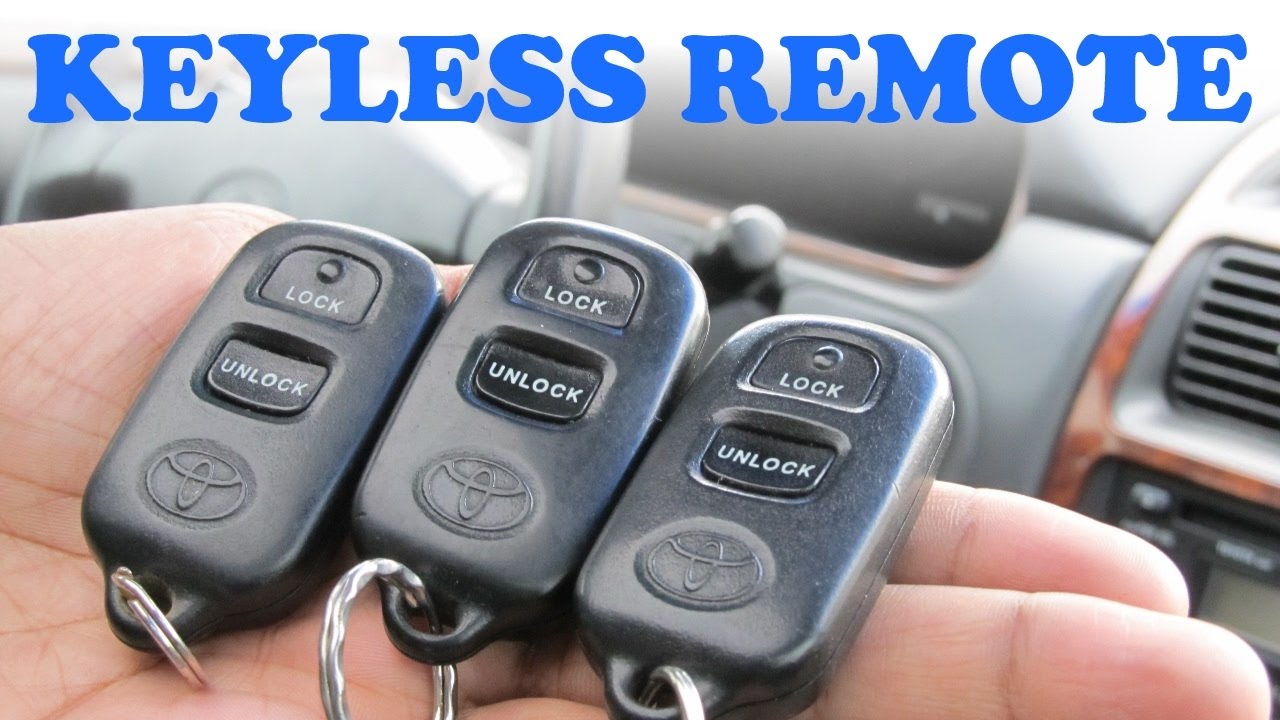
Credit: m.youtube.com

Frequently Asked Questions For How To Program Toyota Key Fob

Can I Program A Toyota Key Fob Myself?

Yes, you can program a Toyota key fob yourself. Some older models allow self-programming without specialized equipment or a dealership visit. There are different methods for programming, so check your vehicle’s compatibility with self-programming.

Can You Program A New Key Fob By Yourself?

Yes, you can program a new key fob for your vehicle by yourself. Some vehicles allow self-programming without specialized equipment or a dealership visit. There are various methods available, but your vehicle may only work with one or two of them.

How Do I Pair My Toyota Key Fob To My Car?

You can program your Toyota key fob without any specialized equipment or a visit to a dealership. Depending on your model, self-programming is possible, allowing you to pair the key fob to your car easily.

Conclusion

To sum up, programming your Toyota key fob can be easily done by following a few simple steps. Whether you choose the self-programming option or seek assistance from a professional, ensuring that your key fob works seamlessly with your vehicle is essential.

With the convenience and security it provides, programming your Toyota key fob is a worthwhile endeavor.


U1000 2008 Nissan Altima Sedan Meaning, Symptoms, Causes and How to Fix


If you’re diving into the world of car maintenance and upgrades, the u1000 2008 Nissan Altima sedan may have caught your eye. This model blends reliability with the thrill of customization, making it a prime candidate for those wanting to enhance their driving experience. Yet, navigating the sea of parts and advice can be daunting. Whether it’s upgrading for performance or ensuring your ride runs smoothly, understanding the ins and outs of your vehicle is crucial. This post aims to demystify the process, offering clear, expert guidance tailored specifically to your 2008 Nissan Altima.

Decoding U1000 in Nissan Altima

Code Meaning

The U1000 code signals a communication failure within the car’s network. This issue hints at a deeper problem affecting the vehicle’s ability to operate smoothly. It essentially means that the car’s brain isn’t talking right with its parts.

This error pops up when there’s trouble in the CAN (Controller Area Network) bus communication. The CAN bus is like the car’s nervous system, letting parts talk to each other. When it fails, messages get lost.

Impact Significance

Understanding this code early is crucial. It prevents bigger problems in your Nissan Altima. Ignoring it might lead to system malfunctions or worse, leaving you stranded.

Early diagnosis keeps your car running well. It saves you time and money on big repairs later.

Early Diagnosis

To fix U1000, a mechanic checks the CAN bus lines for damage. They look for loose connections too. Sometimes, updating the car’s software fixes it.

Fixing this early keeps your car reliable. It ensures all systems work together smoothly.

Symptoms of U1000 Code Error

Check Engine

The check engine light often shines bright when the U1000 code error appears. This is your car’s way of saying, “I need help.”

Drivers might see the dashboard lights acting up too. They can flicker or dim unexpectedly.

Starting Issues

etimes, the Nissan Altima won’t start smoothly. It may take a few tries before the engine roars to life.

There could also be moments when the car stalls. This usually happens at the least convenient times, like in heavy traffic or at busy intersections.

Electronic Glitches

Unusual electronic behavior is a common sign. For instance, the radio might turn on and off on its own.

Windows may also act strangely, either not opening or closing properly.

Impact on Vehicle Performance

Fuel Efficiency

The U1000 code in the 2008 Nissan Altima sedan spells trouble for fuel efficiency. This issue arises from the Engine Control Unit (ECU) not being able to monitor and adjust the engine’s performance accurately. Without precise data, the engine consumes more fuel than necessary.

Owners often see a noticeable dip in miles per gallon. They end up spending more at the pump. Automotive repair becomes crucial to address this problem and restore efficiency.

Emissions Increase

Increased emissions directly result from improper engine management. The U1000 code hinders the ECU’s ability to regulate fuel combustion effectively. This leads to incomplete burning of fuel.

As a consequence, harmful pollutants enter the atmosphere at higher rates. Auto repair shops can diagnose this issue, but repair costs can vary widely depending on the extent of the problem.

Vehicle Reliability

The reliability of your vehicle takes a hit with the U1000 code present. There’s a real risk of getting stranded due to failure to start or sudden power loss while driving. Such situations not only cause inconvenience but also pose safety risks.

Immediate attention from professional automotive repair services is essential. They can perform necessary diagnostics and replacements, potentially saving you from larger losses down the line.

Common Causes of U1000 Code

Wiring Issues

Damaged wiring or loose connections in the CAN bus are often to blame. These issues disrupt signals within the vehicle’s network. Mechanics look for worn-out wires first.

They also check for connections that might have come loose over time. This is a common issue in older models like the 2008 Nissan Altima Sedan.

ECU Problems

Possible corrosion or damage to the ECU can cause communication failures. The ECU acts as the car’s brain. When it’s damaged, many problems arise.

Corrosion often results from water damage or prolonged exposure to harsh environments. It leads to faulty readings and miscommunications within the vehicle’s systems.

Aftermarket Installations

Aftermarket installations can interfere with the electrical system. Not all aftermarket parts are compatible with the 2008 Nissan Altima Sedan’s original setup.

These installations might introduce new variables into an already complex network. They can lead to unexpected errors like the U1000 code.

Solutions for U1000 Code Fixes

Wiring Inspection

After understanding the common causes of the U1000 code in Nissan Altima sedans, it’s crucial to start with basic troubleshooting. Inspect all wiring and connections within the vehicle’s Controller Area Network (CAN). This network is like the car’s nervous system, sending information all around the vehicle.

Damaged wires can disrupt communication. Look for any signs of wear, tear, or corrosion. Repairing these issues might clear the trouble codes and restore normal function.

Professional Consultation

etimes, the problem goes beyond simple fixes. The Engine Control Unit (ECU) software may need an update. This task requires specific tools and expertise.

Consult a professional mechanic or a dealership. They can check if your ECU’s software is up-to-date. If not, they’ll update it for you. This step could resolve the U1000 issue by ensuring your car’s “brain” communicates effectively with all parts.

Non-Factory Installations

Another potential source of interference comes from non-factory electrical installations. These additions might seem harmless but can cause significant issues.

Remove any aftermarket audio systems, alarms, or other gadgets that weren’t part of your Nissan Altima when it left the factory. After removal, check if the U1000 code persists. Often, restoring the car to its original electrical setup can solve these complex problems.

Repairing U1000 System Procedure

Diagnostic Steps

After identifying the U1000 code as a potential issue in your 2008 Nissan Altima sedan, the first step involves using an OBD-II scanner. This tool confirms the presence of the U1000 code. It’s crucial because it points to communication problems within the vehicle’s network.

Next, a visual inspection of the CAN bus system is necessary. Look for any obvious signs of damage or disconnection. Sometimes, issues are as simple as loose connections that can be easily fixed.

Continuity Testing

Testing the continuity and resistance in the CAN bus lines is another critical step. It ensures that messages are properly communicated across the vehicle’s network. Use a multimeter for this process. You’re checking for consistent electrical paths without breaks.

A lack of continuity or incorrect resistance levels often indicates damaged wires or connectors. These need repair or replacement to restore proper communication.

Importance of Accuracy

It’s vital to approach each step with precision. A misdiagnosis can lead to unnecessary repairs and costs. Always double-check your findings and consider consulting with a professional if you’re unsure.

Severity of DTC U1000

Immediate Impact

The Diagnostic Trouble Code (DTC) U1000 for the 2008 Nissan Altima Sedan might not seem urgent at first. Many drivers notice no immediate change in their car’s performance. However, this code signals a communication issue within the vehicle’s network. It means parts of your car aren’t talking to each other properly.

This problem might start small. Yet, it can grow. Critical systems could fail without warning. Imagine driving without knowing if your airbags will deploy in a crash or if your ABS will work in an emergency stop.

Safety Risks

Safety should always be a top priority. The malfunction of vital systems like the Anti-lock Braking System (ABS) or airbags is a real risk with U1000. These features protect you and your passengers during accidents. Their failure due to communication errors can put everyone in the car at risk.

Remember, these issues might not show up right away. They can develop over time as the communication fault persists.

Costly Repairs

Ignoring DTC U1000 can lead to long-term damage to your vehicle’s electrical components. This isn’t just about replacing a wire or two. Entire systems might need overhaul or replacement. Such repairs are expensive and could have been avoided.

Electrical problems are tricky and costly to fix. Addressing them early prevents more severe damage later on.

Preventing Future U1000 Issues

Regular Checks

Regular vehicle maintenance is key. It helps spot and fix emerging electrical issues before they worsen. Faulty modules often trigger the U1000 code. Early detection can save lots of trouble later.

Experts recommend using a scanner to check for issues regularly. This tool can identify problems early on. Qualified professionals can then address these problems, preventing major issues.

Firmware Updates

Keeping the vehicle’s firmware updated is crucial. It ensures all electronic modules communicate smoothly. Outdated firmware might cause communication signals to fail, leading to the U1000 error.

Users should seek professional advice for updates. Experts know how to update firmware safely. They ensure your car’s system stays compatible with new software versions.

Avoid Modifications

Unauthorized modifications can harm your vehicle’s electrical system. They might disrupt the CAN network’s integrity, causing the U1000 code to appear.

Individual users should avoid making changes to their car’s electrical setup without expert guidance. Professional assistance ensures that any modifications do not interfere with normal operations.

Summary

Navigating the U1000 code in your 2008 Nissan Altima doesn’t have to be a headache. We’ve walked you through what this pesky code means, its symptoms, and how it affects your ride. More importantly, you now know the common causes and the best fixes to get your Altima back in top shape. Remember, tackling U1000 early prevents bigger issues down the road. You’ve got the knowledge—now it’s time to act.

Don’t let U1000 put a damper on your driving experience. Regular checks and being proactive about maintenance are your best bets against future troubles. Got more questions or need a hand? Reach out to a pro. Keep your Altima running smoothly and enjoy the drive without the worry of unexpected dashboard surprises. Ready to take charge of your vehicle’s health? Let’s get started.

Frequently Asked Questions

What does the U1000 code mean for a 2008 Nissan Altima Sedan?

The U1000 code indicates a communication failure between the car’s computer modules, signaling an issue with the CAN (Controller Area Network) bus line.

What are common symptoms of a U1000 code error in a Nissan Altima?

Symptoms include the engine light turning on, vehicle performance issues, and sometimes the car not starting.

How does a U1000 code impact the performance of my Nissan Altima?

A U1000 code can lead to decreased vehicle performance, including stalling, reduced fuel efficiency, and potential starting problems.

What causes a U1000 code in a 2008 Nissan Altima?

Common causes include faulty wiring or connections in the CAN bus, damaged control modules, or issues with the vehicle’s battery voltage.

What are some solutions for fixing a U1000 code in my car?

utions range from checking and repairing wiring issues to replacing defective control modules or updating module software.

How do I repair a U1000 system error in my Nissan Altima?

Repair involves diagnosing the specific cause, which could be electrical or module-related, and then addressing that issue directly through repairs or replacements.

Is a DTC U1000 severe for my vehicle’s health?

Yes, it can be severe as it affects communication between critical systems. Immediate diagnosis and repair are advisable to prevent further damage.

How can I prevent future U1000 issues in my Nissan Altima?

Regular maintenance checks of your vehicle’s electrical system and ensuring all firmware is up-to-date can help prevent future U1000 codes.

How to Replace Windshield Wipers Toyota Corolla


To replace windshield wipers on a Toyota Corolla, you first need to identify the blade type and buy replacements. Once you have the new wipers, the process is straightforward: lift the wiper arm, press the tab to remove the old blade, and slide in the new one until it clicks.

This simple process can help ensure your windshield wipers are in good working condition, providing clear visibility during rainy or snowy weather.

Identifying Wiper Blade Type

selecting correct wiper type

To replace the windshield wipers on your Toyota Corolla, first identify the type you have. There are three types: conventional, beam, or hybrid. Conventional wipers have a metal frame and are the most common. Beam wipers have a one-piece design and offer better windshield contact. Hybrid wipers mix features of both conventional and beam types.

Next, look at how the wipers attach to the arm. Toyota Corolla usually uses hook-type or pin-type attachments. Knowing the attachment type helps you buy the right replacement wipers.

Purchasing the Correct Blades

To buy the right wiper blades for your Toyota Corolla, follow these steps:

  1. Check the Manual: Look in your car's manual for the size and type of wiper blades you need.
  2. Measure the Blades: If you don't have the manual, measure your current wiper blades with a tape measure. Remember, the driver and passenger sides might need different sizes.
  3. Choose Quality Brands: Pick wiper blades from well-known brands. They might cost more but last longer and perform better in heavy rain.
  4. Think About the Weather: If it snows a lot where you live, get wiper blades made for winter. If it rains a lot, choose blades that work well in wet conditions.

Buying the right wiper blades for your Toyota Corolla helps you see clearly in bad weather, making driving safer.

Removing Old Wiper Blades

replacing worn wiper blades

To remove old wiper blades from a Toyota Corolla, lift the wiper arm from the windshield carefully to avoid breaking the glass. The wiper arm should stay up.

Find the small tab or button where the blade connects to the arm. The design might vary, but usually, you press or slide this tab to detach the blade. If it's hard to remove, don't force it. Look closely to figure out how it's attached; you might need to push, pull, or slide the tab.

After pressing or sliding the tab, gently pull the blade down towards the hood or slide it out. It should come off easily. If not, check you're doing it right.

Once removed, clean the wiper arm to remove dirt or debris. This helps the new blades work better and last longer. Cleaning helps maintain clear visibility through the windshield.

Installing New Wiper Blades

To install new wiper blades on a Toyota Corolla, follow these steps:

  1. Check Blade Size: Make sure you have the right size wiper blade for your Toyota Corolla model. You can find this information in your car's manual or by asking the retailer.
  2. Position the Wiper Arm: Adjust the wiper arm so it stands up, making it easier to attach the new blade.
  3. Attach the New Blade:
  • Carefully lift the wiper arm off the windshield to avoid damage.
  • Line up the new wiper blade with the arm. The blade usually connects to the arm with a mechanism like a tab or button that you need to press or slide.
  • Make sure the blade is securely attached by listening for a click or visually checking.
  1. Lower the Wiper Arm: Once the blade is attached, gently lower the arm back to the windshield to avoid damaging the new blade or the windshield.

Final Inspection and Testing

quality assurance before delivery

Check your new wiper blades on your Toyota Corolla by inspecting and testing them to make sure they're installed correctly. First, look at the wiper blades to ensure they're attached correctly to the arms and everything looks aligned. Pull on them gently to confirm they're secure.

Next, turn on your car's ignition to activate the electrical systems without starting the engine. Test the wipers at various speeds, including any intermittent settings. The blades should move smoothly across the windshield without making odd noises or skipping.

Then, test the wipers with water. You can wait for rain, use a hose, or pour water on the windshield. Turn the wipers on and watch how they clear the water. They shouldn't leave any streaks or spots.

If you find any problems, check if the blades are the right size or if they're attached correctly. Fix any issues and test again. It's important for your safety that your wiper blades work well.

Conclusion

You now know how to change the windshield wipers on your Toyota Corolla.

You figured out which wipers you need, bought the right ones, and took off the old ones easily.

Putting on the new wipers might've seemed hard at first, but you did it well by following the steps.

Don't forget to check everything carefully and test them to make sure they work right.

Now, with a clear view, you're ready to drive safely, no matter the weather.

How Long Does a Toyota Corolla Last


A Toyota Corolla can last up to 10 years.

Factors Affecting The Lifespan Of A Toyota Corolla

How Long Does a Toyota Corolla Last – Factors Affecting the Lifespan

A Toyota Corolla is known for its durability and longevity, but the lifespan of any vehicle can be influenced by various factors. Understanding these factors can help you make informed decisions about maintaining and caring for your Toyota Corolla. Let’s delve into the key elements that can affect the lifespan of this popular vehicle.

Maintenance And Repairs

Meticulous maintenance plays a crucial role in determining the lifespan of a Toyota Corolla. Regular maintenance such as oil changes, brake inspections, and fluid top-ups can prevent premature wear and tear. Additionally, addressing repairs promptly and using genuine OEM parts can extend the vehicle’s life.

Driving Conditions

Driving conditions greatly impact the longevity of a Toyota Corolla. Frequent stop-and-go traffic, rough terrain, and extreme weather can accelerate wear on the vehicle’s components. Conversely, smooth highways and moderate climates can contribute to a longer lifespan.

Quality Of Parts And Materials

The quality of parts and materials used in maintenance and repairs directly affects the lifespan of a Toyota Corolla. Using high-quality, genuine parts can ensure reliability and durability, while inferior materials may lead to premature wear and potential issues.

Average Mileage Expectancy For A Toyota Corolla

The average mileage expectancy for a Toyota Corolla is around 200,000 to 300,000 miles, making it a reliable and durable car that can last for many years. With proper maintenance and care, a Toyota Corolla has the potential to exceed these expectations and keep you on the road for even longer.

Reports And Studies

When it comes to determining the average mileage expectancy for a Toyota Corolla, there are a variety of reports and studies available that provide valuable insights. These studies help us understand the longevity and durability of this popular vehicle.

One such study conducted by Toyota of EasleyOpens in a new tab. indicates that the average lifespan of a Toyota Corolla can reach up to 10 years. This study takes into account numerous factors such as regular maintenance, driving habits, and environmental conditions.

Additionally, Beechmont ToyotaOpens in a new tab. states that the Toyota Corolla has a reputation for longevity, often lasting beyond 250,000 miles. This impressive figure is primarily due to the reliable engineering and quality construction of the Corolla.

Manufacturer Recommendations

In order to maximize the lifespan of a Toyota Corolla, it is important to follow the manufacturer’s recommendations for maintenance and care. Toyota provides specific guidelines to ensure the longevity of their vehicles.

According to Santa Cruz ToyotaOpens in a new tab., regular oil changes, tire rotations, and fluid checks are vital to keep your Corolla running smoothly. These routine maintenance practices help prevent premature wear and ensure optimal performance.

Moreover, Woburn ToyotaOpens in a new tab. advises Corolla owners to adhere to their recommended service intervals, which include periodic inspections and replacements of certain components. These guidelines further contribute to extending the life expectancy of the Toyota Corolla.


Longevity Of Specific Components

The Toyota Corolla is known for its longevity, with many models lasting well over 200,000 miles with proper maintenance. Components such as the engine, transmission, and overall build quality contribute to its durability. With regular care, a Toyota Corolla can provide reliable performance for many years.

Battery Life

The battery of a Toyota Corolla typically lasts between 3 to 5 years. However, this lifespan can vary depending on various factors such as driving conditions, maintenance, and climate. Extreme temperatures, both hot and cold, can significantly impact battery life. Regular maintenance and timely replacement are essential to ensure optimal performance.

Clutch Life

The clutch in a Toyota Corolla can last anywhere between 50,000 to 100,000 miles. The lifespan of the clutch depends on factors like driving habits, traffic conditions, and maintenance. Aggressive driving, excessive clutch slipping, or riding the clutch can significantly reduce its lifespan. Regularly checking the clutch system and addressing any issues promptly can help prolong its life.

Transmission Life

The transmission in a Toyota Corolla is known for its durability and longevity. With proper maintenance and care, the transmission can last well over 100,000 miles. However, it is essential to conduct regular fluid changes and address any transmission issues as soon as they arise. Maintaining the transmission system can help ensure smooth shifting and extend its lifespan.

How Long Does a Toyota Corolla Last

Credit: www.kingstoyota.com

Tips For Extending The Lifespan Of A Toyota Corolla

One of the most popular and reliable cars on the road, the Toyota Corolla has a reputation for its longevity and durability. By following some simple tips, you can extend the lifespan of your Toyota Corolla and ensure it remains in top condition for years to come.

Regular Maintenance

Regular maintenance is crucial for the long-term health of your Toyota Corolla. Schedule regular oil changes, check and replace the air filter when necessary, and keep an eye on the condition of the engine belts. By adhering to the manufacturer’s recommended maintenance schedule, you can significantly extend the lifespan of your vehicle.

Proper Driving Habits

Driving habits have a direct impact on the lifespan of your Toyota Corolla. Avoid aggressive driving and sudden acceleration or braking, as these actions can put unnecessary strain on the engine and other vital components. Additionally, adhering to speed limits and avoiding excessive idling can help maintain the overall health of your vehicle.

Using Genuine Toyota Parts

When it comes to replacing parts in your Toyota Corolla, always opt for genuine Toyota parts. These parts are specifically designed for your vehicle, ensuring compatibility and optimal performance. Using these parts will help maintain the reliability and longevity of your Toyota Corolla.

Why Do Toyota Corollas Last Longer Compared To Other Cars?

One of the questions many car buyers ask is, “How long does a Toyota Corolla last?” It’s no secret that Toyota Corollas have a reputation for longevity, often outlasting other vehicles on the road. So, what makes Toyota Corollas stand out? Let’s explore the reasons why these cars have an impressive lifespan.

Reliability And Durability

Toyota Corollas are known for their reliability and durability. These vehicles are built to last, with a strong and sturdy construction that can withstand the test of time. The reliability and durability of Toyota Corollas are a result of the brand’s commitment to quality engineering and meticulous attention to detail.

Quality Engineering

Toyota Corollas are meticulously engineered to ensure their long-lasting performance. From the engine to the transmission and every component in between, Toyota Corollas are designed with precision and quality in mind. The brand’s engineers prioritize durability, using high-quality materials and innovative technologies to create a car that can go the distance.

Proven Track Record

Toyota Corollas have a proven track record of longevity. These vehicles have consistently shown their ability to last for hundreds of thousands of miles with proper maintenance and care. Owners often share their stories of Toyota Corollas reaching impressive mileages, serving as a testament to their reliability.

In conclusion, Toyota Corollas have a reputation for lasting longer compared to other cars due to their reliability, durability, quality engineering, and proven track record. If you’re looking for a vehicle that will stand the test of time, a Toyota Corolla is an excellent choice.

How Long Does a Toyota Corolla Last

Credit: www.samlemantoyotabloomington.com

How Long Does a Toyota Corolla Last

Credit: www.vehiclehistory.com

Frequently Asked Questions Of How Long Does A Toyota Corolla Last

How Many Miles Will Toyota Corolla Last?

A Toyota Corolla can last up to 10 years or more and can typically reach a quarter-million miles or more with proper maintenance.

Can Toyota Corolla Last 500000 Miles?

Yes, a Toyota Corolla can last up to 500,000 miles.

What Is High Mileage For A Toyota Corolla?

The high mileage for a Toyota Corolla is around 200,000 miles, but with proper maintenance, it can last even longer.

Conclusion

The Toyota Corolla is known for its exceptional longevity, with many owners reporting their vehicles lasting well over 200,000 miles. With proper maintenance and care, a Toyota Corolla can provide reliable transportation for many years, making it a smart investment for those seeking a durable and dependable vehicle.

Cheap Dealer Hyundai


Yes, finding a cheap Hyundai dealer can be a reality. While deals vary, navigating through the options can lead you to surprisingly affordable offerings.

From identifying dealerships that prioritize value, to exploring the benefits of certified pre-owned vehicles, your journey doesn't end there.

Mastering negotiation strategies and keeping an eye on seasonal sales can further tilt the scales in your favor. Let's explore how you can turn the tide to your advantage, ensuring you're equipped to secure the best possible deal.

Identifying Affordable Dealerships

finding budget friendly car sellers

To identify affordable Hyundai dealerships, you'll need to meticulously compare pricing, services, and customer feedback, ensuring you're getting the best value for your investment. The process involves more than just looking at the sticker price of vehicles. You must delve deep into location scouting and dealer ratings to uncover hidden costs or benefits that could influence your decision.

Location scouting is paramount. Dealerships in more affluent areas might charge more because of higher operational costs, whereas those in less expensive regions might offer the same car models at a lower price. However, don't let the potential for a lower price tag blind you to the importance of dealer ratings. These ratings provide invaluable insights into customer satisfaction, after-sales service, and the dealership's general reliability. A dealership with high ratings is more likely to offer competitive pricing while ensuring a positive buying experience.

Analyzing these aspects requires a keen eye and patience. You're not just purchasing a vehicle; you're also buying into the dealership's service quality. By prioritizing both location scouting and dealer ratings, you position yourself to find a dealership that offers the best mix of affordability, quality service, and reliability.

Exploring Online Deals

After carefully considering both location and dealer ratings, it's time you investigate the world of online deals, which can offer a wealth of opportunities for savings and convenience in purchasing a Hyundai. The digital landscape has transformed car buying into an experience that can largely be navigated from the comfort of your home.

Virtual showrooms and online financing are revolutionizing the way individuals shop for cars, making it vital for you to understand how to utilize these tools effectively. Here are key points to consider:

  • Virtual Showrooms: These platforms allow you to examine different Hyundai models in detail, including 360-degree views and detailed specifications, without the need to visit a dealership physically.
  • Online Financing: Many dealerships offer the option to apply for financing online, providing you with the chance to secure a loan quickly and often at competitive rates.
  • Exclusive Online Deals: Sometimes, dealerships offer special promotions only available through their online platforms.
  • Convenience and Accessibility: Shopping online means you can compare prices and models at any time, without the pressure from salespeople.

Benefits of Certified Pre-Owned

advantages of certified pre owned

Exploring the benefits of Certified Pre-Owned (CPO) vehicles, particularly from Hyundai, provides you with a smart pathway to ownership that combines quality assurance with financial wisdom. When you choose a CPO Hyundai, you're not just buying a car; you're investing in a vehicle that's been rigorously inspected and comes with perks that new car buyers enjoy, but at a fraction of the cost.

Here's a quick overview:

Feature Benefit Specific to CPO
Warranty Coverage Extensive protection Longer terms than typical used cars
Roadside Assistance 24/7 support Peace of mind for unexpected situations
Inspection 150-point quality check Ensures top condition before sale
Financing Options Competitive rates Often similar to new car deals
Vehicle History Thorough report Transparency in ownership history

Choosing a CPO Hyundai means you're getting a vehicle that's met Hyundai's high standards for quality and condition. Warranty coverage and roadside assistance are standout benefits, providing you with peace of mind and protection against unforeseen repairs and emergencies. This combination of reliability, support, and financial advantage makes a CPO Hyundai an astute choice for discerning buyers seeking value without compromising on quality.

Negotiation Strategies

Appreciating the value and advantages of Certified Pre-Owned Hyundai vehicles sets the stage for effectively negotiating your purchase to optimize benefits and minimize costs. Armed with the right knowledge and strategies, you can navigate through the negotiation process with confidence, ensuring you get the best deal possible.

When starting on negotiations, keep these critical points in mind:

  • Research the Market Value: Understand the current market value of the model you're interested in. This knowledge arms you with the power to negotiate more effectively, ensuring you're not paying above the odds.
  • Trade-In Tactics: If you're trading in your current vehicle, know its worth. Use this as leverage during negotiations to secure a better deal on your Certified Pre-Owned Hyundai.
  • Explore Financing Options: Don't just accept the initial financing option offered. Shop around and compare rates from different lenders to find the best deal that suits your financial situation.
  • Be Ready to Walk Away: Sometimes, the best negotiation strategy is being willing to walk away. This can lead to dealers offering more favorable terms to close the deal.

Seasonal Sales Opportunities

great choice of words

Capitalizing on seasonal sales opportunities can greatly improve your chances of securing a favorable deal on a Certified Pre-Owned Hyundai. Understanding the cyclical nature of car sales is important. Historically, dealerships offer substantial discounts and improved warranty offers during certain times of the year to make room for new inventory. These periods often coincide with the end of financial quarters, holiday seasons, and the introduction of new models.

To take advantage of these opportunities, keep a close eye on trade-in values. They tend to increase when dealers are looking to quickly expand their used inventory. This increase in trade-in value, coupled with seasonal warranty offers, can significantly lower your overall investment. During these peak times, dealerships are more motivated to sell, making them more amenable to negotiation.

Analyzing market trends and being patient can pay off. Wait for these key periods to make your move. It's not just about finding a cheap dealer Hyundai; it's about strategically timing your purchase to align with the best seasonal sales opportunities. Armed with this knowledge, you'll be in a strong position to negotiate, ensuring you get the most value for your money.

Conclusion

In wrapping up, finding a budget-friendly Hyundai dealer hinges on diligent research and strategic timing. Scouring online deals and leveraging certified pre-owned benefits can greatly lower costs.

Don't overlook the power of negotiation; your ability to haggle could open up unexpected savings. Furthermore, aligning your purchase with seasonal sales can lead to financial advantages.

By adopting these methods, you're not just buying a car; you're mastering the art of smart automobile investment.

How Much is a Toyota Supra


How Much is a Toyota Supra?

If you’re a car enthusiast or simply someone who appreciates sleek sports cars, you might be wondering about the cost of a Toyota Supra. The Toyota Supra is a legendary sports car known for its power and performance. In this article, we’ll explore the pricing details of the Toyota Supra and provide some insights into its value.

Pricing Details

The Toyota Supra is available in different models and trims, which can affect its overall price. According to various sources, the starting price for a Toyota Supra is around $46,440. However, it’s essential to keep in mind that additional features and optional packages can increase the overall cost.

Year Price (Starting)
1994 $46,440
1997 $46,440
1999 $46,440

It’s important to note that the pricing information mentioned here is based on available data and may vary depending on the dealership and location.

Factors Affecting Cost

Several factors can influence the cost of a Toyota Supra. These factors include the model year, trim level, optional features, and the overall condition of the vehicle. Older models may be more affordable compared to newer ones, and additional features can also add to the price.

Value and Performance

A Toyota Supra offers excellent value for its price. With its powerful engine and stunning design, the Supra provides an exhilarating driving experience. Its impressive acceleration and agile handling make it a favorite among car enthusiasts.

In terms of performance, the Toyota Supra is known for its speed. It can go from 0 to 60 mph in just a few seconds, depending on the model year and engine configuration. The Supra has a reputation for its exceptional performance on the road and racetracks alike.

How Much is a Toyota Supra

Credit: www.caranddriver.com


How Much is a Toyota Supra

Credit: carbuzz.com

Maintaining a Toyota Supra

Aside from the initial cost, it’s essential to consider the expenses associated with maintaining a Toyota Supra. The cost of maintenance can vary depending on several factors, such as the vehicle’s age, warranty coverage, and personal driving habits. Regular maintenance, such as oil changes and scheduled inspections, is necessary to ensure the Supra’s longevity.

However, it’s worth noting that sports cars, like the Toyota Supra, may require slightly higher maintenance costs compared to regular sedans or SUVs due to their high-performance nature.

Frequently Asked Questions For How Much Is A Toyota Supra

How Much Is A Toyota Supra Cost?

The cost of a Toyota Supra starts at $46,440. The price may vary based on different trims and optional features. It is recommended to check with local Toyota dealerships for the most accurate and up-to-date pricing information.

How Much Is A 1998 Supra?

The cost of a 1998 Toyota Supra in used condition varies depending on factors such as mileage, condition, and location. It is recommended to check online marketplaces and local dealerships for up-to-date pricing information.

Are Toyota Supras Fast?

Yes, Toyota Supras are fast, known for their impressive speed and performance. The latest models can accelerate from 0 to 60 mph in around 3. 9 seconds.

Conclusion

The Toyota Supra is an iconic sports car that offers incredible value for its price. With its sleek design, powerful engine, and impressive performance, it’s no wonder that the Supra has gained a dedicated fan base over the years. While the initial cost and maintenance might be higher compared to other vehicles, the driving experience and thrill that the Supra provides are worth it for many car enthusiasts.