To turn off the Trac Off light in a Toyota Corolla, press the Trac Off button located near the steering wheel.
If the light remains, consider a reset or check for underlying issues.
Consult a professional for persistent problems to maintain safety and performance.
Understanding the Trac Off Light
The 'Trac Off' light on your Toyota Corolla means the Traction Control system is off. This system helps prevent wheel slip by adjusting engine power and sometimes applying brakes to some wheels, useful in slippery conditions for maintaining control.
You might turn off traction control if stuck in mud or snow, as spinning wheels can help you escape, or for more control in sporty driving on dry roads.
If the 'Trac Off' light turns on by itself, it could indicate a problem with the system or that maintenance is needed. It's not good to ignore this warning because it could mean you're missing out on safety features or there might be a bigger issue.
Locating the Trac Off Button
Learn how to find the 'Trac Off' button in your Toyota Corolla.
The 'Trac Off' button has a picture of a car and tire tracks, sometimes with 'OFF'. It controls the traction system.
Mostly, the Trac Off button is on the dashboard, left of the steering wheel. It's easy to reach.
When sitting in the driver's seat, look towards the lower dashboard near your knees. The button is with other controls but has a specific symbol.
The button's place might change with different Corolla models. If you can't find it, check the vehicle's manual for help.
Now you know where the Trac Off button is, making it easier to use your car's traction system.
Simple Reset Procedure
To turn off the Trac Off light in your Toyota Corolla, follow these steps:
Start the vehicle: Make sure your Toyota Corolla is parked safely and then start the engine.
Press the Trac Off Button: Find the Trac Off button, which is usually located on the dashboard, near the steering wheel, or in the center console. Press and hold it for a few seconds until the dashboard light turns off.
Wait for Blinking: The Trac Off light should blink several times, indicating the system is resetting.
Release the Button: When the light stops blinking and turns off, let go of the button. This means the Trac Off system has reset.
Check Dashboard: Look at your dashboard to make sure the Trac Off light is off, showing you've reset the system successfully.
Checking for Underlying Issues
If the Trac Off light turns on again after you reset it, it means there could be a problem. Your Toyota Corolla has a traction control system that helps keep the car stable by controlling the wheels when you accelerate. If this light is on, it indicates a possible issue.
Start by checking the tire pressure. Wrong pressure can make the system not work right. Use a tire gauge and make sure all tires have the right amount of air according to your owner's manual. This is an easy step that might fix the problem.
Then, look at your tires. If they're worn out or not worn evenly, it could cause the Trac Off light to come on. The car mightn't be able to grip the road well. If tires are the problem, you might need to replace them or get them rotated.
Another issue could be with the wheel speed sensors. These sensors are important for the traction control system because they check how fast each wheel is spinning. If a sensor is broken or dirty, it could give wrong information to the system. Cleaning or replacing a bad sensor might solve the issue.
Lastly, there could be a bigger problem, like a broken ABS system, which works with the traction control system. If you've tried fixing the simpler issues and the Trac Off light is still on, you might need to do more in-depth checks to find the exact problem.
Seeking Professional Assistance
If you've tried fixing the Trac Off light in your Toyota Corolla and it's still not working, it's time to get help from a professional. Here's why:
Expertise: A professional can find the problem accurately because they know a lot and have the right tools. They'll check everything related to the Trac Off system.
Tools: Mechanics use special tools and software that you probably don't have. These are important for fixing the issue correctly.
Experience: Professionals have fixed many cars, so they can quickly figure out and fix problems.
Warranty: If your car is under warranty, a certified dealership can fix it without affecting the warranty.
Peace of Mind: Knowing a professional is fixing your car can reduce stress. Also, many shops guarantee their work, which can make you feel more confident.
It's a good idea to go to a certified Toyota dealer or a trusted mechanic. Fixing the Trac Off light soon can help avoid bigger problems, keeping your Corolla safe and reliable.
Conclusion
To turn off the Trac Off light in your Toyota Corolla, first know what it means. Then find the Trac Off button. You might just need to reset it, but make sure there's no big problem causing it.
If you're not sure or the light doesn't go away, it's a good idea to get help from a professional. Fixing the problem early can save you time and keep your car working well.
Replacing a Toyota Corolla's headlight assembly involves several steps:
Preparing with the necessary tools
Accessing and removing the old assembly
Installing the new one
Ensuring proper alignment for optimal illumination
Patience and careful steps are key to successful replacement.
Gather Necessary Tools
Before starting, gather all necessary tools for replacing the Toyota Corolla headlight assembly. This will save time and prevent frustration. You need a few basic tools, including:
A set of screwdrivers (both Phillips and flathead) since the assembly may have different screw types.
A ratchet and socket set with multiple sizes to fit your Corolla model.
Pliers for removing stubborn headlight assembly or electrical connectors carefully.
A flashlight or headlamp to see clearly in dimly lit areas under the hood.
Gloves and safety glasses for protection against dirt, debris, and accidental slips.
With these tools, you're ready to replace the headlight assembly on your Toyota Corolla.
Accessing the Headlight Assembly
Before replacing the headlight assembly on your Toyota Corolla, make sure to follow these steps for a smooth process:
Park your vehicle on a level surface and turn off the ignition to ensure safety.
Open the hood and make sure it's securely held open.
Find the headlight assembly from the engine compartment side.
Remove or move any parts blocking access to the headlight assembly, doing so carefully to avoid damage.
Take your time to avoid mistakes or damage. If something seems stuck, double-check your approach before proceeding.
Removing the Old Assembly
To remove the old headlight assembly, first disconnect the electrical connector. Press or pull the clip or plug gently to avoid damage.
Next, unscrew the bolts or screws holding the assembly. There are usually two or three, found at the top and back. Use a socket wrench or screwdriver. Keep the screws safe for later use.
If the assembly doesn't come out easily, it may be snug or have extra clips. Wiggle it gently to find any spots where it's still attached. Look for any missed fasteners.
Installing the New Assembly
With the old headlight assembly removed, it's time to install the new one. This is important for your Toyota Corolla's appearance and safety during night or bad weather. Here's how to install it smoothly:
Check compatibility: Ensure the new headlight assembly fits your Toyota Corolla.
Handle carefully: Avoid touching the new bulbs with bare hands to prevent damage.
Align properly: Align the new assembly accurately with the mounting points to avoid misalignment.
Ensure secure connections: Make sure all electrical connections are tightly connected.
Tighten appropriately: Secure the assembly with bolts or screws firmly but without overtightening to avoid damage.
Following these steps carefully will help you successfully install the new headlight assembly on your Toyota Corolla.
Testing the New Headlights
Before driving, test your new Toyota Corolla headlights to make sure they work properly. Here's what to do:
Park your car in a safe, dim area. Turn on the headlights and check them from outside the car. They should be bright and point in the same direction. If not, adjust them.
Test both low and high beams. Look for flickering or failure to switch settings, indicating a possible issue.
Check the turn signals and any other lights in the headlight assembly to ensure they're all connected and working.
If everything works, the installation is successful. If not, recheck your connections and the headlight assembly's fit. A small adjustment might fix the problem.
Conclusion
You did a great job changing the headlight assembly on your Toyota Corolla. First, you got all the tools you needed.
Then, you went into the headlight area, took out the old part, and put in the new one carefully. After that, you checked to make sure the new headlights worked well and saw them light up bright.
Give yourself a pat on the back. Your car looks better and is safer to drive now because of your hard work. Remember, keeping your car's parts in good shape helps make your drives smooth and safe.
How Much Can a Toyota Sienna Tow? The Toyota Sienna has a towing capacity of 3,500 lbs. The Toyota Sienna is a versatile minivan that offers not only ample space for passengers and cargo but also the ability to tow trailers or other equipment.
With a towing capacity of 3,500 lbs, the Sienna is capable of towing small to medium-sized loads with ease. Whether you need to tow a camper for a family vacation or a trailer for your outdoor adventures, the Sienna is up to the task.
Its reliable performance and sturdy build make it a dependable option for those looking for a vehicle that can handle both their daily needs and towing requirements.
So, if you’re in the market for a minivan that can tow, the Toyota Sienna is definitely worth considering.
The Toyota Sienna Overview
The Toyota Sienna offers a towing capacity of up to 3,500 lbs, making it a reliable choice for those needing to haul trailers or other heavy loads. With its powerful engine and versatile design, the Sienna is able to handle a variety of towing needs with ease.
Visit your local Toyota dealer to learn more about the towing capabilities of the Sienna.
Body Style:
Minivan
Engine Specifications:
Battery: 3.4″ Bore
Cargo volume: 14 Compression ratio
Engine cylinder configuration: Straight engine
The Toyota Sienna is a minivan known for its versatile body style. It offers ample space for passengers and cargo, making it a popular choice among families.
When it comes to engine specifications, the Sienna comes with a battery-powered engine that has a 3.4″ bore.
It also has a cargo volume of 14 cubic feet and a compression ratio that ensures efficient performance. The engine cylinder configuration is a straight engine, further enhancing the Sienna’s power and efficiency.
The Toyota Sienna delivers a comfortable and capable driving experience for those in need of a reliable minivan.
Towing Capacity Of The Toyota Sienna
When it comes to the towing capacity of the Toyota Sienna, there are a few factors to consider. Firstly, can a Toyota Sienna tow? The answer is yes, it can. However, the towing capacity varies depending on whether the Sienna has all-wheel drive (AWD) or a tow package.
Towing Capacity
Without AWD
3,500 lbs
With AWD
3,500 lbs
Without Tow Package
3,500 lbs
With Tow Package
3,500 lbs
Keep in mind that the towing capacity of the Toyota Sienna remains the same at 3,500 lbs, whether you have AWD or a tow package. If you’re looking to tow a camper or any other heavy load, it’s important to stay within the recommended towing capacity to ensure safety and performance.
Towing With A Toyota Sienna
To determine the towing capacity of a Toyota Sienna, it is essential to consider the specific model and any additional towing packages.
The towing capacity of the Sienna can vary depending on different factors. It is recommended to refer to the manufacturer’s specifications and consult the vehicle’s manual for accurate information.
In general, the Toyota Sienna has a towing capacity of up to 3,500 lbs. This capacity allows for towing small trailers, boats, or other lightweight loads.
However, it is important to note that towing heavy loads can impact the fuel consumption of the Sienna.
When towing with a Toyota Sienna, it is recommended to monitor fuel consumption closely. Towing adds extra weight to the vehicle, which can lead to increased fuel consumption.
It is advisable to plan refueling stops accordingly to ensure a smooth and efficient towing experience.
Ultimately, the towing capacity of a Toyota Sienna is sufficient for many towing needs, but it is crucial to stay within the recommended limits and consider factors such as fuel consumption when planning a towing trip.
FAQ
Can Toyota Sienna Pull A Trailer?
Yes, the Toyota Sienna can tow a trailer with a towing capacity of up to 3,500 lbs.
Can A Toyota Sienna Tow 5000 Lbs?
Yes, a Toyota Sienna can tow up to 5000 lbs.
Does The 2023 Sienna Have A 3000 Lb Towing Capacity?
Yes, the 2023 Sienna has a towing capacity of 3,500 lbs.
Wrapping Up
The Toyota Sienna has a towing capacity of up to 3,500 lbs, making it a capable vehicle for hauling trailers and campers. The Sienna lets you tow large loads or go on family camping trips with ease and flexibility.
With its reliable performance and spacious interior, the Sienna proves to be a practical choice for those in need of a vehicle with towing capabilities. Experience the power and functionality of the Toyota Sienna today.
Toyota Prius can last up to 200,000 miles with regular maintenance and proper care. With routine service and upkeep, a Toyota Prius can provide reliable transportation for many years and miles.
Credit: www.torquenews.com
Factors Affecting The Lifespan Of A Toyota Prius
The longevity of a Toyota Prius largely depends on various factors, including regular maintenance, driving habits, and environmental factors. Understanding these factors can help Prius owners optimize the lifespan of their vehicles.
Regular Maintenance
Regular maintenance is crucial to ensure the longevity of a Toyota Prius. Following the manufacturer’s recommended maintenance schedule, which includes oil changes, tire rotations, and brake inspections, is essential to prevent wear and tear on vital components. Additionally, servicing the hybrid system and battery according to the manufacturer’s guidelines can significantly extend the lifespan of a Prius.
Driving Habits
Driving habits play a significant role in determining the lifespan of a Toyota Prius. Gentle acceleration and braking can minimize stress on the vehicle’s components, while aggressive driving can lead to premature wear. Consistently following speed limits and avoiding sudden stops can contribute to the overall durability of the vehicle.
Environmental Factors
Environmental factors, such as extreme temperatures and road conditions, can impact the longevity of a Toyota Prius. Harsh climates, excessive humidity, and prolonged exposure to intense sunlight can affect the vehicle’s exterior and interior, potentially leading to accelerated wear. Additionally, driving on rough terrain or unpaved roads can subject the vehicle to increased stress, potentially impacting its overall lifespan.
“`
This HTML content provides an engaging and informative section on the factors affecting the lifespan of a Toyota Prius, focusing on regular maintenance, driving habits, and environmental factors. It is presented in an SEO-friendly format, with headings in HTML syntax and concise, readable sentences.
Credit: www.kingstoyota.com
Average Lifespan Of A Toyota Prius
When it comes to longevity, the Toyota Prius is known for its exceptional durability and reliability. With proper care and maintenance, a Toyota Prius can last for a remarkably long time, providing owners with years of reliable service. In this article, we will explore the average lifespan of a Toyota Prius, including mileage expectations and years of service.
Mileage Expectations
One of the most impressive aspects of a Toyota Prius is its fuel efficiency, which translates into impressive mileage expectations. On average, a Toyota Prius can easily achieve a mileage of 200,000 miles or more. Many Prius owners have reported reaching the 250,000-mile mark without major issues.
What makes the Prius achieve such high mileage? The secret lies in its hybrid technology. The combination of a gasoline engine and an electric motor allows the vehicle to optimize fuel consumption and reduce wear on the engine. Additionally, the regenerative braking system helps to extend the lifespan of the brake pads, further contributing to the impressive longevity of the Prius.
Years Of Service
Aside from the high mileage expectations, a Toyota Prius also offers an impressive number of years of service. On average, a well-maintained Prius can last for 12 to 15 years, or even longer. This means that owners can enjoy a significant amount of time with their Prius before considering a replacement.
What contributes to the Prius’ long service life? The key lies in the quality of Toyota’s engineering and manufacturing. Toyota has a reputation for building vehicles that are built to last, and the Prius is no exception. Furthermore, the Prius’ hybrid system is designed to be reliable and durable, ensuring that owners can enjoy years of trouble-free driving.
In conclusion, the average lifespan of a Toyota Prius is impressive. With high mileage expectations and years of service, the Prius stands out as a long-lasting and reliable vehicle choice. Whether you’re looking for a fuel-efficient daily driver or a car that will serve you well for many years, the Toyota Prius is an excellent option. So, if you’re in the market for a vehicle that can go the extra mile (literally), the Toyota Prius is definitely worth considering.
Maintaining The Battery Life
One of the most common concerns among Toyota Prius owners is the longevity of the battery. With proper care, the battery in a Toyota Prius can last for many years, providing efficient performance and saving on fuel costs. In this section, we will explore some essential tips for maintaining the battery life of your Toyota Prius.
Proper Charging And Discharging
When it comes to maximizing the lifespan of your Toyota Prius battery, it’s crucial to understand the importance of proper charging and discharging. The lithium-ion battery pack in a Toyota Prius operates best when it is neither overcharged nor depleted excessively.
To ensure proper charging, it is recommended to use a high-quality charging cable specifically designed for the Toyota Prius. This will help maintain the battery’s health and prevent any potential overcharging issues. Additionally, it is essential to follow the manufacturer’s guidelines for charging time and duration.
On the other hand, discharging the battery completely can also negatively impact its lifespan. It is advisable to keep the battery level between 20% and 80% for most efficient operation. Avoid letting the battery drop below 20% or reaching a full discharge, as this can put unnecessary strain on the battery cells.
Avoiding Extreme Temperatures
Extreme temperatures can have a significant impact on the battery life of your Toyota Prius. Both extremely hot and cold weather conditions can cause the battery to deteriorate and lose its efficiency over time.
During hot summer months, try to park your Toyota Prius in shaded areas or use a sunshade to minimize exposure to direct sunlight. This helps prevent the battery from overheating, which can reduce its overall lifespan.
In cold winter months, it is advisable to park your Toyota Prius in a garage whenever possible. Extreme cold temperatures can cause the battery to drain more quickly and reduce its capacity. If parking indoors is not an option, consider using a battery insulation blanket to help maintain a more stable temperature.
By following these simple guidelines for maintaining the battery life of your Toyota Prius, you can ensure its longevity and enjoy the benefits of this eco-friendly vehicle for years to come.
Signs Of Potential Issues
While Toyota Prius is known for its longevity, there are certain signs that may indicate potential issues with the vehicle. Whether it’s reduced fuel efficiency or warning lights related to the battery, being able to identify these issues early can help in addressing them, ensuring the Prius continues to perform optimally for years to come.
Reduced Fuel Efficiency
One of the signs that may indicate potential issues with a Toyota Prius is a reduction in fuel efficiency. A noticeable decrease in the number of miles the vehicle can travel per gallon of fuel can be an indicator of underlying problems such as engine performance issues or fuel system malfunctions. Addressing these issues promptly can help in restoring the vehicle’s fuel efficiency and preventing further damage.
Battery Warning Lights
Battery warning lights are another key sign that may indicate potential issues with a Toyota Prius. When these lights illuminate, they may point to problems with the hybrid battery or the overall electrical system. Ignoring these warnings can lead to further damage and potential breakdowns. Therefore, it’s important to have the vehicle inspected by a qualified technician whenever these warning lights appear.
Tips To Extend The Lifespan Of A Toyota Prius
Learn how to extend the lifespan of your Toyota Prius with these helpful tips. Regularly scheduled maintenance, proper care of critical components, and addressing issues promptly can ensure your Prius lasts for many miles to come.
Tips to Extend the Lifespan of a Toyota Prius
Routine Inspections And Maintenance
Regular inspections and maintenance are crucial to extending the lifespan of your Toyota Prius. By following a routine maintenance schedule, you can identify and address any potential issues before they become major problems. Here are a few key areas to focus on:
Engine Oil: Change the engine oil at recommended intervals to ensure optimal engine performance and longevity.
Fluid Levels: Regularly check and top up the coolant, brake fluid, transmission fluid, and power steering fluid as needed.
Battery Health: Keep an eye on the hybrid battery health and ensure it is functioning properly. If needed, consider scheduling a battery health inspection or replacement.
Tire Maintenance: Inspect the tires regularly for wear and tear, and maintain proper inflation to promote fuel efficiency and improve overall performance.
Brake System: Check the brake pads, rotors, and brake fluid regularly to ensure optimal stopping power and safety.
Consistent Driving
Consistent driving habits can also play a significant role in extending the lifespan of your Toyota Prius. Here are some tips to keep in mind:
Smooth Acceleration and Deceleration: Avoid abrupt acceleration and harsh braking, as this can put unnecessary strain on the engine and brake system.
Avoid Excessive Idling: Minimize prolonged idling as it can cause engine wear and reduce fuel efficiency.
Regularly Drive at Highway Speeds: Take your Prius on occasional highway drives to help keep the engine and hybrid system in good condition.
Proper Warm-up: Allow your Prius to warm up for a few minutes before driving in cold weather conditions to prevent unnecessary strain on the engine.
Observe Speed Limits: Adhere to speed limits and avoid aggressive driving, which can increase the risk of accidents and put strain on the vehicle.
By following these routine inspections and maintenance practices and adopting consistent driving habits, you can help prolong the lifespan of your Toyota Prius and ensure it continues to deliver reliable and efficient performance for years to come.
Credit: exclusivelyhybrid.com
Frequently Asked Questions For How Long Do Toyota Prius Last
How Many Miles Will A Toyota Prius Last?
A Toyota Prius can last upwards of 200,000 miles with proper maintenance. Regular service can extend its life.
Is It Ok To Buy A High Mileage Prius?
Yes, it is generally okay to buy a high mileage Prius as long as it has been properly maintained. Regular maintenance helps ensure that critical components like the engine and transmission are in good condition. However, it’s important to note that higher mileage cars may have more issues due to increased use.
Can A Toyota Prius Last 500000 Miles?
Yes, a Toyota Prius can last 500,000 miles with regular maintenance and proper care.
Conclusion
The Toyota Prius is known for its longevity and durability. With proper maintenance and care, a Prius can last well over 200,000 miles. The hybrid system and batteries are built to last, making the Prius a reliable and cost-effective vehicle choice for many years to come.
Hyundai's pricing strategy is designed to attract customers by offering competitive prices while maintaining quality. To secure the best deals when purchasing a Hyundai vehicle, it is important to research current promotions, incentives, and discounts offered by the manufacturer. Additionally, negotiating with dealerships and comparing prices from multiple sources can help you find the most favorable price for your desired Hyundai model.
Understanding the factors that influence pricing, such as model popularity, features, and market demand, can also empower you to make informed decisions when shopping for a Hyundai vehicle. By staying informed and being prepared to negotiate, you can increase your chances of securing a great deal on a new or pre-owned Hyundai car or SUV.
Understanding Hyundai's Pricing Strategy
Hyundai's pricing strategy cleverly balances affordability with value, guaranteeing you get more bang for your buck. This approach is deeply rooted in a thorough grasp of market segmentation and competitive analysis. You're not just paying for a car; you're investing in a value-packed option tailored to meet specific needs and preferences.
Hyundai segments the market meticulously, identifying niches that competitors might overlook. This segmentation allows for targeted pricing strategies that appeal to a broad spectrum of buyers, from budget-conscious individuals to those seeking premium features without the hefty price tag.
Through rigorous competitive analysis, Hyundai positions its vehicles competitively. They're acutely aware of the pricing models of their rivals and adjust their rates accordingly to maintain an edge. This doesn't mean they're always the cheapest option on the market. Instead, they focus on offering superior value. Features and benefits that are often considered luxurious or add-ons by competitors are standard in many Hyundai models.
This strategic pricing ensures that when you choose Hyundai, you're not just making an economical choice, but you're also opting for quality and innovation without emptying your wallet.
Top Budget-Friendly Hyundai Models
For budget-conscious drivers, several Hyundai models stand out as exceptionally wallet-friendly options, offering impressive value without compromising on quality. These vehicles are not just about low initial cost; they're designed with fuel efficiency and design aesthetics in mind, ensuring you're investing in a car that looks good and goes easy on your wallet at the gas pump.
Model
Key Attraction
Hyundai Accent
Excellent fuel efficiency
Hyundai Elantra
Stylish design aesthetics
Hyundai Kona
Impressive fuel economy
Hyundai Venue
Affordable without sacrificing style
The Hyundai Accent, for example, is a compact car that doesn't skimp on fuel efficiency, making it an ideal choice for city driving and long commutes. The Elantra, on the other hand, combines fuel efficiency with stylish design aesthetics, offering a more premium look at an accessible price point. The Kona and Venue, while slightly different regarding their market positioning, both provide excellent fuel economy and are designed with contemporary aesthetics, ensuring they stand out on the road. These models exemplify Hyundai's commitment to delivering budget-friendly cars without cutting corners on the features that matter most to drivers.
Features That Define Value
While budget-friendly models like the Hyundai Accent and Elantra prioritize affordability, grasping what features truly define value can help you make an even smarter purchasing decision.
When you're in the market for a car that's gentle on your wallet, don't just look at the sticker price. Dig deeper into what you're actually getting for your money. Here are three critical features that signal you're getting more bang for your buck:
Safety Ratings: A vehicle's safety features and its ratings from reputable organizations should be a top priority. High safety ratings not only guarantee your peace of mind but can also lower insurance costs. Hyundai's commitment to safety is evident in their models' impressive scores in crash tests.
Technology Integration: Modern cars are more than just vehicles; they're tech hubs on wheels. Look for models that offer seamless smartphone integration, advanced driver-assistance systems, and user-friendly infotainment systems. These features improve both your driving experience and the car's resale value.
Fuel Efficiency: A car that sips fuel more efficiently translates to less money spent at the pump over time. Hyundai's innovations in engine technology mean their budget models don't compromise on performance for efficiency.
Choosing a Hyundai means you're investing in a car that doesn't just save you money upfront but continues to deliver value through safety, technology, and efficiency.
Comparing Hyundai Prices Internationally
Exploring Hyundai's pricing across different countries reveals how different market factors influence the cost of ownership. You'll find that regional incentives and currency fluctuations play a significant role in setting the price tags you see in dealerships. Let's delve into a comparison.
Country
Average Price
Influencing Factors
USA
$22,000
Regional incentives
South Korea
$19,000
Manufacturer Discounts
United Kingdom
$24,000
Currency fluctuations
Australia
$23,500
Import Taxes & Duties
In the USA, Hyundai's prices are competitive, largely because of regional incentives aimed at promoting vehicle sales. South Korea, being Hyundai's home base, enjoys manufacturer discounts, making the prices significantly lower. The United Kingdom sees a bump in prices, primarily because of currency fluctuations affecting the cost. Australia's prices are influenced by import taxes and duties, pushing the cost slightly higher.
This table illustrates how external factors, beyond just the car's features or manufacturing cost, have a significant impact on what you end up paying. It's essential to take into account these elements when comparing Hyundai prices internationally, as they can affect your total cost of ownership.
Financing Options for Buyers
Comprehending the varying international prices of Hyundai vehicles sets the stage for examining the financing options available to buyers. When you're in the market for a Hyundai, understanding how financing works is important. Here's what you need to know:
Credit Score Impact: Your credit score plays a pivotal role in determining your financing options. A higher score can open up lower interest rates, meaning you'll pay less over the life of your loan. Before you apply, it's wise to check your credit score and improve it if necessary. This proactive approach can save you a significant amount of money.
Dealer Incentives: Dealers often offer special financing rates or incentives to encourage buyers to finance through them. These can include lower interest rates for a set period or cashback offers. However, it's important to read the fine print. Sometimes, these incentives are only available to buyers with top-tier credit scores.
Alternative Financing Sources: Don't limit yourself to dealer financing. Banks, credit unions, and online lenders also offer auto loans. Comparing offers from multiple sources can help you get the best deal possible. Remember, it's about finding the right balance between monthly payments and total interest paid over the loan's life.
Conclusion
To sum up, Hyundai's strategic pricing guarantees you're getting excellent value, blending cost-effectiveness with advanced features. From the spacious Sonata to the eco-friendly Ioniq, there's a budget-friendly model for everyone.
Globally, prices vary, but the value remains consistent, making Hyundai a smart choice worldwide. With flexible financing options, owning a Hyundai is more accessible than ever.
By choosing Hyundai, you're investing in reliability, innovation, and affordability, making every penny count.
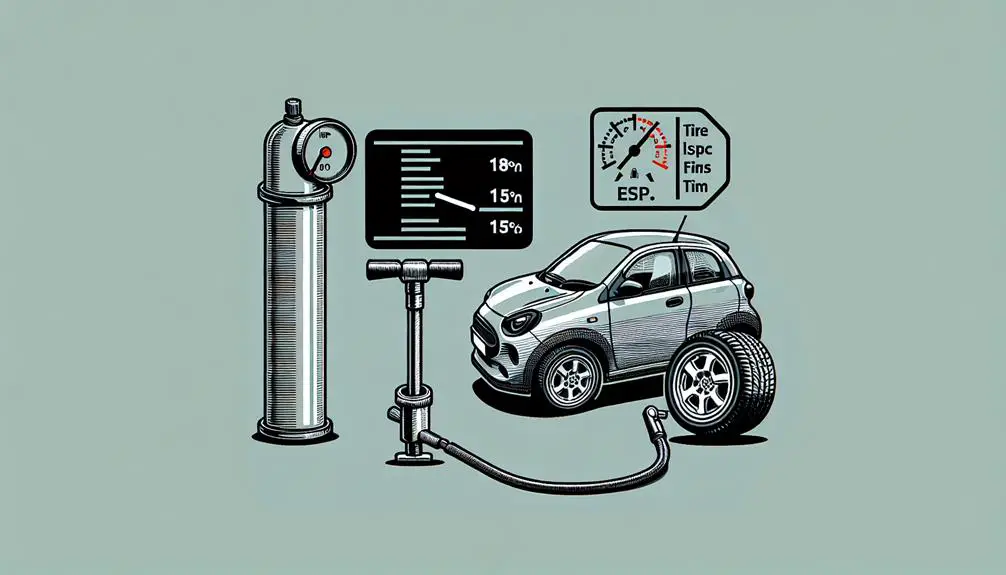
Measure pressure when tires are cold for accuracy.
Adjust as necessary, ensuring consistent checks for optimal performance and fuel efficiency.
Locate Your Tire Specifications
To check your Toyota Corolla tire pressure, first, look for your tire specifications. These are important for safe driving, better fuel use, and longer tire life.
Start at the driver's side door jamb. Open the door to find a sticker or plate with tire pressure for front and rear tires, and the right tire size for your Corolla.
If the sticker is missing or unreadable, check the owner's manual. It usually has tire pressure information in the maintenance or specifications section.
The pressure numbers are in pounds per square inch (PSI). Don't mix up the maximum pressure on the tire sidewall with the recommended pressure. The sidewall number is the highest safe pressure, not the best pressure for your car.
Knowing this, you can correctly check and adjust your tire pressure. This keeps your Toyota Corolla running well and safely.
Find a Reliable Tire Gauge
To accurately check your Toyota Corolla's tire pressure, you need a good tire gauge. A correct tire gauge helps keep your tires properly inflated, which is important for safety, saving fuel, and making your tires last longer. Here's how to choose a good one.
There are three main types of tire gauges: digital, dial, and stick. Each type has its advantages. Most people find digital gauges the easiest to use and very accurate.
Type
Pros
Digital
Easy to read, very accurate, simple to use
Dial
Strong, accurate, doesn't need batteries
Stick
Small, cheap, easy design
Consider these points when choosing a gauge:
Accuracy: Digital gauges are usually the most accurate.
Readability: Look for a gauge that's easy to read, digital ones often have a light.
Durability: Pick a gauge that's well-made and can handle being dropped.
Ease of use: The gauge should be easy to hold and use on the tire valve.
Getting a reliable tire gauge is a simple way to help keep your car running well and safely.
Check Tire Pressure Cold
Check your Toyota Corolla's tire pressure when the tires are cold for accurate readings. Measure the pressure after the car has been parked for at least three hours or before driving more than a mile in the morning. Cold tires give a baseline pressure important for tire maintenance.
Driving heats up tires, causing internal air to expand and pressure to temporarily increase. Checking pressure after driving can result in falsely high readings. This may lead to underinflated tires, uneven wear, decreased fuel efficiency, and unsafe driving conditions.
To check pressure, park your Corolla on a flat, stable surface for even weight distribution and more accurate readings. Temperature changes also affect tire pressure; cold temperatures decrease it, and warm temperatures increase it. Consider both the tire's temperature and the ambient temperature when checking pressure.
Adjusting the Pressure
To adjust your Toyota Corolla's tire pressure:
Prepare: Use a tire pressure gauge and have an air compressor ready. Check your tires when they're cold, meaning the car hasn't been driven for at least three hours.
Remove Cap: Take off the valve cap from the tire you're adjusting and put it somewhere safe.
Check Pressure: Use the tire gauge on the valve to read the pressure. Compare it with the recommended PSI for your Corolla.
Adjust Pressure: If the pressure is too high, let some air out by pressing the valve stem. If it's too low, add air with the air compressor. Recheck the pressure to make sure it's correct.
Replace Cap: After adjusting, put the valve cap back on to protect the valve from dirt.
Regular Maintenance Tips
To ensure your Toyota Corolla operates well, it's important to regularly check and maintain tire pressure. Here are key maintenance tips:
Rotate tires every 5,000 to 7,500 miles to distribute wear evenly and extend tire life.
Monitor tread wear for signs of alignment or suspension issues.
Align tires if your car pulls to one side or after hitting a big pothole to improve fuel efficiency and reduce tire wear.
Maintenance schedule:
Task
Frequency
Check Tire Pressure
Monthly
Rotate Tires
Every 5,000 to 7,500 miles
Inspect Tread Wear
With tire pressure check
Check Alignment
Annually or after impacts
Balance Tires
With tire rotation
Conclusion
Making sure your Toyota Corolla's tires have the right amount of air is very important for being safe and saving gas.
First, find out how much air your tires need. Then, use a good air gauge to check the air in your tires when they haven't been driven on yet, so they're cool.
If you need to, put in or let out air to get to the right amount. It's important to check your tires often to make sure they last a long time and your car drives well.
Follow these steps to keep your Corolla working well and safe on the road.