Recent Posts

How to Remove Windshield Wipers Toyota Corolla


To remove windshield wipers from a Toyota Corolla:

  • Lift the wipers
  • Press the latch mechanism underneath to release
  • Gently slide them off

Ensure you perform this action carefully to avoid damage to the windshield or wipers.

Preparation and Safety

Before removing windshield wipers from a Toyota Corolla, prepare and focus on safety. Gather basic hand tools you likely already own.

Ensure the car is parked on a level surface and the ignition is off to prevent accidents. Wear protective gloves to avoid cuts from the sharp edges of the wiper arms. If it's sunny, work in the shade or wear sunscreen to avoid sunburn.

Take your time during the removal to avoid damaging the windshield or wipers. Preparation and patience are key for a successful removal.

Identifying Wiper Mechanism

To remove the windshield wipers from your Toyota Corolla, it's important to understand the wiper mechanism. This system includes several main parts:

  • The wiper arm, which connects the blade to the motor, is located on the exterior near the base of the windshield.
  • The wiper blade, which clears the windshield, is attached to the wiper arm.
  • The motor, which moves the wiper arms, is found under the hood near the windshield.
  • The linkage, which moves the arms using the motor's motion, is located beneath the windshield and connected to the motor.
  • The wiper pivot nuts, which hold the wiper arms to the linkage, are at the base of the wiper arms.

Lifting the Wipers

clearing snow from windshield

To take off the windshield wipers from a Toyota Corolla, start by lifting the wipers from the windshield carefully. Make sure the car is parked on a flat surface and the engine is turned off.

Find the wiper arms, which are the metal parts connecting the wiper blades to the motor. Lift one wiper arm at a time gently away from the windshield. The wiper arms should stay up on their own, making maintenance easier.

Don't use too much force to lift the wipers. If it's hard to lift, check for any lock or special feature your Toyota Corolla might have. Some models have a latch or tab that needs to be released before lifting the wiper arm.

Detaching the Wipers

To remove the wipers on your Toyota Corolla, first lift the wipers. Look for a small tab or button where the wiper blade connects to the arm. This may not be easy to see but it's there. Press or slide this tab to detach the wiper blade from the arm. Depending on your car model, you'll either move the blade down or towards the windshield.

Here are the steps:

  • Find the release mechanism: It might take some effort because the tab or button is secure. Use steady pressure and find the right angle to press it.
  • Remove the blade gently: After pressing the tab, slide the blade off smoothly to avoid damage.
  • Remember how the blade was attached: This helps when you're putting on new blades. They need to be correctly oriented to work well.

Removing wiper blades is easy once you know how. If you can't find the tab or the blade won't come off, don't force it. Gently moving it often works, and you'll remove the wipers quickly.

Final Checks and Tips

capturing specific text details

Before moving forward, make sure the wiper blades are fully removed and there's no debris left. Clean the windshield and surrounding area to avoid any damage when installing new or old wipers. Check the windshield for any wear or damage and fix these issues before continuing.

When replacing wipers, ensure you have the correct size and type for your Toyota Corolla to avoid poor performance or damage. If unsure about the size, auto parts stores can help.

Clean the windshield before attaching new or old wipers to improve visibility and wiper function.

Conclusion

You did a great job taking off the windshield wipers from your Toyota Corolla by following some easy steps.

First, you got ready and made sure it was safe.

Then, you found the part of the wiper that needed to be worked on.

Next, you lifted the wipers up carefully and removed them without trouble.

It's important to check everything one last time to make sure you did everything right.

These tips helped you save time and made you feel more sure about taking care of your car.

Well done on finishing the task smoothly!
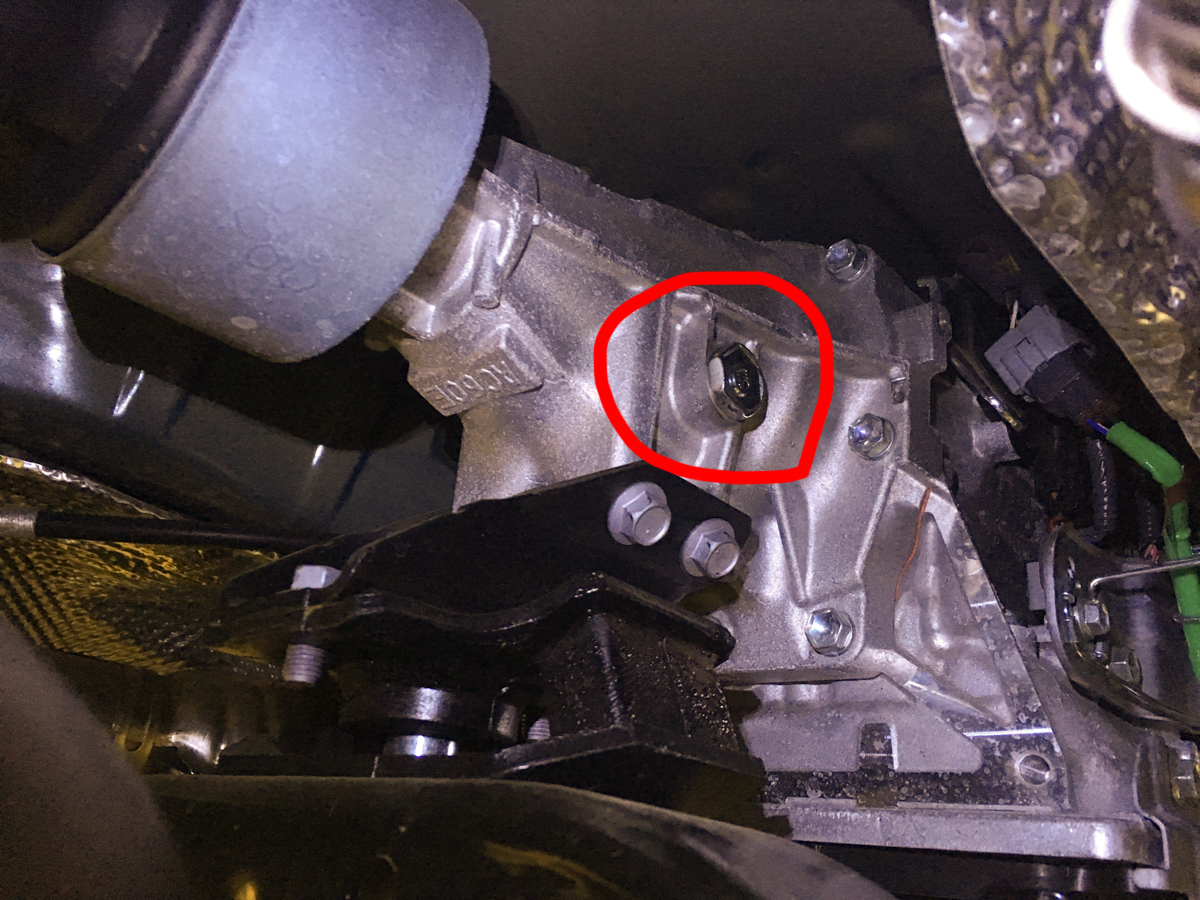
How to Check Transmission Fluid Toyota Tacoma?


How to Check Transmission Fluid Toyota Tacoma? Ensuring your Toyota Tacoma’s transmission is properly maintained is crucial for its longevity and optimal performance. One of the essential maintenance tasks is checking the transmission fluid regularly.

In this comprehensive guide, we’ll walk you through the steps to check the transmission fluid in your Toyota Tacoma, helping you keep your truck running smoothly for years to come.

How to Check Transmission Fluid Toyota Tacoma

Why Checking Transmission Fluid is Important

Transmission fluid serves as a lubricant for the transmission system, ensuring that all the moving parts operate smoothly and efficiently. Over time, the fluid can become contaminated or deteriorate, leading to potential transmission issues.

Regularly checking the transmission fluid allows you to identify any signs of fluid degradation or leaks, enabling you to address them before they escalate into major problems.

How to Check Transmission Fluid Toyota Tacoma

When to Check the Transmission Fluid

It’s recommended to check your Toyota Tacoma’s transmission fluid at regular intervals, such as during your routine oil change or every 30,000 miles, whichever comes first.

However, if you notice any transmission-related problems such as slipping gears or unusual noises, it’s vital to inspect the fluid immediately.

Checking the Transmission Fluid

Here are the steps to check the transmission fluid in your Toyota Tacoma:

  1. Park your truck on a level surface and engage the parking brake.
  2. With the engine running, shift the transmission through each gear, pausing for a few seconds in each position, starting from Park and ending back in Park. This ensures the fluid is circulated throughout the system.
  3. Locate the transmission fluid dipstick, usually colored in a bright hue for easy identification.
  4. Withdraw the dipstick, wipe it clean, reinsert it fully, and then withdraw it again to check the fluid level against the markings on the dipstick. Ensure the fluid level falls within the recommended range.
  5. Inspect the condition of the fluid. Transmission fluid should be translucent and red in color for most models. If the fluid appears discolored, has a burnt smell, or contains particles, it may be an indication of a problem and necessitate further inspection by a professional.
  6. If the fluid level is low, gradually add the manufacturer-recommended transmission fluid through the dipstick tube. Be cautious not to overfill, as it can lead to other issues.
  7. After adding fluid, recheck the level and condition to ensure it meets the specifications.

Additional Considerations

When checking the transmission fluid, it’s also a good time to inspect for any signs of leakage around the transmission pan, seals, or gaskets. Addressing any leaks promptly is essential to preventing damage to the transmission system.

Furthermore, if you’re uncertain about checking the transmission fluid or concerned about the condition of the fluid, it’s advisable to consult a qualified mechanic or the dealership service department for a professional inspection and any necessary maintenance or repairs.

In Conclusion

Regularly checking the transmission fluid in your Toyota Tacoma is a simple yet essential maintenance task that can contribute to the long-term health and performance of your truck. By following the outlined steps and seeking professional assistance when needed, you can ensure that your Tacoma’s transmission operates smoothly and efficiently for many miles to come.

FAQ

How Often Should I Check The Transmission Fluid In My Toyota Tacoma?

It is recommended to check the transmission fluid in your Toyota Tacoma every 30,000 miles or once a year, whichever comes first. Regular maintenance helps ensure smooth and efficient performance.

What Are The Signs Of Low Transmission Fluid In A Toyota Tacoma?

Low transmission fluid in a Toyota Tacoma can cause various symptoms, including slipping gears, difficulty shifting, unusual noises, and a burning smell. If you notice any of these signs, it’s crucial to check and refill the transmission fluid promptly.

How Can I Check The Transmission Fluid Level In My Toyota Tacoma?

To check the transmission fluid level in your Toyota Tacoma, park on a level surface, engage the parking brake, and start the engine. Locate the transmission dipstick, usually marked with a bright-colored handle, and remove it. Wipe the dipstick clean, reinsert it, then remove it again to check the fluid level.

The fluid should be between the minimum and maximum marks on the dipstick. If it’s low, add the recommended type of transmission fluid.


Why Won't My Front Door Latch


  • Misalignment is a common issue that can lead to problems with the operation of doors and windows. It can be caused by structural movement, settling of the building, or even a poorly installed frame.
  • Wear and tear over time can also affect the functionality of doors and windows. Hinges may become loose, locks may not work properly, or seals may deteriorate, leading to drafts and energy loss.
  • A faulty latch mechanism can cause a door or window to not open or close properly. This can be due to a broken latch, misaligned strike plate, or worn-out components.
  • Improper installation of doors and windows can result in gaps, uneven operation, or poor insulation. It is crucial to follow manufacturer guidelines and ensure a proper fit during installation.
  • Seasonal wood expansion is a natural phenomenon that can affect wooden doors and windows. Changes in temperature and humidity can cause the wood to swell or shrink, leading to sticking or gaps in operation.

Misaligned Door Issues

door frame not square

One common cause of front door latch problems is a misaligned door, which often results from the door or its frame warping or settling over time. When your door's alignment is off, it can prevent the latch from properly engaging with the strike plate, leaving you with a door that won't securely close.

To diagnose this issue, you'll initial want to inspect the hinges. Loose hinges can cause a substantial shift in how your door hangs. Tighten any loose screws you find, but if you encounter stripped screws, they'll need to be replaced. Stripped screws can't secure the hinge tightly, leading to sagging that misaligns your door.

If tightening doesn't solve the problem, you may need to reposition the hinges themselves. This is a more involved process that requires careful measurement and possibly chiseling out new mortises for the hinges if they've shifted significantly. Throughout this process, it's important to maintain precision to ensure your door is realigned correctly with its frame, restoring the proper function of your door latch.

Faulty Latch Mechanisms

If you're experiencing difficulty with your door not latching properly, a faulty latch mechanism could be the culprit. Grasping the intricacies of this problem is crucial for a quick and efficient fix.

Here's a detailed exploration into troubleshooting and resolving issues with faulty latch mechanisms:

  1. Inspect the Latch Mechanism: Begin by examining the latch mechanism closely. Look for any obvious signs of damage or dislocation that might prevent the latch from engaging with the strike plate.
  2. Lubrication Techniques: Often, a lack of lubrication can cause the mechanism to become stiff, making it hard for the latch to move freely. Applying a suitable lubricant can resolve this issue. Use a silicone-based lubricant for best results, as it won't attract dirt and grime.
  3. Tighten or Adjust Components: Sometimes, the screws holding the latch mechanism in place can loosen over time. Tighten these screws and make any necessary adjustments to ensure the latch aligns properly with the strike plate.
  4. Latch Replacement: If the above steps don't resolve the issue, you might need to contemplate a latch replacement. Make sure you choose a compatible latch mechanism for your door type and follow the manufacturer's installation instructions carefully.

Addressing a faulty latch mechanism with these steps can restore the functionality of your front door, ensuring it latches securely once again.

Wear and Tear Complications

age related damage in vehicles

Over time, regular use inevitably leads to wear and tear on your door's latch mechanism, potentially causing a range of operational issues. One significant factor that contributes to these problems is hinge problems. As hinges become loose or misaligned, the door may not sit correctly within its frame, preventing the latch from engaging properly. It's important to regularly inspect and tighten your door hinges to make sure they're not compromising the latch's functionality.

Another critical issue to watch out for is lock corrosion. Exposure to moisture and environmental elements can cause the metal components of your door latch and lock to corrode over time. This corrosion can lead to increased friction and difficulty in turning the key or operating the latch. To reduce this, it's advisable to periodically clean and lubricate the lock mechanism, focusing on removing any build-up that could impede its operation.

Addressing wear and tear complications like hinge problems and lock corrosion promptly can save you from more significant, costly repairs down the line. Regular maintenance and attention to these details make sure your front door remains secure and functional.

Improper Door Installation

While addressing wear and tear is crucial for maintaining your door's functionality, ensuring accurate installation from the start can greatly prevent future latch issues. Installation errors can lead to immediate or eventual problems with your door's operation. These errors often stem from improper alignment and can require significant adjustments or even reinstallation to correct.

To lessen these challenges, consider the following critical aspects during installation:

  1. Hinge Placement: Incorrect hinge placement can cause your door to hang unevenly, leading to misalignment with the latch and strike plate. Make sure hinges are level and evenly spaced.
  2. Door Frame Alignment: A frame that's not square or has warped over time will prevent the door from fitting correctly. This misalignment can prevent the latch from engaging with the strike plate.
  3. Hinge Adjustments: Over time, hinges may need adjustments to account for settling or shifting of the house structure. Regularly check and adjust hinges to make sure the door remains properly aligned.
  4. Lockset Installation: Make sure the lockset is installed at the correct height and depth. An improperly installed lockset can prevent the latch from extending fully into the strike plate, causing the door not to secure properly.

Addressing these installation errors at the outset can significantly reduce the likelihood of latch issues, ensuring your door functions smoothly for years to come.

Seasonal Wood Expansion

wood expands in seasons

Seasonal wood expansion can greatly impact your door's fit and function, as temperature and humidity changes cause the wood to contract and expand. This natural process is because of the wood's porous nature, absorbing moisture when the humidity levels rise and losing moisture as the air becomes drier. Temperature fluctuations further worsen these changes, leading to noticeable shifts in your door's size and shape over the year.

Comprehending the humidity effects on wood, you'll find that in humid conditions, your door may swell. This swelling can prevent the door from fitting properly within its frame, making it difficult to latch. Conversely, during colder months with lower humidity, the wood contracts. This contraction might create gaps, leading to drafts but potentially misaligning the latch mechanism.

To lessen these issues, it's important to make sure your door and its frame are properly sealed and maintained. Regularly applying a sealant can help minimize the wood's direct exposure to moisture, reducing the impact of humidity effects. Moreover, adjusting the strike plate or latch mechanism seasonally can compensate for the minor changes in alignment caused by temperature fluctuations and wood movement, ensuring your door functions smoothly throughout the year.

Conclusion

In a nutshell, if your front door won't latch, it's likely because of misaligned doors, faulty latch mechanisms, wear and tear, incorrect installation, or seasonal wood expansion.

To rectify this, you'll need to assess the specific cause, whether it's realigning the door, replacing the latch, addressing wear issues, correcting the installation, or adjusting for wood expansion.

Tackling these problems requires a detailed, technical approach to make sure your door functions correctly, providing security and peace of mind.

Can You Adjust the Door Latch


Yes, you can adjust the door latch.

Ah, the humble door latch, an unsung hero of domestic tranquility, until it decides to rebel against its primary function. You've likely encountered the maddening jiggle and shove routine just to enter your own living room.

Adjusting a door latch isn't rocket science, but it does require a bit of finesse and the right tools. Whether it's a misaligned strike plate or a latch bolt that's seen better days, you're about to undertake a surprisingly intricate world of door hardware.

Stick around, and you'll not only learn to fix that stubborn latch but also ensure it remains cooperative.

Understanding Door Latch Issues

addressing door latch problems

Before tackling door latch adjustments, it's vital to identify the specific issue you're facing with the mechanism. Knowing the type of latch you're dealing with is essential, as different latch types require different approaches.

For instance, a tubular latch, commonly used in interior doors, might present different challenges compared to a mortise latch, which is often found in exterior doors for improved security.

Installation mistakes are a common cause of door latch problems. If the latch isn't properly aligned with the strike plate, the door won't close smoothly, or it mightn't stay shut. This misalignment can stem from an initially flawed installation or from the house settling over time, which shifts the door frame. It's also worth checking if the latch bolt is fully extending into the strike plate hole; if it doesn't, the door's ability to latch securely is compromised.

Another point to take into account is the condition of the latch mechanism itself. Wear and tear over time can affect its functionality. A worn-out latch mightn't retract smoothly or could be sticking, preventing the door from closing properly.

Identifying these issues is the initial step towards making the necessary adjustments to make sure your door operates smoothly and securely.

Tools and Materials Needed

To adjust your door latch effectively, you'll need a few key tools and materials, including a screwdriver, a hammer, some wood shims, and a metal file. Each tool plays a critical role in ensuring the adjustment process improves both the function and aesthetics of your door latch. It's vital to select the right tools to avoid unnecessary installation costs and to guarantee a smooth, efficient adjustment process.

Tool/Material Purpose Why It's Critical
Screwdriver To tighten or loosen latch screws Guarantees proper latch alignment
Hammer To gently tap components into place Prevents damage to door and latch parts
Wood Shims To adjust door frame alignment Improves latch engagement and aesthetics
Metal File To smooth out rough edges on the latch Improves operation and latch aesthetics

Having the right tools and materials on hand before you begin the adjustment process can save you time and help avoid extra installation costs. Paying attention to the details, such as the alignment and smooth operation of the latch, will not only improve the functionality but also the aesthetics of your door.

Step-by-Step Adjustment Guide

With your tools and materials ready, let's dive into the step-by-step guide to adjusting your door latch for best performance. Correctly adjusting the latch not only ensures smooth operation but also contributes to the overall door aesthetics. Here's how you can achieve perfect latch alignment:

  • Inspect the Latch Alignment: Before you start tweaking, take a good look at how the latch aligns with the strike plate. It's crucial for understanding which direction you need to adjust.
  • Loosen the Hinge Screws: Slightly loosen the screws on the door hinges. This step allows you a bit of wiggle room to realign the door and the latch with the strike plate. Don't remove the screws completely; just enough to adjust the door position.
  • Adjust and Retighten: Shift the door so the latch properly aligns with the strike plate. Once you're satisfied with the alignment, retighten the hinge screws to secure the door in its new position. This step is critical for maintaining the adjustment and ensuring the door operates smoothly without compromising on security or aesthetics.

Troubleshooting Common Problems

After exploring the step-by-step guide to adjust your door latch, you might encounter some common problems that require further attention. One prevalent issue is the door not latching correctly because of improper alignment or insufficient lubrication. To diagnose and solve these, let's dive deeper into troubleshooting techniques.

Initially, inspect the door alignment. If the door seems to hang unevenly or doesn't meet the strike plate accurately, it's likely misaligned. This misalignment can arise from the door sagging over time or changes in the house's structure. To rectify this, you may need to adjust the hinges or the positioning of the strike plate to make sure the latch and strike plate align perfectly.

Next, consider latch lubrication. A dry or rusty latch mechanism can impede smooth operation, making it challenging for the latch to engage or disengage from the strike plate. Applying a silicone-based lubricant directly to the latch mechanism can greatly improve its movement. Be careful not to over-lubricate, as excess can attract dirt and grime, leading to further issues.

These troubleshooting steps should help you address the most common door latch problems, ensuring smooth and reliable door operation.

Maintenance and Prevention Tips

maintain and prevent damage

Regular maintenance of your door latch can prevent common issues and guarantee long-lasting functionality. Understanding the technical aspects of your door's mechanism allows you to apply detailed and practical care, especially considering the seasonal effects that can impact its performance.

Here are three key maintenance and prevention tips to make sure your door latch remains in top condition:

  • Lubrication: Apply appropriate lubrication methods to keep the latch mechanism smooth and operational. Use a silicone-based lubricant or graphite powder for metal components, avoiding grease or oil that can attract dirt and gum up the mechanism.
  • Seasonal Adjustments: Be mindful of the seasonal effects on your door and latch. Temperature and humidity changes can cause wood doors to expand or contract, affecting latch alignment. Adjust the strike plate and hinges as necessary to accommodate these shifts.
  • Regular Inspection: Periodically inspect the latch mechanism for wear and tear. Check for loose screws, misaligned parts, or signs of corrosion. Tighten or replace hardware as needed to make sure the latch functions correctly without sticking or jamming.

Conclusion

You've now mastered adjusting your door latch, using the right tools and following our detailed steps. If it's still sticking or misaligned, double-check your adjustments and make sure everything's tightly secured.

Regular maintenance, like lubricating the moving parts and checking for wear, will prevent future issues. Remember, patience and precision are key.

With this practical knowledge, you can make sure your door functions smoothly, enhancing your home's security and accessibility.

How Long is a Toyota Tacoma


How Long is a Toyota Tacoma

If you’re looking to purchase a Toyota Tacoma, it’s important to know the dimensions and length of the truck. In this article, we will discuss the different variations of the Toyota Tacoma and their respective lengths.

How Long is a Toyota Tacoma

Credit: hest.com

Toyota Tacoma Models

The Toyota Tacoma comes in various models, including the TRD Sport, Double Cab, Long Bed, and Short Bed configurations. These models offer different bed lengths and cab styles, which affect the overall length of the truck.

Trd Sport

The TRD Sport model of the Toyota Tacoma offers a shorter bed length and is designed for those who prioritize a more compact truck. The exact length of the TRD Sport may vary depending on the specific year and trim level, but it typically falls within the range of 212 to 225 inches.

Double Cab

The Double Cab configuration of the Toyota Tacoma provides more seating space and is perfect for those who need to accommodate passengers in the rear. The length of a Double Cab Tacoma can range from 212 to 225 inches, similar to the TRD Sport model.

Long Bed

If you’re in need of a truck with a larger bed for hauling cargo, the Long Bed configuration is the ideal choice. The length of a Tacoma Double Cab with a Long Bed varies between 221 to 225 inches.

Short Bed

For those who prioritize maneuverability and a more compact design, the Short Bed configuration is the way to go. The length of a Tacoma Double Cab with a Short Bed can range from 212 to 221 inches.


How Long is a Toyota Tacoma

Credit: www.jdpower.com

Dimensions

In addition to the different configurations of the Toyota Tacoma, it’s also important to consider the overall dimensions of the truck.

Model Length (inches) Width (inches) Height (inches)
TRD Sport 212-225 74.4 70.6
Double Cab 212-225 74.4 70.6
Long Bed 221-225 74.4 70.6
Short Bed 212-221 74.4 70.6

Keep in mind that these dimensions are approximate and may vary depending on the specific year and trim level of the Toyota Tacoma.

In conclusion, the length of a Toyota Tacoma can vary depending on the model and configuration you choose. Whether you need a compact truck with a Short Bed or a larger hauling capacity with a Long Bed, the Toyota Tacoma offers a range of options to suit your needs.

Frequently Asked Questions For How Long Is A Toyota Tacoma

What Is The Length Of A Toyota Tacoma Truck?

The length of a Toyota Tacoma truck varies depending on the model and bed size. The shortest bed length available is approximately 5 feet, while the longest is around 6 feet. It is important to note that these measurements are approximate and may vary slightly depending on the specific configuration of the truck.

How Long Is A Tacoma With A 6 Foot Bed?

The Toyota Tacoma with a 6-foot bed measures approximately 73. 2 inches in length.

How Long Is A 5 Foot Bed Tacoma?

The length of a 5-foot bed Toyota Tacoma is approximately 60 inches.

How to Reset Toyota Infotainment System


How to Reset Toyota Infotainment System

Toyota vehicles are equipped with advanced infotainment systems that provide entertainment, communication, and navigation features. However, sometimes these systems may encounter issues like freezing, slow response, or unresponsiveness. In such cases, performing a reset can often resolve these problems. This article provides a step-by-step guide on how to reset the infotainment system in your Toyota vehicle.

How to Reset Toyota Infotainment System

Credit: www.thompsontoyota.com


How to Reset Toyota Infotainment System

Credit: www.landersmclartytoyota.com

Soft Reset

In many cases, a soft reset can help resolve minor issues with the Toyota infotainment system. Here’s how you can perform a soft reset:

  1. Start by turning off the vehicle and removing the key from the ignition.
  2. Wait for a few minutes to allow the system to completely power down.
  3. Restart the vehicle and check if the infotainment system is functioning properly.

Performing a soft reset will often clear temporary glitches and restore the system to its normal operation. If the issue persists, you may need to consider a more thorough reset.

Hard Reset

If the soft reset does not resolve the problem, a hard reset may be necessary. It’s important to note that performing a hard reset will erase all personalized settings and data from the infotainment system, so it’s recommended to back up any important information before proceeding. Here’s how you can perform a hard reset on the Toyota infotainment system:

  1. Start by navigating to the “Settings” menu on the infotainment system.
  2. Locate the “System” or “General” settings within the menu.
  3. Look for the “Reset” or “Factory Reset” option and select it.
  4. Follow the on-screen prompts to confirm the reset and allow the system to reboot.

After the hard reset is complete, the infotainment system will return to its default factory settings. You can then reconfigure the system according to your preferences and restore any backed-up data.

Seek Professional Assistance

If you’re hesitant about performing a reset on your own, or if the issues persist even after a reset, it’s advisable to seek professional assistance. Certified technicians at Toyota service centers are equipped to diagnose and resolve complex infotainment system issues to ensure optimal performance of the system.

In conclusion, knowing how to reset the Toyota infotainment system can be beneficial in resolving common issues and restoring the system to its normal operation. Whether it’s a soft reset to clear temporary glitches or a hard reset to restore factory settings, following the appropriate steps can help you regain the full functionality of the infotainment system in your Toyota vehicle.

Frequently Asked Questions On How To Reset Toyota Infotainment System

How Do I Reset The Toyota Infotainment System?

To reset the Toyota Infotainment System, press and hold the power button for at least 10 seconds until the screen turns off. Then, release the button and wait for the system to restart.

Why Is It Necessary To Reset The Toyota Infotainment System?

Resetting the Toyota Infotainment System can help resolve various issues like frozen screens or unresponsive controls. It can also clear temporary glitches and improve overall system performance.

Will Resetting The Toyota Infotainment System Delete My Settings And Data?

No, resetting the Toyota Infotainment System will not delete your settings and data. It will only reboot the system and clear temporary errors. However, it’s always a good practice to back up your important data before performing any system reset.