Recent Posts

Front Door Latch Won't Open


If you find yourself dealing with a stuck front door latch, there are a few troubleshooting steps you can try before calling a professional.

First, check if the door is misaligned or sticking, as this can cause the latch to get stuck.

Next, try lubricating the latch mechanism with a silicone-based lubricant to see if that helps free it up.

If the latch is still stuck, you may need to remove the strike plate and latch assembly to inspect for any visible obstructions or damage.

If all else fails, it might be time to call a locksmith or door repair specialist to assess and fix the issue.

Identifying the Problem

analyzing the root cause

To accurately identify the problem with your front door latch, you'll need to inspect the mechanism for signs of wear, misalignment, or damage. Begin by examining the latch assembly itself. Is there visible wear? This could be because of age or excessive use. Next, check for misalignment. Your door and its frame can shift over time, particularly with weather impact. Seasonal temperature changes cause materials to expand and contract, potentially misaligning your door latch.

Key damage is another critical factor to take into account. Inspect your key for any bends or significant wear. If it's damaged, it mightn't engage the locking mechanism properly, making it difficult or impossible to open the door. Moreover, look inside the keyhole for any obstructions or signs of tampering that could affect the key's ability to turn.

To end, don't overlook the role of weather stripping or door swelling because of humidity, which can exert pressure on the latch and prevent it from operating smoothly. These issues, while often ignored, are important in why your front door latch isn't working as it should.

Basic Troubleshooting Steps

Before diving into more complex repairs, let's start with some basic troubleshooting steps to address your front door latch issue. These initial steps can help diagnose the problem, potentially saving you time and the expense of unnecessary repairs. Here's a practical approach to get started:

  • Inspect the latch mechanism: Start by checking if the latch mechanism itself is stuck or if there's visible damage. Sometimes, debris or a misaligned latch can prevent the door from opening. This inspection might reveal whether you're dealing with a simple fix or if a lock replacement is in order.
  • Examine the door alignment: Over time, doors can sag or shift, leading to misalignment with the frame. This misalignment can cause the latch not to engage properly. You might need to adjust the hinges or consider door realignment to solve the issue.
  • Check the door handle and key function: Make sure the handle is turning as expected and that the key isn't obstructed or damaged. Difficulty in operation could indicate internal issues with the lock mechanism.
  • Assess for external pressure: Sometimes, the problem isn't with the latch itself but with external pressure applied to the door, causing it to bind. Confirm there's no excessive force or weight against the door that might prevent it from opening freely.

These steps are foundational in identifying whether you can address the issue with minor adjustments or if more extensive measures like lock replacement or door realignment are needed.

Lubricating the Latch

maintaining door lock mechanism

One effective method to guarantee your front door latch operates smoothly is by applying a suitable lubricant directly to the mechanism. This approach not only guarantees ease of use but also extends the lifespan of your door hardware. Initially, identify a lubricant that's compatible with the material of your latch. For metal mechanisms, a silicone-based lubricant works best as it won't attract dirt or degrade the material over time.

Before application, clean the latch thoroughly to remove any debris or old lubricant. This step is important for the new lubricant to penetrate deeply into the moving parts. Pay special attention to weather effects on your door's operation. Extreme temperatures can cause materials to expand or contract, affecting how well the lubricant works. In colder climates, consider a lubricant that remains fluid in freezing temperatures to prevent the latch from sticking.

Apply the lubricant sparingly; a few drops should suffice. Work the latch back and forth to ensure the lubricant spreads evenly within the mechanism. This method not only resolves sticking issues but also protects against corrosion caused by moisture and salt, particularly in coastal areas. To end, wipe away any excess lubricant to prevent attracting dust.

Adjusting the Strike Plate

If your door isn't closing properly, adjusting the strike plate can often provide a straightforward solution. This process involves realigning the strike plate with the latch, ensuring your door closes smoothly without the need for professional repair. Here's how to adjust your strike plate for better door alignment, even when weather stripping is involved:

  • Inspect the Door Alignment: Check if the door is hanging correctly. Misalignment can be attributed to loose hinges or changes in the door frame caused by humidity. Adjust the hinges if necessary before moving to the strike plate.
  • Loosen the Strike Plate: Use a screwdriver to loosen the screws holding the strike plate in place. You don't need to remove it completely—just enough to allow for adjustments.
  • Adjust Position: Shift the strike plate slightly in the direction needed for the latch to catch properly. This could be up, down, or sideways depending on the original issue with door alignment.
  • Retighten and Test: Once you've adjusted the strike plate to the desired position, tighten the screws back in place. Close the door several times to test the latch. If it still doesn't catch, you may need to adjust the position slightly again.

This method is effective for minor adjustments and can save you from seeking professional help for a simple fix.

Professional Repair Options

expert repair services available

While adjusting the strike plate might resolve minor misalignments, sometimes the door latch issue requires the expertise of a professional repair service to guarantee lasting and effective solutions. When you're weighing your options, it's important to factor in warranty considerations and a thorough cost analysis to make sure you're making a financially sound decision.

Initially, check if your door's warranty covers the repairs needed. Some manufacturers offer extensive warranties that might cover the cost of a professional repair or replacement. If your warranty is still valid, contacting the manufacturer could save you a significant amount of money.

When a warranty isn't an option, obtaining a detailed cost analysis from several professional repair services becomes your next step. Don't just settle for the initial quote you receive. Instead, request itemized quotes to understand exactly what you're paying for—this includes labor, parts, and any additional fees. Be cautious of unusually low quotes; they mightn't cover all necessary repairs, leading to more issues down the line.

Selecting a reputable service is also important. Look for reviews and ask for references to make sure they're known for quality work. Remember, investing in a professional repair now can save you from more costly problems in the future.

Conclusion

To conclude, you've learned to pinpoint and address a stubborn front door latch. Starting with basic troubleshooting, you've checked alignment and lubricated the mechanism for smoother operation. Adjusting the strike plate may have been necessary for proper latch engagement.

If these steps didn't resolve the issue, seeking professional help guarantees your door functions safely and effectively. Remember, regular maintenance can prevent future problems, keeping your home secure and your entrance accessible.

Hyundai Door Lock Not Working


Hyundai door lock malfunctions can be frustrating, but there are several troubleshooting steps you can take before seeking professional help. First, check if the issue is with a specific door or all doors. If it's only one door, the problem may be with that specific lock actuator. You can try lubricating the door lock mechanism with a silicone-based spray to see if that resolves the issue. If all doors are affected, the problem might be with the central locking system or the key fob. In this case, checking the fuse related to the door locks is a good starting point. If the fuse is intact, you may need to inspect the wiring or consult a professional for further diagnosis and repair.

If the troubleshooting steps do not resolve the issue, it's best to seek help from a certified Hyundai technician. They have the expertise and tools to diagnose complex door lock problems accurately. Remember that door lock malfunctions can compromise your vehicle's security, so it's essential to address them promptly. By following these steps and knowing when to seek professional help, you can ensure that your Hyundai's door locks are functioning correctly and keep your vehicle secure.

Identifying the Problem

analyzing the issue thoroughly

To accurately diagnose a Hyundai door lock malfunction, it's vital to identify the specific symptoms and conditions under which the problem occurs. Initially, you've got to observe if the issue is isolated to one door or affects all doors, which can hint at a central system fault versus a localized issue. Key fob programming often emerges as a culprit in widespread door lock malfunctions. If your Hyundai doesn't respond to key fob commands, reprogramming might be necessary. However, this process requires a methodical approach to guarantee synchronization between the fob and your vehicle's security system.

Furthermore, weather effects play a significant role in the functionality of door locks. Extreme temperatures, both hot and cold, can cause mechanical components to expand or contract, leading to malfunctions. In colder climates, ice formation within the lock mechanism is a common issue, while in hotter areas, the expansion of metal parts can hinder lock operation. Comprehending these environmental impacts can guide you toward the appropriate corrective measures, ensuring you're not overlooking a simple solution to what may appear as a complex problem.

Battery Replacement Tips

Before attempting a battery replacement in your Hyundai's key fob, make sure you've gathered the correct tools and a new battery that matches the specifications of the existing one. Typically, you'll need a small flathead screwdriver and a CR2032 battery, but confirm this against your model's manual to avoid any mishaps.

First, locate the small notch or indentation along the seam of the key fob. Insert the flathead screwdriver gently and pry the fob open, taking care not to damage the casing. Inside, you'll see the battery. Note its orientation before removing it; this ensures you'll install the new battery correctly.

Replace the old battery with the new CR2032, ensuring the positive side is facing upwards. Once in place, snap the two halves of the key fob back together firmly.

You've now successfully replaced the battery, but your task isn't complete without checking key fob programming and ensuring it communicates effectively with your vehicle. If issues persist, consult your Hyundai's warranty coverage, as some key fob related problems might be covered, saving you additional costs. Remember, handling the key fob delicately and following these steps methodically will prevent damage and ensure a smooth process.

Mechanical Lock Issues

mechanical lock troubleshooting guide

After addressing battery replacement in your Hyundai's key fob, another common issue that may arise involves the vehicle's mechanical locks. Key jamming is a frequent problem you might encounter. This occurs when the key refuses to turn or gets stuck in the lock. Several factors contribute to this issue, including dirt accumulation, internal wear and tear, and insufficient lubrication.

To tackle key jamming, start by visually inspecting the lock for any visible debris that might be obstructing the keyway. Carefully use a non-abrasive cleaner to remove any grime. If the problem persists, consider the lock's lubrication needs. Over time, the internal components of the lock can become dry, making it difficult for the key to turn. Applying a silicone-based lubricant can often resolve this issue. It's crucial to use the correct type of lubricant, as petroleum-based products can attract more dirt and worsen the problem.

Methodically apply the lubricant, ensuring it reaches the inner mechanism without over-saturating the lock. After application, gently insert and remove the key a few times to distribute the lubricant evenly. This should relieve the jamming and restore smooth operation to your Hyundai's mechanical locks.

Electrical System Troubleshooting

If you're facing issues with your Hyundai's door lock not functioning properly, it's vital to investigate the electrical system for troubleshooting. Begin with a fuse check. Locate your Hyundai's fuse box, often found under the dashboard or in the engine compartment. Consult your owner's manual to identify the specific fuse associated with the door lock system. If the fuse is blown, it's a clear indicator of an electrical fault. Replace the fuse with one of the same amperage and check if the door lock operates correctly.

Next, conduct a wiring inspection. Over time, wires can become frayed, corroded, or disconnected, disrupting the electrical circuit. Inspect the wiring harness for the door lock system, focusing on areas prone to wear or damage, such as near the door hinges where movement can cause stress. Look for any signs of damage, such as exposed copper, cuts, or burns in the insulation. Ensure all connectors are firmly seated and free of corrosion.

Professional Repair Services

quality appliance repairs available

When tackling a Hyundai door lock malfunction, consulting professional repair services becomes an important step, especially if the issue persists after initial troubleshooting efforts. Professional technicians possess the specialized knowledge and tools required to diagnose and fix the problem accurately. Before you proceed, it's wise to take into account warranty implications and get a clear cost estimation to avoid unexpected expenses.

Aspect Description Importance
Warranty Considerations Verify if your Hyundai is still under warranty to potentially cover repair costs. High
Diagnostic Process Professionals use advanced diagnostic tools to pinpoint the exact issue. Critical
Cost Estimation Request a detailed quote to understand the financial commitment involved. Essential

It's important to choose a service center that specializes in Hyundai vehicles or has a strong track record with automotive locks. Their expertise ensures that the repair is done correctly, potentially saving you both time and money in the long run. Make sure that you're provided with a transparent cost breakdown and understand which parts of the repair are covered under warranty, if applicable. This methodical approach not only guarantees the longevity of the repair but keeps you informed every step of the way.

Conclusion

To sum up, if you're facing Hyundai door lock problems, initially identify the issue. Check your battery; a simple replacement often solves the problem. For mechanical lock issues, make sure all parts are functioning correctly.

Electrical system problems may require more detailed troubleshooting; check wiring and fuses closely. If you're still stuck, it's wise to turn to professional repair services. They'll offer a detailed, methodical approach to diagnose and fix the problem efficiently, ensuring your Hyundai's security and functionality.

How to Reset Ford Door Code?


How to Reset Ford Door Code? To reset the Ford door code, you need to enter the factory-set five-digit code on the keypad. Then press and release 1•2 within five seconds. Press and hold 1•2 for two seconds. All personal codes are now erased and only the factory code will work.

In this article, we will guide you through the steps to reset your Ford door code without the factory code.

 
How to Reset Ford Door Code

Step 1: Locate the Keypad

The first step in resetting your Ford door code is to locate the keypad. Depending on the Ford model you own, the keypad can be found on the driver’s side door panel or on the exterior of the door itself.

It typically has a series of numbers from 0 to 9 and buttons labeled “1” and “2”.

Step 2: Enter Programming Mode

Once you have located the keypad, you need to enter programming mode. To do this, press and hold both the “1” and “2” buttons simultaneously. Hold them for approximately 3 seconds until the keypad lights up and the doors lock and unlock.

Step 3: Enter New Code

With the keypad illuminated and the doors locked and unlocked, it’s time to enter your new personal code. Choose a code that is easy for you to remember, but not easily guessed by others.

Enter the new code using the numbers on the keypad. Remember to press each number firmly to ensure it registers.

How to Reset Ford Door Code

Step 4: Confirm New Code

Once you have entered your new code, press the “1” and “2” buttons again to confirm the code. The doors will lock and unlock once more, indicating that your new code has been successfully programmed.

Step 5: Test the New Code

To ensure that your new code is working properly, test it by pressing the “Lock” or “Unlock” button on the keypad. The doors should respond accordingly, confirming that your new code is active and operational.

FAQ

How Do I Reset My Ford Door Code Without Factory Code?

To reset your Ford door code without the factory code, follow these steps:

1. Locate the small panel on the inside of the driver’s side door.

2. Remove the panel to access the module.

3. Look for the sticker on the module that contains the original factory code.

4. If the factory code is not available, you may need to consult a Ford dealership or automotive locksmith for assistance.

5. Once you have the factory code or a new code, enter it using the keypad on the driver’s side door.

How Do I Change My Ford Keyless Entry Code?

To change your Ford keyless entry code without the factory code, follow these steps: Press button numbers one and two, then enter your new personal code on the keypad. Press buttons one and two again to confirm. Test the doors to ensure they lock and unlock properly.

Remember to keep your new code in a safe place for future reference.

What To Do If You Forgot Your Keyless Entry Code On Ford?

If you forgot your keyless entry code on your Ford, follow these steps:

1. Watch YouTube videos on how to reset Ford door codes without the factory code.

2. Check Ford forums or websites for instructions on changing the keyless entry code.

3. Contact a Ford dealership or a certified technician for assistance in resetting the code.

4. Use a diagnostic tool to retrieve the code from your Ford vehicle.

5. Consider replacing the keyless entry system if you are unable to reset the code.

Remember to keep your new code in a secure place for future reference.

Wrapping Up

You can reset your Ford door code even if you don’t have the factory code. This article will show you how to do it in a few easy steps. You can unlock your Ford vehicle by yourself without any professional help. Make sure you store your new code securely and only tell it to people you trust. Enjoy your ride!


How to Reset Mpg on Toyota Highlander


How to Reset Mpg on Toyota Highlander

When you’re driving a Toyota Highlander, it’s important to keep an eye on your fuel efficiency. One way to monitor this is by resetting the miles per gallon (MPG) display on your vehicle. Whether you want to track your fuel economy for a specific trip or simply reset the average MPG, it’s a straightforward process. In this article, we’ll walk you through the steps to reset the MPG on your Toyota Highlander.

How to Reset Mpg on Toyota Highlander

Credit: www.reddit.com


Step-by-Step Guide

Follow these simple steps to reset the MPG on your Toyota Highlander:

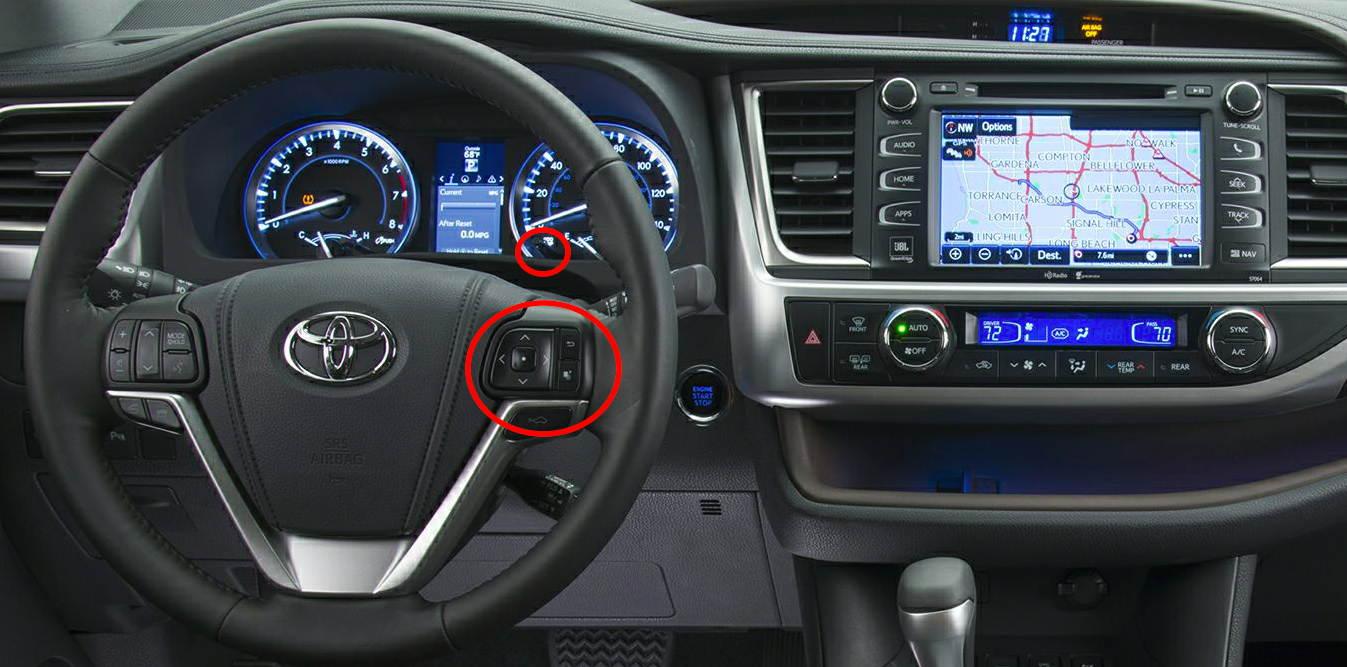
  1. Prepare Your Vehicle: Start by ensuring that your Toyota Highlander is parked and the engine is turned off. Take a moment to locate the driver information display, typically located on the instrument panel.
  2. Access the Trip Meter: Once inside your vehicle, press and hold the “Trip” button on the driver information display. This should be located near the speedometer or tachometer.
  3. Reset the MPG: While holding down the “Trip” button, turn the engine on (but do not start driving). Continue to hold the button until the MPG display resets to zero or clears the previous value.
  4. Verify the Reset: After releasing the “Trip” button, check the driver information display to ensure that the MPG reading has been reset. You can now start driving and monitor your new fuel efficiency.
How to Reset Mpg on Toyota Highlander

Credit: oilreset.com

Tips for Maintaining Fuel Efficiency

Once you’ve reset the MPG on your Toyota Highlander, you may be wondering how to maximize your fuel efficiency. Here are some additional tips to help you maintain a high MPG:

  • Keep Your Vehicle Well-Maintained: Regular maintenance, including oil changes, air filter replacements, and tire rotations, can contribute to better fuel economy.
  • Monitor Your Driving Habits: Avoid aggressive acceleration and braking, as these can negatively impact your MPG. Maintaining a consistent speed and using cruise control on highways can help improve fuel efficiency.
  • Remove Excess Weight: Clear out any unnecessary items from your vehicle, as extra weight can reduce fuel efficiency. Additionally, remove roof racks or carriers when not in use to minimize aerodynamic drag.
  • Use the Correct Fuel Grade: Refer to your Toyota Highlander’s owner’s manual to determine the recommended fuel grade. Using the appropriate fuel can optimize your vehicle’s performance and MPG.
  • Plan Your Trips: When possible, combine multiple errands into one trip to reduce the number of cold starts, which can be less fuel-efficient. Additionally, consider carpooling or using public transportation to reduce individual fuel consumption.

Frequently Asked Questions For How To Reset Mpg On Toyota Highlander

How Do You Reset The Mpg On A Toyota Highlander?

To reset the MPG on a Toyota Highlander, locate the trip meter button on the dashboard. Press and hold the button until the display resets to zero.

Why Is It Important To Reset The Mpg On A Toyota Highlander?

Resetting the MPG on a Toyota Highlander allows you to monitor fuel efficiency accurately. This helps track changes in driving habits and identify potential issues with fuel consumption.

Will Resetting The Mpg Impact Other Data On My Toyota Highlander?

No, resetting the MPG on your Toyota Highlander will only reset the fuel economy readings. Other data, such as mileage and maintenance notifications, will remain unaffected.

Conclusion

Resetting the MPG on your Toyota Highlander is a quick and useful way to track your fuel economy. By following the steps outlined in this article, you can easily reset the MPG display and monitor your vehicle’s efficiency. Additionally, implementing fuel-saving tips can help you maximize your MPG and reduce fuel costs. We hope this guide has been helpful in understanding the process of resetting the MPG on your Toyota Highlander.

How Does Toyota Hybrid Work


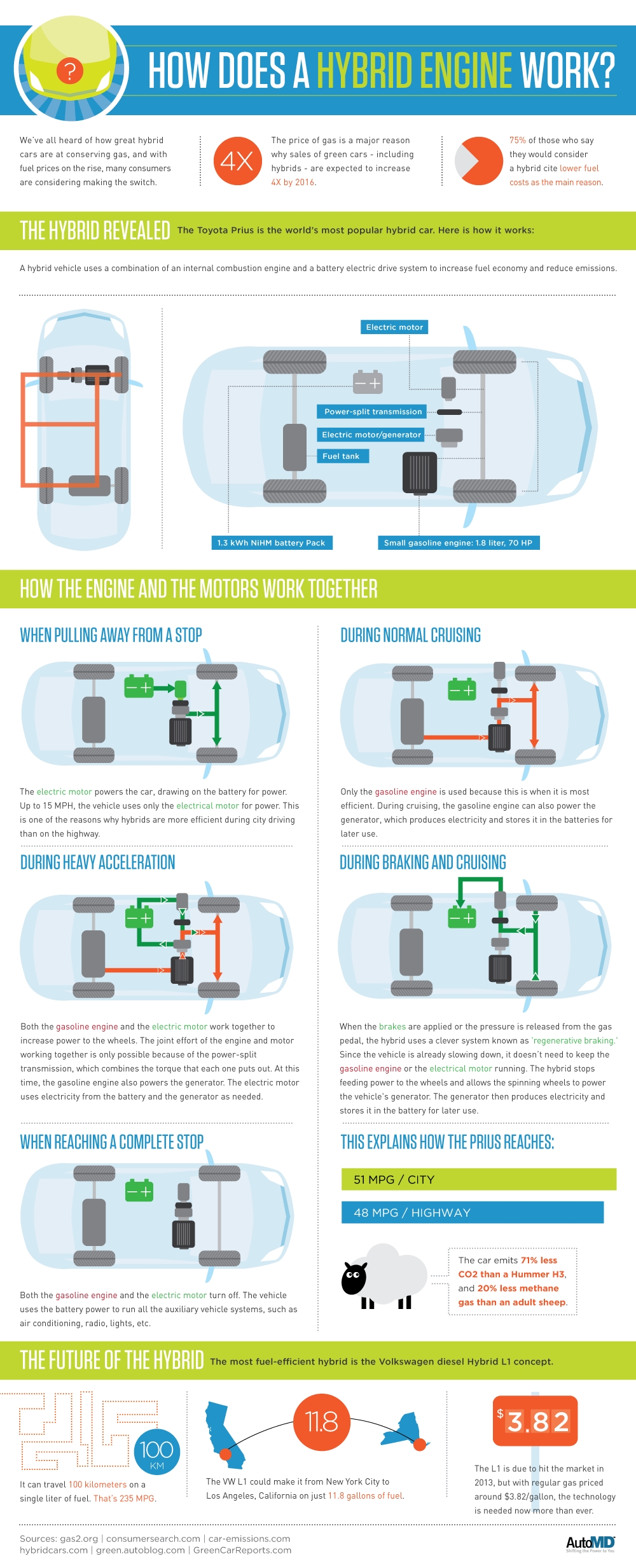
The Toyota hybrid system works by converting kinetic energy from the wheels into electricity through a regenerative braking system. This electricity is then sent to the power control unit and stored in the hybrid battery.

Essentially, the electric motor functions as a generator driven by the car’s wheels. By utilizing this technology, Toyota hybrid vehicles are able to improve fuel efficiency and reduce emissions. Toyota’s hybrid system charges the battery in two ways. Firstly, the petrol engine drives the generator to charge the battery.

Additionally, the regenerative braking system converts the kinetic energy from the wheels into electricity, which is also sent to the battery. This innovative technology allows Toyota hybrids to operate more efficiently and contribute to a cleaner environment. Overall, the Toyota hybrid system combines the use of a gasoline engine and an electric motor to deliver improved fuel economy and lower emissions. By harnessing and utilizing energy that would otherwise be wasted, Toyota hybrid vehicles offer a more environmentally friendly and cost-effective solution for modern transportation needs.

How Does Toyota Hybrid Work

Credit: www.theatlantic.com

How Toyota Hybrid Works

The Toyota hybrid system works by converting kinetic energy from the wheels into electricity through regenerative braking. This electricity is then stored in the hybrid battery, allowing the electric motor to act as a generator driven by the car’s wheels.

How Toyota Hybrid Works

Different Types Of Hybrid Powertrains

There are different types of hybrid powertrains, including parallel hybrid, series hybrid, and series-parallel hybrid.

Charging Hybrid Electric Vehicles

Hybrid electric vehicles are charged through regenerative braking and by the internal combustion engine.

How The Toyota Hybrid System Works

The Toyota hybrid system combines an internal combustion engine and an electric motor to provide power to the wheels. The system intelligently switches between the two power sources based on driving conditions to optimize fuel efficiency.

Regenerative Braking

Regenerative braking in Toyota hybrids captures kinetic energy from the wheels during braking, converting it into electricity and storing it in the hybrid battery for future use.

Hybrid System During Idling

During idling, the Toyota hybrid system can shut off the internal combustion engine and rely solely on the electric motor, reducing fuel consumption and emissions.

How Does Toyota Hybrid Work

Credit: afdc.energy.gov

Components Of Toyota Hybrid System

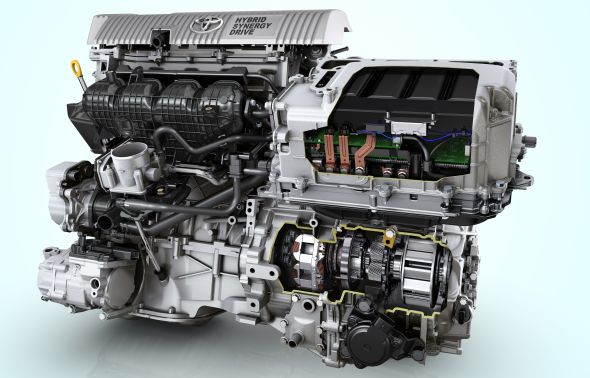
The Toyota Hybrid System incorporates several key components that work together to deliver a seamless driving experience. These components include the Generator, Power Split Device, Power Control Unit, and Drive Batteries.

Generator

The Generator plays a crucial role in the Toyota Hybrid System. It acts as an electric motor that also functions as a generator. When the vehicle is in motion, the Generator takes kinetic energy from the wheels and converts it into electricity. This electricity is then sent to the Power Control Unit for storage in the Drive Batteries.

Power Split Device

The Power Split Device is another essential component of the Toyota Hybrid System. It serves as a vital transmission component that efficiently distributes power between the gasoline engine, the electric motor, and the Drive Wheels. This device allows for seamless transitions between different driving modes, including electric-only, gasoline-only, and a combination of both.

Power Control Unit

The Power Control Unit acts as the brain of the Toyota Hybrid System. It manages the flow of electricity between the Generator, Drive Batteries, and the electric motor. The Power Control Unit ensures optimum power distribution and operation based on driving conditions and the driver’s inputs.

Drive Batteries

Drive Batteries are an integral part of the Toyota Hybrid System. They store the electricity generated by the Generator and supply it to the electric motor when needed. These batteries are rechargeable and provide the necessary power for the electric motor to propel the vehicle forward during electric-only mode or in combination with the gasoline engine.

Overall, the Components of the Toyota Hybrid System work seamlessly together to optimize fuel efficiency, reduce emissions, and provide a smooth driving experience. The Generator converts kinetic energy into electricity, the Power Split Device efficiently distributes power, the Power Control Unit manages the flow of electricity, and the Drive Batteries store and supply power to the electric motor. This innovative system is a testament to Toyota’s commitment to sustainable and eco-friendly transportation.


Advantages And Disadvantages Of Toyota Hybrid

Toyota hybrid vehicles work by using a combination of a gasoline engine and an electric motor to power the car. The advantages include improved fuel efficiency and reduced emissions. However, hybrid cars can be more expensive to purchase and maintain, which is a potential downside for some buyers.

Advantages Of City Driving

City driving offers several advantages for Toyota Hybrid owners:

  1. Fuel Efficiency: In stop-and-go traffic, hybrids excel at utilizing their electric motors, resulting in significant fuel savings compared to conventional vehicles.
  2. Regenerative Braking: The regenerative braking system of Toyota Hybrid vehicles captures and converts kinetic energy into electricity, which is then stored in the hybrid battery. This feature is particularly advantageous in city driving, where there are frequent stops and starts.
  3. Reduced Emissions: Toyota Hybrid cars produce lower emissions than traditional gasoline-powered vehicles, making them more environmentally friendly options for urban areas.

With their fuel efficiency, regenerative braking, and reduced emissions, Toyota Hybrid vehicles are well-suited for navigating the unique challenges of city driving.

Disadvantages Of Hybrid Cars

Despite their numerous benefits, hybrid cars do come with a few disadvantages:

Higher Running Costs

Hybrid cars, due to their complex engine and continuous technological development, may require specialized knowledge and expertise when it comes to maintenance and repairs. This can lead to higher running costs compared to conventional vehicles. Finding a mechanic with the requisite experience and expertise in hybrid vehicles might be a challenge, potentially adding to the overall expenses.

Longevity of Toyota Hybrid Battery

The lifespan of a Toyota hybrid battery is a common concern among prospective buyers. However, the good news is that Toyota hybrid batteries typically last a long time. With proper care and regular maintenance, a Toyota hybrid battery can last around 10 to 15 years or more.

Overall, while hybrid cars offer significant advantages such as fuel efficiency and reduced emissions, it is important to factor in the potential higher running costs and ensure proper maintenance of the hybrid battery. By doing so, owners can enjoy the benefits of Toyota hybrids for many years to come.

How Does Toyota Hybrid Work

Credit: mag.toyota.co.uk

How Hybrid Technology Works In Toyota Vehicles

In Toyota vehicles, the hybrid technology is a seamless integration of traditional gasoline power and innovative electric technology. By combining these elements, Toyota has created a system that enhances fuel efficiency and minimizes environmental impact. Let’s dive into the core components and functionality of Toyota’s hybrid system to understand how it effectively operates.

Combustion Engine In A Hybrid Vehicle

The combustion engine in a Toyota hybrid vehicle functions similar to that of a traditional gasoline car. However, it’s complemented by an electric motor, which works in tandem to optimize fuel consumption and reduce emissions. When additional power is required, both the electric motor and the internal combustion engine work harmoniously to deliver superior performance. This synchronized operation ensures a smooth and efficient driving experience.

Charging The Hybrid Battery

Toyota’s hybrid batteries are primarily charged through regenerative braking and the internal combustion engine. When the vehicle decelerates or brakes, the electric motor functions as a generator, converting kinetic energy into electricity. Additionally, during standard driving conditions, the internal combustion engine automatically charges the hybrid battery, ensuring that it remains sufficiently powered for electric driving modes.

Working Of The Hybrid System

The hybrid system in Toyota vehicles seamlessly integrates the combustion engine and electric motor to optimize performance and efficiency. The power control unit efficiently manages the flow of energy between the internal combustion engine, electric motor, and hybrid battery, ensuring a harmonious balance between power and fuel economy. Through this integrated approach, Toyota’s hybrid system delivers a dynamic driving experience while significantly reducing environmental impact.

Explaining Toyota’s Hybrid System

Toyota’s hybrid system works by utilizing a regenerative braking system to convert kinetic energy from the wheels into electricity. This electricity is then stored in the hybrid battery, allowing the electric motor to act as a generator.

Toyota’s hybrid system is a remarkable technology that combines the power of electricity and gasoline to deliver an efficient and eco-friendly driving experience. In this section, we will delve deeper into the workings of Toyota’s hybrid system, exploring its various components and how they work together seamlessly. Let’s start by watching a video that explains the Tacoma’s hybrid system in detail.

Video Explanation Of Tacoma’s Hybrid System

Watch this informative video to get a comprehensive understanding of how the Toyota Tacoma’s hybrid system functions:

Battery Charging Through Regenerative Braking

One of the key features of Toyota’s hybrid system is regenerative braking, which charges the battery while driving:

As you drive, the kinetic energy generated by the wheels is captured and converted into electricity by the electric motor. This electricity is then sent to the power control unit and stored in the hybrid battery. In simple terms, the electric motor acts as a generator, harnessing energy that would otherwise be wasted during braking or deceleration. This clever process ensures that the battery remains charged, allowing for a smooth transition between electric and gasoline power.

The Technology Behind Toyota’s Hybrid Revolution

Let’s explore the innovative technology that drives Toyota’s hybrid revolution:

Power Split Device The Power Split Device is a key component of Toyota’s hybrid system. It efficiently distributes power from the engine, electric motor, and generator, optimizing performance and fuel efficiency.
Power Control Unit The Power Control Unit manages the flow of electricity between the engine, battery, and electric motor. It ensures a smooth operation of the hybrid system, optimizing power delivery and energy efficiency.
Drive Batteries The drive batteries store the electricity generated by the electric motor. These advanced batteries are designed to provide a reliable and long-lasting power source for the hybrid system.

With these components working together, Toyota’s hybrid system seamlessly switches between electric and gasoline power based on driving conditions and driver input. This intelligent technology maximizes fuel efficiency and minimizes emissions, making Toyota hybrids a greener choice on the road.

Now that we have explored the inner workings of Toyota’s hybrid system, let’s move on to the benefits of driving in the city and the overall maintenance of hybrid vehicles.

Frequently Asked Questions On How Does Toyota Hybrid Work

How Does A Toyota Hybrid System Work?

A Toyota hybrid system works by utilizing regenerative braking to transform kinetic energy into electricity, which is then sent to the power control unit and stored in the hybrid battery. This electricity powers the electric motor, which acts as a generator when driven by the car’s wheels.

Overall, the system seamlessly combines the use of an electric motor and a combustion engine to optimize fuel efficiency and reduce emissions.

At What Speed Do Hybrid Cars Switch From Battery Power To Petrol Power?

Hybrid cars switch from battery to petrol power based on driving conditions, such as acceleration and speed.

What Are The Disadvantages Of A Hybrid Vehicle?

The disadvantages of a hybrid vehicle include higher initial cost compared to conventional vehicles, higher running costs due to the need for specialized mechanics, and potentially shorter battery life.

Conclusion

In a nutshell, the Toyota hybrid system uses regenerative braking to convert kinetic energy into electricity. This electricity is then transferred to the power control unit and stored in the hybrid battery, essentially functioning as a generator powered by the car’s wheels.

This sustainable energy process is what makes the Toyota hybrid system an innovative and efficient technology for modern vehicles.

Hyundai Sonata Door Latch Stuck


Hyundai Sonata door latch sticking issues can often be resolved through understanding the common causes and initial troubleshooting steps.

Common causes of door latch sticking include debris buildup, lack of lubrication, or a misaligned latch mechanism.

To troubleshoot this issue, start by cleaning the latch area with compressed air or a soft brush to remove any dirt or debris.

Next, apply a silicone-based lubricant to the latch mechanism to ensure smooth operation.

If the problem persists, check for any misalignment in the latch mechanism and adjust as needed.

By addressing these common causes and following these troubleshooting steps, you can often resolve Hyundai Sonata door latch sticking issues without the need for professional assistance.

Common Reasons for Sticking

common reasons for adhesion

Several factors can lead to your Hyundai Sonata's door latch getting jammed, ranging from accumulated dirt and debris to faulty latch mechanisms. When analyzing these issues, it's important to take into account both weather impact and key problems as primary contributors to your dilemma.

Weather impact plays a significant role in the functionality of door latches. During cold seasons, ice may form inside the mechanism, preventing it from moving freely. Conversely, extreme heat can cause metal components to expand, making the latch stick in place. These temperature fluctuations can additionally lead to the degradation of lubricants that keep the latch operating smoothly.

Key problems, on the other hand, often stem from wear and tear or damage. A key that's bent or has accumulated grime may not engage the latch correctly, leading to difficulties in locking or opening your door. Moreover, a mismatch between the key and the lock—perhaps because of a previous lock change and not updating the key accordingly—can result in a latch that refuses to budge.

Grasping these technical aspects is important in identifying the root cause of a stuck door latch on your Hyundai Sonata. By focusing on weather impact and key problems, you're taking the initial step toward pinpointing the issue and seeking an effective solution.

Initial Troubleshooting Steps

Grasping the common reasons for a stuck door latch on your Hyundai Sonata, you're now ready to tackle initial troubleshooting steps to address the issue effectively.

One important factor to take into account is lubrication effectiveness. Over time, the lubricant already present in the door mechanism can degrade, lose its properties, or become contaminated with dirt and debris, leading to increased friction and, therefore, a stuck latch. Applying a high-quality lubricant designed for automotive use can often free up the mechanism. Focus on applying the lubricant directly onto the latch assembly, ensuring it penetrates the moving parts thoroughly.

Weather impact also plays a significant role in door latch functionality. Extreme cold can cause the lubricant to thicken or freeze, while heat can cause it to thin out or evaporate, both scenarios potentially leading to a stuck door latch. If weather conditions have been harsh, consider the environment's effect on lubricant performance and door materials. Minor adjustments to the door alignment or latch mechanism might be necessary if weather-induced contraction or expansion of door components is suspected.

Before proceeding to more complex solutions, these initial steps can often resolve the issue, restoring your Hyundai Sonata's door latch to proper working order.

Professional Repair Options

expert solutions for damaged items

If initial troubleshooting efforts fail to resolve your Hyundai Sonata's stuck door latch, consulting a professional mechanic offers a targeted approach to diagnosing and rectifying the issue. It's essential to take into account warranty coverage before proceeding. If your vehicle is still under warranty, it's advisable to visit an authorized Hyundai dealership. Warranty policies often cover such defects, making certain repair or replacement at no additional cost to you. This not only guarantees the use of original equipment manufacturer (OEM) parts but additionally confirms the service complies with Hyundai's standards.

However, if your Sonata falls outside its warranty period, local mechanics provide a valuable alternative. Look for reputable, certified technicians with experience in Hyundai vehicles. These professionals can offer thorough diagnostics, utilizing advanced tools to pinpoint the exact cause of the door latch malfunction. They'll assess whether the issue stems from a mechanical failure, electrical fault, or wear and tear, and propose a detailed repair plan.

It's vital to request an estimate upfront, detailing both labor and parts costs. Comparing quotes from several local mechanics can help you secure a competitive rate. Remember, selecting a mechanic who offers a warranty on their repairs adds an extra layer of assurance, safeguarding your investment in the long term.

Preventative Maintenance Tips

To extend the lifespan of your Hyundai Sonata's door latch, regular maintenance is crucial, focusing on lubrication and cleanliness to prevent sticking issues. Adhering to a strict lubrication schedule and confirming the integrity of weatherproofing seals are critical steps in this maintenance routine.

Here are three key tips to help you maintain your door latch effectively:

  1. Establish a Lubrication Schedule: Regularly apply a silicone-based lubricant to the door latch mechanism. This reduces friction and wear, preventing the latch from sticking. Aim for a bi-annual application, adjusting based on usage and environmental conditions.
  2. Inspect and Maintain Weatherproofing Seals: Weatherproofing seals keep moisture and debris out of the door latch assembly. Inspect these seals periodically for signs of wear or damage. If the seals are compromised, water and dirt can infiltrate the mechanism, leading to corrosion and sticking issues. Replace damaged seals promptly to maintain the integrity of the door latch system.
  3. Clean the Latch Mechanism Regularly: Use a mild cleaner to remove dirt and debris from around the door latch. Avoid harsh chemicals that can damage the lubricant or the latch components. A clean latch is less likely to stick and will operate smoothly for a longer period.

Following these steps will help confirm your Hyundai Sonata's door latch remains functional and reliable.

DIY Repair Techniques

diy home repair tips

When tackling a stuck Hyundai Sonata door latch, the primary step involves accurately diagnosing the issue to choose the appropriate repair technique. You'll need to determine whether the problem lies with debris obstructing the mechanism or if it's a case of mechanical failure. If it's the former, a simple cleaning followed by latch lubrication might suffice. Use a can of compressed air to blow out any dirt and then apply a silicone-based lubricant directly onto the latch mechanism. This should make sure smooth operation.

However, if the latch still refuses to budge, you might be dealing with worn or broken parts requiring replacement. Identifying the specific components that need changing—be it the latch assembly itself or associated cables—is important. You'll want to consult the vehicle's repair manual for detailed diagrams and instructions specific to your Hyundai Sonata model.

Once you've pinpointed the faulty parts, sourcing quality replacement parts becomes your next step. Opt for OEM (Original Equipment Manufacturer) parts when possible, as these will guarantee the best fit and function. With the new parts in hand, carefully replace the defective items, making sure every component is correctly aligned and securely fastened. This meticulous approach can restore your door latch to best performance, bypassing the need for professional intervention.

Conclusion

To summarize, addressing a stuck Hyundai Sonata door latch involves grasping common causes, initiating basic troubleshooting, and considering professional repair. Preventative maintenance is vital in averting future issues.

If you're comfortable with DIY repairs, several techniques can be applied with precision and care. Remember, tackling the problem early and with a detailed approach guarantees the longevity of your vehicle's components and improves your driving experience.

Keep these tips in mind for a smooth and effective resolution.