Recent Posts

How to Program Toyota 4Runner Garage Door Opener


Programming your Toyota 4Runner’s garage door opener can be a convenient feature, allowing you to open and close your garage door with the press of a button from inside your vehicle. In this comprehensive guide, we will walk you through the steps to easily program the garage door opener on your Toyota 4Runner.

Step 1: Prepare Your Garage Door Opener Remote

Before you begin programming the garage door opener in your Toyota 4Runner, it’s important to have the remote control for your garage door opener ready. Locate the “learn” or “program” button on your garage door opener motor, as you will need to access it during the programming process.

Step 2: Clear Previous Codes

First, you’ll need to clear any existing codes from the garage door opener system in your 4Runner. This ensures that the new code will be the only one stored, preventing any interference with other remotes. Consult your vehicle’s owner’s manual for specific instructions on how to clear the previous codes, as the process may vary depending on the model year of your 4Runner.

Step 3: Enter Programming Mode

Next, you’ll need to enter the programming mode on your Toyota 4Runner. This typically involves pressing a combination of buttons on the vehicle’s interior console. Again, refer to your owner’s manual for the precise sequence of steps to initiate the programming mode for the garage door opener.

Step 4: Program the Garage Door Opener Remote

Once you’ve entered the programming mode, it’s time to program the garage door opener remote. Press and hold the desired button on the 4Runner’s console that you wish to use to operate the garage door. Simultaneously, press and hold the button on your garage door opener remote that you want to link to your vehicle. Wait for the indicator light on the opener to flash, indicating that the programming was successful.

Step 5: Test the Garage Door Opener

After programming the garage door opener remote, it’s crucial to test the functionality to ensure that the programming was successful. Park your 4Runner outside of your garage and press the button you programmed to open the door. If the garage door opens, congratulations! Your Toyota 4Runner’s garage door opener is now successfully programmed. If it doesn’t open, consider repeating the programming process or consulting a professional for assistance.

 
How to Program Toyota 4Runner Garage Door Opener

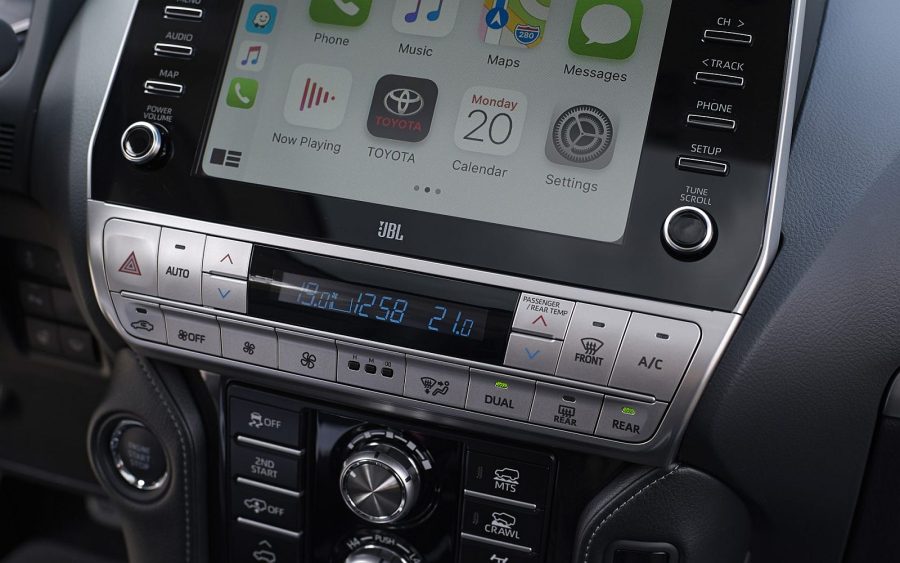
Credit: www.sterlingmccalltoyota.com

How to Program Toyota 4Runner Garage Door Opener

Credit: www.youtube.com

Step 6: Finalize the Programming

After confirming that the garage door opener is working with your Toyota 4Runner, be sure to finalize the programming by following the instructions in your owner’s manual. This may involve saving the new code or completing specific steps to exit the programming mode.

Frequently Asked Questions Of How To Program Toyota 4runner Garage Door Opener

How Do I Program My Toyota 4runner’s Garage Door Opener?

Programming your Toyota 4Runner’s garage door opener is a simple process. Follow the instructions in your vehicle’s owner’s manual to successfully program your garage door opener.

Can I Program Multiple Garage Doors On My Toyota 4runner?

Absolutely! You can program multiple garage doors on your Toyota 4Runner. Just follow the programming instructions for each garage door opener, ensuring you have the necessary remote control for each door.

What Should I Do If My Garage Door Opener Is Not Working?

If your garage door opener is not working, there are a few troubleshooting steps you can take. Check if the batteries in your remote control need to be replaced, ensure that the opener is receiving power, and verify that the opener’s antenna is properly aligned.

If the problem persists, consult your owner’s manual or contact a professional for assistance.

Conclusion

Adding the convenience of a programmed garage door opener to your Toyota 4Runner can enhance your daily driving experience. By following the steps outlined in this guide and referring to your vehicle’s owner’s manual for specific instructions, you can easily program the garage door opener in your 4Runner, allowing for seamless access to your garage. Enjoy the ease and convenience of opening and closing your garage door with the touch of a button from the driver’s seat of your Toyota 4Runner!


How to Install Car Seat in Toyota Highlander


How to Install a Car Seat in a Toyota Highlander

When it comes to ensuring the safety of your child while driving, one of the most important steps is correctly installing a car seat in your vehicle. The Toyota Highlander is a popular choice for families, offering ample space and safety features. However, installing a car seat in a Toyota Highlander can be a bit tricky if you’re not familiar with the process. In this guide, we’ll walk you through the step-by-step process of installing a car seat in your Toyota Highlander so that you can have peace of mind knowing your little one is secure.

Step 1: Choose the Right Car Seat

Before you start the installation process, it’s crucial to ensure that you have the right car seat for your child’s age, weight, and height. There are different types of car seats, including infant car seats, convertible car seats, and booster seats. Make sure to choose a car seat that is not only suitable for your child but also compatible with your Toyota Highlander.

Step 2: Read the Car Seat Manual

Every car seat comes with a manufacturer’s manual that provides detailed instructions on how to install the seat correctly. Take the time to thoroughly read the manual before attempting to install the car seat in your Toyota Highlander. Familiarize yourself with the different parts of the car seat and the specific installation requirements.

Step 3: Locate the LATCH System

Most modern car seats and vehicles are equipped with the LATCH (Lower Anchors and Tethers for Children) system, which provides an easier and more secure method of installing car seats. In your Toyota Highlander, locate the LATCH anchors, which are typically located in the rear seat bight – the crease where the back and bottom cushions meet.

Step 4: Position the Car Seat

Place the car seat in the desired rear seating position of your Toyota Highlander. Ensure that the car seat is positioned at the correct angle, depending on the specific requirements outlined in the car seat manual. The car seat should be tightly secured against the vehicle seat.

Step 5: Connect the LATCH Straps

Attach the LATCH straps from the car seat to the corresponding LATCH anchors in your Toyota Highlander. Make sure to follow the specific instructions provided in both the car seat manual and your vehicle’s manual to ensure the correct attachment of the LATCH straps.


Step 6: Check for Tightness

Once the LATCH straps are connected, apply firm pressure to the car seat and pull on the LATCH straps to remove any slack. The car seat should not move more than an inch in any direction. Double-check the tightness of the installation to ensure that the car seat is securely in place.

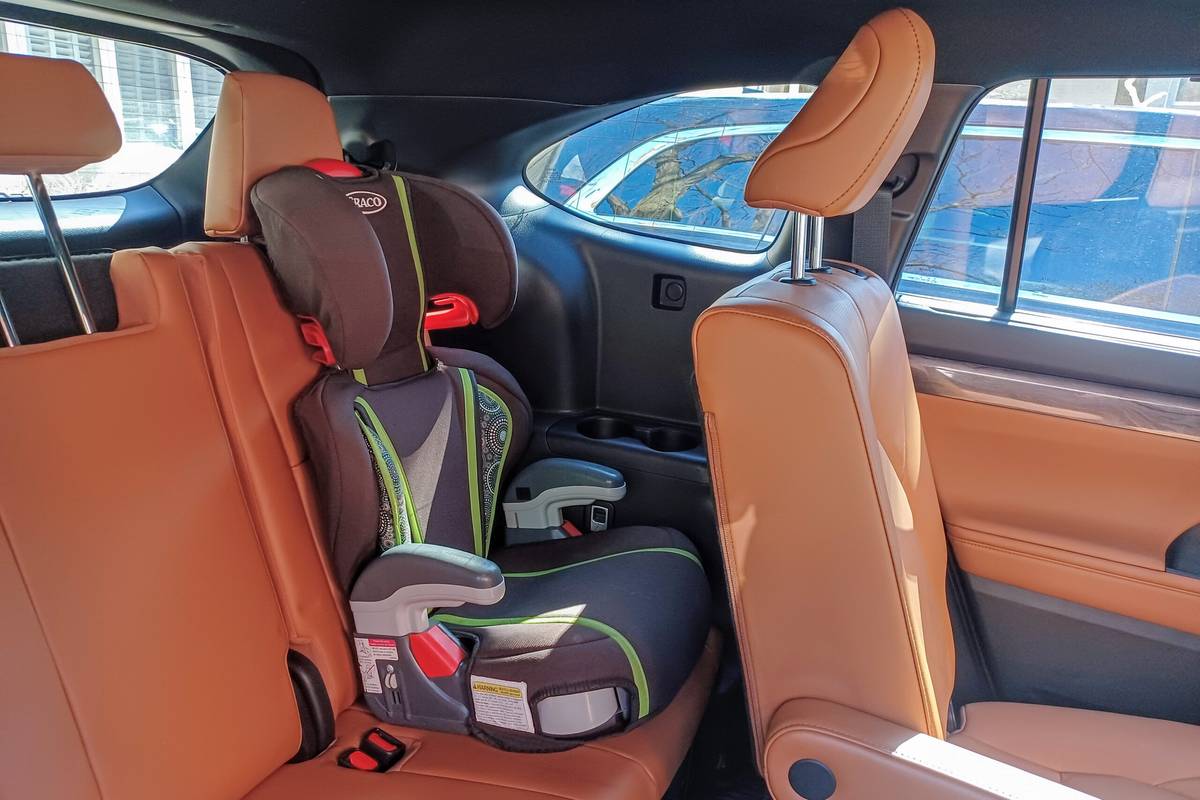
How to Install Car Seat in Toyota Highlander

Credit: www.cars.com

Step 7: Secure the Tether Strap (if applicable)

For forward-facing car seats, many models require the use of a tether strap in addition to the LATCH system. If your car seat is equipped with a tether strap, secure it to the tether anchor in your Toyota Highlander according to the instructions provided in the car seat manual.

How to Install Car Seat in Toyota Highlander

Credit: thecarseatlady.com

Step 8: Test the Installation

Once you have completed the installation process, give the car seat a final test to ensure that it is secure. Firmly grasp the car seat at the base and attempt to move it side to side and back and forth. The car seat should remain firmly in place without excessive movement.

Step 9: Consult a Professional (if needed)

If you have any doubts about your installation or feel unsure about whether the car seat is correctly installed, don’t hesitate to seek assistance from a certified car seat technician. Many local organizations and fire stations offer free car seat inspection services to ensure that car seats are properly installed.

By following these step-by-step instructions, you can confidently install a car seat in your Toyota Highlander, providing a safe and secure environment for your child while traveling. Remember, the safety of your child is paramount, and taking the time to install the car seat correctly is well worth the effort.

Frequently Asked Questions On How To Install Car Seat In Toyota Highlander

How Do I Install A Car Seat In A Toyota Highlander?

To install a car seat in a Toyota Highlander, start by reading the car seat and vehicle manuals. Then, position the car seat securely on the back seat, using the seat belt or LATCH system to fasten it tightly.

Which Car Seat Is Compatible With A Toyota Highlander?

A Toyota Highlander is compatible with a wide range of car seats. However, it is recommended to choose a car seat that is approved by the manufacturer and fits well in the Highlander’s seating area. Check the Highlander’s manual or consult a certified car seat technician for specific recommendations.

Can I Install A Car Seat In The Front Seat Of A Toyota Highlander?

It is not advisable to install a car seat in the front seat of a Toyota Highlander, especially if the car is equipped with airbags. To ensure the safety of the child, car seats should be installed in the back seat.

Always follow the instructions provided by both the car seat and vehicle manufacturers.

How Much is a Toyota Crown


How Much is a Toyota Crown

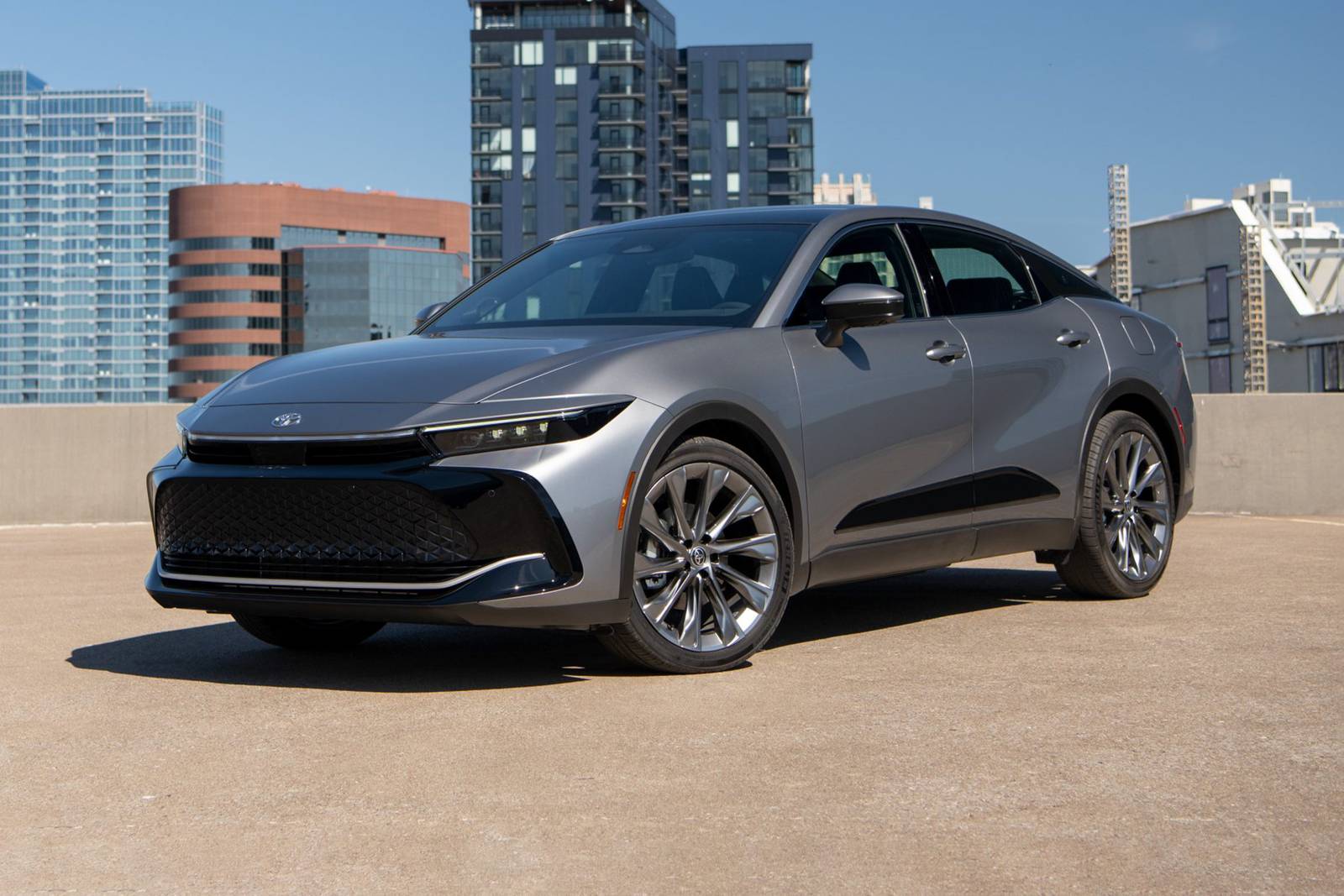
Are you interested in knowing the price of a Toyota Crown? Well, you’ve come to the right place! In this article, we will explore the cost and other details of the Toyota Crown, a mid-size luxury sedan that offers both style and performance.

How Much is a Toyota Crown

Credit: www.caranddriver.com

How Much is a Toyota Crown

Credit: www.edmunds.com

Toyota Crown Overview

The Toyota Crown is a popular mid-size luxury sedan known for its elegant design and advanced features. With exceptional build quality and reliability, the Crown has gained a strong reputation in the automotive industry.

The Crown comes in various trims, including XLE, Limited, and Platinum, each offering different levels of luxury and comfort. Whether you’re looking for a spacious interior, advanced safety features, or a refined powertrain, the Toyota Crown has it all.


Toyota Crown Price

The price of a Toyota Crown may vary based on the trim level and optional features you choose. According to reputable sources like Kelley Blue Book and U.S. News & World Report, the starting price for a Toyota Crown is around $39,950. However, higher trims and additional features can increase the price to around $41,445.

It’s important to keep in mind that these prices are estimates and may vary based on factors like location, dealership discounts, and current market conditions. Therefore, it’s always a good idea to reach out to your local Toyota dealership for accurate pricing information.

Where To Buy A Toyota Crown

If you’re interested in purchasing a Toyota Crown, you can visit your nearest Toyota dealership to explore available options. The Toyota Crown is available for sale in the United States, so you can find a dealership that offers this luxury sedan.

Additionally, you can also conduct online research and visit reputable car-selling websites like Car and Driver, Edmunds, and CarBuzz to find new or used Toyota Crowns for sale. These websites provide detailed information about pricing, trims, and features, allowing you to make an informed decision.

Is the Toyota Crown Worth It?

The Toyota Crown offers a wide range of features and benefits that make it a worthwhile investment for luxury car enthusiasts. With its spacious interior, comfortable seats, and advanced safety technologies, the Crown provides a luxurious and safe driving experience.

Furthermore, the Toyota Crown has received positive reviews from renowned automotive experts. It has been praised for its fuel efficiency, refined powertrain, and attractive interior and exterior design. These factors contribute to the overall value and desirability of the Toyota Crown.

Conclusion

If you’re considering purchasing a luxury sedan, the Toyota Crown is definitely worth exploring. With its competitive pricing, advanced features, and luxurious design, the Crown offers a compelling option for car buyers.

Remember to research specific pricing details and compare offers from different dealerships to ensure you get the best deal possible. By doing so, you’ll be able to enjoy the elegance and performance of the Toyota Crown while staying within your budget.

Frequently Asked Questions On How Much Is A Toyota Crown

How Much Will A Toyota Crown Cost?

The price of a Toyota Crown can vary depending on the model and specifications, ranging from $39,950 to $41,445. It is a mid-size luxury sedan known for its spaciousness and comfortable ride quality. You can find new Toyota Crowns for sale at reputable dealerships in the USA.

Is Toyota Crown A Luxury Car?

Yes, the Toyota Crown is considered a luxury car with its elegant design, high-quality materials, and advanced features. It offers a comfortable and luxurious driving experience.

How Much Will The Toyota Crown Signia Cost?

The Toyota Crown Signia is priced around $39,950 to $41,445 in the USA.

How to Check Tire Pressure on Toyota Corolla 2022


To check tire pressure on a 2022 Toyota Corolla:

  • Locate the recommended PSI on the driver's door jamb.
  • Use a reliable tire pressure gauge.
  • Adjust the pressure if needed.

Regular checks are essential for safety and tire longevity.

Locate the Recommended PSI

check tire pressure guideline

To check your tire pressure, first find the recommended PSI on a sticker inside the driver's door jamb of your Toyota Corolla 2022. This sticker tells you the correct tire pressure, which varies by vehicle model. Look for the sticker on the edge of the door or the door frame. It shows the ideal tire pressure for both front and rear tires in PSI. Following these recommendations is important for tire wear, performance, and fuel efficiency.

Skipping this step can cause problems like uneven tire wear or unsafe driving conditions. Using the correct PSI avoids these issues and helps with better car handling and fuel economy.

Preparing Your Tools

To check the tire pressure of a 2022 Toyota Corolla, you need a reliable tire pressure gauge. There are three types: digital, dial, and stick. Digital gauges are the most accurate and easy to read.

You should also have a notebook and pen to record tire pressure readings. This helps monitor tire condition and ensure even inflation.

Having a portable air compressor is useful for inflating any low tires. It's convenient and can be powered by your car.

Lastly, have a rag or towel to clean any dirt from checking tire pressure, ensuring accurate readings.

Measuring the Pressure

pressure gauge calibration process

To check the tire pressure on a 2022 Toyota Corolla, follow these steps:

  1. Find Recommended Pressure: Look in the owner's manual or on the sticker inside the driver's side door for the tire pressure recommendation.
  2. Remove Valve Cap: Take off the valve cap from one tire and keep it safe.
  3. Use Gauge on Valve Stem: Press a tire pressure gauge onto the tire's valve stem until it reads the pressure in PSI (pounds per square inch).

Check tire pressure when tires are cold for accuracy. If the car was driven recently, wait a few hours before checking. Compare the gauge reading to the recommended pressure. If they match or are close, the tire pressure is good. Remember to put the valve cap back on to prevent air leaks. Check all four tires the same way to ensure the car drives smoothly and safely.

Adjusting Tire Pressure

Adjust tire pressure correctly for vehicle performance and safety. Use an air compressor, found at gas stations, and a tire pressure gauge.

  1. Remove the tire's valve cap.
  2. Attach the air compressor nozzle to the valve stem. To increase pressure, press the lever and let air in. Check the pressure to avoid overfilling. To decrease pressure, press the valve stem's pin with a tool or gauge back, releasing air slowly. Check pressure to reach the desired level.
  3. Once at the recommended pressure, replace the valve cap to keep out dirt and moisture.
  4. Do this for each tire to ensure they're all at the correct pressure. Properly inflated tires improve wear, longevity, and handling.

Regular Maintenance Tips

keep your vehicle running

After you adjust the tire pressure, continue with routine checks to keep your 2022 Toyota Corolla running well. Doing regular maintenance helps your car last longer and stay safe when driving.

Here are three important maintenance tasks:

  1. Oil Changes: The engine oil keeps the engine working by lubricating, cooling, and cleaning it. However, oil gets old and needs changing. For the 2022 Corolla, change the oil every 5,000 to 10,000 miles depending on how you drive and the oil type. If you skip oil changes, your engine could get damaged.
  2. Tire Rotation: Besides monitoring tire pressure, remember to rotate your tires. Do this every 5,000 to 7,500 miles to wear them down evenly. This makes your tires last longer, improves control, and helps with gas mileage. Tire rotation is important for a smooth ride.
  3. Brake Inspection: Brakes are vital for safety. Check them at least once a year or more often if you hear strange noises or if the brake pedal feels different. Regular checks can find problems early, avoiding bigger, more expensive issues later.

Conclusion

Making sure the air in your Toyota Corolla 2022's tires is just right is very important for keeping you safe and making your car work better.

After you've found the perfect air pressure, got your tools ready, checked and fixed the air in your tires, you're good to go.

Remember, checking and keeping your tires at the right pressure often not only makes your tires last longer but also helps your car use less gas and drive smoother.

Try to check your tires every month for the best results.

Drive safely!

How to Change Time on Toyota Highlander 2022


How to Change Time on Toyota Highlander 2022

Welcome to our comprehensive guide on how to change the time on your Toyota Highlander 2022. Whether you’ve recently purchased this amazing vehicle or you’re a proud owner looking to make adjustments, we’ve got you covered!

Step 1: Turn on the Vehicle

First, start by entering your Toyota Highlander 2022. Ensure that the vehicle is completely stopped and in park mode. Then, press the engine’s start/stop button to turn on the power without starting the engine.

Step 2: Access the Settings Menu

Once the vehicle’s power is on, navigate to the center console display and locate the “MENU” button. Press the “MENU” button to access the main settings menu.

Step 3: Enter the Time Settings

Within the settings menu, look for the “Clock” or “Time” option. Select this option to enter the time settings interface.

Step 4: Adjust the Time

Now, you will see the current time displayed on the screen. Use the touchscreen or the control buttons to adjust the hours and minutes to the correct time. Some models may also allow you to adjust the date at this point.

How to Change Time on Toyota Highlander 2022

Credit: m.youtube.com

Step 5: Save and Confirm

Once you’ve set the time and date correctly, look for the “Save” or “Confirm” button on the screen. Press this button to save your changes and exit the time settings menu.

Step 6: Verify the Changes

Double-check that the time is now displaying accurately on the vehicle’s dashboard and center console. Confirm that the date, if adjusted, is also reflecting the correct information.

Step 7: Enjoy your Accurate Time Display

Congratulations! You have successfully changed the time on your Toyota Highlander 2022. Now, you can drive with confidence knowing that your vehicle’s clock is set to the correct time.

How to Change Time on Toyota Highlander 2022

Credit: mag.toyota.co.uk

Additional Tips

Here are some additional tips to ensure a smooth time adjustment process:

  • Refer to your vehicle’s owner’s manual for specific instructions related to your Highlander model.
  • If you encounter any difficulties, don’t hesitate to contact your local Toyota dealership for assistance.
  • Consider syncing the time with your smartphone for added convenience.

Final Thoughts

Changing the time on your Toyota Highlander 2022 is a simple and straightforward process. By following our step-by-step guide and utilizing the tips provided, you can easily ensure that your vehicle’s clock is always displaying the accurate time.

Enjoy driving your Toyota Highlander 2022 with confidence, knowing that you’re in control of your time display!

Frequently Asked Questions For How To Change Time On Toyota Highlander 2022

How Do I Change The Time On My Toyota Highlander 2022?

To change the time on your Toyota Highlander 2022, follow these steps:
1. Locate the clock button on your dashboard or infotainment system. 2. Press and hold the clock button until the time display starts blinking. 3. Use the up or down buttons to adjust the hours and minutes. 4. Once you’ve set the correct time, press the clock button again to save the changes.

Can I Change The Time On My Toyota Highlander 2022 Using Voice Commands?

Yes, you can change the time on your Toyota Highlander 2022 using voice commands. Simply activate the voice command system by pressing the voice command button on your steering wheel or by using the “Hey, Toyota” wake word. Once the system is activated, say “Change the time” or a similar phrase, and follow the prompts to adjust the hours and minutes.

Is It Possible To Sync The Time On My Toyota Highlander 2022 With My Smartphone?

Yes, you can sync the time on your Toyota Highlander 2022 with your smartphone. To do this, make sure that your smartphone is connected to the vehicle’s infotainment system via Bluetooth. Once connected, the time on your vehicle will automatically sync with the time on your smartphone.

This ensures that your vehicle’s clock is always accurate and up to date.

Sun Belt Vs Bible Belt


The Sun Belt and Bible Belt are two distinct regions in the United States with different cultural, economic, and political characteristics.

The Sun Belt, located in the southern and western parts of the country, is known for its warm climate, rapid population growth, and economic opportunities. This region has attracted many people seeking a better quality of life, job prospects, and lower cost of living.

In contrast, the Bible Belt, which stretches across the southern and midwestern states, is characterized by a strong influence of conservative Christianity on its culture and politics. This region is known for its emphasis on traditional values, religious beliefs, and social norms.

These differences between the Sun Belt and Bible Belt have significant implications for U.S. society, including political polarization, debates over social issues, and economic disparities between regions.

Understanding these distinctions can provide valuable insights into the diverse fabric of American society and the complex interplay of factors that shape regional identities and perspectives.

Historical Origins

ancient civilization beginnings traced

To comprehend the distinct identities of the Sun Belt and the Bible Belt, we must trace their origins back to the historical events that shaped them. You'll notice that climate influence played a pivotal role in their development. The Sun Belt, stretching across the southern and southwestern U.S., became attractive because of its warm climate, drawing significant migration trends post-World War II. This influx wasn't only about seeking sunnier weather but also economic opportunities in emerging industries.

In contrast, the Bible Belt, primarily located in the Southeastern U.S., developed its identity through a different set of migration trends, deeply influenced by early settlers' religious fervor. This region's climate, while warm, didn't serve as the primary trigger for its growth. Instead, the establishment of a strong religious community provided a foundation for its distinct cultural identity.

Comparing these two regions, you can see how climate and migration trends played important roles but in markedly different ways. The Sun Belt's appeal was largely economic and lifestyle-driven, whereas the Bible Belt's identity was more tied to religious and cultural roots. This contrast underlines the importance of grasping the subtle forces that have shaped these regions historically.

Economic Growth Patterns

Analyzing the economic growth patterns of the Sun Belt and Bible Belt reveals distinct trajectories shaped by their unique historical and cultural influences. You'll notice the Sun Belt's economy has thrived through industry diversification and the emergence of technology hubs. This region, stretching across the southern United States, has attracted a variety of tech companies and startups, fostering innovation and economic expansion. Cities like Austin and Silicon Valley have become synonymous with tech growth, drawing in talent and investment from across the globe.

In contrast, the Bible Belt's economic growth has been more traditional, relying heavily on manufacturing, agriculture, and energy sectors. While there's been an effort to diversify, the pace has been slower compared to the Sun Belt. This difference in economic evolution highlights the impact of regional strategies and priorities. The Sun Belt's focus on creating a helpful environment for technology and innovation has paid off, positioning it as a leader in economic growth. Meanwhile, the Bible Belt's more conservative approach to economic development has maintained its historical economic base, yet it's slowly adapting to the changing economic landscape.

Cultural Landscapes

cultural heritage preservation efforts

Comprehending the economic growth patterns of the Sun Belt and Bible Belt sets the stage for exploring their distinct cultural landscapes, which are deeply intertwined with these economic trajectories. The variation in climate, economic activities, and historical backgrounds have sculpted unique cultural identities in both regions, reflected in their:

  1. Climate adaptation strategies: You'll notice the Sun Belt's urban planning and housing incorporate features designed for heat management and energy efficiency, a response to its warmer climate. In contrast, the Bible Belt's structures often emphasize durability to withstand varied weather conditions, from humid summers to cold winters.
  2. Architectural styles: The architectural styles in these regions are a direct reflection of their cultural and historical influences. The Sun Belt boasts modern, sprawling urban developments, highlighting its rapid growth and economic dynamism. Meanwhile, the Bible Belt often preserves traditional designs, with historical districts and buildings that tell the story of America's early days.
  3. Social customs and community activities: These are shaped by the regions' differing climates and economic backgrounds. The Sun Belt's culture is often seen as more laid-back, with a strong emphasis on outdoor activities, while the Bible Belt maintains a more traditional, community-focused lifestyle, deeply rooted in its historical and religious heritage.

Through these elements, you can observe how climate adaptation and architectural styles are pivotal in distinguishing the cultural landscapes of the Sun Belt and Bible Belt, each reflecting their unique economic and historical contexts.

Political Influence

The political landscapes of the Sun Belt and Bible Belt greatly shape each region's cultural and economic environments, reflecting deep-seated historical and ideological differences. In the Sun Belt, you'll notice a more diverse voting pattern, with recent decades showing a noteworthy shift towards more progressive policies. This change is driven by a mix of native demographic evolution and an influx of new residents from more liberal areas, impacting voting trends and, as a result, policy outputs. Issues like climate change, immigration reform, and economic diversification often take center stage, illustrating the region's evolving political priorities.

Conversely, the Bible Belt maintains a more conservative stance, deeply influenced by its evangelical Christian majority. Here, voting trends have historically skewed towards policies that emphasize traditional values, including those related to abortion, education, and same-sex marriage. This steadfastness shapes policy impacts significantly, with legislation often reflecting conservative ideologies, even as national sentiments may shift.

The contrast between these regions isn't just a matter of red versus blue; it's a reflection of how deeply regional identities can influence political outcomes. As you explore further into their political influence, you'll see how voting trends and policy impacts weave through the fabric of each region, shaping their futures in distinctive ways.

Demographic Shifts

demographic changes in society

Grasping how political landscapes are influenced by the Sun Belt and Bible Belt requires a close look at the demographic shifts shaping each region. You'll see that migration trends and urbanization effects are pivotal in comprehending these changes.

  1. Migration Trends: The Sun Belt has witnessed a significant influx of residents because of its warmer climate, booming job market, and lower cost of living. This migration isn't only from other parts of the U.S. but even from international locations, diversifying the region's demographic makeup. In contrast, the Bible Belt's population growth is more moderate, with a steadier pace of in-migration that's often from within the U.S., reflecting differing economic opportunities and lifestyle preferences.
  2. Urbanization Effects: Urban areas in the Sun Belt, such as Atlanta and Phoenix, have expanded rapidly. This urbanization drives economic growth but also changes the social fabric, introducing more progressive ideas into traditionally conservative areas. Meanwhile, the Bible Belt's urbanization is less pronounced, with smaller cities experiencing growth that reinforces traditional values rather than challenging them.
  3. Age Demographics: The Sun Belt attracts a younger population, drawn by job opportunities and a vibrant culture. Conversely, the Bible Belt tends to have an older demographic, which influences local policies and maintains a more conservative outlook.

These shifts are pivotal for comprehending the evolving political and social landscapes of these regions.

Conclusion

In comparing the Sun Belt and Bible Belt, you've seen how their histories diverged, shaping distinct economic trajectories and cultural identities. The Sun Belt's explosive economic growth contrasts with the more traditional, stable economy of the Bible Belt.

Culturally, the Sun Belt's diverse, dynamic landscape differs sharply from the Bible Belt's deeply rooted religious traditions. Politically, these regions exert significant, yet distinct, influences. Demographic shifts underscore these differences, with the Sun Belt attracting a younger, more diverse population, further diversifying its cultural and political landscape.