Recent Posts

Hyundai Timing Belt or Chain


Hyundai uses both timing belts and chains depending on the model and year.

Delving into the complex inner workings of your Hyundai reveals the importance of understanding whether your vehicle utilizes a timing belt or chain.

This knowledge is crucial for maintaining your car's longevity and performance.

Recognizing which system your Hyundai employs goes beyond a simple inspection—it's about equipping yourself with the necessary information for proper maintenance.

As you uncover this key detail, you're better prepared to ensure your vehicle's optimal operation and durability.

Timing Belt Vs. Chain Basics

engine component comparison guide

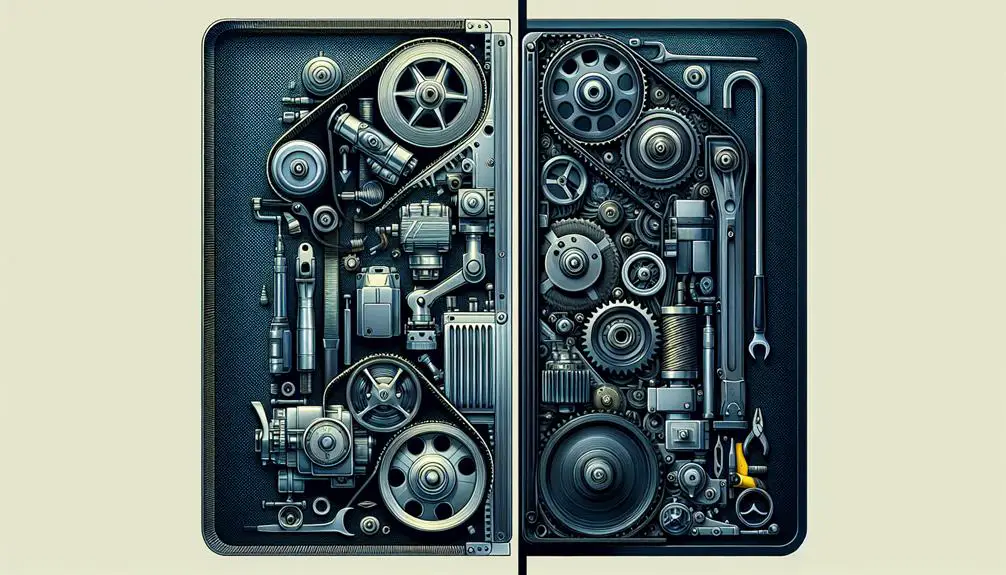
Comprehending the fundamental differences between timing belts and chains is crucial for maintaining your Hyundai's engine performance and longevity. At the core of this comparison lies the material composition, a pivotal factor distinguishing them. Timing belts are generally made from rubber compounds, often reinforced with fibers like fiberglass or Kevlar, allowing for a lighter, more flexible, and quieter operation.

In contrast, timing chains are constructed from durable metal, ensuring a sturdy and long-lasting solution, albeit with a potential for increased noise.

This brings us to the noise comparison aspect. Owing to their material makeup, timing belts offer a significantly quieter operation compared to chains. The rubber composition of belts absorbs vibrations and operates smoothly, minimizing acoustic output.

Conversely, metal chains, while sturdy, tend to produce more noise because of the metal-on-metal contact and the nature of their operation within the engine. This difference in noise levels is a key consideration for many Hyundai owners, seeking not only performance but a pleasant driving experience.

Recognizing these nuances helps you make an informed decision about your vehicle's needs, balancing longevity, performance, and auditory comfort.

Importance for Hyundai Vehicles

Choosing the right timing mechanism, whether a belt or chain, plays a critical role in maximizing the efficiency and durability of your Hyundai's engine. This decision isn't just about what keeps your engine running; it's about making sure the heart of your vehicle beats strongly for years to come. Engine longevity is directly influenced by this choice. Timing belts, while quieter and less expensive to produce, require more frequent replacement than chains. Neglecting this maintenance can lead to catastrophic engine failure, greatly shortening the lifespan of your Hyundai.

On the other hand, timing chains are designed for the life of the engine. They're sturdier, but with this durability comes the necessity for an oil bath, demanding meticulous oil maintenance to prevent wear and tear. The performance impact of your timing system choice is profound. A well-maintained timing belt or chain ensures harmonious synchronicity between the engine's pistons and valves, optimizing your Hyundai's performance.

Conversely, a timing mechanism that's worn out or incorrectly fitted can result in decreased fuel efficiency, power loss, and even severe engine damage. Therefore, grasping the importance of this choice is paramount for maintaining your vehicle's health and performance.

Identifying Your Hyundai's System

hyundai s system identification guide

To accurately determine if your Hyundai operates on a timing belt or chain, you'll need to delve into the specific model and year of your vehicle. Hyundai models have historically utilized both systems, with variations even within model lines based on the year and engine type. Knowing which system your car uses is important for understanding maintenance needs and the belt lifespan.

Consider these factors:

  • Model and Year: Start by identifying the exact model and year of your Hyundai. Different years may switch between a belt and a chain.
  • Engine Type: Some Hyundai models offer different engine types within the same year that may use different systems.
  • Belt Lifespan: Generally, timing belts require replacement more frequently than chains.
  • Manufacturer's Guide: Consult your vehicle's manual or manufacturer's website for specific details regarding your model.
  • Professional Inspection: If in doubt, a professional mechanic can quickly identify the system in your Hyundai.

Maintenance Recommendations

Knowing your Hyundai's timing system sets the stage for properly maintaining it, whether it involves a belt or a chain. For those with a timing belt, regular inspection and replacement are important. Typically, belts require replacement every 60,000 to 100,000 miles. Ignoring this can lead to catastrophic engine damage, skyrocketing repair costs. On the flip side, timing chains generally last longer, often the life of the vehicle, but they're not immune to wear. Regular oil changes are important for maintaining the lubrication and health of a chain.

It's necessary to factor in warranty coverage when planning maintenance. Some Hyundai warranties may cover timing system components, reducing potential out-of-pocket expenses. However, warranty specifics vary, and neglecting routine maintenance can void this coverage, leaving you to foot the bill for repairs.

Staying on top of these recommendations not only safeguards your vehicle's performance but also manages repair costs effectively. Regular check-ups, as advised by Hyundai's maintenance schedule, are your best defense against unexpected failures. This proactive approach ensures your Hyundai remains reliable, efficient, and ready to take on the miles ahead.

Common Questions Answered

frequently asked questions addressed

Addressing common queries, it's vital you comprehend if your Hyundai utilizes a timing belt or chain, influencing maintenance strategies and potential costs. Knowing this can greatly impact Hyundai reliability and the associated replacement costs, directly affecting your vehicle's performance and longevity.

  • Timing Belt vs. Chain: Hyundai models can come with either, affecting durability and maintenance intervals. Chains typically last longer but check your model specifics.
  • Replacement Costs: Costs can vary widely. Timing belts usually need replacement between 60,000 and 100,000 miles and can be less expensive than chains, but don't forget labor costs.
  • Symptoms of Wear: Listen for unusual noises or a decline in engine performance. These could indicate it's time for a replacement to avoid further damage.
  • Impact on Hyundai Reliability: Proper timing belt or chain maintenance is essential for Hyundai's engine integrity and overall vehicle reliability. Neglect can lead to catastrophic engine failure.
  • Choosing a Service Provider: Opt for reputable mechanics familiar with Hyundai's specifications to ensure quality workmanship and genuine parts, safeguarding your vehicle's performance and warranty.

Comprehending these aspects enables you to make informed decisions about your Hyundai's maintenance, ensuring it remains a reliable companion on the road.

Conclusion

In summary, whether your Hyundai is equipped with a timing belt or chain greatly influences maintenance strategies. Knowing your vehicle's specific system is essential for guaranteeing its longevity and performance.

Regular inspections and timely replacements, as suggested, can prevent costly repairs. By staying informed and proactive about your Hyundai's timing mechanism, you'll guarantee its reliability and efficiency.

Remember, while timing belts may require more frequent attention, chains offer durability but aren't maintenance-free. Choose wisely and maintain diligently.

Drive Belt Vs V Belt


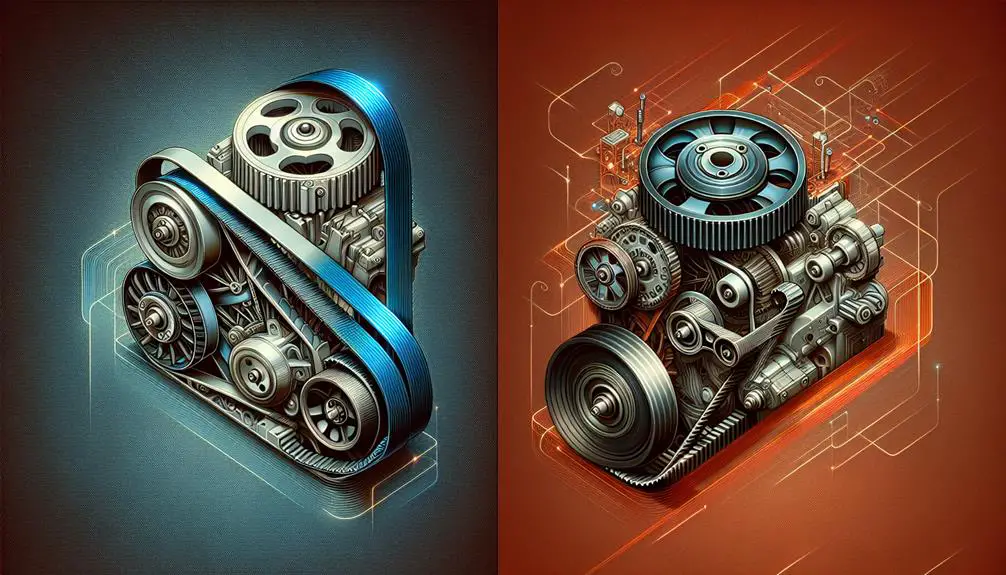
Drive belts and V belts serve the crucial function of transferring power in machinery systems. Drive belts, typically made of rubber or a similar material, connect two or more rotating shafts. They are commonly used in applications where a smooth transfer of power is required. V belts, on the other hand, are named for their trapezoidal cross-section, which allows them to grip the pulleys more effectively. This design feature makes V belts ideal for high-torque, low-speed applications. Both types of belts must be properly maintained to ensure optimal performance and prevent breakdowns. Regular inspection for wear and tension adjustment are key aspects of belt maintenance to keep machinery running smoothly.

Definition and Types

understanding definitions and classifications

Drive belts and V belts, integral components in mechanical systems, transmit power between pulleys with efficiency and precision. They're crafted from a variety of materials, each selected for its durability, flexibility, and heat resistance. The material composition often includes rubber, neoprene, and polyurethane, among others, catering to the specific needs of the application. This choice in material directly influences the belt's performance, lifespan, and maintenance requirements.

Belt tensioning is another critical aspect, demanding precise adjustment to maintain best performance. Incorrect tensioning can lead to increased wear, reduced power transmission efficiency, and potential system failure. You've got to make sure that the tension is neither too high, causing excessive wear on the belts and pulleys, nor too low, resulting in slippage and loss of transmitted power. The correct tension is achieved through careful measurement and adjustment, typically following the manufacturer's specifications. It's a delicate balance, but getting it right guarantees the longevity and efficiency of the belt-driven system.

Key Differences

Grasping the key differences between drive belts and V belts is critical in selecting the best component for your mechanical system. The distinctions largely hinge on material composition and installation complexity, among other factors. Here's a closer look to guide your decision.

Feature Drive Belt V Belt
Material Composition Often made from rubber, neoprene, or polyurethane, incorporating fibers for strength. Primarily constructed from rubber or synthetic rubber, with a unique V-shaped cross-section.
Installation Complexity Tends to be more straightforward essential their flexibility and the variety of systems they fit. Can be more complex, requiring precise alignment to match the pulley grooves.
Design Flexibility Broad design options to suit a wide range of applications, including flat, ribbed, and synchronous types. More standardized in design, focusing on efficient power transmission in specific pulley systems.

Understanding these key differences is crucial you're well-equipped to make an informed choice. While drive belts offer versatility and ease of installation, V belts are recognized for their specialized application ensuring snug fit and alignment. Your selection should, therefore, reflect the specific requirements of your mechanical system, considering both material composition and installation complexity.

Performance and Efficiency

optimizing workplace productivity

When evaluating the performance and efficiency of mechanical systems, it's critical to contemplate how drive belts and V belts directly influence power transmission and operational smoothness. You'll find that drive belts, with their flat surface design, often excel at minimizing slippage. This feature guarantees a more consistent transmission of power, which, as a result, can lead to improved efficiency of the machinery. The reduced slippage attribute of drive belts also plays a vital role in lowering noise levels, making them an ideal choice for environments where operational quietness is paramount.

On the other hand, V belts, with their unique cross-sectional shape, offer superior grip, which reduces the chance of belt misalignment and contributes to a smoother operation. Their design allows for excellent heat resistance, ensuring that they maintain performance even under high temperature, which is a critical factor for applications involving heavy loads or high speeds. This heat resistance capability of V belts not only extends their lifespan but also preserves the efficiency of the system by preventing the overheating that can lead to power loss.

Both types of belts have their merits regarding performance and efficiency, heavily influenced by their heat resistance and noise level attributes.

Application Areas

Comprehending the varied applications of drive belts and V belts is pivotal for optimizing mechanical systems for specific operational needs. It's essential to take into account both material compatibility and installation challenges when selecting the right belt for your application.

Drive belts, with their broader surface area, are ideal for high-power transmissions. They're especially suited for applications requiring smooth operation and minimal vibration, such as in automotive engines and heavy machinery. The choice of material is vital here; for instance, rubber drive belts offer flexibility and durability but may not be compatible with certain chemicals or extreme temperatures.

V belts, on the other hand, are designed for compact, high-speed applications. Their unique V-shaped profile ensures better grip and stability, making them a go-to for HVAC systems and agricultural machinery. However, their installation can be more challenging, requiring precise alignment to prevent uneven wear and tear.

  • Material compatibility: Guarantees the belt's longevity and efficiency in specific environments.
  • Installation challenges: Proper alignment and tension are crucial for the best performance.
  • Operational needs: Whether it's high power or high speed, choosing the right belt can have a significant impact on system efficiency.

Maintenance and Lifespan

maintenance and durability essential

Appreciating the specific applications of drive belts and V belts sets the stage for discussing their maintenance needs and expected lifespan, which are key to ensuring peak performance and durability in mechanical systems. You must consider weather effects on both types of belts, as extreme temperatures and humidity can accelerate wear and tear. For drive belts, maintaining the best tension is critical; too tight, and you risk premature bearing failure, too loose, and you'll face slippage or reduced power transmission efficiency. Regular inspection for cracks, fraying, or glazing is also vital.

For V belts, proper alignment and tensioning during installation are paramount to prevent uneven wear and extend their service life. Installation tips include using a tension gauge to guarantee the correct tension and checking pulley alignment with a straight edge or laser aligner. It's vital to replace V belts in matched sets to avoid uneven load distribution.

Both belt types benefit from periodic cleaning to remove debris that can abrade the belt material. Adhering to these maintenance guidelines, you can typically expect a drive belt to last 3-5 years, while a V belt might last 5-7 years, depending on its application and environmental conditions.

Conclusion

To sum up, while both drive belts and V-belts play crucial roles in mechanical systems, they differ greatly in design, efficiency, and application specificity.

Drive belts, covering a wider category, excel in versatile applications, offering superior flexibility and load capacity.

Conversely, V-belts, with their unique trapezoidal shape, provide a cost-effective solution with remarkable precision in power transmission.

Best performance depends on choosing the right belt type, considering the specific mechanical requirements and operational conditions, ensuring longevity and minimizing maintenance demands.

How Many Catalytic Converters are in a Toyota Tundra


How Many Catalytic Converters are in a Toyota Tundra

When it comes to the number of catalytic converters in a Toyota Tundra, there has been some confusion. Some sources state that there are four catalytic converters in a Toyota Tundra, while others mention two. In this article, we will clarify the number of catalytic converters in a Toyota Tundra and provide some insights into the significance of these components.

How Many Catalytic Converters are in a Toyota Tundra

Credit: www.gearist.com

The Number of Catalytic Converters in a Toyota Tundra

Toyota Tundra models typically come with two inline catalytic converters, a small converter located behind the muffler, and a final converter in the tailpipe. These four catalytic converters work together to reduce emissions and ensure the vehicle meets environmental standards.


The Importance of Catalytic Converters

Catalytic converters play a crucial role in reducing harmful emissions produced by a vehicle’s engine. They contain a catalyst that facilitates chemical reactions, converting harmful pollutants into less harmful substances before they are released into the atmosphere. Without catalytic converters, vehicles would release higher levels of pollutants, contributing to air pollution and negatively impacting the environment.

Toyota Tundra and Catalytic Converter Theft

It is important to note that Toyota Tundra catalytic converters have unfortunately become a target for thieves due to the precious metals they contain, such as platinum, palladium, and rhodium. These metals are valuable and can be sold for a significant profit on the black market. As a result, Toyota Tundra owners have experienced an increase in catalytic converter theft.

How Many Catalytic Converters are in a Toyota Tundra

Credit: tacotunes.com

Protecting Your Toyota Tundra

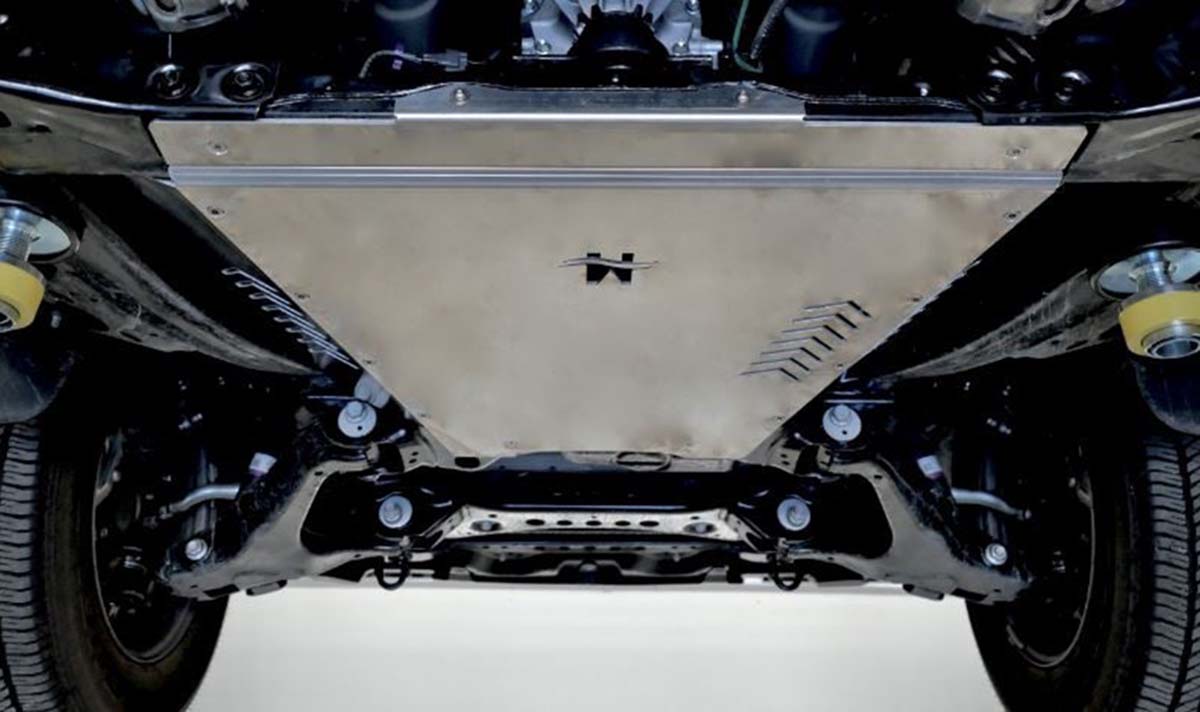
If you own a Toyota Tundra, it is crucial to take steps to protect your vehicle from catalytic converter theft. Installing anti-theft devices, such as catalytic converter shields or security systems, can deter thieves and make it more difficult for them to steal your catalytic converter.

The Cost of Catalytic Converter Replacement

In the unfortunate event that your Toyota Tundra’s catalytic converter gets stolen or damaged, you may need to replace it. The cost of replacing a catalytic converter can vary depending on the model year and whether you choose to buy an original equipment manufacturer (OEM) part or an aftermarket part. It is advisable to reach out to reputable auto parts suppliers or speak to a mechanic to get an accurate estimate for your specific vehicle.

Frequently Asked Questions On How Many Catalytic Converters Are In A Toyota Tundra

Are Toyota Tundra’s Targeted For Catalytic Converter Theft?

Yes, Toyota Tundra’s catalytic converters are targeted for theft more than any other vehicle, according to Martin County Sheriff William Snyder. This is due to the value of the precious metals within the converters. To protect your Tundra’s catalytic converter, invest in a Toyota Tundra Cat Security™ Cat Shield, which provides robust aluminum barriers.

How Much Does It Cost To Replace Catalytic Converter Toyota Tundra?

The cost to replace the catalytic converter for a Toyota Tundra is approximately $800 to $1,500. Protect your investment by installing a Toyota Tundra Cat Security™ Cat Shield to prevent catalytic converter theft. Keep your Tundra running smoothly and comply with emissions regulations with a new catalytic converter.

How Much Is A Toyota Catalytic Converter Worth Scrap?

A Toyota catalytic converter is worth around $50 to $250 as scrap.

Conclusion

In conclusion, Toyota Tundra models typically have four catalytic converters: two inline converters, a small converter behind the muffler, and a final converter in the tailpipe. These catalytic converters are crucial for reducing emissions and ensuring the vehicle operates within environmental standards. Unfortunately, Toyota Tundra catalytic converters have become a target for thieves due to their valuable precious metal content. Taking steps to protect your vehicle and investing in anti-theft devices can help deter theft and safeguard your Toyota Tundra’s catalytic converters.

Note: It is essential to follow local regulations and consult with professionals when making any modifications or replacements to your vehicle’s catalytic converters.

How to Turn on Passenger Airbag Toyota Highlander


How to Turn on Passenger Airbag Toyota Highlander

When it comes to ensuring the safety of your passengers, having the airbag system fully functional in your Toyota Highlander is crucial. If you have recently had the passenger airbag turned off, whether for a specific reason such as using a child safety seat or for maintenance purposes, you will want to turn it back on when it’s safe to do so.

Here’s a step-by-step guide on how to turn on the passenger airbag in your Toyota Highlander:

Step 1: Ensuring Safety

Before proceeding, ensure that there are no obstructions or objects in the passenger seat that could interfere with the airbag system. Once you have confirmed this, you can proceed with the following steps.

Step 2: Ignition Off

Turn the ignition of your Toyota Highlander to the OFF position. Ensure that the vehicle is completely powered down before proceeding with the next step.

How to Turn on Passenger Airbag Toyota Highlander

Credit: m.youtube.com

Step 3: Passenger Airbag Indicator

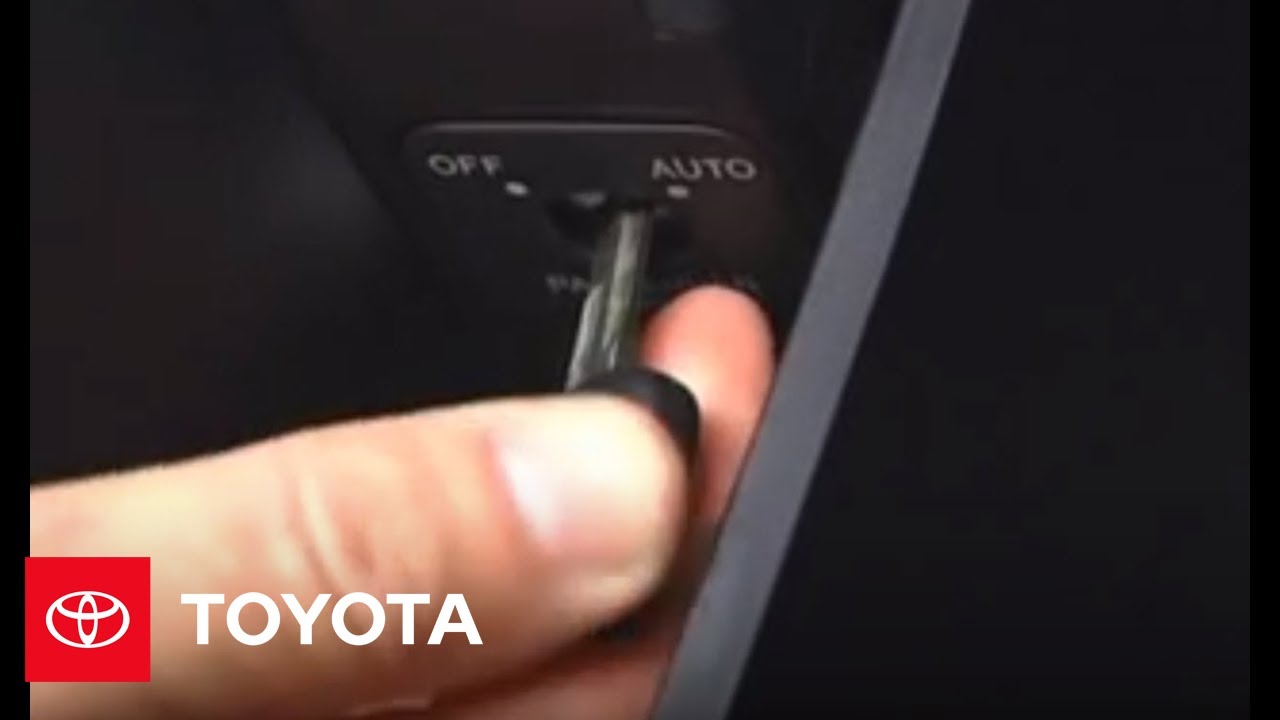
Locate the passenger airbag indicator in your Toyota Highlander. This is usually located on the center console or dashboard and indicates whether the passenger airbag is currently active or deactivated.

How to Turn on Passenger Airbag Toyota Highlander

Credit: www.toyotanation.com

Step 4: Turning on the Airbag

With the ignition off, insert the key into the ignition and turn it to the ON position. Look at the passenger airbag indicator and verify that the airbag system has been activated. The indicator light should display that the passenger airbag is indeed active.


Step 5: Testing the System

After following the previous steps, it’s essential to test the passenger airbag system to ensure that it is functioning properly. You can do this by turning the ignition to the ON position and observing the passenger airbag indicator once more. If the indicator remains illuminated and does not display any warnings, the airbag system is operational.

It’s important to note that if the passenger airbag indicator shows that the airbag is deactivated, even after following these steps, there may be an issue with the airbag system. In this case, it is recommended to have your Toyota Highlander inspected by a certified technician to diagnose and rectify the issue.

Frequently Asked Questions For How To Turn On Passenger Airbag Toyota Highlander

How Do I Turn On The Passenger Airbag In A Toyota Highlander?

To turn on the passenger airbag in your Toyota Highlander, simply insert the key into the ignition, turn it to the “ON” position, and ensure the airbag indicator light is illuminated.

Can I Deactivate The Passenger Airbag In My Toyota Highlander?

Yes, you can deactivate the passenger airbag in your Toyota Highlander by using the designated key switch located on the lower side of the dashboard. This is useful when transporting children or using a rear-facing child seat.

Is It Possible To Reactivate The Passenger Airbag After Deactivating It?

Yes, after deactivating the passenger airbag in your Toyota Highlander, you can reactivate it by using the same key switch. Remember to reposition the switch to the “activate” position to ensure the airbag is functional during normal operation.

Conclusion

By following these simple steps, you can safely and effectively turn on the passenger airbag in your Toyota Highlander. Ensuring that the airbag system is properly activated is a key aspect of passenger safety, and these steps will help you accomplish that with ease.

Hyundai I30 Drive Belt Noise


Drive belt noise in a Hyundai i30 can be caused by a variety of issues, such as wear and tear, misalignment, or tension issues. The first step in identifying the source of the noise is to visually inspect the belt for any signs of damage or misalignment. If the belt appears to be in good condition, the next step is to check the tension of the belt using a tension gauge. If the tension is too loose or too tight, it can cause noise. Adjusting the tension to the manufacturer's specifications should resolve the issue. If the belt is in good condition and properly tensioned, but the noise persists, it may be necessary to replace the belt altogether. Regular maintenance and inspection of the drive belt can help prevent noise issues and ensure the longevity of the belt.

In conclusion, drive belt noise in a Hyundai i30 can be resolved by visually inspecting the belt, checking and adjusting the tension, and replacing the belt if necessary. Regular maintenance is key to preventing drive belt noise and ensuring optimal performance of the vehicle.

Identifying Drive Belt Noise

diagnosing drive belt issues

Identifying drive belt noise in your Hyundai i30 involves listening for a distinct, high-pitched squeal that usually indicates a belt misalignment or wear. You're probably familiar with the sound—it's impossible to ignore and often becomes more pronounced during startup or when the air conditioning is in use. But it's not just about the noise; it's what the noise signifies. Belt tension plays a vital role here. Proper tension guarantees smooth operation, while incorrect tension can lead to that troubling squeal, indicating either too much slack or excessive tightness.

To dissect this further, noise sources associated with the drive belt aren't limited to the belt itself. Pulleys, tensioners, and even the belt's path can contribute to the symphony of sounds emanating from under the hood. Analyzing these components requires a keen ear and a technical mindset. The belt's interaction with pulleys, for instance, should be seamless. Any deviation, and you're in for a cacophony of belt-related noise.

Comprehending these dynamics, you're now equipped to differentiate between normal operational sounds and those signaling a potential issue. Remember, the drive belt is a critical component, and its sounds aren't to be ignored.

Common Causes Explained

Exploring the sources of drive belt noise in your Hyundai i30 sets the stage for delving into the common causes, such as misalignment, wear, and improper tension. Misalignment occurs when the belt doesn't sit correctly on the pulleys, leading to uneven wear and, eventually, a whining or squeaking noise. This misalignment can stem from a loosened pulley or an incorrect installation.

Wear is inevitable over time because of the belt's constant motion and tension. The belt material, typically a durable rubber composite, gradually degrades, losing its flexibility and smooth surface. Cracks, fraying, or glazing on the belt signal significant wear, which can produce a squealing noise as the belt struggles to grip the pulleys.

Improper tension, either too tight or too loose, impacts the belt's performance. A belt that's too tight can cause excessive wear on both the belt and the pulleys, while a belt that's too loose might slip, leading to a squealing noise. The weather impact can't be ignored. Extreme temperatures can affect the belt material, causing it to harden in cold weather or become too soft in hot weather, further exacerbating noise issues.

Step-by-Step Diagnosis

guide to medical evaluation

To accurately diagnose drive belt noise in your Hyundai i30, start by visually inspecting the belt for signs of wear, such as cracks or glazing. These visual cues can indicate whether the belt is in need of a replacement or if it's contributing to the noise you're hearing. You'll want to make sure the belt's tension is correctly adjusted; too tight or too loose can both lead to noise and potential damage.

Next, consider the role of engine lubrication in the whole health of the drive belt system. A well-lubricated engine reduces the strain on the belt, ensuring smoother operation and minimizing the chances of noise. Check the oil level and quality, as poor lubrication can lead to increased friction and, subsequently, noise from the belt area.

Effective Repair Solutions

Once you've diagnosed the source of your Hyundai i30's drive belt noise, it's vital to implement the right repair strategy to make lasting solutions. Addressing this issue effectively involves understanding both the mechanical aspects and the materials involved in reducing or eliminating the noise. Here are important steps to take:

  1. Choose the Right Belt Replacement Options: Not all drive belts are created equal. Opt for high-quality, OEM-spec belts designed specifically for the Hyundai i30. These belts are manufactured to precise tolerances, ensuring a perfect fit and best performance. The material composition of these belts also plays a significant role in noise reduction, offering a smoother operation.
  2. Install Noise Reduction Materials: Alongside selecting the appropriate belt, incorporating noise reduction materials around the belt system can greatly dampen sound. Materials such as rubberized coatings or specially designed insulating wraps can be applied to components that interact with the drive belt, providing an additional layer of sound dampening.
  3. Ensure Proper Belt Tension: Incorrect tension, either too tight or too loose, can worsen belt noise. Use a tension gauge to adjust the belt to the manufacturer's recommended tension settings accurately.
  4. Align Pulleys Correctly: Misaligned pulleys can lead to uneven wear and increased noise. Utilize a laser pulley alignment tool to guarantee that all pulleys are perfectly aligned, minimizing friction and noise generation.

Preventative Maintenance Tips

preventive maintenance for toilets

Regularly inspecting your Hyundai i30's drive belt system for signs of wear and tension inconsistencies can greatly extend its lifespan and prevent noise issues. By understanding the critical role of the belt tensioner adjustment and lubrication techniques, you're taking proactive steps towards maintaining your vehicle's reliability and performance.

To start, the belt tensioner plays a pivotal role in maintaining the correct amount of pressure on the drive belt to prevent slippage and noise. It's important to periodically check this tensioner for proper function and adjust it if necessary. An improperly adjusted tensioner can lead to premature belt wear or failure, which in turn can cause the dreaded drive belt noise. Use a tension gauge to make sure the tension is within the manufacturer's recommended specifications.

Next, lubrication techniques shouldn't be overlooked. While the drive belt itself doesn't require lubrication, the pulleys and tensioner assembly might. Applying a small amount of appropriate lubricant to these components can prevent squeaking or squealing noises that are often misattributed to the drive belt. However, it's essential to use the correct type of lubricant, as some products can degrade rubber components, including the drive belt.

Conclusion

In wrapping up, you've now tackled your Hyundai i30's drive belt noise from identifying its tell-tale signs to grasping common causes.

Through a systematic diagnosis, you've pinpointed the issue, applying effective repair solutions to make certain smooth operation.

Remember, regular inspections and adhering to maintenance tips can greatly prevent future occurrences. By staying proactive, you'll safeguard your vehicle's performance, making that drive belt issues become a thing of the past.

Keep these steps in mind for a quiet, efficient ride.

How to Reset Maintenance Light on Toyota Tacoma?


How to Reset Maintenance Light on Toyota Tacoma? To reset the maintenance light on a Toyota Tacoma, press the odometer button on the instrument panel twice, holding it for about two seconds each time. The “M” should appear in your gauge cluster and then flash as a reminder that you’ve cleared your next scheduled maintenance visit.

It is a simple process that can be easily done at home.

How to Reset Maintenance Light on Toyota Tacoma

Methods For Resetting Maintenance Light

To reset the maintenance light on your Toyota Tacoma, you have several options:

1. Using the Odometer Button: Press the odometer button on the instrument panel twice, holding it for about two seconds each time. The “M” should appear in your gauge cluster and then flash as a reminder that you’ve cleared your next scheduled maintenance visit.

2. Using the Trip Stem Button: Keep the Trip Stem Button pressed and turn the key to the ‘on’ position. This will turn on all the lights on the instrument panel, including the maintenance light. Release the Trip Stem Button when the odometer reading shows zero. The maintenance light should be reset and turned off.

3. Using the Trip Meter Reset Nob: Press and hold the trip meter reset nob next to your Toyota Tacoma’s odometer. While holding the trip meter reset nob, turn the key to the ‘on’ position. Continue holding the trip meter reset nob until the maintenance light turns off.

4. Using the Reset Button on the Dash: Some Toyota Tacoma models have a reset button on the dash. Consult your vehicle’s manual for instructions on how to locate and use this button to reset the maintenance light.

Choose the method that works best for your Tacoma model and keep your vehicle’s maintenance schedule up to date.

How to Reset Maintenance Light on Toyota Tacoma

How to Reset Maintenance Light on Toyota Tacoma

FAQ

How To Reset Maintenance Required Light On 2023 Toyota Tacoma?

To reset the maintenance required light on a 2023 Toyota Tacoma:

1. Press the odometer button twice, holding it for 2 seconds each time.

2. The “M” will appear in the gauge cluster and flash as a reminder.

3. This indicates that you have cleared your next scheduled maintenance visit.

How Do You Reset The Service Light On A Tacoma?

To reset the service light on a Tacoma, press the odometer button twice, holding it for about two seconds each time. The “M” will appear and flash as a reminder that you cleared the maintenance visit. You can also keep the Trip Stem Button pressed, turn the key to ‘on’ position, and release the button when the odometer reading shows zero.

The maintenance light should be reset and turned off.

How Do I Reset My Toyota Maintenance Light?

To reset your Toyota maintenance light on a Tacoma, press the odometer button on the instrument panel twice, holding it for about two seconds each time. The “M” will appear in your gauge cluster and then flash to indicate that you’ve cleared your next scheduled maintenance visit.

Wrapping Up

To reset the maintenance light on your Toyota Tacoma, simply press the odometer button on the instrument panel twice, holding it for about two seconds each time. This will display the “M” in your gauge cluster, indicating that you have cleared your next scheduled maintenance visit.

It’s a quick and easy process that ensures your vehicle stays in top condition. Say goodbye to that pesky maintenance light and enjoy worry-free driving in your Tacoma.