Recent Posts

Hyundai Sonata Drive Belt Noise


If you are experiencing a drive belt noise in your Hyundai Sonata, it could be due to several reasons. The drive belt, also known as the serpentine belt, can make squealing, chirping, or squeaking noises if it is worn out, cracked, or glazed. It is essential to inspect the belt for any signs of wear and tear, such as fraying or damage to the ribs. Additionally, the drive belt tensioner or pulleys could be the source of the noise if they are faulty or misaligned. Regular maintenance and timely replacement of the drive belt and related components can help prevent drive belt noise and ensure the smooth operation of your Hyundai Sonata.

It is recommended to have a qualified mechanic diagnose the issue to determine the exact cause of the drive belt noise and perform any necessary repairs or replacements. Ignoring drive belt noise can lead to further damage to the engine components and accessories powered by the belt. By addressing the issue promptly, you can avoid more significant problems and maintain the performance and reliability of your Hyundai Sonata.

Identifying Drive Belt Noise

troubleshooting car s drive belt

To accurately identify drive belt noise in your Hyundai Sonata, you'll need to listen for a distinctive, high-pitched squeal emanating from under the hood, especially during startup or when the air conditioning is in use. This specific noise pitch is a clear indicator of a potential issue with the drive belt, an important component responsible for driving multiple peripheral devices in your vehicle, such as the alternator, air conditioning compressor, and power steering pump.

Comprehending the role of belt material in producing this noise is vital for diagnosis. Modern drive belts are typically made from EPDM (Ethylene Propylene Diene Monomer) rubber, known for its durability and ability to withstand a wide range of temperatures and environmental conditions. However, over time, even this strong material can degrade, leading to changes in surface texture and flexibility. These changes can increase the likelihood of slippage or misalignment, both of which can contribute to the generation of the high-pitched squeal you're hearing.

Identifying drive belt noise involves not just recognizing the noise pitch, but also grasping how the belt material's condition can influence the sound's characteristics. This knowledge is pivotal in taking the next steps towards addressing the issue.

Common Causes Explored

Several factors can contribute to drive belt noise in your Hyundai Sonata, including wear and tear on the belt itself, misalignment of belt pulleys, and improper belt tension. These elements, if not addressed, can lead to further mechanical issues beyond just an annoying squeal or chirp from under the hood.

When you're diagnosing drive belt noise, comprehending the common culprits is essential. Belt alignment and pulley condition play significant roles in the health and functionality of your Sonata's drive belt system. Misalignment can occur because of the settling of engine components over time or after maintenance tasks that disturb the original setup. Pulley condition is another critical aspect; a worn or damaged pulley can cause uneven belt wear and, subsequently, noise.

Cause How It Affects Drive Belt Noise
Belt Wear Leads to slippage and squealing
Belt Alignment Causes uneven wear and noise
Pulley Condition Results in improper belt tracking and vibrations
Belt Tension Too tight or loose can generate humming or whining sounds

Addressing these issues promptly can help maintain your Sonata's performance and prevent more severe problems down the line.

Diagnostic Steps

medical procedure for diagnosis

Identifying the source of your Hyundai Sonata's drive belt noise begins with a thorough inspection of the belt itself for any signs of wear or damage. This step is important as it can reveal if the belt is frayed, cracked, or has become glazed, indicating it's slipping on the pulleys. After closely examining the belt, you'll want to check the belt tension. Incorrect tension, either too tight or too loose, can lead to noise and affect the belt's lifespan.

Next, assess the pulleys for any misalignment or damage. A pulley that's not aligned properly can cause the belt to run unevenly, leading to noise and premature wear. You should also spin the pulleys by hand to check for roughness in the bearings, which can contribute to the noise.

Monitoring alternator performance is another key diagnostic step. A failing alternator can put extra strain on the drive belt, leading to unusual noises. In addition, inspect for coolant leaks. Coolant on the belt can cause slippage and noise. Addressing these leaks is important not only for the belt's performance but also for the general health of your Sonata's engine.

Effective Repair Solutions

Once you've pinpointed the cause of your Hyundai Sonata's drive belt noise, it's essential to implement the right repair solution to make sure a smooth and efficient operation. Addressing the issue promptly can prevent further complications.

Here's a breakdown of the effective repair solutions:

  1. Belt Replacement: If the drive belt shows signs of wear such as cracks, fraying, or glazing, it's time for a replacement. Belt replacement cost varies depending on the model year and if you choose OEM parts or aftermarket alternatives. It's important to choose a belt that matches your Sonata's specifications to ensure peak performance.
  2. Pulley Inspection and Repair: A misaligned or malfunctioning pulley can contribute to belt noise. Inspect the pulley for signs of damage or wear. In some cases, realignment might solve the problem. However, a damaged pulley requires replacement to prevent further belt damage.
  3. Warranty Considerations: Before undertaking any repairs, check your Hyundai Sonata's warranty status. Some components, including the drive belt, might be covered under the original manufacturer's warranty or an extended warranty plan, potentially saving you on repair costs.

Addressing drive belt noise with these solutions guarantees your Sonata runs smoothly and remains reliable.

Preventive Maintenance Tips

preventive maintenance importance emphasized

To make sure your Hyundai Sonata's longevity and best performance, regularly inspecting and maintaining the drive belt system is essential. Keeping an eye on the condition of the drive belt helps prevent unexpected breakdowns and guarantees the smooth operation of your vehicle. It's critical to listen for any unusual noises, such as squeaking or chirping, which could indicate the belt is worn or misaligned.

Moreover, drive belt inspections, incorporating regular oil changes into your maintenance routine is fundamental. Clean oil ensures the internal engine components, including those linked to the drive belt system, operate efficiently. Dirty or old oil can lead to increased friction and heat, contributing to premature wear of the drive belt.

Tire rotation is another preventive maintenance task that indirectly affects the drive belt's health. Regular tire rotations ensure even tire wear, which maintains balanced driving conditions. Balanced driving conditions reduce unnecessary strain on the engine and, by extension, the drive belt system. Following the manufacturer's recommended schedule for oil changes and tire rotations not only prolongs the life of your Hyundai Sonata but also contributes to its peak performance, including a quieter, more reliable drive belt system.

Conclusion

To sum up, you've learned how to identify drive belt noise in your Hyundai Sonata, delved into common causes, and followed diagnostic steps to pinpoint issues. The effective repair solutions provided should resolve any problems, ensuring your vehicle runs smoothly.

Don't forget, implementing preventive maintenance tips is key to avoiding future issues. Regularly inspecting and replacing the drive belt as needed will keep your Sonata in top condition, minimizing the risk of unexpected breakdowns and prolonging its lifespan.
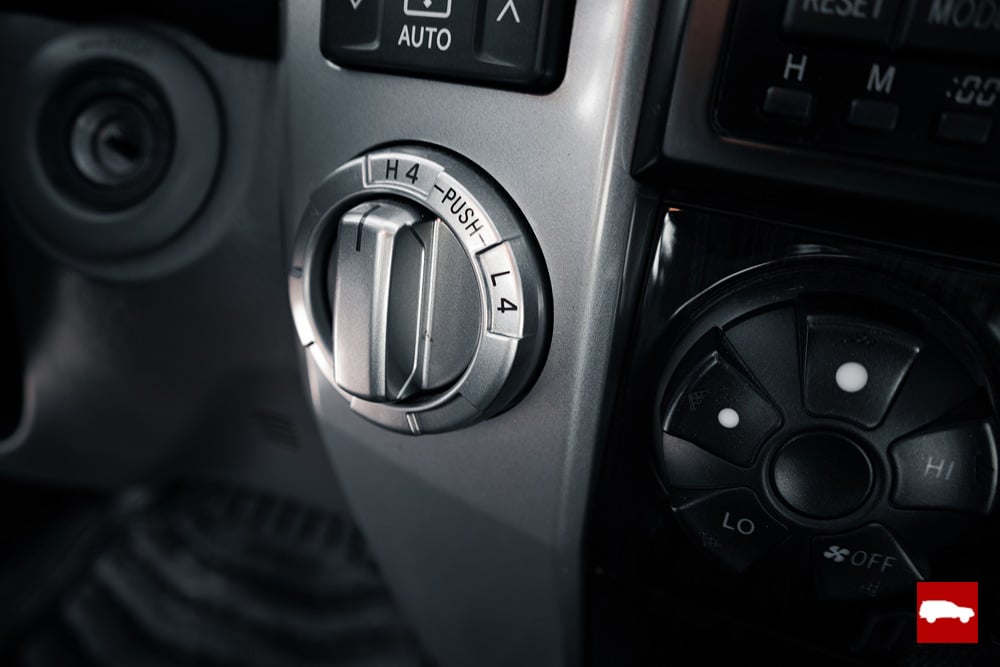
How Does Toyota 4Runner Full Time 4Wd Work


Welcome to our comprehensive guide on how the Toyota 4Runner’s Full-Time 4WD system works. Toyota 4Runner’s 4WD system is designed to provide enhanced traction and stability, especially in challenging road conditions. Let’s dive into the details of how the full-time 4WD system operates.

Overview of Full-Time 4WD

Full-time 4WD, also known as all-wheel drive (AWD), is a system that delivers power to all four wheels of the vehicle continuously. In the case of the Toyota 4Runner, the full-time 4WD system ensures that power is distributed to each wheel to provide optimal traction in various driving scenarios, whether on or off the road.

Key Components of Toyota 4Runner Full-Time 4WD

To comprehend how the Toyota 4Runner’s full-time 4WD operates, it’s essential to understand its key components:

  • Torsen Center Differential: The 4Runner is equipped with a Torsen center differential, which automatically distributes power between the front and rear wheels based on traction needs, ensuring smooth and efficient power delivery.
  • Fuel Efficient Torque Converter: The full-time 4WD system in the Toyota 4Runner employs a fuel-efficient torque converter that contributes to improved fuel economy and enhances the vehicle’s off-road capabilities.
  • Multi-Terrain Select: The Multi-Terrain Select system allows the driver to choose the appropriate mode (such as mud, sand, or rock) to optimize traction based on the driving conditions, providing the necessary stability and control.

Operational Mechanism

So, how does the Toyota 4Runner’s full-time 4WD system function in real-world scenarios? Here’s an insight into its operational mechanism:

Scenario Operation
Normal Road Conditions The full-time 4WD system continually adjusts power distribution between the front and rear axles to ensure optimal traction and stability on regular roads.
Off-Road Adventures When tackling challenging terrains, the center differential works in tandem with the Multi-Terrain Select system to provide the necessary torque to the wheels with the best traction, allowing the 4Runner to conquer diverse off-road landscapes.
Slippery Surfaces In instances of low-traction surfaces, the system responds by engaging the torque converter and adjusting power delivery to prevent wheel slippage, thereby enhancing the vehicle’s grip and maneuverability.
 

Benefits of Toyota 4Runner Full-Time 4WD

The full-time 4WD system in the Toyota 4Runner offers several advantages to drivers:

  • Enhanced Traction: The system provides improved traction on various road surfaces, including snow, gravel, and mud, enhancing driver confidence and safety.
  • Off-Road Prowess: With its robust 4WD capabilities, the Toyota 4Runner excels in off-road adventures, negotiating steep inclines and rough terrains with ease.
  • All-Weather Performance: Whether facing torrential rain or icy conditions, the full-time 4WD system ensures that the 4Runner maintains stability and control, offering a secure driving experience in diverse weather conditions.
How Does Toyota 4Runner Full Time 4Wd Work

FAQ

How Does The Toyota 4runner Full Time 4wd System Work?

The Toyota 4Runner Full Time 4WD system utilizes a center differential to distribute power equally between the front and rear wheels, allowing for better traction and stability on all types of terrain.

What Are The Benefits Of The Toyota 4runner Full Time 4wd System?

The benefits of the Toyota 4Runner Full Time 4WD system include improved off-road capability, enhanced traction in challenging conditions, and the ability to seamlessly transition between 2WD and 4WD modes for optimal performance.

Is The Toyota 4runner Full Time 4wd System Suitable For Everyday Driving?

Yes, the Toyota 4Runner Full Time 4WD system is designed to provide enhanced stability and control in everyday driving situations. It offers improved traction on slippery roads, making it suitable for both off-road adventures and city commuting.

Conclusion

In conclusion, the Toyota 4Runner’s full-time 4WD system is a sophisticated and versatile feature that enhances the vehicle’s grip, traction, and stability across a range of driving environments. With its advanced components and operational mechanism, the full-time 4WD system underscores the 4Runner’s capability as a dependable and rugged SUV, making it an ideal choice for drivers seeking reliability and performance across diverse driving conditions.

By understanding the inner workings of the Toyota 4Runner’s full-time 4WD system, drivers can appreciate the technology that powers this renowned SUV while unlocking its full potential on and off the road.


Do Hyundai I30 Have Timing Belts


Hyundai i30 models vary between having timing belts and chains depending on the year.

While you might think the question of whether Hyundai i30s have timing belts is a straightforward one, the answer varies depending on the model year you're looking at.

You're likely aware that the presence of a timing belt or chain can have a big impact on maintenance schedules and costs.

As we investigate the intricacies of Hyundai i30's timing systems across different years, you'll discover why grasping this aspect is important for both performance and financial planning.

This knowledge not only saves you from potential headaches but also guarantees your vehicle remains in top condition.

Stay tuned to uncover the specifics and how they might impact your car.

Hyundai I30 Timing Basics

timing belt replacement guide

Understanding the Hyundai I30's timing belt system is necessary for ensuring the longevity and performance of your vehicle. Hyundai's approach to engine design emphasizes reliability and efficiency, which is evident in the I30's timing belt system. This critical component plays an essential role in synchronizing the engine's camshaft and crankshaft, ensuring that the valves open and close at the correct times during each cylinder's intake and exhaust strokes.

The lifespan of the timing belt in your Hyundai I30 is a proof of the brand's commitment to durability. Typically, you can expect the belt to require replacement between 60,000 and 100,000 miles, though this range can vary based on your driving habits and conditions. It's crucial to adhere to Hyundai's recommended maintenance schedule to prevent premature wear and potential engine damage.

Hyundai's precise engine design, incorporating a timing belt system, contributes significantly to the I30's reputation for reliability. By having a good grasp of the basics of this system and adhering to the recommended maintenance intervals, you're taking an essential step in preserving the performance and longevity of your Hyundai I30.

Model Year Differences

As we analyze the Hyundai I30's timing belt system, it's important to note the variations across different model years that can affect maintenance schedules and performance. These differences aren't just superficial; they stem from the evolution of engine types and adjustments in warranty policies. To give you a clearer picture, here's a breakdown:

  • Engine Types: Early models of the Hyundai I30 mainly featured timing belts, particularly in diesel engines, which require more frequent checks and changes. However, later models shifted to chain-driven systems in both petrol and diesel engines, offering longer lifespans and less maintenance.
  • Warranty Policies: Hyundai's warranty policies have evolved, with newer models benefiting from longer warranty periods. This change reflects the brand's confidence in the durability of their engine's timing systems.
  • Introduction of Turbocharged Engines: Newer models of the I30, especially those with turbocharged engines, often come with timing chains. These engines demand strong timing systems because of higher performance levels.
  • Hybrid Variants: The introduction of hybrid models in the I30 lineup brought about significant changes in the timing system to accommodate the unique needs of hybrid powertrains.

Comprehending these differences is key to maintaining your Hyundai I30's engine effectively and ensuring it performs well over its lifespan.

Maintenance and Replacement

maintenance and replacement procedures

To guarantee your Hyundai I30 remains in peak condition, it's vital to adhere to recommended maintenance schedules and understand when timing system components need replacement. The timing belt, a critical part of your engine's synchronization, demands particular attention. Hyundai's engineering emphasizes belt durability, yet even the sturdiest materials wear down over time.

Your I30's service manual specifies the ideal replacement intervals, usually between 60,000 and 100,000 miles, depending on your model year and engine type. Ignoring these guidelines can lead to belt failure, which often results in severe engine damage. Beyond just mileage, factors such as age, wear, and exposure to extreme temperatures can also affect belt integrity.

Proper lubrication plays a crucial role in maintaining belt durability. While the timing belt itself doesn't require lubrication, making sure that surrounding components, like the belt tensioner and pulleys, are well-lubricated minimizes wear and extends the life of the belt. Regular inspections by a qualified technician can catch early signs of wear or lubrication issues before they escalate into costly repairs.

Cost Considerations

Replacing your Hyundai I30's timing belt can greatly impact maintenance costs, particularly if not addressed promptly according to the manufacturer's guidelines. Ignoring this important maintenance step may lead to more significant, costly repairs down the line and can even affect your car's resale value negatively. Hyundai, known for its commitment to reliability and value, emphasizes the importance of regular maintenance to guarantee the longevity and performance of their vehicles, including the I30.

Consider the following cost considerations related to the timing belt replacement:

  • Initial Replacement Costs: The upfront cost of replacing a timing belt in a Hyundai I30 can vary. While it might seem steep, it's a necessary investment in your vehicle's health.
  • Potential Savings: Regular maintenance can help you avoid more expensive repairs in the future. This includes preventing engine damage that can result from a snapped timing belt.
  • Resale Value: Keeping up with scheduled maintenance, including timing belt replacement, can boost your car's resale value. A well-maintained vehicle is always more attractive to potential buyers.
  • Warranty Coverage: Adhering to the Hyundai maintenance schedule, including timing belt replacement, is often required to maintain warranty coverage. This could save you money if other issues arise while the vehicle is still under warranty.

Being proactive about your Hyundai I30's timing belt replacement is an investment in your vehicle's future, ensuring it remains reliable, valuable, and covered under warranty.

Performance Impact

optimizing system for performance

Beyond cost considerations, timely maintenance of your Hyundai I30's timing belt greatly influences its performance and efficiency. Neglecting this important component can lead to diminished fuel efficiency and an increase in engine noise, detracting from the overall driving experience. Hyundai is known for its commitment to efficiency and reliability, and adhering to recommended timing belt replacement intervals is key to maintaining these standards in your I30.

Performance Factor Impact on Hyundai I30
Fuel Efficiency Optimized when the timing belt is in good condition, leading to smoother engine operation and better fuel economy.
Engine Noise Reduced significantly with a well-maintained timing belt, ensuring a quieter and more pleasant ride.
Engine Lifespan Extended, as timely timing belt replacement prevents severe engine damage.
Responsiveness Enhanced, as a healthy timing belt ensures the best engine timing, improving acceleration and overall vehicle response.

Ignoring the health of your timing belt not only compromises fuel efficiency and increases engine noise but also risks significant engine damage. For your Hyundai I30 to perform at its best, keeping up with timing belt maintenance is not just recommended; it's necessary.

Conclusion

In summary, your Hyundai i30 may either have a timing belt or chain, depending on its model year. It's important to follow Hyundai's maintenance schedule for timely replacements to avoid costly repairs.

While the cost may vary, investing in your i30's timing system maintenance greatly influences its performance and longevity. Always consult with a Hyundai specialist for the most accurate advice and service, ensuring your i30 remains in peak condition.

How to Unlock a Toyota Highlander Without Keys


Unlocking a Toyota Highlander Without Keys

Have you ever found yourself in a situation where you’ve locked your keys inside your Toyota Highlander? It’s a frustrating experience, but it doesn’t have to ruin your day. There are several methods you can use to unlock your Toyota Highlander without keys, and we’re here to walk you through them step by step.


1. Using a Slim Jim

A slim jim is a thin strip of metal that can be used to unlock car doors. First, slide the slim jim between the window and the weather stripping at the top of the driver’s side door. Then, carefully manipulate the slim jim until it hooks onto the lock rod inside the door. Gently pull up on the slim jim to unlock the door.

2. Call a Locksmith

If you’re not comfortable using a slim jim or if you don’t have access to one, your best option may be to call a locksmith. A professional locksmith will have the tools and expertise to safely unlock your Toyota Highlander without causing any damage to the vehicle. While this option may be more expensive, it’s a reliable way to regain access to your car.

3. Use a Coat Hanger

If you have a coat hanger on hand, you can try using it to unlock your car door. Straighten out the coat hanger and then bend one end into a small hook. Carefully insert the hook end between the door frame and the window, and try to hook the lock mechanism. With a bit of patience and finesse, you may be able to manually unlock the door.

How to Unlock a Toyota Highlander Without Keys

Credit: m.youtube.com

How to Unlock a Toyota Highlander Without Keys

Credit: toyotahighlandertx.com

4. Contact Roadside Assistance

Many roadside assistance programs include services for unlocking vehicles. If you’re a member of a roadside assistance program, such as AAA, you can call for help with unlocking your Toyota Highlander. A service professional will be dispatched to your location to assist you in gaining access to your vehicle.

5. Use a Door Wedge and Rod

Another method for unlocking your Toyota Highlander is to use a door wedge and rod. Insert the wedge between the top of the driver’s side door and the door frame to create a small opening. Then, carefully maneuver a long rod or tool through the gap to press the unlock button or pull the door handle from the inside.

6. Keep a Spare Key

The best way to avoid the stress of being locked out of your Toyota Highlander is to keep a spare key in a safe and easily accessible location. Whether it’s a physical key or a key fob, having a backup on hand can save you from the hassle of trying to unlock your car without keys.

Frequently Asked Questions Of How To Unlock A Toyota Highlander Without Keys

How Can I Unlock A Toyota Highlander Without Keys?

If you find yourself without keys, you have a few options. First, try using a locksmith to gain access to your vehicle. Another option is contacting your dealership for assistance. In some cases, a professional may be able to utilize specialized tools to unlock your Toyota Highlander without keys.

Can I Unlock A Toyota Highlander Without Damaging It?

Unlocking a Toyota Highlander without keys can typically be done without causing damage. Professional locksmiths and car technicians are trained to use specialized tools and techniques to safely unlock your vehicle. However, it’s essential to contact a reliable and skilled professional to minimize the risk of damaging your Toyota Highlander during the unlocking process.

How Much Does It Cost To Unlock A Toyota Highlander Without Keys?

The cost of unlocking a Toyota Highlander without keys may vary depending on several factors. The pricing can be influenced by factors such as location, time of day, and the complexity of the unlocking process. It is advisable to reach out to a local locksmith or the dealership for accurate pricing information.

Conclusion

While getting locked out of your Toyota Highlander can be a frustrating experience, there are several methods available to regain access to your vehicle. Whether you choose to use a slim jim, call a locksmith, or contact roadside assistance, it’s important to prioritize safety and avoid causing damage to your car. Additionally, taking proactive steps such as keeping a spare key can prevent future lockout situations. By being prepared and informed, you can navigate the challenge of unlocking your Toyota Highlander without keys with confidence.

Is Hyundai Accent Timing Belt or Chain


Hyundai Accent models have used both timing belts and chains, depending on the year and engine type.

Exploring the inner workings of your Hyundai Accent feels akin to traversing the veins of a leaf, each component crucial to the car's overall health and efficiency.

You're likely curious about this distinction that not only impacts its performance but also dictates the maintenance schedule you'll need to follow.

This question doesn't just touch on mechanics; it influences the harmony between your vehicle's heart and its enduring rhythm.

Let's venture on a path to uncover this crucial aspect, preparing you to make informed decisions about your car's care and longevity.

Hyundai Accent: Belt or Chain?

hyundai accent timing belt

The Hyundai Accent utilizes a timing belt to synchronize its engine components. This important part guarantees that the camshaft and crankshaft turn in sync, a vital aspect for engine efficiency. You might wonder how this impacts you as an owner, especially in terms of maintenance and overall vehicle performance. Let's explore the specifics.

First and foremost, the timing belt's role in maintaining engine efficiency can't be overstated. It's responsible for keeping the engine's moving parts in perfect timing, which directly affects fuel consumption and power output. A well-maintained belt guarantees your Accent runs smoothly, with best combustion and minimal waste.

Now, let's talk cost comparison. When you're budgeting for maintenance, the timing belt is a significant factor. Compared to other engines that use a timing chain, the belt usually requires replacement at specific intervals, typically between 60,000 and 100,000 miles. This scheduled maintenance is important; a failed timing belt can lead to severe engine damage. While the replacement cost might seem steep, it pales in comparison to the potential expense of repairing or replacing an engine damaged because of a neglected timing belt.

Timing Belt Vs. Chain Differences

When comparing timing belts and chains, it's important to contemplate their distinct durability and maintenance requirements. Timing belts, typically made from rubber compounds, offer a quieter operation than chains. This difference in noise level is significant; belts provide a smoother, less noticeable sound while in use, an advantage for those who prioritize a quiet driving experience.

However, if we look at durability comparison, chains take the lead. Constructed from metal, timing chains are designed to last the lifetime of the vehicle, under ideal conditions, without the need for replacement. This contrasts with timing belts, which generally require replacement at specific mileage intervals, as indicated by the vehicle's manufacturer.

The choice between a belt and a chain impacts maintenance schedules and costs. Belts, notwithstanding their need for periodic replacement, typically incur lower upfront costs than chains. However, if a belt fails, it can lead to significant engine damage, potentially incurring higher repair costs in the long term. Chains, while more durable, might necessitate occasional adjustments or lubrication to maintain ideal performance. Comprehending these key differences helps you make an informed decision regarding the maintenance and durability of your vehicle's timing mechanism.

Impact on Hyundai Accent Performance

hyundai accent performance evaluation

Replacing the timing belt or chain in your Hyundai Accent plays an essential role in the vehicle's performance, impacting its efficiency and reliability. The timing system, whether belt or chain, guarantees synchronized operation of the engine's valves and pistons, directly influencing several critical performance attributes.

  1. Engine Efficiency: A well-maintained timing belt or chain guarantees optimal engine performance by maintaining precise timing. This precision prevents the engine from working harder than necessary, thereby maximizing engine efficiency. When the timing is off, even slightly, it can lead to decreased efficiency, as the engine components aren't working in perfect harmony.
  2. Fuel Consumption: The efficiency of your Hyundai Accent's engine has a direct correlation with its fuel consumption. An engine that operates efficiently, thanks to a well-functioning timing belt or chain, consumes less fuel. Conversely, an engine that struggles due to a worn or improperly timed belt or chain will see a noticeable increase in fuel consumption, as it requires more power to perform the same tasks.
  3. Reliability: Regular maintenance and timely replacement of the timing belt or chain can notably improve the longevity and reliability of your vehicle. A failure in this critical component can lead to engine damage, potentially resulting in costly repairs or even a complete engine replacement.

Maintenance and Replacement Insights

Understanding the subtleties of maintaining and replacing your Hyundai Accent's timing belt or chain is essential for the best vehicle performance. Not adhering to recommended service intervals can result in severe engine damage, leading to significant repair costs. Typically, a timing belt requires replacement between 60,000 and 100,000 miles. However, a timing chain, designed to last the vehicle's lifespan, might still need inspection or adjustment because of wear and tear.

Monitoring these components is essential; neglect can lead to a catastrophic engine failure, skyrocketing repair costs. For instance, if a timing belt snaps, it can cause valves and pistons to collide, resulting in expensive engine rebuilds or replacements. On the other hand, a stretched timing chain can lead to reduced engine efficiency and potential failure.

Adhering to the manufacturer's service intervals ensures your Hyundai Accent remains in peak condition. Regular checks during service appointments can identify wear and preemptively address issues, keeping repair costs manageable. Remember, investing in timely maintenance is far more cost-effective than facing unexpected and often higher expenses because of component failure.

Identifying Your Accent's System

understanding accents and speech

To identify if your Hyundai Accent utilizes a timing belt or chain, you'll need to take into account the model year and engine type. This differentiation is important for grasping your vehicle's maintenance needs and ensuring its longevity.

  1. Check the Owner's Manual: Your Hyundai Accent's owner's manual is the initial place to look. It provides specific details about the engine type and whether it operates with a timing belt or chain based on the model year. This information is presented in a straightforward manner, tailored to your specific vehicle.
  2. Model Year Reference: Generally, Hyundai Accents produced before 2012 are more likely to have a timing belt, whereas models from 2012 onwards typically feature a timing chain. However, this can vary based on the engine type equipped in the vehicle.
  3. Engine Type Specifics: Identify your Accent's engine type. Different engines, even within the same model year, might use different systems. For instance, the 1.6L engines in newer models usually have a timing chain, while older models or different engine configurations might not.

Understanding whether your Hyundai Accent has a timing belt or chain involves a technical evaluation of the model year and engine type, ensuring you're informed about your vehicle's needs.

Conclusion

In summary, whether your Hyundai Accent uses a timing belt or chain greatly impacts its performance and maintenance needs. Identifying your Accent's specific system is vital for proper care.

Timing belts, while quieter and less expensive, require more frequent replacements compared to the more durable, but initially costlier, timing chains.

Ensuring timely maintenance or replacement of these components is key to optimizing your vehicle's longevity and reliability. Stay informed and proactive to keep your Accent running smoothly.

How to Get Toyota Tacoma Out of 4 Wheel Drive?


How to Get Toyota Tacoma Out of 4 Wheel Drive? Are you a proud Toyota Tacoma owner who’s wondering how to get your vehicle out of 4-wheel drive? Well, you’re in the right place! Whether you’ve been off-roading or simply want to switch back to 2-wheel drive for regular driving, we’ve got you covered. In this detailed guide, we’ll walk you through the step-by-step process to safely disengage 4-wheel drive mode on your Toyota Tacoma.

 
How to Get Toyota Tacoma Out of 4 Wheel Drive
 
How to Get Toyota Tacoma Out of 4 Wheel Drive

Understanding 4-Wheel Drive

Before we delve into the process, it’s essential to understand what 4-wheel drive is and how it works. 4-wheel drive, often referred to as 4WD, is a system designed to provide power to all four wheels of your vehicle simultaneously. This is particularly beneficial in off-road and low-traction conditions, providing improved traction and stability.

However, when you return to regular driving conditions, such as dry pavement or highways, engaging 4-wheel drive can put unnecessary strain on your vehicle and compromise fuel efficiency. This is why it’s crucial to know how to disengage 4-wheel drive when it’s no longer needed.

Steps to Disengage 4-Wheel Drive

Luckily, getting your Toyota Tacoma out of 4-wheel drive mode is a straightforward process that can typically be done while your vehicle is in motion. Here are the steps to follow:

Step 1: Reduce Your Speed

Begin by slowing down and reducing your speed to around 55 mph or less. It’s essential to perform this process gradually and avoid sudden movements to ensure a smooth transition out of 4-wheel drive.

Step 2: Locate The 2-wheel Drive Switch

Next, locate the 2-wheel drive switch on your Toyota Tacoma. This switch is typically located on the dashboard or center console, depending on the model year of your vehicle. Once you’ve located the switch, prepare to initiate the shift from 4-wheel drive to 2-wheel drive.

Step 3: Engage 2-wheel Drive

Now that you’ve located the 2-wheel drive switch and slowed down your vehicle, it’s time to shift into 2-wheel drive. Depending on your Tacoma model, this may involve simply turning the switch or pressing a button to disengage the 4-wheel drive system. Follow the specific instructions for your vehicle to complete this step.

Step 4: Monitor Indicator Lights

As you switch back to 2-wheel drive, pay attention to any indicator lights on your dashboard that signify the change in drive mode. These lights may include messages such as “2WD” or “4WD,” providing you with confirmation that the transition has been successful.

Step 5: Test Your Vehicle

Once you’ve completed the shift, it’s important to test your vehicle to ensure that it’s now operating in 2-wheel drive mode. Drive at a slow, steady pace to confirm that your Tacoma is no longer in 4-wheel drive and has successfully returned to standard driving mode.

Consulting Your Owner’s Manual

While the steps outlined above provide a general guide for disengaging 4-wheel drive, it’s crucial to consult your Toyota Tacoma’s owner’s manual for specific instructions and recommendations. The manual contains detailed information tailored to your vehicle’s year, model, and specific 4-wheel drive system, ensuring that you have accurate guidance for your disengagement process.

Remember, safety is paramount when operating any vehicle, so always prioritize following manufacturer-recommended procedures to maintain the performance and longevity of your Tacoma.

FAQ

How Do I Switch My Toyota Tacoma From 4 Wheel Drive To 2 Wheel Drive?

To switch your Toyota Tacoma from 4 Wheel Drive to 2 Wheel Drive, follow these simple steps:
1. Find the 4WD selector switch located on the dashboard or center console.

2. Turn the switch to the 2H (Two-Wheel Drive High) mode.

3. Verify that the 4WD indicator light on the dashboard has changed to indicate 2WD mode.

What Are The Benefits Of Using 2 Wheel Drive Instead Of 4 Wheel Drive On My Toyota Tacoma?

Using 2 Wheel Drive instead of 4 Wheel Drive on your Toyota Tacoma offers several benefits, including:
1. Improved fuel efficiency, as 2WD mode uses less power and consumes less fuel.

2. Reduced wear and tear on the drivetrain components, leading to lower maintenance costs.

3. Smoother and quieter driving experience on paved roads, without the added weight and resistance of 4WD mode.

When Should I Use 4 Wheel Drive On My Toyota Tacoma?

It is recommended to use 4 Wheel Drive on your Toyota Tacoma in the following scenarios:
1. Off-road driving: 4WD mode provides better traction and stability on uneven or slippery terrains.

2. Towing heavy loads: 4WD mode helps distribute the weight evenly and improves overall control.

3. Adverse weather conditions: When encountering snow, ice, or mud, engaging 4WD mode can enhance grip and maneuverability.

Conclusion

In conclusion, knowing how to disengage 4-wheel drive on your Toyota Tacoma is an essential part of responsible vehicle ownership. By following the simple steps outlined in this guide and referring to your owner’s manual, you can seamlessly transition your Tacoma from 4-wheel drive back to 2-wheel drive, ensuring optimal performance and efficiency in a variety of driving conditions.

Whether you’ve been adventuring off the beaten path or are returning to everyday driving, mastering the art of transitioning out of 4-wheel drive will keep your Tacoma running smoothly and reliably for years to come.