
Recent Posts

2022 Hyundai Venue AC Problems, Symptoms, Causes and How to Fix


The 2022 Hyundai Venue has encountered several air conditioning (AC) issues, primarily involving the system not producing cold air. Common causes include refrigerant leaks, electrical climate control problems, or compressor malfunctions. For instance, some vehicles have shown low AC pressure due to insufficient refrigerant, hindering compressor operation. Electrical issues like faulty relays or wiring problems can also prevent the AC from functioning correctly. To address these issues, it’s advisable to start with basic diagnostics such as checking refrigerant levels and ensuring the compressor and relays are functioning properly.

2022 Hyundai Venue Common AC Problems

  • Hot air blowing from the vents instead of cold air
  • Weak airflow due to compromised seals, mildew or mold buildup, loose or damaged hoses, or a faulty ventilation fan
  • AC system blows cold air initially but then turns warm, indicating a malfunctioning compressor clutch, a leak, or a blown fuse
  • Unpleasant odors, suggesting mold in the evaporator case or the need to change the cabin air filter
  • Electrical issues within the AC system, such as loose connections, damaged wires, blown fuses, or broken components.

Symptoms

  1. Hot Air Blowing from Vents: This is a common symptom indicating that the AC is not cooling properly. Possible causes include refrigerant leaks, compressor issues, or electrical faults.
  2. Weak Airflow: This symptom could be due to compromised seals, mildew or mold buildup, a loose or damaged hose, or a faulty ventilation fan.
  3. AC Blows Cold Then Turns Warm: This issue may be caused by a malfunctioning compressor clutch, a refrigerant leak, or a blown fuse.
  4. Unpleasant Odors: If the AC emits foul smells, it could be due to mold in the evaporator case or a cabin air filter that needs replacement.
  5. Electrical Issues: Problems such as blown fuses, loose wires, or faulty switches can prevent the AC compressor from engaging properly.
  6. Compressor Not Engaging: This can be due to insufficient refrigerant pressure, electrical issues, or a faulty compressor relay.

Potential Causes

The potential causes for the 2022 Hyundai Venue AC problems include:

  • Refrigerant Leak: A common issue where the AC system loses its refrigerant, leading to the inability to produce cold air.
  • Weak Airflow: This could be due to compromised seals, mildew or mold buildup, a loose or damaged hose, or a faulty ventilation fan.
  • Malfunctioning Compressor Clutch: If the compressor clutch fails, it can prevent the AC from blowing cold air by not engaging the compressor properly.
  • Electrical System Problems: Issues such as blown fuses, loose wires, or problems with the switch that turns on the compressor can prevent the AC from functioning.
  • Faulty AC Condenser: If the condenser is leaking or clogged, it can lead to inefficiencies in cooling the refrigerant, causing the AC to blow warm air.
  • Evaporator Issues: Problems with the evaporator, such as being frozen or not sufficiently cooled, can cause the AC system to blow hot air.
  • AC Blower Motor Failure: If the blower motor is faulty or has electrical issues, it can prevent air from being circulated through the vents.
  • Mold in the Evaporator Case: This can cause unpleasant odors and potentially impact the efficiency of the AC system.

How to Diagnose AC Issues in Your 2022 Hyundai Venue?
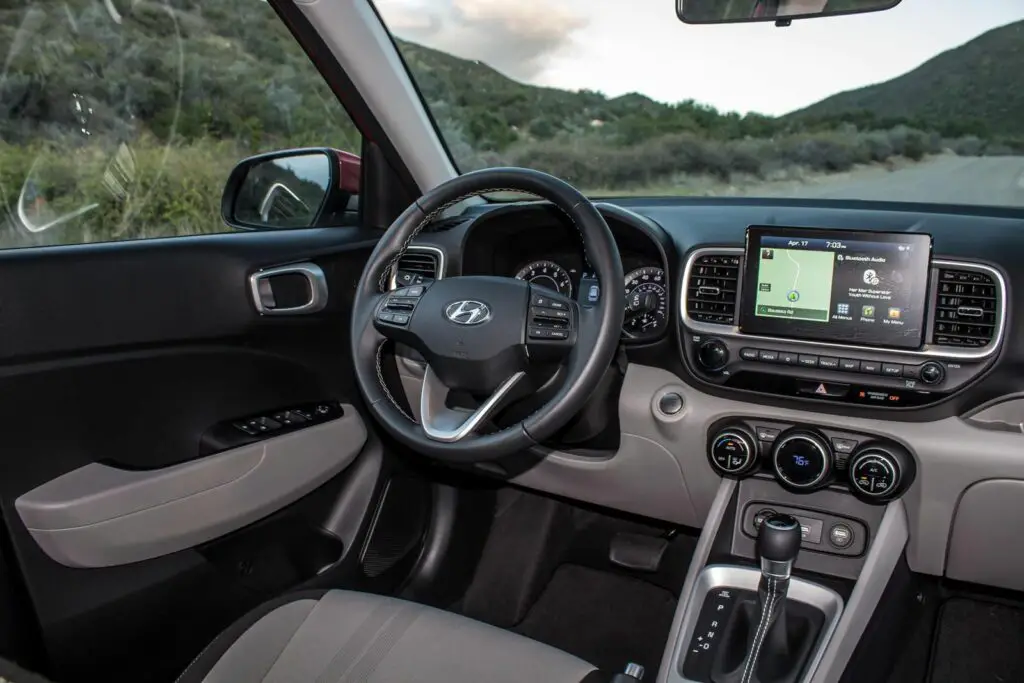
To diagnose AC issues in your 2022 Hyundai Venue, follow these steps:

  1. Check Refrigerant Levels: Begin by checking if there is a sufficient amount of refrigerant in the system. Low or overcharged refrigerant levels are common causes of AC problems.
  2. Inspect the Compressor: Ensure that the compressor is functioning correctly. Signs of a malfunctioning compressor include inability to engage, which leads to the AC blowing warm air.
  3. Examine Electrical Components: Look for any blown fuses or bad relays that could be affecting the AC system. These components are crucial for the proper functioning of the AC system.
  4. Check for Clogs and Cleanliness: Inspect the cabin air filter, condenser, and evaporator coils for any clogs or dirt accumulation. A dirty evaporator can significantly reduce cooling performance.
  5. Use On-Board Diagnostics (OBD): Connect a diagnostic tool to the OBDII connector under the dashboard. With the tool connected, turn on the ignition and input details like the vehicle make, model, engine type, and Vehicle Identification Number (VIN) to get accurate diagnostic results.
  6. Visual and Smell Inspection: Check for any unusual odors which could indicate mold in the evaporator case. Also, visually inspect the system for any obvious signs of leaks or damage.
  7. Professional Inspection: If the above steps do not resolve the issue or if you are unable to diagnose the problem, it is advisable to visit a professional mechanic or a Hyundai service center. They can perform a more thorough check, including a leak test using U/V dye or a sniffer tool to detect refrigerant fumes escaping from the system.

How to Fix 2022 Hyundai Venue AC Problems– Step by step

To fix the AC problems in a 2022 Hyundai Venue, follow these step-by-step instructions:

Step 1: Check the Refrigerant Level

Ensure that the AC system has the correct amount of refrigerant. Low refrigerant levels can prevent the AC from cooling properly. If the refrigerant is low, it may indicate a leak that needs to be addressed.

Step 2: Inspect and Replace the Cabin Air Filter

A dirty or clogged cabin air filter can restrict airflow and reduce the efficiency of the AC system. Replace the cabin air filter if it is dirty or has not been changed within the recommended period.

Step 3: Examine the Compressor

Verify that the AC compressor is engaging. If the compressor does not turn on, it could be due to electrical issues, such as a faulty relay or wiring, or it could be mechanically defective.

Step 4: Check Electrical Components

Inspect all related electrical components including fuses, relays, and switches. A blown fuse or a malfunctioning relay can prevent the compressor from engaging.

Step 5: Inspect the Condenser

Make sure the condenser is not blocked with debris or dirt and check for any signs of damage or leaks. A damaged or clogged condenser can impair the cooling efficiency of the AC system.

Step 6: Look for Leaks

Use a leak detection kit to check for leaks in the system. Pay special attention to connections and the areas around the compressor and condenser. If a leak is found, it will need to be repaired before refilling the system with refrigerant.

Step 7: Check the AC Pressure

Use an AC gauge to check the pressure in the system. Low pressure can indicate a leak or a problem with the compressor, while high pressure might suggest blockages or overcharging.

Step 8: Clean or Replace the Evaporator if Necessary

If the evaporator is dirty, it can reduce the system’s ability to cool the air. Cleaning the evaporator can be complex and may require disassembly of part of the dashboard, so consider professional service if needed.

Step 9: Test the System

After addressing the above issues, test the AC system to see if it is now working properly. If the system is still not functioning correctly, it may require further diagnostic work by a professional.

Repairing 2022 Hyundai Venue AC Problems: DIY or Professional Help?

DIY Approach:

  • Pros: For minor issues like replacing the cabin air filter, DIY can be cost-effective and straightforward.
  • Cons: AC systems are complex and involve critical components like the compressor, electrical systems, and refrigerant handling. Without proper knowledge and tools, attempting more extensive repairs can lead to further damage or ineffective fixes.

Professional Help:

  • Pros: Professional technicians have the training, tools, and experience to diagnose and repair complex problems accurately. They can handle intricate tasks such as checking for leaks using specialized equipment, repairing or replacing faulty compressors, and safely handling refrigerant.
  • Cons: The main drawback of professional repair services is the cost, which can be significantly higher than doing it yourself. However, considering the potential for more severe issues down the line due to improper DIY repairs, this cost can be seen as an investment in your vehicle’s longevity and safety.

2022 Hyundai Venue AC Problems Repairing Cost

Repairing AC problems in a 2022 Hyundai Venue can vary significantly in cost depending on the specific issue.

  1. AC Leak Repair Cost: Repairing a Freon or refrigerant leak can cost between $250 and $1,550 on average.
  2. Electrical System Diagnosis: Diagnosing electrical system issues, which can affect the AC system, has an average cost between $88 and $111.
  3. AC Recharge Cost: The cost for an AC recharge for a Hyundai Venue ranges between $180 and $212. This includes both labor costs, estimated between $123 and $155, and parts, typically priced around $57.
  4. AC Compressor Replacement: While specific costs for replacing the AC compressor in a 2022 Hyundai Venue are not provided, it’s known that compressor issues can be one of the more expensive repairs due to the compressor’s role and complexity.
  5. General AC Repairs: For various AC-related repairs, such as replacing the receiver drier or diagnosing coolant leaks, costs can range from lower amounts (e.g., $44 – $56 for a coolant leak diagnosis) to higher costs for more significant repairs like fuel tank replacement ($1,001 – $1,050) or powertrain control module replacement ($786 – $807).

Preventing Future AC Problems in 2022 Hyundai Venue

To prevent future AC problems in your 2022 Hyundai Venue, consider the following tips:

  1. Use Re-circulation Mode: Opt for re-circulation mode on your AC system. This mode prevents the system from pulling in hot air from outside, reducing the workload on the AC to cool the cabin.
  2. Regular Maintenance Checks: Schedule regular maintenance checks for your AC system. This includes checking for refrigerant leaks, ensuring the compressor is functioning correctly, and verifying that electrical components like fuses and relays are in good condition.
  3. Clean or Replace the Cabin Air Filter: A clean air filter ensures optimal airflow and cooling efficiency. Replace or clean the cabin air filter regularly to prevent blockages that can impair the AC system’s performance.
  4. Park in the Shade: Whenever possible, park your vehicle in the shade. This simple action can significantly reduce the cabin temperature, lessening the burden on your AC system when you start the car.
  5. Let Hot Air Out Before Turning On AC: Before activating the AC, roll down the windows for a few minutes to let the hot air escape. This reduces the initial cooling load on your AC system.
  6. Use a Reflective Sunshade: When parked, use a reflective sunshade on the windshield to minimize heat buildup inside the car. This helps keep the cabin cooler, making it easier for the AC to maintain a comfortable temperature.
  7. Check the AC System Annually: Before the onset of summer, have a professional inspect your AC system. This should include checking the refrigerant level, inspecting the compressor, and ensuring there are no leaks or blockages.
  8. Address Issues Promptly: If you notice any signs of AC problems, such as weak airflow, unusual noises, or a lack of cold air, address these issues promptly to prevent further damage.

Can I drive my 2021 Hyundai Venue with a malfunctioning AC?

Yes, you can drive your 2021 Hyundai Venue with a malfunctioning AC. The air conditioning system is not essential for the basic operational safety of your vehicle, so it won’t affect your ability to drive the car. However, driving without AC can be uncomfortable, especially in hot weather, and if the AC system is malfunctioning due to an underlying issue like an electrical problem, it’s advisable to have it checked to ensure there are no broader electrical issues that could affect other vehicle functions.

Hyundai Sonata Blower Motor Replacement


Replacements for the blower motor in a Hyundai Sonata can be completed effectively with the proper guidance and tools.

The process involves accessing the motor, disconnecting the wiring, removing the old motor, installing the new one, reconnecting the wiring, and testing the system before reassembly.

By following these steps carefully and methodically, anyone with basic mechanical knowledge can successfully replace a blower motor in a Hyundai Sonata.

Symptoms of a Faulty Blower Motor

blower motor troubleshooting guide

Identifying a faulty blower motor in your Hyundai Sonata is crucial, and several telltale signs can help you spot trouble early on. To start, you might notice that your car's heating and cooling system isn't working as efficiently as it used to. If you're cranking up the A/C or heater and only getting a weak airflow or none at all, there's a good chance your blower motor's on the fritz.

Another dead giveaway is unusual noises coming from the blower motor area. If you hear rattling, banging, or screeching sounds when the fan is on, it's likely due to a failing blower motor. These noises are more than just a nuisance; they're your car telling you something's wrong.

You might experience intermittent operation of the blower motor. One minute, it's working fine, and the next, it's completely dead. This sporadic behavior can be both frustrating and indicative of a blower motor that's on its final legs.

To conclude, a burning smell coming from the vents is a serious symptom that shouldn't be ignored. It could indicate that the blower motor is overheating, potentially because of a short circuit. This isn't just a matter of comfort—it's a safety issue.

If you're noticing any of these issues, it's time to take a closer look at your Hyundai Sonata's blower motor. Early diagnosis can save you from a more complicated and expensive repair down the line.

Necessary Tools and Materials

After pinpointing the symptoms of a faulty blower motor in your Hyundai Sonata, you'll need to gather the right tools and materials for the replacement job. Ensuring you have everything you need before you start can save you time and frustration. Let's delve into what you'll require to make this repair smooth and efficient.

First things first, you're going to need a new blower motor. It's essential to get a compatible replacement for your specific Sonata model year. You can find this either online or at your local auto parts store. With the new blower motor at hand, there are several tools and materials you must have ready:

  • Screwdrivers (both Phillips and flat-head)
  • Socket set
  • Electrical tape
  • Multimeter
  • Gloves

Using the screwdrivers and socket set, you'll be able to access and remove the blower motor's housing and its securing components. The electrical tape is essential for any minor insulation work you might need to do on the wiring. A multimeter is handy for testing connections to ensure the new blower motor is properly hooked up and operational. Lastly, don't forget the gloves. They'll protect your hands from sharp edges and any debris you encounter.

Gathering these tools and materials beforehand will streamline the replacement process. It ensures you're prepared for any minor hiccups and can complete the job without unnecessary interruptions. Remember, having the right tools is just as essential as having the know-how.

Removing the Old Blower Motor

replacing the faulty motor

How do you start the process of removing the old blower motor from your Hyundai Sonata?

Initially, you'll need to make sure your car's ignition is off and the keys are removed to prevent any electrical issues. Then, locate the blower motor. It's typically found under the dashboard on the passenger side. You might need to remove a few panels or covers to get to it, so keep your screwdriver handy.

Once you've got a clear path to the blower motor, disconnect the electrical connector by gently pressing on the tab and pulling it away. This step is important; you don't want to damage the connector as you'll need it in good shape for the new motor.

Next, you'll find the blower motor secured in place with screws or bolts. Using the appropriate tool, remove these fasteners. Keep them somewhere safe; you'll need them to secure the new motor.

With the fasteners removed, you can now carefully take out the old blower motor. It might require a bit of wiggling to free it from its position, especially if it's been there for a while. Be cautious not to force it too much to avoid damaging surrounding components.

And there you have it! You've successfully removed the old blower motor from your Hyundai Sonata. Make sure to keep the area clean and free of debris before installing the new motor. Remember, a clean workspace is key to a smooth installation process.

Installing the New Blower Motor

With your old blower motor now removed, it's time to install the new one into your Hyundai Sonata. The process is straightforward, but paying attention to detail is essential for a smooth operation. Here's how you can make sure your new blower motor is installed correctly and efficiently.

Initially, before you start, make sure the new blower motor is identical to the one you just removed. This includes checking the mounting points, connector types, and making sure it's the correct model for your Sonata. Once you're sure it's the right fit, you're ready to proceed.

  • Align the new blower motor with the mounting area. It should sit flush against the housing without force. If it doesn't fit easily, double-check its orientation and model compatibility.
  • Secure the motor in place using the screws or bolts you removed earlier. Don't overtighten them; just make sure they're snug so the motor is held firmly without stressing its housing.
  • Reconnect the electrical connector to the blower motor. It should click into place, indicating a secure connection. If it doesn't fit, check for any bent pins or debris that might obstruct the connection.
  • Test the blower motor before finalizing the installation. Turn on your car's ignition and adjust the blower settings to verify it operates smoothly across all speeds. This step is important to make sure everything is working before you put everything back together.
  • Replace any covers or panels that were removed to access the motor. Make sure these are securely fastened too, to prevent any rattling or loose parts.

After Replacement Care and Tips

caring for new prosthesis

After you've successfully installed the new blower motor in your Hyundai Sonata, it's important to consider a few care and maintenance tips to safeguard its longevity and peak performance. First and foremost, don't forget to regularly check the blower motor's connections and wiring. Loose connections can lead to operational issues or even cause the motor to stop working entirely. It's a simple step that can save you a lot of trouble down the line.

You'll also want to keep an eye on the blower motor's filter. A clogged or dirty filter can greatly reduce the efficiency of your blower motor, making it work harder and potentially shortening its lifespan. Make it a habit to inspect the filter every few months and replace it as needed. This not only ensures your blower motor runs smoothly but also improves the air quality inside your car.

Moreover, listen for any unusual sounds coming from the blower motor after replacement. If you hear rattling or buzzing, it might indicate that the motor isn't secured properly or there's debris inside. Addressing these noises promptly can prevent further damage.

Conclusion

You've now tackled the task of replacing your Hyundai Sonata's blower motor. With the right tools and a bit of patience, you've removed the faulty motor and installed a new one, ensuring your car's HVAC system is back in top shape.

Remember to test the new motor to confirm it's working properly and keep an eye out for any unusual noises or issues. By taking care of your Sonata, it'll keep providing you with a comfortable ride.

2022 Hyundai Venue Engine Problems, Symptoms, Causes and How to Fix


The 2022 Hyundai Venue may experience engine problems, including issues with the check engine light, rough idling, and acceleration difficulties. Common causes include loose or missing gas caps, faulty O2 sensors, and problems with the fuel and air metering systems. Aftermarket items improperly installed can also lead to battery drain and trigger the check engine light A flashing check engine light indicates a serious issue, such as a severe engine misfire, which requires immediate attention to prevent costly repairs. To fix these issues, it’s crucial to tighten or replace the gas cap, replace faulty sensors, and ensure aftermarket items are correctly installed. For persistent problems, consulting a certified mechanic is recommended.

Common problems

Common engine problems for the 2022 Hyundai Venue include:

  • Faulty or Worn Spark Plugs and Wires: These are crucial for proper engine operation as they ignite the air/fuel mixture in the combustion chamber. Worn spark plugs and wires can lead to poor performance, decreased power, and even engine failure.
  • Mass Airflow Sensor Issues: The mass airflow sensor, which measures the amount of air entering the engine to determine the necessary fuel amount, can fail. This failure can cause difficulties in starting the engine, rough idling, and sudden changes in throttle position.
  • Aftermarket Part Installation Problems: Incorrectly installed aftermarket parts such as alarms or exhaust systems can cause significant issues, including battery drain and triggering the check engine light.
  • Vacuum Leaks: The vacuum system helps in routing fumes as gasoline evaporates. Leaks can cause high RPMs at idle or random surges.
  • Ignition System Problems: Issues with the ignition system, including faulty spark plugs, problematic ignition coils, or issues with the ignition control module, can arise.
  • Catalytic Converter Failures: A failing catalytic converter can lead to reduced engine performance and fuel efficiency, and increased vehicle temperature.

Symptoms

  • Faulty or Worn Spark Plugs and Wires: These are crucial for proper engine operation as they ignite the air/fuel mixture in the combustion chamber of your vehicle. Worn spark plugs and wires can lead to poor performance, decreased power, and even engine failure.
  • Mass Airflow Sensor Issues: The mass airflow sensor, which measures the amount of air entering the engine to determine the necessary fuel amount, can fail. This failure can cause difficulties in starting the engine, rough idling, and sudden changes in throttle position.
  • Aftermarket Part Installation Problems: Incorrectly installed aftermarket parts such as alarms or exhaust systems can cause significant issues, including battery drain and triggering the check engine light.
  • Vacuum Leaks: The vacuum system helps in routing fumes as gasoline evaporates. Leaks can cause high RPMs at idle or random surges.
  • Catalytic Converter Failures: A failing catalytic converter can lead to reduced engine performance and fuel efficiency, and increased vehicle temperature.
  • Ignition System Problems: Issues with the ignition system, including faulty spark plugs, problematic ignition coils, or issues with the ignition control module, can arise.
  • Fuel System Issues: Problems with the fuel pump, clogged fuel filter, or issues with the injectors could prevent the necessary fuel from reaching the engine, leading to starting issues or poor engine performance.

Potential Causes

Potential causes of engine problems in the 2022 Hyundai Venue include:

  1. Faulty or Worn Spark Plugs and Wires: These components are essential for igniting the air/fuel mixture in the combustion chamber, and their failure can lead to engine misfires and poor performance.
  2. Mass Airflow Sensor Issues: A faulty mass airflow sensor can disrupt the engine’s air/fuel ratio, causing rough idling, difficulty starting, and sudden changes in throttle response.
  3. Aftermarket Part Installation Problems: Incorrectly installed aftermarket parts such as alarms or exhaust systems can drain the battery, trigger the check engine light, or prevent the vehicle from starting.
  4. Vacuum Leaks: A leak in the vacuum system can cause high RPMs at idle or random surges, affecting engine performance.
  5. Catalytic Converter Failures: A failing catalytic converter can lead to reduced engine performance, increased emissions, and potential damage to other components like spark plugs.
  6. Oxygen Sensor Malfunctions: A damaged O2 sensor can affect fuel economy and emissions and may lead to failure in emissions testing.
  7. Loose, Broken, or Missing Gas Cap: This can cause evaporations of fuel, triggering the check engine light and leading to fuel inefficiency.
  8. Continuously Variable Transmission Issues: Problems with the CVT can affect the overall performance and durability of the engine, especially under harsh driving conditions.

How to Diagnose Engine Issues in Your 2022 Hyundai Venue?

To diagnose engine issues in your 2022 Hyundai Venue, follow these steps:

  1. Check Engine Light Diagnosis: Begin by checking if the check engine light is on. If it is, use an OBD-II scanner to read the fault codes.
  2. Inspect Spark Plugs and Wires: Check the condition of the spark plugs and wires as they are crucial for engine performance. Worn or faulty spark plugs and wires can lead to poor performance, decreased power, and engine misfires.
  3. Mass Airflow Sensor Check: Examine the mass airflow sensor, which determines the volume of air entering the engine and is crucial for maintaining the engine’s air/fuel ratio. Symptoms of a faulty sensor include difficulty starting, rough idling, and sudden changes in throttle response.
  4. Look for Vacuum Leaks: Inspect the vacuum system for leaks. A vacuum leak can cause high RPMs at idle or random surges in engine speed. Over time, vacuum hoses can dry out and crack, especially under extreme temperature conditions.
  5. Catalytic Converter Inspection: Evaluate the condition of the catalytic converter. A failing catalytic converter can lead to reduced engine performance, increased emissions, and higher fuel consumption.
  6. Oxygen Sensor Assessment: Check the oxygen sensor, which monitors the amount of oxygen in the exhaust. A faulty sensor can affect fuel economy and emissions and may cause the vehicle to fail emissions tests.
  7. Battery and Aftermarket Parts Check: Ensure the battery is charged and inspect any aftermarket parts or accessories. Improperly installed aftermarket items can drain the battery and cause electrical issues that might trigger the check engine light.
  8. Fuel System Evaluation: If the engine struggles with starting or maintaining power, inspect the fuel system components, including the fuel pump, fuel filter, and injectors, for blockages or failures.

How to Fix 2022 Hyundai Venue Engine Problems– Step by step

To fix engine problems in a 2022 Hyundai Venue, follow these step-by-step instructions:

Step 1: Check and Replace the O2 Sensor

    • Use an OBD-II scanner to check for error codes related to the O2 sensor.
    • If the O2 sensor is faulty, replace it to prevent further damage to the catalytic converter and to improve fuel efficiency.

    Step 2: Inspect and Clean the Mass Airflow Sensor (MAF)

      • Locate the MAF sensor near the air filter housing.
      • Remove the sensor and clean it using a specialized MAF sensor cleaner. Avoid touching the sensor wires.
      • Reinstall the sensor and reset the engine’s computer by disconnecting the battery for a few minutes.

      Step 3: Check for and Repair Vacuum Leaks

        • Inspect all vacuum hoses for signs of wear, cracks, or disconnections.
        • Listen for a hissing sound while the engine is running, which is a common indicator of a vacuum leak.
        • Replace any damaged hoses and check if the issue resolves.

        Step 4: Evaluate and Replace Spark Plugs and Wires

          • Remove the spark plugs and inspect them for wear or damage.
          • Replace spark plugs and wires if they are old or malfunctioning to ensure proper engine performance and to prevent misfires.

          Step 5: Inspect the Battery and Charging System

            • Check the battery voltage with a multimeter.
            • Ensure the battery terminals are clean and tightly connected.
            • Replace the battery if it fails the load test or shows signs of excessive wear.

            Step 6: Address Aftermarket Installation Issues

              • Review any aftermarket installations such as alarms or exhaust systems.
              • Ensure that all aftermarket components are installed correctly and are compatible with the vehicle’s system.
              • Remove or re-install any problematic parts if necessary.

              Step 7: Check and Replace the Catalytic Converter if Necessary

                • Monitor for a decrease in performance or an increase in fuel consumption, which can indicate a failing catalytic converter.
                • Use an OBD-II scanner to check for relevant diagnostic trouble codes.
                • Replace the catalytic converter if it is diagnosed as faulty to restore performance and meet emission standards.

                Step 8: Regular Maintenance and Monitoring

                  • Keep up with regular maintenance such as oil changes, filter replacements, and scheduled service.
                  • Continuously monitor the vehicle’s performance and address any warning lights or unusual behaviors promptly.

                  Repairing 2022 Hyundai Venue Engine Problems: DIY or Professional Help?

                  When considering whether to repair engine problems in a 2022 Hyundai Venue by yourself (DIY) or seek professional help, it’s crucial to weigh the risks and benefits of each approach.

                  DIY Repairs

                  Pros:

                  • Cost Savings: DIY repairs can potentially save money on labor costs.
                  • Educational: Performing your own repairs can provide valuable learning experiences and a deeper understanding of your vehicle.

                  Cons:

                  • Complexity and Risk: Modern vehicles, including the 2022 Hyundai Venue, are equipped with complex electronic systems and advanced technologies that require specific knowledge and tools to diagnose and repair.
                  • Potential for Further Damage: Without the proper skills and tools, DIY repairs can lead to further damage, potentially increasing the overall cost of repairs.
                  • Safety Concerns: Engine repairs can involve significant safety risks, especially if you’re unfamiliar with the proper procedures or don’t have access to a controlled environment like a professional garage.
                  • Voiding Warranty: DIY repairs might void warranties if the vehicle is still under coverage, especially if the repair involves critical engine components.

                  Professional Repairs

                  Pros:

                  • Expertise and Experience: Professionals possess the necessary skills, tools, and diagnostic equipment to accurately identify and fix issues without guesswork.
                  • Time Efficiency: A professional mechanic can complete repairs more quickly and efficiently due to their experience and access to the necessary parts and tools.
                  • Safety: Professional shops adhere to safety standards to prevent accidents and ensure that repairs are performed safely.
                  • Warranty and Insurance: Professional repairs often come with a warranty for the work performed, providing peace of mind and protection against future failures.

                  Cons:

                  • Higher Initial Cost: Professional services typically cost more upfront due to labor charges.

                  2022 Hyundai Venue Engine Problems Repairing Cost

                  The cost of repairing engine problems in a 2022 Hyundai Venue can vary widely depending on the specific issue and whether the repair is done at a dealership or an independent shop.

                  General Maintenance and Repair Costs:

                    • The Hyundai Venue is generally not expensive to maintain, with an average annual maintenance cost of $468, which is lower than the industry average of $652 per year.
                    • Specific repair costs for common issues like replacing the purge valve range from $296 to $307, and more significant repairs like replacing the fuel tank can cost between $1,001 and $1,050.

                    Costs for Specific Engine-Related Repairs:

                      • Spark plug replacement, which is crucial for maintaining engine performance, can cost between $470 and $507.
                      • Replacing the engine mount, another important component affecting engine stability and vibration, costs between $242 and $258.

                      Costs Related to Engine Diagnostics:

                        • The cost for diagnosing issues with the check engine light, which can indicate various engine problems, ranges from $88 to $111.

                        Extended and Major Repairs:

                          • For more extensive engine repairs or replacements, costs can be significantly higher. For instance, engine replacement or major repairs due to severe issues like a failed catalytic converter can be costly, with some engine-related repairs reaching up to $4,500.

                          Cost Efficiency and Warranty Considerations:

                            • It’s often more cost-effective to handle repairs through authorized Hyundai service centers, especially if the vehicle is still under warranty, which can cover many of the repair costs.

                            Preventing Future Engine Problems in 2022 Hyundai Venue

                            Preventing future engine problems in a 2022 Hyundai Venue involves a combination of regular maintenance, using quality parts and fuels, and being attentive to the vehicle’s performance.

                            1. Follow the Service Schedule and Maintenance Intervals: Adhere to Hyundai’s recommended service schedule and maintenance intervals as outlined in the owner’s manual. This includes oil changes, filter replacements, and inspections.
                            2. Use Top Tier Detergent Gasoline: To keep the engine running cleaner and enhance the performance of the Emission Control System, use TOP TIER Detergent Gasoline. If TOP TIER gasoline is not available, adding a detergent-based fuel additive as per the maintenance schedule is recommended.
                            3. Check and Replace the O2 Sensor if Necessary: A faulty O2 sensor can affect fuel economy and cause damage to the catalytic converter and spark plugs. Replacing a damaged O2 sensor can prevent these issues.
                            4. Inspect and Replace the Mass Airflow Sensor (MAF) as Needed: A faulty MAF sensor can lead to trouble starting, idling rough, or sudden changes in throttle position. Keeping this sensor in good condition is crucial for engine efficiency.
                            5. Address Vacuum Leaks Promptly: Vacuum leaks can cause high RPMs at idle or random surges. Regularly inspect vacuum hoses for signs of wear or damage, especially in extreme temperatures.
                            6. Regularly Inspect and Replace Spark Plugs and Wires: Faulty spark plugs or wires can cause the engine to misfire. Regular inspection and replacement can prevent reduced fuel economy and performance.
                            7. Avoid Modifications and Use Genuine Parts: Modifications can affect the vehicle’s performance, safety, and durability. Use only genuine Hyundai parts and accessories for replacements and repairs to ensure compatibility and reliability.
                            8. Monitor and Maintain Battery Health: A low or dead battery can affect the vehicle’s starting and electrical systems. Regularly check the battery’s health and replace it when necessary.
                            9. Be Attentive to the Vehicle’s Performance: Pay attention to any unusual noises, smells, or performance issues. Early detection of problems can prevent more significant issues down the line.
                            10. Seek Professional Help for Repairs: For significant issues or if you’re unsure about a problem, consult with a professional mechanic or a Hyundai service center. They have the expertise and equipment to diagnose and fix issues accurately.

                            Can I drive my 2022 Hyundai Venue with a malfunctioning Engine?

                            No, you should not drive your 2022 Hyundai Venue with a malfunctioning Engine. If the check engine light is flashing, it indicates a serious problem, and driving the vehicle is not recommended as it may result in major and costly damage to the car. A flashing check engine light often signifies a severe engine misfire, allowing unburned fuel to be dumped into the exhaust system, which can quickly raise the temperature of the catalytic converter to a point where damage is likely, necessitating an expensive repair.

                            However, if the check engine light is steady and not flashing, it may indicate a less severe issue, such as a loose gas cap. In such cases, it might be safe to drive for a short distance. Still, it’s essential to address the issue promptly to avoid potential damage.

                            Hyundai Accent Blower Motor Replacement


                            Here are the steps to replace the blower motor in a Hyundai Accent:

                            1. Disconnect the battery to ensure safety while working on the electrical components.
                            2. Locate the blower motor, which is usually behind the glove compartment.
                            3. Remove the screws or bolts holding the blower motor in place.
                            4. Disconnect the electrical connector and any other components attached to the blower motor.
                            5. Install the new blower motor by reversing the removal process.
                            6. Reconnect the electrical connector and any other components.
                            7. Test the new blower motor to ensure it is functioning properly before reassembling everything.

                            Signs of a Failing Blower Motor

                            blower motor showing signs

                            Several signs indicate your Hyundai Accent's blower motor is on the brink of failure, including weak airflow and unusual noises when the system is running. You're likely familiar with the comforting hum of a healthy blower motor as it circulates air throughout your vehicle. However, when it starts sounding more like a groan or a squeal, it's time to pay attention. These noises are your blower motor's way of crying for help, signaling that its components are wearing out.

                            Another tell-tale sign is inconsistent airflow. You might crank up the heat on a chilly morning only to find that the blast of warmth you're expecting is more of a weak whisper. This isn't just an inconvenience; it's a sign that your blower motor isn't operating at full capacity. Equally, if you're noticing that the airflow seems to be at its peak one day and barely noticeable the next, your blower motor could be the culprit.

                            If you've cranked up the dial and nothing happens—no air movement, no noise, nothing—your blower motor might've already called it quits. This is the most definitive sign that replacement is on the horizon.

                            Ignoring these warning signs can lead to a less comfortable driving experience, and, in some cases, safety issues if your defroster isn't working properly because of the failed motor. It's best to address these symptoms early on, before your blower motor's condition goes from bad to worse.

                            Tools and Materials Needed

                            Recognizing the signs of a failing blower motor is the initial step; next, you'll need to gather the right tools and materials for the replacement process. Getting ready ensures you're not scrambling mid-repair, making the task smoother and quicker. Here's a concise guide to what you'll need.

                            Before diving in, let's break down the essentials into a straightforward table. This way, you can easily check off each item as you prepare for the job:

                            Tools Needed Materials Needed
                            Screwdriver set New blower motor
                            Socket and ratchet set Blower motor resistor (optional)
                            Pliers Electrical connector grease
                            Multimeter (optional) Replacement screws (if necessary)
                            Torx bit set (if required) Protective gloves

                            Having the right tools and materials at hand is essential. You'll start with basic hand tools like screwdrivers and pliers, which are indispensable for removing panels and disconnecting the old motor. A socket and ratchet set will likely be necessary for bolts that are harder to reach.

                            While not always needed, a multimeter can come in handy if you're unsure about the electrical connection and want to test it before installing the new motor. Also, specific models might require a Torx bit set, so it's worth checking your vehicle's manual or a reliable repair guide to confirm.

                            On the materials side, the new blower motor is, of course, the star of the show. You might also consider replacing the blower motor resistor if it shows signs of wear, as it's an essential source of issues. Electrical connector grease will help ensure a solid connection, and having a few extra screws on hand doesn't hurt, in case the originals are lost or damaged during the process. Essential, don't forget protective gloves to keep your hands safe from sharp edges and debris.

                            Removing the Old Blower Motor

                            replacing old blower motor

                            Before you can install the new blower motor, you'll need to remove the old one from your Hyundai Accent. This process isn't too complicated, but it requires careful handling and attention to detail to avoid damaging other components.

                            Initially, make sure your Hyundai Accent is turned off, and the key is removed from the ignition. You'll want to work in a safe environment to prevent any electrical hazards. Open the glove compartment and locate the blower motor cover. This is usually secured by screws or clips, which you'll need to eliminate. Keep these screws safe; you'll use them to secure the new motor.

                            Next, gently disconnect the electrical connector from the old blower motor. It's important to do this step with care to avoid damaging the connector, as you'll need it in good condition to connect the new motor.

                            After disconnecting the electrical connector, you can now remove the old blower motor. It might be a bit snug, so wiggle it gently until it comes free. Be mindful not to force it out, as this could damage surrounding components.

                            To make this process smoother, keep these tips in mind:

                            • Use the right tools: Make sure you have a screwdriver that fits the screws perfectly to avoid stripping them.
                            • Remember the orientation: Note how the old motor sits before removing it. This will make installing the new one much easier.
                            • Stay organized: Keep all screws and connectors safe and in order. Losing them can cause unnecessary headaches.

                            With the old blower motor out, you're one step closer to enjoying a comfortable ride in your Hyundai Accent again.

                            Installing the New Blower Motor

                            With the old blower motor removed, you're now ready to install the new one in your Hyundai Accent. The process is straightforward, but you'll want to make sure everything is done correctly to avoid any issues down the road.

                            Initially, carefully align the new blower motor into the housing. Make sure the mounting holes line up perfectly. You don't want to force it as that could damage the motor or the housing. Once it's seated properly, secure it with the screws or bolts that you removed earlier. Don't overtighten these, as you could strip the threads or crack the housing.

                            Now, reconnect the electrical connector. It should click into place, indicating a secure connection. It's important that this step is done correctly to make sure your blower motor operates without any electrical issues.

                            To help visualize the steps, here's a quick table:

                            Step Action Tip
                            1 Align the new motor Don't force it into the housing
                            2 Secure with screws Avoid overtightening
                            3 Reconnect electrical connector Listen for the click

                            After you've got everything hooked up, it's a good idea to double-check your work. Make sure the motor is securely in place, and there aren't any loose connections. You've done the hard part, and you're almost ready to enjoy a fully functional HVAC system in your Hyundai Accent again. Remember, we're not testing it just yet—that comes next. For now, give yourself a pat on the back for getting this far.

                            After Installation: Testing and Tips

                            post installation testing and advice

                            Now that you've installed the new blower motor, it's crucial to test it to make sure it operates smoothly in your Hyundai Accent. You'll want to make sure that it doesn't just work, but works well, providing the right amount of air flow without any strange noises or hiccups.

                            Initially, turn on your vehicle and switch on the blower motor to its lowest setting. You're listening for any unusual sounds that weren't present before. If it's silent or operates with a consistent hum, that's a good sign. Gradually increase the speed, checking for consistent operation across all settings. Any variation in noise or performance could indicate an issue with the installation or with the motor itself.

                            Now, let's talk about some tips to keep your blower motor running at its best:

                            • Regularly replace your cabin air filter. A clean filter ensures the best air flow and can extend the life of your blower motor.
                            • Listen for noises. Early detection of unusual sounds can prevent more significant issues down the line.
                            • Keep your vehicle's interior clean. Dust and debris can enter the HVAC system, potentially clogging or damaging the blower motor.

                            Conclusion

                            You've now tackled replacing your Hyundai Accent's blower motor, a vital component for comfortable driving. With the right tools and a bit of patience, you've removed the old motor and installed a new one, ensuring your car's climate control system is back in top shape.

                            Remember to test the new blower motor thoroughly and keep an eye on its performance. Your efforts will pay off with a more enjoyable and comfortable driving experience, no matter the weather outside.

                            2022 Hyundai Venue Transmission problems, Symptoms, Causes and How to Fix


                            The 2022 Hyundai Venue has experienced transmission issues, primarily with its Dual Clutch Transmission (DCT). Symptoms include difficulty in shifting gears, unexpected gear shifts, and a failure to engage in manual mode. Causes are often linked to electronic or mechanical malfunctions within the transmission system, such as faulty shift motors or software glitches.

                            To address these problems, it is recommended to conduct a thorough diagnostic check at a certified Hyundai service center. Fixes might involve software updates, transmission fluid changes, or in severe cases, a complete transmission replacement. Regular maintenance and prompt attention to any warning signs are crucial for preventing further complications.

                            2022 Hyundai Venue Common Transmission problems

                            • Shifting Delays: The vehicle may experience hesitation or delays when shifting gears, affecting driving smoothness and response.
                            • Grinding Noises: Some drivers report hearing grinding noises during acceleration, indicating potential issues with the transmission’s mechanical components.
                            • Shakiness: The car may feel shaky or unstable, particularly at lower speeds or when changing gears.
                            • Unusual Noises: Whistling sounds or a burning smell from under the hood have been noted, which could signal overheating or mechanical wear.
                            • Transmission Fluid Leaks: Leaks can occur due to worn or damaged seals, a loose or damaged transmission pan, or other structural issues, leading to decreased transmission performance and potential failure.

                            Symptoms

                            Common symptoms of transmission problems in the 2022 Hyundai Venue include:

                            • Shifting Delays: The vehicle may experience delays when shifting gears, which can affect driving smoothness and responsiveness.
                            • Grinding Noises: Drivers might hear grinding sounds during acceleration, suggesting issues with the transmission’s mechanical components.
                            • Shakiness: The car may exhibit a shaky or unstable feeling, particularly at lower speeds or when changing gears.
                            • Unusual Noises: Whistling sounds or a burning smell from under the hood are potential indicators of overheating or mechanical wear.
                            • Transmission Fluid Leaks: Visible signs of leaking transmission fluid, which is typically red or green, can indicate issues with seals or the transmission system overall.

                            Potential Causes

                            The potential causes of transmission problems in the Hyundai Venue, based on the sources provided, include:

                            1. Transmission Software Malfunction: This can unexpectedly force the transmission into neutral, leading to a sudden loss of power while driving, which is especially dangerous at high speeds.
                            2. Faulty or Worn Clutch: This issue can cause grinding noises while shifting gears and may require the clutch to be replaced or the entire transmission system to be overhauled.
                            3. Malfunctioning Transmission Control Module or Clutch Actuator: These components can create difficulty in shifting gears, particularly from a stop. Adjusting the transmission control module or replacing clutch system parts might resolve this issue.
                            4. Low or Incorrect Transmission Fluid: Insufficient or improper transmission fluid can lead to various transmission problems, including difficulty in changing gears or transmission overheating.
                            5. Mechanical Wear: General wear and tear on the transmission’s mechanical parts can lead to issues such as strange noises in neutral or difficulty in gear shifting.
                            6. Programming Issues: In some cases, the problem might not be mechanical but rather a programming issue within the transmission system, which might be resolved with a software update.

                            How to Diagnose Transmission Issues in Your 2022 Hyundai Venue?

                            1.Check for Warning Signs and Symptoms:

                              • Listen for odd noises or grinding sounds when shifting gears, which could indicate a need for more lubricant or a more serious issue.
                              • Pay attention to delayed gear shifts, which is a powerful sign of transmission problems.
                              • Notice any strange smells, which could indicate burning transmission fluid.
                              • Look for transmission fluid leaks, a common and urgent sign that a fluid change or a complete flush might be necessary.

                              2. Perform a Visual Inspection:

                                • Check the level and condition of the transmission fluid. Dark or dirty fluid can suggest contamination and the need for a change or flush.
                                • Inspect for any leaks around the transmission area, including the transmission pan, hoses, and seals.

                                3. Use Diagnostic Tools:

                                  • Connect a diagnostic scan tool to retrieve any transmission-related error codes from the vehicle’s computer system. Common codes related to transmission issues might include problems with the transmission control module or specific gear faults.

                                  4. Consult Technical Service Bulletins (TSBs):

                                    • Check for any TSBs issued by Hyundai that pertain to known transmission issues with the 2022 Venue. These bulletins can provide guidance on common problems and their solutions.

                                    5. Professional Multi-Point Inspection:

                                      • Schedule a transmission service at a certified Hyundai service center. Technicians can perform a comprehensive inspection and diagnose issues using specialized tools and their expertise in Hyundai transmissions.

                                      6. Road Test:

                                        • Conduct a road test to observe the transmission’s behavior in real-world driving conditions. Pay attention to how the vehicle shifts between gears, any slipping, or unusual responses.

                                        7. Review and Action:

                                          • Based on the diagnostic findings, decide whether a simple transmission fluid change, a more thorough flush, or more extensive repairs are needed.
                                          • If issues are complex, consider a professional repair or even a transmission replacement.

                                          How to Fix 2022 Hyundai Venue Transmission Problems– Step by step

                                          Step 1: Identify the Symptoms

                                            • Listen for odd noises or grinding sounds when shifting gears.
                                            • Notice if there are delayed shifts or if the transmission shifts gears unexpectedly.
                                            • Check for strange smells indicating burning transmission fluid.
                                            • Look for transmission fluid leaks, a sign that a fluid change or flush might be necessary.

                                            Step 2: Check Transmission Fluid

                                              • Inspect the transmission fluid level and condition. If the fluid is dark, dirty, or low, it may need to be changed or flushed.

                                              Step 3: Diagnostic Scan

                                                • Use a diagnostic tool to scan for any transmission-related error codes. This can help identify specific issues such as problems with the transmission control module or gear faults.

                                                Step 4: Software Update

                                                  • Check for any available transmission software updates, especially for the IVT (Intelligent Variable Transmission). A software update can sometimes resolve shifting issues or improve transmission performance.

                                                  Step 5: Professional Inspection

                                                    • Schedule a professional inspection at a certified Hyundai service center. A technician can perform a comprehensive evaluation, including checking for leaks, assessing the condition of the transmission fluid, and inspecting the transmission for mechanical issues.

                                                    Step 6: Transmission Service

                                                      • Depending on the diagnosis, consider a transmission fluid change or a complete flush. These services can remove harmful debris and ensure the transmission operates smoothly.

                                                      Step 7: Consider Transmission Replacement or Rebuild

                                                        • For severe issues, a transmission replacement or rebuild may be necessary. This involves disassembling the transmission, cleaning and inspecting all parts, and replacing any damaged components. A complete replacement might be more straightforward but can be more costly in the short term.

                                                        Step 8: Follow Manufacturer’s Recommendations

                                                          • Always follow Hyundai’s recommendations for maintenance and repairs. Use manufacturer-recommended parts and fluids to ensure compatibility and optimal performance.

                                                          Step 9: Monitor Vehicle Performance

                                                            • After any repairs or service, closely monitor the vehicle’s performance. Pay attention to the transmission’s behavior during shifts and note any recurrence of previous symptoms.

                                                            Step 10: Regular Maintenance

                                                            • Keep up with regular maintenance according to Hyundai’s schedule. Preventive care can help avoid future transmission problems.

                                                              Repairing 2022 Hyundai Venue Transmission Problems: DIY or Professional Help?

                                                              When addressing transmission problems in a 2022 Hyundai Venue, deciding between DIY repairs and seeking professional help depends on the complexity of the issue and the owner’s mechanical skill level.

                                                              DIY Approach:

                                                              • Basic Maintenance: For simpler tasks like checking or changing transmission fluid, DIY can be feasible. The process involves checking the fluid level and condition, which might require topping up or replacing if the fluid is dirty or low.
                                                              • Warning Light Checks: If the transmission warning light is on, the vehicle owner can start by checking the dashboard for any obvious signs and consulting the vehicle manual for guidance.

                                                              Professional Help:

                                                              • Complex Repairs: For more severe issues like strange noises, delayed gear shifts, or transmission fluid leaks, professional diagnosis and repair are recommended. Transmission systems are intricate, and incorrect handling can lead to further damage.
                                                              • Diagnostic Tools: Professionals have access to advanced diagnostic tools that can accurately identify the problem by reading error codes from the vehicle’s computer system.
                                                              • Expertise and Equipment: Certified technicians, such as those at Hyundai service centers, have the specific training and tools required to handle complex repairs, including transmission replacements or rebuilds.
                                                              • Warranty and Support: Professional repairs often come with a warranty for parts and labor. Additionally, dealing with certified professionals ensures support in case of recurring issues.

                                                              2022 Hyundai Venue Transmission Problems Repairing Cost

                                                              The cost of repairing transmission problems in a 2022 Hyundai Venue can vary significantly depending on the nature of the problem and the type of service required. Here are some key points regarding the costs associated with different transmission services and repairs:

                                                              1. Transmission Replacement: The cost of a new Hyundai Venue transmission could be over $3,500, depending on the vehicle. This is a more costly option but may be necessary for severe issues.
                                                              2. Transmission Services: Less extensive services such as fluid changes and transmission fluid flushes are considerably less expensive. These services can sometimes cost less than $150 and are crucial for prolonging the life of the transmission.
                                                              3. Transmission Flush: A transmission flush, which includes replacing the fluid in the pan and removing fluid from the cooler lines and other components, is typically twice the price of a fluid change due to the amount of labor and fluid required.
                                                              4. Diagnostic and Minor Repairs: Minor repairs or adjustments may cost as little as $150, but more significant repairs can be much more expensive, depending on the specific issues and parts involved.
                                                              5. Professional Assessment and Repair: It is recommended to have transmission issues assessed and repaired by certified professionals at a service center. This ensures that the work is done correctly and can help prevent further issues. The professionals use OEM certified parts and have the expertise required to handle complex transmission repairs.

                                                              Preventing Future Transmission Problems in 2022 Hyundai Venue

                                                              Regular Maintenance and Fluid Checks:

                                                                Regularly check and replace the transmission fluid as needed. The transmission fluid should be inspected and possibly changed every 30,000 to 60,000 miles to ensure it remains clean and free of debris, which helps maintain the transmission’s performance and longevity.

                                                                Use Recommended Fluids:

                                                                  Always use Hyundai-approved transmission fluids. Using the correct type of fluid is crucial as it is specifically formulated to work best with the hydraulic functions, cooling, and lubrication of the transmission.

                                                                  Address Minor Issues Promptly:

                                                                    Do not ignore minor transmission issues such as delays in shifting, strange noises, or transmission fluid leaks. Early diagnosis and repair can prevent these minor issues from developing into major problems.

                                                                    Avoid Excessive Strain on Your Transmission:

                                                                      Avoid towing heavy loads that exceed your vehicle’s towing capacity as it can put excessive strain on the transmission. Also, avoid riding the brakes, especially in hilly terrain, as it can lead to transmission overheating and wear over time.

                                                                      Professional Diagnostic Checks:

                                                                        Have your transmission checked by a professional if you notice any issues or during regular vehicle inspections. Professional technicians can perform a comprehensive check-up using diagnostic tools to catch issues that might not be obvious to untrained eyes.

                                                                        Follow Hyundai’s Service Recommendations:

                                                                          Adhere to the Hyundai’s recommended service intervals and guidelines for transmission care. This includes regular inspections and maintenance tasks as outlined in your vehicle’s owner’s manual.

                                                                          Use of Genuine Parts:

                                                                            During any repair or maintenance, ensure that only genuine Hyundai parts are used. These parts are specifically designed to fit and function correctly with your vehicle, which helps maintain its performance and reliability.

                                                                            Can I drive my 2022 Hyundai Venue with a malfunctioning Transmission?

                                                                            No, you can’t drive your 2022 Hyundai Venue with a malfunctioning transmission. Transmission fluid is vital to the smooth operation of your transmission system, and a leak or any other issue can put the entire system at risk. A transmission fluid leak may lead to decreased performance, overheating, and possibly even transmission failure.

                                                                            Additionally, driving with transmission issues such as shifting delays, grinding noises, or a feeling of shakiness can exacerbate the problem, leading to more severe damage and potentially costly repairs. It’s important to address any transmission problems promptly by consulting a professional to ensure your vehicle remains safe and reliable on the road.

                                                                            Hyundai Elantra Blower Motor Replacement


                                                                            Identifying signs of failure is crucial in diagnosing a faulty blower motor. Common indicators include a lack of airflow or unusual noises when the HVAC system is in use. Once these signs are noticed, gathering the necessary tools is the next step. You may need a socket set, screwdrivers, and possibly a multimeter to test electrical connections. Following detailed removal and installation steps is essential to ensure the job is done correctly. It's important to consult the vehicle's manual or online tutorials specific to the Hyundai Elantra model for accurate guidance.

                                                                            Replacing a Hyundai Elantra's blower motor involves identifying signs of failure, gathering necessary tools, and following detailed removal and installation steps.

                                                                            Signs of Blower Motor Failure

                                                                            blower motor malfunction symptoms

                                                                            Recognizing the signs of blower motor failure, like inconsistent airflow or strange noises from the dashboard, can save you from discomfort and potential repairs down the line. If you're driving a Hyundai Elantra and start to notice these symptoms, it's important to pay attention. The blower motor is responsible for pushing air through the vents of your car, whether it's to keep you cool on hot summer days or defrost your windshield in icy conditions. When it starts to fail, you'll feel it, quite literally.

                                                                            One of the initial signs you might notice is a lack of airflow from the vents, or the airflow mightn't match your settings. If you've cranked up the heat but are only getting a weak stream of air, there's a good chance your blower motor is struggling. Likewise, if you're trying to cool down and the air isn't as cold as it should be, or you're getting no air at all, take note.

                                                                            Strange noises are another giveaway. If you hear rattling, banging, or whining sounds coming from your dashboard when the air conditioning or heating is on, it's likely that your blower motor or its components are to blame. These sounds can start off quietly and gradually get louder as the problem worsens.

                                                                            Ignoring these signs can lead to a complete failure of your blower motor, leaving you with no control over your car's climate. Before you find yourself stuck in a sweltering summer without AC or facing a foggy windshield without a defroster, it's wise to address any signs of failure promptly.

                                                                            Tools and Materials Needed

                                                                            Before tackling a Hyundai Elantra blower motor replacement, you'll need to gather the right tools and materials. It's important to have everything on hand before you start, to avoid any unnecessary interruptions. While the process may seem challenging, having the correct tools will make the job smoother and more efficient.

                                                                            Here's a quick guide to what you'll need:

                                                                            Tools Materials
                                                                            Screwdriver set New blower motor
                                                                            Socket and ratchet set Electrical contact cleaner
                                                                            Torx bit set (if required) Protective gloves
                                                                            Multimeter Masking tape
                                                                            Work light

                                                                            First off, a good screwdriver set is indispensable. You'll find screws of different sizes and lengths, so having a versatile set is key. Alongside, a socket and ratchet set will help you tackle bolts that are securing the blower motor in place. Some Hyundai Elantra models might require a Torx bit set, so check your vehicle's specifics to be sure.

                                                                            A multimeter is important for testing electrical connections to make sure your new blower motor operates correctly. This step might not seem necessary at first glance, but it's better to be safe than sorry.

                                                                            Don't forget the work light. Visibility is important, especially when working under the dashboard. A well-lit workspace can prevent accidental damage and make the process much easier.

                                                                            As for materials, the new blower motor is, of course, a must. Pair it with electrical contact cleaner to make sure all connections are clean for a smooth operation. Protective gloves and masking tape are helpful, protecting your hands and marking connections for easy reassembly.

                                                                            Removing the Old Blower Motor

                                                                            replacing the worn out motor

                                                                            To remove the old blower motor from your Hyundai Elantra, start by making sure the vehicle's ignition is turned off and the key is removed. This safety step is important to avoid any electrical mishaps. You'll be working directly with the car's electrical system, so taking this precaution is a must.

                                                                            Next, you'll need to locate the blower motor. In most Hyundai Elantra models, it's situated behind the glove compartment or under the dashboard on the passenger side. You might need to remove some panels or the glove box itself to get clear access. This process varies slightly depending on the year of your Elantra, so refer to your owner's manual if you're unsure.

                                                                            Once you've gained access to the blower motor, follow these steps to remove it:

                                                                            • Disconnect the electrical connector: Carefully unplug the power supply to the blower motor. This step is important to make sure there's no power running to the motor during removal.
                                                                            • Remove mounting screws or bolts: Use the appropriate screwdriver or socket wrench to loosen and remove the screws or bolts holding the blower motor in place.
                                                                            • Detach the vent tube (if applicable): Some models may have a vent tube attached to the blower motor. If yours does, gently pull it off.
                                                                            • Maneuver the blower motor out: With the fasteners removed, carefully wiggle the blower motor out of its housing. It might take a bit of maneuvering to get it free.
                                                                            • Inspect the housing: Once the motor is out, take a moment to inspect the housing and surrounding area for any debris or damage.

                                                                            Installing the New Blower Motor

                                                                            Having removed the old blower motor, it's time to install the new one in your Hyundai Elantra.

                                                                            Initially, make sure you've got the right replacement motor. It should match your Elantra's model year to ensure compatibility. Before you start, double-check that your car's electrical system is off to avoid any accidental short circuits.

                                                                            Grab the new motor and gently slide it into the housing. Make sure it's seated correctly. The alignment should be precise; there's usually a notch or guide to help with this. If it doesn't seem to fit, don't force it. Double-check the orientation and try again.

                                                                            Once the motor is in place, secure it with the screws or bolts you removed earlier. Tighten them, but be careful not to overdo it. Over-tightening can damage the new motor or its housing.

                                                                            Next, reconnect the electrical connector. It should click into place easily. If it doesn't, check for any bent pins or debris that might be causing an issue. A vital connection is important for the motor to function correctly.

                                                                            Before you reassemble everything, it's a good idea to test the new blower motor. Turn on your car's electrical system and adjust the blower speed. You should hear the motor running smoothly at all settings. If there's any unusual noise or if it doesn't work, double-check your installation.

                                                                            To conclude, replace any panels or covers you'd to remove during the process. Make sure everything is secure and in its original place.

                                                                            With that, you've successfully installed a new blower motor in your Hyundai Elantra. Enjoy the fresh air and a more comfortable driving experience.

                                                                            Maintenance and Troubleshooting Tips

                                                                            practical advice for maintenance

                                                                            After installing your new blower motor, it's crucial to keep up with regular maintenance and know how to troubleshoot any issues that might arise. Regular upkeep guarantees your Hyundai Elantra's HVAC system runs efficiently, keeping you comfortable regardless of the weather.

                                                                            Here are some tips to help you maintain and troubleshoot your blower motor:

                                                                            • Listen for Unusual Noises: Odd sounds from your blower motor area, like rattling or humming, can indicate a problem. It's usually a sign that the motor is struggling and may need attention.
                                                                            • Check for Debris: Periodically, check the blower motor and surrounding area for leaves, twigs, or other debris that can accumulate and hinder performance. Keeping it clean ensures peak airflow.
                                                                            • Inspect the Fuse: If your blower motor stops working suddenly, the initial thing to check is the fuse. A blown fuse is a common issue and easily replaceable.
                                                                            • Monitor Airflow Strength: If you notice the airflow from your vents is weaker than usual, it could be a sign that the blower motor is failing. Don't ignore this as it will only get worse over time.
                                                                            • Regular Filter Replacement: Your car's air filter should be replaced regularly. A clogged filter puts extra strain on the blower motor and can reduce its lifespan.

                                                                            Conclusion

                                                                            In wrapping up, you've seen how to spot a failing blower motor, gathered your tools, removed the old motor, and installed a new one. Keeping your Hyundai Elantra's blower motor in top shape guarantees a comfortable ride, regardless of the weather.

                                                                            Remember, regular checks and quick action on any issues can save you time and money down the line. With these tips, you're well-equipped to handle maintenance and troubleshoot any future blower motor problems like a pro.