
Recent Posts

2021 Hyundai Venue AC Problems, Symptoms, Causes and How to Fix


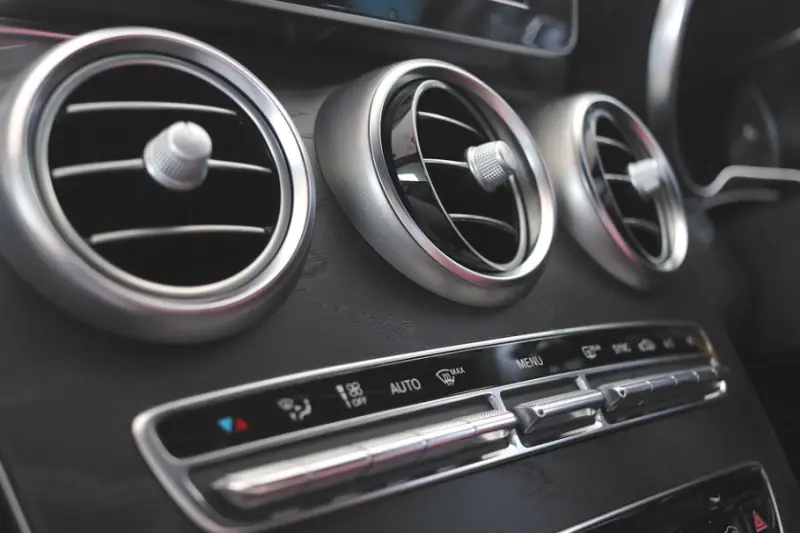
The 2021 Hyundai Venue may experience AC issues, commonly manifesting as no cold air output, unusual noises, or leaks. These problems often stem from low refrigerant levels, electrical faults (like blown fuses or bad relays), or mechanical failures in components such as the compressor, condenser, or evaporator. To fix these issues, start by checking and refilling the refrigerant if necessary. Replace any faulty components like the compressor or condenser. Address electrical issues by replacing fuses or fixing wiring. Regular maintenance checks can help prevent these problems by ensuring the system is properly charged and free of leaks or blockages.

Symptoms
  • No cold air blowing from vents.
  • AC compressor not engaging/turning on.
  • Low or no refrigerant pressure, indicating potential leaks.
  • Unusual noises (rattling, banging, grinding, squealing) from AC system.
  • AC only working on low settings.
  • AC going from cold to hot while driving.
  • Water leaking onto floorboards.
  • Reduced or no airflow from vents.
  • Musty/moldy odor.
  • Check engine light related to AC system.

Potential Causes

The potential causes of AC problems in the 2021 Hyundai Venue include:

  1. Electrical Issues: Problems such as blown fuses, loose wires, or faulty switches can prevent the compressor from operating correctly, leading to a non-functional AC system.
  2. Compressor Failure: The compressor is crucial for circulating refrigerant. If it fails to engage due to electrical issues or mechanical faults, the AC will not cool the vehicle effectively.
  3. Condenser Problems: Leaks in the condenser can lead to a loss of refrigerant, reducing the AC’s effectiveness. Additionally, blockages or debris buildup can cause similar issues.
  4. Evaporator Issues: If the evaporator is not sufficiently cooled, it can blow hot air. A frozen evaporator can also restrict airflow by causing ice buildup on the coils.
  5. Blower Motor Failure: If the blower motor is faulty or has electrical problems, it may fail to circulate air through the vents, leading to inadequate cooling.

How to Diagnose AC Issues in Your 2021 Hyundai Venue?

To diagnose AC issues in your 2021 Hyundai Venue, follow these steps:

  1. Check OBD-II Trouble Codes: Use an OBD-II scanner to check for any trouble codes that may indicate issues with the AC system components like the compressor or refrigerant pressure sensors.
  2. Visual Inspection: Examine the AC components such as the compressor, condenser, evaporator, and refrigerant lines for signs of damage or leaks.
  3. Fuse and Relay Check: Ensure all fuses related to the AC system are intact. Also, verify that the AC relay is receiving proper voltage. If the relay is not functioning correctly, consider jumping the relay to test if the AC operates; this could indicate a relay issue.
  4. Refrigerant Levels and Leaks: If the above steps don’t resolve the issue, have the AC system checked for refrigerant levels and potential leaks. This might involve evacuating and recharging the system to ensure it has the correct amount of refrigerant.
  5. Component Testing and Replacement: If recharging the refrigerant does not resolve the issue, further diagnostic tests might be necessary to determine if components like the compressor or condenser need replacement.

How to Fix 2021 Hyundai Venue AC Problems– Step by step

To fix AC problems in a 2021 Hyundai Venue, follow these step-by-step instructions:

Diagnosing AC Issues:

Step 1: Check Diagnostic Trouble Codes

Use an OBD-II scanner to identify any codes related to the AC system.

Step 2: Visual Inspection

Examine the AC components such as the compressor, condenser, evaporator, and refrigerant lines for any signs of damage or leaks.

Step 3: Operational Check

    • Turn the AC to maximum and listen for the compressor clutch engaging.
    • Use manifold gauges to measure the refrigerant pressure levels.
    • Ensure the blower motor is functioning correctly.

    Step 4: Electrical Components

      • Inspect fuses, relays, and wiring related to the AC system for any faults.

      Step 5: Leak Detection:

        • If refrigerant pressures are low, use UV dye to detect leaks.

        Repair Procedures:

        Step 1: Addressing Low Refrigerant

          • Fix leaks by replacing damaged lines or o-rings.
          • Evacuate and recharge the AC system with the correct amount of refrigerant.

          Step 2: Component Replacement

            • Replace the compressor if it’s failing due to issues like lack of lubrication or overcharging.
            • Replace or clean the condenser or evaporator if they are clogged or damaged.
            • Replace the blower motor if it’s not working.
            • Replace the expansion valve or orifice tube if clogged.
            • Replace the climate control module if it’s faulty.

            Step 3: Clearing Blockages

              • Clean the condenser and evaporator coils.
              • Replace the cabin air filter if it is clogged.

              Step 4: Fix Electrical Issues

                • Replace any blown fuses or faulty relays.
                • Repair any damaged wiring.

                Step 5: Mechanical Adjustments

                  • Replace a faulty blend door actuator.
                  • Recalibrate the system if necessary.

                  Repairing 2021 Hyundai Venue AC Problems: DIY or Professional Help?

                  When considering whether to attempt DIY repairs on the AC system of a 2021 Hyundai Venue or to seek professional help, several factors should be taken into account:

                  1. Warranty Concerns: Hyundai’s warranty terms are not explicit about DIY repairs on the AC system. However, there is a risk that DIY repairs could void the warranty, especially if the work leads to further damage.
                  2. Safety Risks: AC systems involve handling high-pressure refrigerants, which can be hazardous. There is a risk of chemical burns, frostbite, or electrical shock for those who are inexperienced.
                  3. Complexity of Repairs: Modern AC systems are complex and require specialized tools and knowledge. Mistakes such as overcharging the system, using the wrong refrigerant, or failing to evacuate the system properly can lead to more severe issues.
                  4. Potential for Increased Costs: A botched DIY repair can lead to more significant problems, resulting in higher repair costs than if a professional had been consulted initially.

                  2021 Hyundai Venue AC Problems Repairing Cost

                  Repairing AC problems in a 2021 Hyundai Venue can vary in cost depending on the specific issue and whether the repair is done at a dealership or an independent mechanic. Generally, dealer labor rates are higher, but they offer the advantage of specialized training and use of OEM parts, which might ensure higher quality repairs.

                  For common AC issues like compressor replacement, costs can be significant. At a dealership, such a repair might cost around $1500, while an independent mechanic might charge less, potentially under $1000[6]. However, it’s important to consider that the 2021 Hyundai Venue’s AC system should be covered under Hyundai’s 5-year/60,000-mile new vehicle limited warranty.

                  If the AC problem is due to a manufacturing defect, it should be repaired or replaced free of charge by Hyundai dealers under the warranty terms. This coverage is also transferable to subsequent owners, although the powertrain coverage is reduced after the original owner.

                  Preventing Future AC Problems in 2021 Hyundai Venue

                  To prevent future AC problems in your 2021 Hyundai Venue, it’s important to adhere to a regular maintenance schedule and be proactive about addressing any issues. Here are some key steps to follow:

                  1. Regular Maintenance: Keep up with the Hyundai Venue’s maintenance schedule, which includes checking and replacing engine oil, air filters, and coolant levels regularly.
                  2. Refrigerant Levels: Inspect the AC system’s refrigerant levels periodically and recharge if they are found to be low.
                  3. Leak Checks: Look for leaks in the refrigerant lines, condenser, and evaporator. Address any leaks promptly to prevent the AC system from losing its cooling efficiency.
                  4. Cabin Air Filter Replacement: Replace the cabin air filter at intervals recommended by Hyundai to ensure proper airflow and prevent debris from entering the AC system.
                  5. Annual Inspections: Have the full AC system inspected by a professional annually or every 20,000 miles to catch any potential issues early.
                  6. Electrical System: Be aware of electrical issues that could prevent AC components from operating, such as problems with relays or blown fuses.
                  7. Condenser and Evaporator Maintenance: Keep the condenser and evaporator clear of debris to maintain the efficiency of the AC system.

                  Can I drive my 2021 Hyundai Venue with a malfunctioning AC?

                  Yes, you can drive your 2021 Hyundai Venue with a malfunctioning AC, but there are several considerations to keep in mind for comfort and safety. While there are no legal requirements mandating a working AC system in a vehicle, driving without AC in hot weather can lead to discomfort and potential health risks such as heat exhaustion, especially in areas with high temperatures.

                  To mitigate these risks, it’s important to stay hydrated, use sunshades, and take breaks to cool down if necessary. Additionally, driving without AC can increase fuel efficiency, as using the AC can increase fuel consumption by up to 20%. In the meantime, practical tips like cracking the windows, using a portable fan, or driving during cooler parts of the day can help manage the heat.

                  2021 Hyundai Venue Transmission Problems, Symptoms, Causes and How to Fix


                  The 2021 Hyundai Venue has been reported to experience several transmission issues, primarily with its Dual Clutch Transmission (DCT). Common symptoms include difficulty in gear shifting, gears skipping or failing to engage, and unusual noises such as whistling or shuddering. These problems often manifest as error codes like P192001, indicating issues with the shift motor circuit.

                  To address these issues, solutions may include reprogramming or replacing the ECU, changing the transmission fluid and filter, or in severe cases, replacing the entire transmission assembly. Regular maintenance, such as timely fluid changes and adhering to Hyundai’s service recommendations, is crucial to prevent or mitigate these problems.

                  Symptoms

                  • Difficulty shifting gears, with gears slipping or failing to engage.
                  • RPMs bouncing, fluctuating, or revving unexpectedly, particularly during gear shifts.
                  • Transmission shifting at unusual times or experiencing delayed shifts.
                  • Noises from the transmission, such as whistling, shuddering, or grinding sounds.
                  • Transmission warning lights illuminated on the dashboard.
                  • Strange smells, which may indicate burning transmission fluid.
                  • Vehicle stalling or experiencing an inability to accelerate, sometimes requiring a restart.
                  • Transmission jerking or shuddering during acceleration or at steady speeds.

                  Potential Causes

                  The 2021 Hyundai Venue has experienced transmission problems primarily associated with its Intelligent Variable Transmission (IVT). Potential causes for these issues include:

                  1. Design and Manufacturing Defects: There may be inherent flaws in the IVT components such as the pulleys, valve bodies, and chain tensioners. These defects can lead to premature wear or failure of the transmission.
                  2. Software Calibration Issues: The transmission control module may have software calibration issues that affect the drivability and performance of the vehicle. Hyundai has attempted to address some of these issues through software updates, but it’s unclear if these updates have fully resolved the underlying hardware problems.
                  3. Transmission Fluid Maintenance: Inadequate maintenance of the transmission fluid, including low fluid levels or contaminated fluid, can contribute to operational issues and accelerate wear in the transmission system.
                  4. Mechanical Wear: Over time and with mileage, mechanical components of the IVT can wear down, leading to problems such as slipping, shuddering, and hesitation during acceleration.

                  How to Diagnose Transmission Issues in Your 2021 Hyundai Venue?

                  1. Check Diagnostic Trouble Codes (DTCs): Use a diagnostic tool to scan for DTCs related to the transmission control unit (TCU), such as P0730, P0731, P0741, P0867, P1603. The presence of these codes may indicate that the transmission, either Intelligent Variable Transmission (IVT) or Dual Clutch Transmission (DCT), needs replacement.
                  2. Update TCU Software: If DTCs are present, update the TCU software using the Global Diagnostic System (GDS) tool as per the service bulletin. This update can resolve issues stemming from outdated software calibrations.
                  3. Perform IVT, TCU Pressure Learning: After updating the TCU software, carry out the “IVT, TCU Pressure Learning” procedure. This manual relearn process is critical for resetting adaptive values and oil pressure characteristics to ensure the transmission operates correctly post-update.
                  4. Transmission Replacement: If problems persist following the TCU update, the transmission may require replacement. This step needs prior approval and should be done according to the service manual’s replacement procedure.
                  5. Address DCT Model Issues: For DCT models, issues often relate to shift motors or clutch circuits, indicated by codes like P192001. Dealers may try relearning procedures or replace components such as the ECU or battery before considering full transmission replacement.
                  6. Conduct Test Drives: To replicate symptoms, perform test drives over extended distances, particularly on highways where issues are more likely to manifest.

                  How to Fix 2021 Hyundai Venue Transmission Problems– Step by step

                  To fix transmission problems in a 2021 Hyundai Venue, follow these steps:

                  Step 1: Diagnose the Issue

                  Use a diagnostic scanner to read any trouble codes from the transmission control unit (TCU). Common codes for the Venue may include issues with shift motors or the transmission fluid temperature sensor.

                  Step 2: Check Transmission Fluid

                  Inspect the transmission fluid level and condition. If the fluid is low, burnt, or contaminated, it may need to be changed or flushed.

                  Step 3: Software Update

                  Check for any technical service bulletins (TSBs) that may apply to the transmission issues you’re experiencing. A TCU software update may resolve certain shift problems.

                  Step 4: Transmission Flush or Fluid Change

                  Perform a transmission fluid change or a full flush if the fluid is dirty or has not been changed according to the recommended service interval, usually around 30,000 miles.

                  Step 5: Replace Faulty Components

                  If diagnostic codes or symptoms suggest a specific component failure, such as a shift motor or solenoid, replace these parts as needed.

                  Step 6: Transmission Replacement

                  In cases of severe damage or wear, a complete transmission replacement or rebuild may be necessary. This should be done by a factory-trained technician to ensure proper inspection, and reassembly.

                  Step 7: Test Drive

                  After any repairs or maintenance, perform a test drive to ensure that the transmission is functioning correctly and that the original symptoms have been resolved.

                  Step 8: Seek Professional Help

                  If you’re not experienced with transmission repairs, it’s best to consult with a Hyundai dealership or a qualified mechanic who specializes in transmission work.

                    Repairing 2021 Hyundai Venue Transmission Problems: DIY or Professional Help?

                    For addressing transmission problems in the 2021 Hyundai Venue, it is highly recommended to seek professional help rather than attempting a DIY repair. The reasons include:

                    1. Complexity of Modern Transmissions: The Venue’s Intelligent Variable Transmission (IVT) and Dual Clutch Transmission (DCT) are complex systems that require specialized knowledge and tools for proper diagnosis and repair.
                    2. Specialized Knowledge Required: These transmissions involve intricate components and precise calibration that can be beyond the scope of most DIY enthusiasts. Professional technicians, especially those at dealerships, receive specific training to handle such advanced systems.
                    3. Risk of Further Damage: Incorrect handling or inadequate repair of transmission components can lead to more severe issues or complete transmission failure, potentially increasing repair costs significantly.
                    4. Diagnostic Equipment: Dealerships have the necessary diagnostic tools to accurately identify issues and perform the correct repairs. This equipment is typically not available to the average consumer.
                    5. Warranty Considerations: Handling transmission repairs through professional channels ensures that any existing warranties remain valid. DIY repairs can often void warranties, leading to greater expense in the case of future problems.

                    2021 Hyundai Venue Transmission Problems Repairing Cost

                    Repairing transmission problems in a 2021 Hyundai Venue can vary significantly in cost depending on the severity of the issue:

                    • Minor Repairs: For less severe issues such as transmission fluid changes or sensor replacements, costs can range from approximately $100 to $500.
                    • Moderate Repairs: Replacing components like clutches, control modules, or actuators may cost between $1,000 and $3,000, influenced by the cost of parts and labor.
                    • Major Repairs or Replacement: A full transmission replacement or rebuild for the 2021 Venue can be quite costly, with estimates ranging from $3,000 to over $6,000 in some cases.

                    Preventing Future Transmission Problems in 2021 Hyundai Venue

                    To prevent future transmission problems in your 2021 Hyundai Venue, follow these key maintenance and driving practices:

                    1. Adhere to Recommended Service Intervals: Regularly check and change the transmission fluid according to the intervals specified in the owner’s manual. For the IVT, changes are recommended around 30,000 miles, and for the DCT, between 48,000 and 60,000 miles.
                    2. Use Proper Transmission Fluid: Always use the transmission fluid type recommended by Hyundai. This ensures compatibility and optimal performance of the transmission system.
                    3. Warm Up the Transmission: Before driving aggressively, allow the transmission to warm up. Driving with a cold transmission can increase wear and tear.
                    4. Mindful Driving Habits: Avoid habits that strain the transmission, such as rapid acceleration, abrupt braking, and shifting from reverse to drive without coming to a complete stop. These actions can lead to premature transmission wear.
                    5. Use the Parking Brake: Engage the parking brake when parked, especially on inclines, to reduce the load on the transmission and prevent unnecessary stress
                    6. Stay Updated with Technical Service Bulletins (TSBs): Check for any TSBs issued for the 2021 Venue that pertain to the transmission. Have any recommended updates or repairs done by a Hyundai dealer.
                    7. Consider More Frequent Maintenance: If you frequently drive in severe conditions such as towing, high temperatures, or heavy traffic, consider more frequent transmission fluid changes and checks than the standard recommendations.

                    Can I drive my 2021 Hyundai Venue with a malfunctioning Transmission?

                    No, it is not advisable to drive your 2021 Hyundai Venue with a malfunctioning transmission. The risks associated with driving a vehicle with transmission issues include sudden loss of power, inability to accelerate, and the potential for the transmission to lock up, uncontrolled stop. These risks can lead to dangerous driving conditions and could result in costly repairs if not addressed promptly.

                    Experts strongly recommend against driving with a known transmission problem. If you must drive, it should only be to get the vehicle to a repair shop for diagnosis and repair. Checking and topping up the transmission fluid may provide a temporary fix, but it is not a long-term solution. The best course of action is to have the transmission inspected and repaired by a qualified mechanic as soon as possible to avoid the need for a full transmission replacement and to ensure your safety on the road.

                    2020 Hyundai Venue Launch Control Problems, Symptoms, Causes and How to Fix


                    The 2020 Hyundai Venue has been reported to experience several control-related issues, primarily affecting its transmission and traction control systems. Owners have noted symptoms such as unexpected deceleration, difficulty in gear shifting, and the traction control light flashing without apparent cause. These problems are often attributed to failures in the transmission system or software glitches.

                    To address these issues, it is recommended to have the vehicle diagnosed at a certified Hyundai dealership. In some cases, a transmission replacement or software update may be necessary. Owners should also check if their vehicle is covered under warranty or any relevant recalls to potentially mitigate repair costs.

                    Symptoms

                    • Erratic RPM Fluctuations: RPMs revving up and down unexpectedly while maintaining constant pressure on the gas pedal.
                    • Difficulty Accelerating: Gradual loss of responsiveness from the gas pedal, leading to an inability to accelerate or maintain vehicle speed.
                    • Unexpected Vehicle Behavior: Car may lurch or shake unexpectedly, which can occur during acceleration or while maintaining speed.
                    • Transmission Issues: Potential for the transmission to fail, as indicated by sudden loss of power and inability to propel the car forward.
                    • No Warning Indicators: No service lights or warning indicators on the dashboard, despite the presence of significant mechanical issues.

                    Potential Causes

                    The causes of the 2020 Hyundai Venue launch control problems can be summarized as follows:

                    1. Transmission Issues: Problems with the continuously variable transmission (CVT), particularly when the vehicle is driven aggressively or used in conditions it’s not designed for, such as off-roading.
                    2. Software Glitches: Issues with the transmission control module or software that may affect the vehicle’s ability to shift gears or manage traction correctly.
                    3. Faulty Wheel Speed Sensors: These sensors can cause the traction control system to engage erratically or unexpectedly, especially noted during dry conditions.
                    4. Brake Fluid Leaks: Low or leaking brake fluid can impact the vehicle’s traction control system, leading to performance issues.
                    5. Aggressive Driving: Using the vehicle in a manner not suited to its design, like frequent hard accelerations or high-speed driving, can strain the transmission and other systems.

                    How to Diagnose Launch Control Issues in Your 2020 Hyundai Venue?

                    To diagnose launch control issues in your 2020 Hyundai Venue, follow these steps:

                    1. Check for Diagnostic Trouble Codes (DTCs): Use an OBD-II scanner to check for DTCs that may indicate specific transmission problems. Look for codes such as P0730, P0731, P0741, P0867, and P1603. If any of these codes are present, it suggests issues like incorrect gear ratios, torque converter problems, low transmission fluid pressure, or a TCU fault, which may necessitate transmission replacement.
                    2. Software Update: If DTCs are found, or if you’re experiencing transmission issues without a specific code, check for any available software updates for the transmission control unit (TCU). Hyundai has provided updates that may resolve existing issues.
                    3. Pressure Learning Procedure: After updating the TCU software or replacing the transmission, perform a pressure learning procedure. This step is critical to reset the adaptive values and ensure the transmission operates correctly after the repair.
                    4. Extended Test Drive: If no DTCs are present but issues persist, dealers may need to replicate the problem by driving the vehicle over an extended distance. Intermittent issues may not present an error code immediately and require longer driving periods to diagnose accurately.
                    5. Check for Other Symptoms: In addition to DTCs, pay attention to other symptoms such as erratic RPM fluctuations, difficulty accelerating, or unexpected vehicle behavior. These can provide clues to the underlying issue.
                    6. Consult Hyundai Dealership: If you’re unable to diagnose the issue yourself, or if the problem requires professional intervention, visit a certified Hyundai dealership. They have the necessary tools and expertise to diagnose and fix the problem, potentially under warranty.

                    How to Fix 2020 Hyundai Venue Launch Control Problems– Step by step

                    To fix the launch control problems in the 2020 Hyundai Venue, follow these step-by-step instructions based on Hyundai’s Technical Service Bulletin (TSB) 23-01-019H:

                    Step 1: Check Diagnostic Trouble Codes (DTCs)

                      • Use a diagnostic scanner to check for DTCs in the vehicle. Specifically, look for codes P0730, P0731, P0741, P0867, and P1603, which indicate issues with the transmission control unit (TCU) and the Intelligent Variable Transmission (IVT).

                      Step 2: Perform TCU Software Update

                        • Update the TCU software using the GDS Mobile software as per TSB 15-GI-001. This update is crucial to ensure the transmission operates correctly and may resolve existing error codes.

                        Step 3: Replace the IVT if Necessary

                          • If the DTCs persist after the software update, replace the IVT. Follow the vehicle shop manual for the correct replacement procedure. Ensure to use the specified parts and quantities as listed in the TSB, such as the correct model of IVT and the required transmission fluid.

                          Step 4: Perform IVT, TCU Pressure Learning

                            • After replacing the IVT or updating the TCU, perform the IVT, TCU Pressure Learning procedure. This step is critical to reset the transmission’s adaptive values and ensure it functions correctly. Follow the detailed steps in the TSB to complete this procedure accurately.

                            Step 5: Extended Test Drive

                              • Conduct an extended test drive to ensure that the issue is resolved. This is particularly important for intermittent issues that may not immediately trigger a DTC. The test drive should mimic the conditions under which the problem initially occurred.

                              Step 6: Verification

                                • After the test drive, recheck the system using the diagnostic scanner to ensure no new DTCs have appeared and that the previous codes have been cleared.

                                Step 7: Consult Hyundai Dealership

                                  • If the problem persists or if you are unable to perform any of the steps, consult with a certified Hyundai dealership. They have the necessary expertise and equipment to diagnose and repair the issue effectively.

                                  Repairing 2020 Hyundai Venue Launch Control Problems: DIY or Professional Help?

                                  When dealing with launch control problems in the 2020 Hyundai Venue, it’s generally advisable to seek professional help rather than attempting DIY repairs. The complexity and potential costs associated with transmission issues make professional intervention more suitable. Here’s why:

                                  1. Complexity of Repairs: Transmission problems often involve intricate systems that require specialized tools and knowledge. The 2020 Hyundai Venue, like many modern vehicles, integrates advanced technology that might be beyond the scope of typical DIY skills.
                                  2. Cost of Mistakes: Incorrect repairs can lead to more severe problems, potentially increasing the overall cost. Professional mechanics have the expertise to diagnose issues accurately and ensure repairs are done correctly.
                                  3. Tools and Equipment: Professional repair shops have the necessary tools and diagnostic equipment to handle complex issues like transmission repairs or software updates, which are not typically available to most DIYers.
                                  4. Warranty and Recalls: If your vehicle is still under warranty, DIY repairs could void warranty terms. Professionals ensure that repair work complies with warranty conditions. Additionally, they can check for any recalls that might apply to your vehicle’s issues.
                                  5. Safety: Transmission problems can affect the safety and drivability of your vehicle. Professionals ensure that the vehicle is safe to drive, which is crucial for you and other road users.

                                  2020 Hyundai Venue Launch Control Problems Repairing Cost

                                  Repairing launch control problems in the 2020 Hyundai Venue can vary significantly in cost depending on the nature of the issue. If the problem is related to the transmission, repairs could be quite costly. For instance, some owners have reported needing a complete transmission replacement, which can cost around $5,000.

                                  It’s important to note that many of these repairs might be covered under Hyundai’s 10-year/100,000-mile powertrain warranty, which includes the transmission. This warranty coverage can significantly reduce the financial burden of such repairs.

                                  If you’re experiencing launch control issues with your 2020 Hyundai Venue, it’s advisable to first check if the problem is covered by Hyundai’s warranty. If the vehicle is still under warranty, repairs related to the powertrain should be covered, potentially saving you a substantial amount of money. Always ensure that your vehicle is diagnosed by a certified Hyundai dealership to accurately identify the issue and confirm warranty coverage.

                                  Preventing Future Launch Control Problems in 2020 Hyundai Venue

                                  To prevent future launch control problems in the 2020 Hyundai Venue, consider the following steps:

                                  1. Regular Maintenance: Adhere to Hyundai’s recommended maintenance schedule, especially regarding transmission fluid changes, to ensure the transmission system remains in good working order.
                                  2. Software Updates: Stay informed about any Transmission Control Unit (TCU) software updates issued by Hyundai. These updates can address and prevent potential transmission problems. Owners should check with their local dealership for any applicable updates.
                                  3. Driving Habits: Practice driving habits that reduce strain on the transmission. Avoid frequent hard launches and high-rpm driving. When using launch control, ensure to follow the correct procedure as outlined in the owner’s manual.
                                  4. Diagnostic Check: If you experience any issues with the launch control or transmission system, have the vehicle diagnosed by a professional. If there are persistent problems, repairs may be necessary and could be covered under Hyundai’s warranty.
                                  5. Check for Recalls: Regularly check for any recalls that may apply to your vehicle. While there are no specific recalls listed for the 2020 Venue related to launch control issues on the NHTSA website, it’s important to stay updated as recalls can arise at any time.

                                  Can I drive my 2020 Hyundai Venue with a malfunctioning Launch Control?

                                  No, you should not drive your 2020 Hyundai Venue if it is experiencing malfunctioning launch control issues. Reports indicate that such malfunctions can lead to unexpected vehicle deceleration, loss of acceleration ability, and even complete transmission failure. These issues can pose significant safety risks, especially when driving at highway speeds, and could potentially lead to further damage to the vehicle’s transmission system.

                                  The best course of action is to have the vehicle inspected and diagnosed by a certified Hyundai dealership. If the vehicle is still under warranty, the necessary repairs might be covered, reducing the cost and ensuring the work is done correctly. Continuing to drive with a known malfunction could exacerbate the problem and lead to more extensive and costly repairs, as well as compromise your safety on the road.

                                  2020 Hyundai Venue Jump Start Problems, Symptoms, Causes and How to Fix


                                  The 2020 Hyundai Venue may experience jump start problems due to a failing battery, with symptoms like slow starting, clicking noises, and electronics functioning without engine turnover. Corrosion on terminals and dash warning lights are also indicators. To fix, replace the battery, ensuring proper installation by a dealer, especially as hood space has decreased in newer models. Regular maintenance and avoiding draining the battery by leaving accessories on can prevent issues.

                                  Symptoms

                                  • No Crank/No Start: The vehicle makes no sound when attempting to start with the key.
                                  • Clicking or Whirring Noises: These sounds occur without the engine turning over.
                                  • Rough Idling or Stalling: This typically happens in the morning and resolves shortly after starting.
                                  • Dimming Lights or Electrical Issues: Indicative of a failing battery.
                                  • Swollen Battery Case: A physical sign that the battery may be failing.
                                  • Battery Warning Light: Illuminated on the dashboard, indicating issues with the battery.
                                  • Slow Engine Crank: The engine takes longer than usual to start.
                                  • Electronics Function but Engine Won’t Turn Over: Electrical components may work, but the engine does not start.

                                  Potential Causes

                                  The causes of jump start problems in the 2020 Hyundai Venue can be attributed to a variety of factors:

                                  • Defective Factory Batteries: While less common, some vehicles may have factory defects in their batteries.
                                  • Driving Habits: Short trips that don’t allow the battery to fully recharge can lead to sulfation and acid stratification, which are detrimental to battery health.
                                  • Electrical Issues: Parasitic drains from excessive electrical accessories, loose or corroded battery connections, or a malfunctioning alternator can prevent proper charging.
                                  • Cold Weather: Low temperatures can increase the strain on the battery, making it harder to start the vehicle.
                                  • Battery Age: Car batteries typically last between 3-5 years, and as they age, their ability to hold a charge diminishes.
                                  • Improper Battery Size or Application: Using a battery that is not properly sized or designed for the specific vehicle can lead to starting issues.

                                  How to Diagnose Jump Start Issues in Your 2020 Hyundai Venue?

                                  To diagnose jump start issues in your 2020 Hyundai Venue, follow these steps:

                                  1. Check the Battery Indicator: If your battery has an indicator light, a green color means the battery charge is good, while red indicates it needs charging.
                                  2. Use a Multimeter: Set the multimeter to measure voltage and check the battery’s voltage. A healthy battery should read between 12.4V and 12.7V. Readings higher than this may suggest an alternator issue, while lower readings can indicate a failing battery.
                                  3. Inspect for Corrosion: Look for any corrosion on the battery terminals, as this can affect the battery’s performance. Clean any corrosion found to ensure good contact.
                                  4. Check Battery Fluid Level: If your battery is not sealed, check the fluid level. Top up if necessary, following safety guidelines to avoid acid burns.
                                  5. Perform a Load Test: Observe if the headlights or interior lights dim when you attempt to start the vehicle. Dimming lights can indicate a weak battery.
                                  6. Examine the Alternator and Voltage Regulator: These components are crucial for charging the battery. Faults here can lead to poor battery charging and performance.
                                  7. Battery Replacement: If tests indicate the battery is failing, consider replacing it. Ensure you choose a battery that matches the specifications in your owner’s manual and is no more than six months old from the date of manufacture to ensure maximum lifespan and performance.

                                  How to Fix 2020 Hyundai Venue Jump Start Problems– Step by step

                                  To fix jump start problems in a 2020 Hyundai Venue, follow these step-by-step instructions:

                                  Step 1: Check Warning Lights

                                  Look for any dashboard warning lights that indicate issues with the battery, alternator, or electrical system. These can provide the first clue about what might be wrong.

                                  Step 2: Inspect the Battery

                                  Use a multimeter to check the battery voltage. A healthy battery should show a voltage between 12.4V and 12.7V. If the voltage is lower, the battery may be drained or failing.

                                  Step 3: Listen for Noises

                                  When attempting to start the car, listen for any clicking sounds. A single click can indicate a problem with the starter, while repeated clicking usually points to a battery issue.

                                  Step 4: Check for Drained Battery

                                  Look for signs that the battery has been drained, such as interior lights that were left on or accessories that were used while the car was off.

                                  Step 5: Battery and Terminal Inspection

                                  Clean any corrosion from the battery terminals and ensure that all connections are secure. This can improve the electrical connection and help in starting the vehicle.

                                  Step 6: Alternator Check

                                  Verify the operation of the alternator. If the alternator is faulty, it won’t charge the battery properly, leading to repeated drain issues.

                                  Step 7: Diagnose Electrical Shorts

                                  If the jump start issues are intermittent, consider the possibility of an electrical short or parasitic drain. These might require more detailed diagnostics with specialized equipment.

                                  Step 8: Consult a Dealer

                                  For complex issues, especially intermittent ones, visiting a dealer or a professional mechanic who can perform a detailed diagnostic with computer scans is advisable.

                                  Step 9: Transmission Check

                                  If the vehicle has transmission issues, these can sometimes manifest as starting problems. This is less common but should be considered if other diagnostics do not resolve the issue.

                                  Step 10: Use the Battery Reset Switch

                                  If all else fails, the 2020 Hyundai Venue is equipped with a 12-volt battery reset switch. This can be used to reset the battery and electrical system, potentially resolving the issue.

                                    Repairing 2020 Hyundai Venue Jump Start Problems: DIY or Professional Help?

                                    When deciding whether to address 2020 Hyundai Venue jump start problems through DIY methods or professional help, consider the following:

                                    • DIY Approach: If the issue is a simple battery replacement and the vehicle is still under warranty, a DIY approach may be feasible. Owners comfortable with basic battery checks and replacements can consider this option, especially since warranty coverage may apply to the battery.
                                    • Professional Diagnosis: For more complex issues beyond a straightforward battery replacement, professional diagnosis is advisable. The electrical systems in modern vehicles can be intricate, and improper handling can lead to further damage. A general diagnosis cost at a professional service center ranges between $88 and $111, which is a reasonable investment for accurate troubleshooting.
                                    • Starter Replacement: If the starter motor is the culprit, replacement costs average between $470 and $507. This task involves electrical systems and engine components, which may be best handled by a professional to ensure correct installation and function.
                                    • Warranty Considerations: For newer vehicles still under warranty, it’s beneficial to have the dealership address the issue to ensure that any repairs are covered and do not void the warranty.

                                    2020 Hyundai Venue Jump Start Problems Repairing Cost

                                    Repairing jump start problems in a 2020 Hyundai Venue can involve several potential costs depending on the root cause of the issue:

                                    • Battery Replacement: The cost for a new battery can range from approximately $100 to $300.
                                    • Alternator Replacement: If the alternator is the issue, replacement costs can vary between $400 and $1000, which includes both parts and labor.
                                    • Starter Replacement: For a failed starter, the replacement cost is estimated to be between $470 and $507, including parts and labor.
                                    • Electrical System Diagnosis: To diagnose potential shorts or wiring issues that could be draining the battery, the cost for a diagnosis is typically between $88 and $111.

                                    Preventing Future Jump Start Problems in 2020 Hyundai Venue

                                    To prevent future jump start problems in your 2020 Hyundai Venue, follow these guidelines:

                                    1. Avoid Leaving Accessories On: The Venue features a “Battery Discharge Warning” that alerts you when the battery is draining due to accessories like the radio being left on while the engine is off. Avoid leaving accessories on for more than 10-15 minutes without the engine running to prevent battery drain.
                                    2. Regular Starting and Running: If your Venue will be idle for an extended period, start and run the vehicle at least once or twice a week. This helps the alternator recharge the battery and keeps the battery healthy.
                                    3. Check and Clean Battery Connections: Ensure that the battery connections are tight and free from corrosion. A clean and secure connection prevents power loss and extends the battery’s life.
                                    4. Battery Maintenance and Testing: Regularly test your battery to monitor its health and output. Hyundai batteries typically last 3-5 years, but this can vary based on usage, climate, and other factors.
                                    5. Use of Battery Reset Switch: If you encounter persistent battery issues, the 2020 Venue is equipped with a battery reset switch. This can be used to reset the electrical system and resolve some battery-related problems.

                                    Can I drive my 2020 Hyundai Venue with a malfunctioning Jump Start?

                                    No, you should not drive your 2020 Hyundai Venue if it is experiencing jump start problems, such as a malfunctioning battery or alternator issues. 

                                    It is advisable to address the root cause of the jump start problems before continuing to drive the vehicle. Have the vehicle inspected and repaired by a professional to ensure all components are functioning correctly and safely. This approach helps prevent potential breakdowns and maintains the vehicle’s reliability and safety.

                                    Best Battery for Hyundai I10


                                    The best battery for a Hyundai i10 is one that matches its specifications for size, capacity, and power requirements.

                                    While a Hyundai i10 might not demand the spotlight like a high-performance sports car, the right battery choice can propel its reliability and efficiency into the limelight. You're navigating a landscape filled with numerous brands, each claiming supremacy, but not all batteries are cut from the same cloth when it comes to your i10.

                                    Understanding the nuances of car batteries, from top brands to compatibility and beyond, is crucial. As you sift through this guide, you'll uncover hidden gems of information that could significantly elevate your vehicle's performance and longevity. Let's embark on this journey together, uncovering the best battery for your Hyundai i10, and why settling for less could be a costly oversight.

                                    Understanding Car Batteries

                                    importance of car batteries

                                    To select the best battery for your Hyundai I10, understand how car batteries work. They power your vehicle's engine, electrical systems, and accessories. Without a good battery, your car won't start.

                                    Car batteries turn chemical energy into electrical energy to start your car and run its electrical parts. They're rechargeable but wear out over time due to repeated charging and discharging.

                                    There are two main types: SLI (starting, lighting, ignition) batteries and deep cycle batteries. SLI batteries quickly start the engine, while deep cycle batteries provide a steady power for a longer time, suitable for electric vehicles or when the engine is off.

                                    Key specifications include Cold Cranking Amps (CCA), which shows how well the battery works in cold weather, and Reserve Capacity (RC), indicating how long it can power electrical components if the alternator fails. Matching these to your I10's requirements is important.

                                    Choose the right battery by considering these factors, your driving habits, and climate. This knowledge helps make an informed choice.

                                    Top Battery Brands Reviewed

                                    For Hyundai I10, consider these car battery brands:

                                    1. Exide: Known for durability and high cold cranking amps, making it easy to start your car in cold weather. Exide batteries have a long life span.
                                    2. Amaron: Ideal for hot climates due to their maintenance-free operation and high heat tolerance. They've a high reserve capacity to support car electronics during long inactive periods.
                                    3. Bosch: Offers consistent power for smooth starts and can handle frequent short trips well.
                                    4. Optima: Features a SpiralCell design for clean power and is environmentally friendly. It's resistant to vibrations, good for rough roads.

                                    Choose based on your needs and driving habits.

                                    Compatibility With Hyundai I10

                                    hyundai i10 compatibility details

                                    When picking a battery for your Hyundai I10, it's important to choose one that fits your car properly to avoid problems. The type of battery you need can depend on your specific Hyundai I10 model as they might need different sizes or power capacities.

                                    • Battery Size: The battery should fit well in the tray to prevent any damage from movement.
                                    • Terminal Position: Make sure the new battery's terminals are in the same position as the old one to avoid having to stretch cables or make modifications.
                                    • Power Requirement: Your Hyundai I10 needs a certain amount of power. Pick a battery that offers that power level or more for the best performance.
                                    • Manufacture Date: Choose the newest battery you can find to ensure it hasn't lost power while sitting unused.
                                    • Warranty: A battery with a good warranty is important in case it stops working sooner than expected.

                                    Installation and Maintenance Tips

                                    To improve your Hyundai I10's performance, install a new battery and maintain it well. First, gather tools and safety gear like wrenches, gloves, and safety glasses. Always disconnect the negative cable before the positive to prevent short circuits. Clean the terminal connectors and battery tray to stop corrosion. Install the new battery, attaching the positive cable first, then the negative. Check that all connections are tight and free from corrosion.

                                    For maintenance, regularly inspect the battery terminals for corrosion and clean with a baking soda and water mix if needed. This keeps performance high. Make sure the battery is securely placed to avoid damage from vibrations.

                                    Monitor the battery's charge level, especially in extreme temperatures, as cold can reduce capacity and heat can increase corrosion and fluid loss. If you don't use your I10 often, a battery maintainer can keep the charge level without overcharging.

                                    Lastly, recycle your old battery by taking it to a retailer who'll dispose of it when you buy a new one.

                                    Cost Vs. Performance Analysis

                                    four word phrase generated

                                    When choosing a battery for your Hyundai I10, it's important to balance cost and performance to save money without sacrificing quality. Here's what to consider:

                                    • Warranty: A longer warranty means the manufacturer trusts their product and can save you money.
                                    • Battery Life: A cheaper battery that doesn't last long isn't cost-effective. Look for longevity.
                                    • Cold Cranking Amps (CCA): Higher CCA is better for cold weather. Don't compromise on this.
                                    • Reserve Capacity (RC): This shows how long the battery powers accessories if the alternator fails. Higher RC is better but more expensive.
                                    • Brand Reputation: Well-known brands can offer more reliability and performance. Check reviews and expert opinions.

                                    Conclusion

                                    To find the best battery for your Hyundai i10, you need to think about a few things. First, consider how much you want to spend and the performance of the battery. Make sure the battery fits your car and select one from a reputable brand.

                                    Putting the battery in your car correctly and maintaining it well can help prolong its lifespan. By considering all these factors, you can choose a suitable battery that enhances the smooth operation of your vehicle.

                                    It's crucial to opt for a high-quality battery that is compatible with your i10. This way, your car will function optimally, giving you peace of mind that your vehicle is well taken care of.

                                    2020 Hyundai Venue GDI Acceleration Problems, Symptoms, Causes and How to Fix


                                    The 2020 Hyundai Venue has reported issues with acceleration, where the vehicle unexpectedly loses speed when the accelerator pedal is depressed, dropping from 65 mph to 10 mph. This problem is linked to the vehicle’s powertrain system, potentially involving the transmission or throttle body. Symptoms include sudden deceleration and unresponsive acceleration. To address these issues, it is recommended to check and possibly replace the transmission, as some cases require a new transmission. Regular diagnostic checks and ensuring the vehicle’s software is up to date can also help prevent these problems. If acceleration issues persist, consulting a certified Hyundai service center is advisable.

                                    Symptoms

                                    The 2020 Hyundai Venue GDI has been reported to experience acceleration problems, with symptoms including a sudden drop in vehicle speed when the accelerator pedal is depressed, going from 65 mph to 10 mph.

                                    Additionally, there have been reports of the RPMs fluctuating rapidly on the highway, and the car struggling to accelerate after a stop, with RPMs jumping back and forth and the car beginning to shake. These symptoms suggest issues with the vehicle’s powertrain system, potentially involving the transmission or throttle body.

                                    Potential Causes

                                    • Transmission Issues: The 2020 Hyundai Venue GDI has been reported to have critical failures in its transmission system, which can lead to sudden loss of the ability to accelerate, especially at highway speeds.
                                    • Throttle Body Malfunction: Problems with the throttle body, such as those indicated by error codes like P2106, P2110, and P0638, have been linked to intermittent acceleration issues, particularly when going uphill.
                                    • Software Problems: There may be software-related issues affecting the vehicle’s ability to properly manage the air-fuel mixture and transmission behavior, leading to erratic RPM fluctuations and acceleration problems.
                                    • Fuel System Issues: Some owners have speculated that problems with the fuel pump or related components could be causing acceleration difficulties, as issues seem to occur around specific fuel levels.
                                    • Sensor Failures: Potential failures in sensors such as the crankshaft position sensor have been considered by owners as a possible cause of the acceleration issues.

                                    How to Diagnose Acceleration Issues in Your 2020 Hyundai Venue GDI?

                                    To diagnose acceleration issues in your 2020 Hyundai Venue GDI, follow these steps:

                                    1.Check Engine Light and Diagnostic Code

                                      Use an OBD-II scanner to check for any stored diagnostic trouble codes (DTCs) in the vehicle’s system. Codes related to the throttle position sensor, mass airflow sensor, or O2 sensor can indicate where the problem might lie.

                                      2. Transmission Check

                                        Inspect the transmission as issues here can lead to acceleration problems. Look for any signs of slipping or delayed engagement which might require professional assessment or repair.

                                        3. Throttle Body and Sensor Inspection

                                          Examine the throttle body and throttle position sensor (TPS) for any signs of malfunction or damage. A faulty TPS can lead to poor acceleration response.

                                          4. Fuel System Evaluation

                                            Check the fuel injectors and fuel pump. Clogged injectors can disrupt the fuel flow, causing misfires and poor acceleration. Consider having a flow test done to ensure injectors are functioning properly.

                                            5. Air Intake and MAF Sensor

                                              Inspect the air intake system, including the mass airflow sensor (MAF). A dirty or faulty MAF sensor can misread the amount of air entering the engine, affecting the air-fuel mixture.

                                              6. Exhaust and Emissions Systems

                                                Evaluate the catalytic converter and O2 sensors. A clogged catalytic converter can restrict exhaust flow, leading to reduced engine performance and acceleration issues.

                                                7. Vacuum Leak Test

                                                  Check for vacuum leaks which can cause the engine to run lean, affecting acceleration. Listen for hissing sounds or use a smoke machine to detect leaks.

                                                  8. Software and ECU

                                                    Ensure that the vehicle’s software is up to date. Sometimes, acceleration issues can be resolved with a software update from the manufacturer.

                                                    9. Professional Diagnostic Testing

                                                      If the above checks do not resolve the issue, it may be necessary to take the vehicle to a certified Hyundai service center for a comprehensive diagnostic test. They can check deeper issues related to engine timing, compression, and other advanced systems.

                                                      How to Fix 2020 Hyundai Venue GDI Acceleration Problems– Step by step

                                                      To fix acceleration problems in the 2020 Hyundai Venue GDI, follow these step-by-step instructions:

                                                      Step 1: Diagnose with OBD-II Scanner

                                                        • Use an OBD-II scanner to check for any diagnostic trouble codes (DTCs) that could indicate the source of the problem. Pay special attention to codes related to the throttle position sensor (TPS) such as P0123, P0222, and P2101.

                                                        Step 2: Inspect the Throttle Position Sensor (TPS)

                                                          • Locate the electronic throttle body on the intake manifold assembly. Disconnect the negative battery terminal before starting.
                                                          • Remove the air intake hose and disconnect the electrical connector from the TPS.
                                                          • Remove the four bolts on the TPS using a 10 mm socket and inspect the sensor for any damage or wear.
                                                          • Reinstall the TPS and other components in reverse order, ensuring all connections are secure and the bolts are tightened to 11.5 Nm.

                                                          Step 3: Check the Catalytic Converter

                                                            • If acceleration issues persist, consider checking the catalytic converter, as a clogged converter can cause loss of power. A muffler shop can perform a backpressure exhaust test to confirm if the catalytic converter is defective.
                                                            • Replace the catalytic converter if it is found to be clogged or malfunctioning. Aftermarket units are generally less expensive than OEM parts.

                                                            Step 4: Transmission Inspection

                                                              • Given reports of transmission failures, inspect the transmission for any signs of malfunction, especially if there are symptoms like unresponsive acceleration.
                                                              • Consider having the transmission fluid checked and the system scanned for any transmission-specific error codes.

                                                              Step 5: Software Update

                                                                • Check if there are any software updates available for the vehicle that might address the acceleration issues. Sometimes, software glitches can affect the transmission and throttle response.

                                                                Step 6: Test Drive and Monitor

                                                                  • After making repairs, test drive the vehicle to ensure that the acceleration issue is resolved. Pay attention to the vehicle’s response to throttle inputs and monitor for any recurrence of the problem.

                                                                  Step 7: Professional Help

                                                                    • If the problem persists or if you are unable to diagnose the issue yourself, it is advisable to take the vehicle to a certified Hyundai dealership or a trusted mechanic for a more comprehensive diagnosis and repair.

                                                                    Repairing 2020 Hyundai Venue GDI Acceleration Problems: DIY or Professional Help?

                                                                    When deciding whether to repair acceleration problems in a 2020 Hyundai Venue GDI through DIY methods or professional help, consider the following factors:

                                                                    DIY Car Repairs:

                                                                    • Cost Savings: DIY repairs can save money on labor costs and allow for more affordable part options.
                                                                    • Learning Opportunity: Performing your own repairs can increase your understanding of your vehicle’s mechanics.
                                                                    • Convenience: DIY allows you to work on your car at your own pace and schedule.

                                                                    However, DIY repairs also come with risks:

                                                                    • Time Commitment: Learning and performing repairs can be time-consuming, especially for those with limited experience.
                                                                    • Potential for Errors: Mistakes during DIY repairs can lead to further complications and safety risks.

                                                                    Professional Car Repairs:

                                                                    • Expertise and Experience: Certified mechanics have the training to diagnose and repair issues correctly.
                                                                    • Quality Repairs: Professionals use genuine parts and follow manufacturer guidelines.
                                                                    • Time Efficiency: Mechanics can complete repairs more quickly due to their expertise.
                                                                    • Warranty Protection: Professional repairs often come with warranties on services.
                                                                    • Safety: Professionals can identify safety hazards that might be overlooked during DIY repairs.

                                                                    2020 Hyundai Venue GDI Acceleration Problems Repairing Cost

                                                                    The cost of repairing acceleration problems in the 2020 Hyundai Venue GDI can vary depending on the specific issue and whether the vehicle is still under warranty. If the problem is related to the transmission and the vehicle is not covered under warranty, repairs for this issue may cost around $600.

                                                                    If the issue is more severe, such as a complete transmission failure, the cost could be as much as $5,000. It’s important to note that these are estimated costs, and the actual cost could be different based on the nature of the problem, labor rates, and parts prices. It is advisable to get a detailed estimate from a certified mechanic or dealership for the most accurate repair costs.

                                                                    Preventing Future Acceleration Problems in 2020 Hyundai Venue GDI

                                                                    Regular Maintenance and Inspections:

                                                                      • Adhere to Hyundai’s recommended maintenance schedule to ensure all critical systems, including the transmission and engine, are in optimal condition.

                                                                      Software Updates:

                                                                        • Keep the vehicle’s software updated. Check with a Hyundai dealership for any updates that might address known issues with the vehicle’s acceleration or transmission system.

                                                                        Transmission Care:

                                                                          • Pay special attention to the transmission, particularly if your Venue has a Dual Clutch Transmission (DCT). Regular checks and fluid changes can prevent issues that lead to acceleration problems.

                                                                          Diagnostic Checks:

                                                                            • Use an OBD-II scanner periodically to check for any diagnostic trouble codes (DTCs) that could indicate emerging problems before they lead to noticeable symptoms.

                                                                            Address Recalls Promptly:

                                                                              • Stay informed about any recalls affecting your vehicle model. For instance, addressing recalls related to the seat belt pretensioners can prevent potential issues that might indirectly affect vehicle safety and performance.

                                                                              Check and Replace Air and Fuel Filters Regularly:

                                                                                • Ensure that air and fuel filters are checked and replaced as necessary to maintain proper air-fuel mixture and engine performance, which can impact acceleration.

                                                                                Monitor and Maintain Fluid Levels:

                                                                                  • Regularly check and maintain proper levels of engine oil, coolant, brake fluid, and especially power steering fluid, as low levels can affect the vehicle’s performance and handling.

                                                                                  Can I drive my 2020 Hyundai Venue GDI with a malfunctioning Acceleration?

                                                                                  No, you should not drive your 2020 Hyundai Venue GDI with a malfunctioning acceleration system. Acceleration issues can significantly impact vehicle performance and safety. Problems such as sudden loss of speed, unresponsive throttle, or erratic RPM fluctuations can lead to dangerous situations on the road, especially in traffic or at highway speeds. It is crucial to address these issues promptly by diagnosing and repairing the underlying causes, whether they are related to the transmission, throttle body, or other components.

                                                                                  If you experience acceleration problems, it is advisable to have the vehicle checked by a professional mechanic or at a certified Hyundai service center to ensure your safety and the vehicle’s reliability.