Recent Posts

Are Tires Covered Under Hyundai Warranty


Tires are not covered under Hyundai's warranty. They are warranted by the tire manufacturer, and Hyundai generally does not cover tire damage unless it's related to a manufacturing defect of the vehicle.

To address tire issues, you should consult the warranty provided by the tire manufacturer.

Understanding Hyundai's Warranty

hyundai warranty coverage details

Hyundai's warranty gives you strong protection for your vehicle, offering confidence while driving. Once you buy a car from Hyundai, you have one of the best warranties in the car industry. This warranty is important because it helps fix factory mistakes and supports you for a long time.

You might ask, 'What does this warranty cover?' It includes a New Vehicle Limited Warranty, also known as the bumper-to-bumper warranty, which covers almost all parts of your new car. This helps you avoid repair costs for a significant time after buying the car. Additionally, there's a Powertrain Limited Warranty that covers important parts like the engine and transmission. If these parts have problems not caused by regular use or maintenance, the warranty likely covers them.

Hyundai also offers 24/7 Roadside Assistance. If you need help, like towing, fuel, or if you're locked out of your car, you can call for assistance anytime. This shows Hyundai's dedication to keeping you on the road without stress.

Tires and Hyundai's Coverage

Hyundai's warranty covers tires differently. The tire manufacturers, not Hyundai, provide the tire warranty. If your tires have issues, you must contact the tire maker for repairs or replacements.

New Hyundai cars come with tires that have their own warranty from the tire manufacturer, which usually covers defects but not normal wear or road damage. To claim, go to the tire brand's authorized dealer or service center with your tire warranty information.

Exclusions and Limitations

details of insurance policies

Know the limits of your Hyundai tire warranty to avoid extra costs. Here are three main things not covered:

  1. Wear and Tear: Tires wearing out from normal use isn't covered. You'll need to pay for new ones yourself.
  2. External Damage: Tires damaged by things like nails or potholes aren't covered. These are outside the manufacturer's control.
  3. Poor Maintenance: Not taking care of your tires, like not rotating them or not keeping the right air pressure, can cancel your warranty. Follow Hyundai's care tips to keep your warranty valid.

Understanding these rules helps you know what to expect and how to avoid extra costs.

Tips for Tire Maintenance

To keep your tires in good condition and your warranty valid, follow these maintenance guidelines. Regular tire checks can help avoid problems and ensure your car runs well. Here's how to maintain your tires:

Maintenance Task Frequency
Tire Rotation Every 5,000 to 7,500 miles
Air Pressure Check At least once a month
Tread Depth Inspection Every oil change or sooner if you notice wear

Rotate your tires regularly to make them last longer and keep your car balanced. This prevents uneven wear. Make sure your tires have the right amount of air to save fuel and avoid extra wear. Check the tread depth for safety, as low tread reduces grip on the road.

Navigating Warranty Claims

handling warranty claim process

To handle a warranty claim for your Hyundai's tires, follow these steps:

  1. Check Your Warranty:

First, understand what your Hyundai warranty covers for tires. This will help you know what to expect.

  1. Collect Documents:

Gather all necessary documents such as your car's purchase info, warranty details, and service records. These documents are important for your claim.

  1. Contact Hyundai Dealer:

Go to your nearest Hyundai dealer or service center. They can manage warranty claims and tell you what to do next. It's good to call them first and set up a meeting to talk about your tire issues.

Conclusion

To sum it up, Hyundai's warranty covers a lot of your car's parts but usually doesn't include tires. This is because the company that makes the tires usually offers their own warranty for them.

It's important to know what's not covered and to take good care of your tires. Make sure you understand your tire warranty and how to make a claim if you need to. This will help you get the most out of your Hyundai's support.

Why Does My Car Alarm Keep Going off Hyundai Elantra


  • Faulty door latches can cause the car alarm to trigger if they do not properly close or lock.
  • Sensitive shock sensors may be triggered by minor vibrations or movements, leading to false alarms.
  • Low battery issues can cause the car alarm to go off as the system may interpret the low power as an attempted break-in.
  • Electrical system glitches, such as wiring problems or a malfunctioning control module, can also result in the alarm being set off unexpectedly.
  • Complications from aftermarket alarm systems, if installed improperly or if there are compatibility issues, can lead to frequent false alarms.

Faulty Door Latches

door latch safety issues

Hyundai Elantra owners often face a problem with faulty door latches. This issue can stop the car alarm from working correctly, making the vehicle less secure. Faulty latches usually happen because of wear and tear or a manufacturing defect. This means the car mightn't know the doors are closed, and the alarm won't set. You might notice this if the alarm light behaves unusually or there's no confirmation sound when setting the alarm.

To fix this, check the latches. Sometimes, cleaning them is enough. Other times, you may need to adjust or replace the latch. Regular maintenance can help avoid this problem.

Sensitive Shock Sensors

If your Hyundai Elantra's shock sensors are too sensitive, they might cause false alarms. These sensors detect impacts and vibrations to warn you about possible thefts or vandalism. But if they're too sensitive, minor touches or strong winds can set off the car alarm unnecessarily.

You can fix this by adjusting the sensor sensitivity. You can usually do this through the car's onboard computer or by following instructions in the manual. If you're unsure how to adjust them, it's best to get help from a professional. Properly adjusted sensors will reduce false alarms, making the car alarm more reliable.

Low Battery Issues

low battery causes problems

A low battery in your Hyundai Elantra can cause the car alarm to malfunction and go off unexpectedly. This happens because when the battery's voltage is low, the car's electrical system becomes overly sensitive. Small changes in power can trigger the alarm.

Even if your car starts fine, a low battery indicates it's not holding a charge well. This could lead to bigger issues later.

To check the battery's condition, use a multimeter to measure the voltage or have a professional test it. If the battery is weak, replacing it can prevent further alarm issues and ensure your car starts reliably.

Electrical System Glitches

Electrical glitches in a Hyundai Elantra can cause the alarm to act strangely. These problems can come from different sources and interrupt how the car's alarm system talks to its electrical system.

If the alarm goes off by itself, it might mean there's an issue with the car's electrical connections, like loose or damaged wires, or broken sensors. These can make the car's computer get the wrong signals, setting off the alarm for no clear reason.

Short circuits, caused by moisture or wear and tear, can also make the alarm go off unexpectedly. They send random signals in the system, triggering the alarm at strange times.

To fix these problems, check the car's electrical system carefully. Look for any damage or wear in the wiring and connectors. Often, fixing a loose connection or replacing a damaged wire can solve the issue.

Aftermarket Alarm Systems

enhancing car security features

While Hyundai Elantras' factory alarms can have issues, adding an aftermarket alarm system has its own challenges. Before adding an aftermarket alarm for better security, understand it's not simple. There are several challenges to consider for ensuring it doesn't cause more problems.

Key points to consider:

  1. Compatibility: Make sure the aftermarket alarm fits well with your Hyundai Elantra's electrical system. If it's not compatible, it could cause problems like frequent false alarms or battery drain.
  2. Professional Installation: Installing the alarm system yourself might save money, but it's risky if you're not experienced with car electronics. Poor installation can lead to false alarms or other electrical issues that could harm your car's functionality.
  3. Warranty Concerns: Check your car's warranty before installing an aftermarket system. Some manufacturers void the warranty if you install certain aftermarket systems, which could end up being expensive.

Installing an aftermarket alarm can increase security, but it's important to do it carefully. Considering these points can help ensure your new alarm system protects your car without added issues.

Conclusion

If your Hyundai Elantra's car alarm keeps going off when it shouldn't, there are a few main reasons this might be happening. It could be because of doors not closing right, the alarm being too quick to react, the car's battery being low, problems with the car's electrical parts, or issues with any alarm system you added.

To fix this, start with easy steps like checking the car's battery before you look into more complex things like the electrical parts or changing how sensitive the alarm is. Taking steps one by one in a calm way will help you find and solve the problem.

How to Change Oil Filter on 2015 Toyota Corolla


To change the oil filter on a 2015 Toyota Corolla, first, prepare your workspace and gather tools.

Remove the old oil filter, install a new one, and dispose of the old filter properly.

A crucial tip is to lubricate the new filter's gasket.

Preparing Your Workspace

creating an organized environment

Before you start changing the oil filter on your 2015 Toyota Corolla, make sure your workspace is clean, has good lighting, and is safe. A messy or dark workspace can cause accidents or mistakes. Clear any clutter and ensure there's enough light.

The floor should be flat and stable. A car can move if the floor is uneven, which is dangerous if you're under it changing the oil filter. Clean any debris or spills in a garage, and if you're outside, find a level area without mud or loose gravel.

For your comfort and safety, use something like cardboard or an old yoga mat to lie on. This keeps you off the ground. Wear old clothes because you'll get dirty from the used oil.

Gathering Necessary Tools

To change the oil filter on a 2015 Toyota Corolla, prepare these tools:

  1. Car jack and jack stands to lift and support the car safely.
  2. Wrench set with a socket wrench that fits your car's oil drain plug, usually 14mm or 15mm.
  3. Oil filter wrench that fits your Corolla's filter. Choose from strap, socket, or pliers type.
  4. Drain pan to catch old oil, large enough to prevent spills.
  5. Gloves and rags or paper towels for clean-up.

Having these tools ready beforehand will help you complete the oil filter change smoothly and without interruptions.

Removing the Old Oil Filter

changing the car s filter

ARTICLE TITLE: How to Change an Oil Filter in a 2015 Toyota Corolla

PREVIOUS TOPIC: 'Gathering Tools'

CURRENT TOPIC: 'Removing the Old Oil Filter'

To remove the old oil filter from your 2015 Toyota Corolla, follow these steps. Ensure the car is on flat ground and the engine has cooled down. Wear gloves to keep your hands clean. Place an oil catch pan under the oil filter to catch any oil leaks.

Find the oil filter on the engine's front, right side. Use an oil filter wrench to loosen the filter by turning it counterclockwise. Once loose, remove it by hand, being careful of any oil inside.

Step Action
1 Park the car on flat ground and cool the engine.
2 Find the oil filter on the engine's front, right side.
3 Put an oil catch pan under the filter.
4 Loosen the filter with an oil filter wrench by turning it counterclockwise.
5 Remove the filter by hand, allowing oil to drain into the pan.

After removing the filter, clean the filter's seating area on the engine to remove any dirt or debris. This ensures a clean surface for the new oil filter.

Installing the New Oil Filter

Remove the old oil filter from your 2015 Toyota Corolla. Open the new oil filter package. Before installing, prime the filter by applying motor oil to the rubber gasket on top. This prevents the gasket from sticking or tearing when changing it next time.

Place the new oil filter under the car and start screwing it onto the engine's oil filter mount by hand. This avoids damaging the threads. Once it's hand-tight, tighten it a bit more. For a 2015 Toyota Corolla, turning it an extra 3/4 turn after it touches the mount is usually enough. Check the oil filter box or the car manual for exact instructions.

Make sure the filter is tight enough to prevent leaks but not so tight that it damages the filter or makes it hard to remove later.

With the new oil filter in place, you've finished an important part of maintaining your car's engine, helping your 2015 Toyota Corolla run well with clean oil.

Proper Disposal and Cleanup

proper waste management practices

After replacing the oil filter in a 2015 Toyota Corolla, dispose of the old filter and clean up oil spills correctly. Don't throw the old filter in the trash or pour oil down the drain as it's harmful to the environment and could result in fines.

To dispose of the filter, first, let it drain by piercing the dome end and leaving it above a pan for 24 hours. Then, put the drained filter in a plastic bag to stop any oil leaks.

For the oil, pour it into a container with a lid. Take the used oil and filter to a place that accepts them, like an auto parts store or recycling center. They can recycle or dispose of them properly.

To clean up spills, use kitty litter or sawdust to absorb the oil. After a few hours, sweep it up and throw it away in a sealed bag. Clean the area with degreaser and water to remove slippery residue.

Doing this keeps your space clean and helps the environment. It's part of responsible car care and environmental protection.

Conclusion

You did a great job changing the oil filter on your 2015 Toyota Corolla! First, you got your workspace and tools ready.

Then, you took out the old filter and put in a new one. It's important to throw away the old filter the right way to keep the environment safe.

Cleaning up after you're done means you're all set for the next time you need to fix something. By doing this, you've saved some money and helped your car last longer.

Well done!

What Is Hyundais Buy Back Program


Hyundai's Buy Back Program allows vehicle owners to return their cars under specific conditions. It provides an opportunity for those who may face issues with their vehicles or are dissatisfied with their purchase to return it to Hyundai.

The program outlines clear eligibility criteria, which typically include the vehicle's purchase date, condition, and mileage, among other factors. By participating, owners can potentially relieve themselves of an unwanted vehicle, possibly in exchange for a refund or a different car, depending on the program's current terms and the situation at hand.

Understanding the details and implications of this program is essential for Hyundai vehicle owners considering this option.

Program Overview

software for project management

Hyundai's Buy Back Program lets you sell your car back to the company under certain conditions for a simple and secure deal. This program is designed to offer you peace of mind and financial flexibility, acknowledging that your needs may change.

By joining this program, you'll go through a simple process. Hyundai prioritizes your time and aims to make the buyback as smooth as possible, ensuring customer satisfaction from the start to the end of the process.

The program isn't just about selling your car; it's about making sure you're supported in your decision. Hyundai provides clear information and open communication throughout.

Choosing to sell your car back to Hyundai could also let you upgrade or switch to a different model that fits your current lifestyle or preferences, all within Hyundai's services.

Eligibility Criteria

To be eligible for Hyundai's Buy Back Program, your car must meet certain conditions. Here are the criteria clearly listed:

  • The car must be less than 3 years old from the date it was bought.
  • It should have less than 36,000 miles on it.
  • The car shouldn't have significant damage and will be checked.
  • You need to be the first owner of the car; it can't have been transferred to you.
  • All car services must be up-to-date according to Hyundai's schedule.

If your car meets all these criteria, you can consider the Hyundai Buy Back Program. This program is for cars that are new, in good condition, and have low mileage. It helps Hyundai keep a high-quality collection of pre-owned vehicles and offers you an option to return your car under specific conditions.

Benefits for Owners

positive outcomes for owners

The Buy Back Program offers several benefits for Hyundai owners.

First, it provides financial flexibility. If your life changes and you can't keep your vehicle, the program helps you avoid financial difficulty.

Second, it offers peace of mind. You can return your vehicle if needed, reducing worry about the future.

Third, it allows access to the latest Hyundai models. This means you can always drive a car with new technology and safety features, which could also help with resale value.

How to Participate

To join Hyundai's Buy Back Program, follow these steps:

  1. Check if your Hyundai vehicle meets the program's requirements for age, mileage, and condition. You can find this information on Hyundai's website or by contacting a Hyundai dealership.
  2. Prepare all necessary documents, including vehicle registration, proof of ownership, service records, and any finance or lease paperwork.
  3. Make an appointment with a Hyundai dealership. A representative will inspect your vehicle, confirm if it qualifies for the program, discuss its buy-back value, and explain the next steps.
  4. If you agree to participate, complete the paperwork provided by the dealership to officially enter your vehicle into the buy-back program and agree to any terms and conditions.

Potential Limitations

uncovering potential research limitations

When considering Hyundai's Buy Back Program, keep in mind these limitations:

  • Vehicle Condition: Your car needs to meet certain standards related to mileage and maintenance.
  • Eligibility: Not all Hyundai models or years qualify for the program.
  • Extra Costs: You may have to pay additional fees if you end the agreement early, if the car has excess wear and tear, or if you go over the mileage limit.
  • Use Restrictions: There might be rules about how you can use the car, including no modifications or commercial use.
  • Location: The program may not be available everywhere.

Knowing these limitations can help you decide if the Hyundai Buy Back Program is right for you.

Conclusion

Hyundai's buyback program is a great way for you to deal with car problems. If your car has certain issues, you might be able to join this program. This program can either give you a new car or buy your old one.

It's easy to join, but remember there might be some rules. This is a good chance to fix your car issues with Hyundai's help.

How to Adjust Steering Wheel Toyota Corolla


To adjust the steering wheel in a Toyota Corolla:

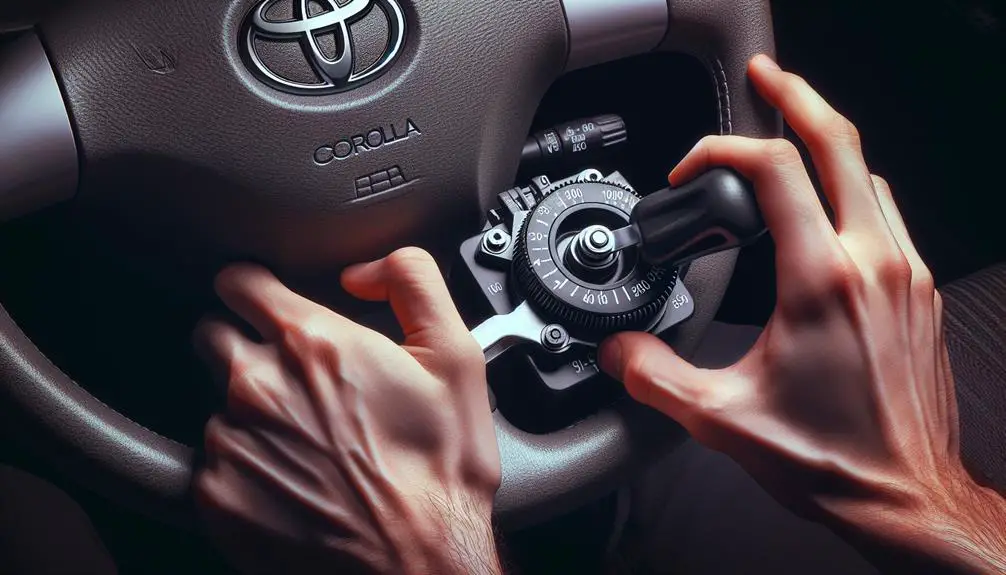
  • Locate the lever under the steering column.
  • Pull it to adjust the wheel's height or depth for optimum comfort and driving safety.
  • Ensure it's securely locked in place after adjusting.

Understanding Steering Adjustment

perfectly describes text content

Adjusting your steering wheel is important for comfort and safety while driving. It helps you control your car better, see the dashboard and road clearly, and reach controls easily.

If the steering wheel is too low or too high, it can cause shoulder and neck strain, especially during long drives. This can make you less focused and more tired. The right steering wheel position also improves your ability to make quick, precise movements, which is important in emergencies.

Locating Adjustment Controls

Understanding how to adjust your Toyota Corolla's steering wheel is essential for safety and comfort. The adjustment controls are generally located near the steering column and are easy to reach from the driver's seat. Depending on your Corolla's year and model, you might find a lever or a knob for adjusting the steering wheel's position to match your preferred driving posture.

Here's a simple table to help you locate and understand the functions of these controls:

Location Control Type Function
Under the steering column Lever Releases the steering wheel
Side of the steering column Knob Adjusts the steering wheel's tightness
Near the dashboard Button Electrically moves the steering wheel (in some models)
On the steering column Slide Moves the steering wheel in or out
Below the steering wheel Switch Sets automatic or memory adjustments (in advanced models)

Adjusting for Height

accommodating different sized individuals

To adjust the height of your Toyota Corolla's steering wheel for a better driving position, follow these steps:

  1. Sit in the driver's seat and relax. Your arms should be slightly bent when holding the steering wheel.
  2. Find the adjustment lever, knob, or wheel under the steering column.
  3. Use it to unlock the steering column by pulling, pushing, or twisting.
  4. Adjust the steering wheel up or down to find the ideal height. You should easily see the instrument panel and the road without straining your neck or moving your head.
  5. Lock the steering wheel in place by returning the lever, knob, or wheel to its original position. Make sure it's secure by giving it a gentle tug.

Now, the steering wheel is set at a comfortable and safe height.

Adjusting for Depth

To adjust the depth of your Toyota Corolla's steering wheel for better comfort and control, follow these steps:

  1. Find the lever or dial under the steering column that controls the steering wheel's depth. Check your car's manual if needed.
  2. Sit properly in the driver's seat.
  3. Pull or push the lever to unlock the steering wheel's depth adjustment.
  4. Move the steering wheel closer or further away to get a comfortable depth. Your wrists should rest on the steering wheel without stretching your arms.
  5. Release the lever to lock the steering wheel at the new depth.

Here's a summary:

Step Action
1 Find depth control lever/dial
2 Unlock depth adjustment
3 Adjust steering wheel depth
4 Lock in place

Testing and Fine-Tuning

refining through trial and error

Adjust your Toyota Corolla's steering wheel depth for comfort and safety. Sit in the driver's seat and hold the steering wheel at the 9 and 3 o'clock positions. Your elbows should bend slightly for comfort and control. Make sure your arms feel relaxed, not stretched or cramped.

Check your view of the dashboard and the road. The steering wheel shouldn't block your view of the instruments. If it does, adjust the steering wheel's depth or height.

Test drive your Corolla in a safe, low-traffic area. Notice how the steering wheel feels and if you can reach all controls easily without looking away from the road. If you need to change your grip or seat position, adjust further.

If the steering feels good during the test, you've adjusted it correctly. If not, make the necessary changes. Your comfort and safety are important, and proper steering wheel adjustment improves your driving experience.

Conclusion

Now that you know how to change your Toyota Corolla's steering wheel position, driving will be more comfy and safe.

It's important to find the right spot for the wheel's height and how far or close it's to you. Take your time to try different positions and adjust it as you need.

You're the boss of making sure every trip isn't just about getting there, but also being comfy and safe while you do.

Enjoy your drive!

How to Reset Tire Pressure Light Toyota Corolla


To reset the tire pressure light on a Toyota Corolla:

  • Ensure all tires are properly inflated.
  • Press and hold the TPMS reset button located under the steering wheel until the light blinks three times.
  • Start the car to complete the reset.

Understanding the TPMS

tire pressure monitoring system

Before resetting the tire pressure light on a Toyota Corolla, it's important to understand the Tire Pressure Monitoring System (TPMS). The TPMS monitors tire pressure, alerting you if it's too low or high for safety. If tire pressure is incorrect, it can cause poor fuel economy, uneven tire wear, or a flat tire. After adjusting tire pressure, the TPMS light may still be on, needing a reset to recognize the new pressure levels.

Toyota Corollas have either a direct or indirect TPMS. A direct TPMS uses sensors in each tire to measure pressure. An indirect TPMS uses the vehicle's Antilock Braking System (ABS) to monitor pressure. Knowing which system your car has is important for resetting the light. The main goal is to keep you informed and safe on the road.

Checking Tire Pressure

To turn off the tire pressure light on your Toyota Corolla, follow these steps:

  1. Find the Recommended Tire Pressure: Look for the recommended tire pressure in the driver's door jamb or the vehicle's manual. Use this pressure for safety and performance.
  2. Check the Pressure: Open the valve cap on the tire. Use a tire gauge to measure the pressure. If the reading is low, the tire needs air. Check all tires before adding any air.
  3. Check Each Tire: Inspect every tire, not just one. Temperature and driving can affect tire pressure differently.

Adjusting Tire Pressure

checking tire pressure levels

Check each tire's pressure and adjust it to the recommended levels for best performance and safety. Add air to underinflated tires until they reach the suggested pressure by the vehicle manufacturer. For overinflated tires, release air until you reach the correct pressure. This helps your Toyota Corolla drive smoothly, use less fuel, and reduces tire wear.

Here's a quick guide for the Toyota Corolla's tire pressure:

  • Front Tires: 32 – 35 PSI
  • Rear Tires: 32 – 35 PSI
  • Spare Tire: 60 PSI (if available)

The right tire pressure for your Corolla can change depending on the model year and tire type. Always check your owner's manual or the sticker on the driver's side door jamb for the most accurate information.

Use a reliable pressure gauge to measure tire pressure. Digital gauges are usually more accurate and easier to read than analog ones. If you're using a gas station air pump, check if the gauge works well, as they can be off due to damage or weather exposure.

Reset Procedure

To reset the tire pressure warning light on your Toyota Corolla, follow these steps:

  1. Turn your car to the 'On' position without starting the engine. This activates the car's electronics but keeps the engine off.
  2. Find the tire pressure monitor reset button under the steering wheel, on the dashboard's lower part. Press and hold this button until the tire pressure warning light blinks three times, then let go.
  3. Wait for a moment, then start the engine. The tire pressure warning light should blink three times and then turn off, showing the reset is done.

Tips for Maintenance

vehicle care and upkeep

Keep your Toyota Corolla's tire pressure right to avoid the warning light, improve safety, and make your tires last longer. Check your tires once a month and before long trips.

Buy a good tire pressure gauge. Gas station gauges mightn't be accurate. Check your tire pressure at home for a better reading.

Tire pressure can drop when it gets colder, about 1 PSI for every 10 degrees Fahrenheit decrease. So, check more often when the weather changes.

Don't forget to check your spare tire's pressure too. It's important to have it ready in case you need it.

Follow your Corolla's guide on when to rotate your tires. This prevents uneven wear and keeps the pressure right.

When adjusting pressure, do it when the tires are cold, which means the car hasn't been driven for at least three hours. This gives you the right pressure level according to your Corolla's needs.

Conclusion

To sum up, you now know how to turn off the tire pressure light on your Toyota Corolla.

You learned about the TPMS, how to check and set your tire pressure right, and the easy steps to reset the light.

Remember, keeping your tire pressure correct is good for your car's safety and how well it drives. Follow these easy tips often, and you won't have to worry about tire problems.

Drive safely!