Recent Posts

Hyundai Tucson Airbag Turn off


Disabling the airbag in a Hyundai Tucson involves complex legal, safety, and technical considerations.

It's important to consult professionals and understand the implications for car seat installation or medical conditions before proceeding.

Understanding Airbag Functionality

airbag safety in vehicles

Airbags in a Hyundai Tucson deploy during severe collisions to protect occupants by absorbing impact forces, working with seat belts to lessen injury risks. Sensors detect collisions by monitoring speed, deceleration, and impact, triggering rapid airbag inflation.

Tucson vehicles typically have front, side, and curtain airbags for varied impact protection. Airbags, part of a comprehensive safety system, are most effective with correct seat positioning and seat belt use. They're designed through extensive research to enhance safety during collisions, serving as secondary to seat belts' primary protection.

Reasons to Disable Airbags

Airbags are important for safety, but there are times when you might need to turn them off for safety or health reasons. Here are the main reasons to disable airbags in a Hyundai Tucson:

  1. Medical Conditions: Some health issues can make airbag deployment dangerous.
  2. Child Safety Seats: If you put a rear-facing child seat in the front passenger seat, you should turn off the airbag for the child's safety.
  3. Driver/Passenger Size: If someone is very small or sits in a certain way, the airbag could hurt them if it goes off.
  4. Vehicle Repair: Mechanics might turn off airbags temporarily while fixing the car.
  5. Special Circumstances: In some unique cases, like carrying delicate items, you might need to deactivate the airbag.

Knowing when to disable airbags can help you make safe choices for your car's airbag system.

Step-by-Step Disabling Guide

disabling accessibility features tutorial

To disable the airbags in your Hyundai Tucson, follow these simple steps:

  1. Turn off the car and take the key out of the ignition to avoid accidentally setting off the airbag.
  2. Next, disconnect the car battery and wait 15 minutes. This reduces the chance of the airbag going off unexpectedly.
  3. Find the airbag you want to disable. For the Hyundai Tucson, the driver's airbag is usually in the steering wheel, and the passenger's airbag is in the dashboard or side of the seat. Check your car's manual to be sure.
  4. Use the right tools to carefully remove the airbag module. This might mean unscrewing bolts or unclipping it. Be gentle to avoid triggering the airbag.
  5. After removing the airbag, disconnect the airbag connector. Store the airbag safely as per your car manual's instructions.

Legal Considerations

It's important to know the legal issues with turning off airbags in your Hyundai Tucson. This can affect safety and break road rules. Turning off airbags isn't just a personal choice; it can lead to serious legal problems. Here are the main points to consider:

  1. In many places, airbags must be used. If you disable them, you might:
  • Break vehicle safety laws: Many areas require all safety features, like airbags, to work. If you disable an airbag, you could be breaking these laws.
  • Face insurance problems: If you disable your airbag and have an accident, your insurance mightn't pay for damages or injuries because you turned off a safety feature.
  • Be responsible for injuries: If someone gets hurt in your car because the airbag was off, you could have to pay for their injuries. This could cost a lot of money and cause legal issues.

Before you do anything with your Hyundai Tucson's airbags, think about these points and talk to a legal expert if you're not sure about the laws in your area.

Maintaining Vehicle Safety

monitoring vehicle maintenance schedule

Understanding the legal rules about turning off airbags in a Hyundai Tucson is important for safety and following the law. If you think about disabling the airbag, for reasons like putting a car seat in the front, remember safety is most important.

It's important to check your car regularly to make sure the airbag system works well. Always look at the Tucson's owner manual to know how to keep the airbag system in good condition and pay attention to any airbag warning lights on the dashboard. Ignoring these warnings can be dangerous.

Also, practice safe driving. Always use your seatbelt, adjust your seat and steering wheel to stay a safe distance from where the airbag comes out, and make sure passengers do the same. Airbags are meant to work with seatbelts, not replace them.

If you need to turn off an airbag for a good reason, talk to a professional. They can give advice on how to do it safely and make sure it follows safety rules. It's important to make every trip in your Hyundai Tucson safe for everyone.

Conclusion

You've learned about how airbags work and why you might need to turn them off. Now, let's explore how to do it step by step.

But remember, messing with your Hyundai Tucson's airbags can cause legal problems. Always think about why you want to turn them off and remember they're there to keep you safe.

Before you change anything, think about the law and staying safe. It's very important to be careful and know what you're doing when it comes to airbags.

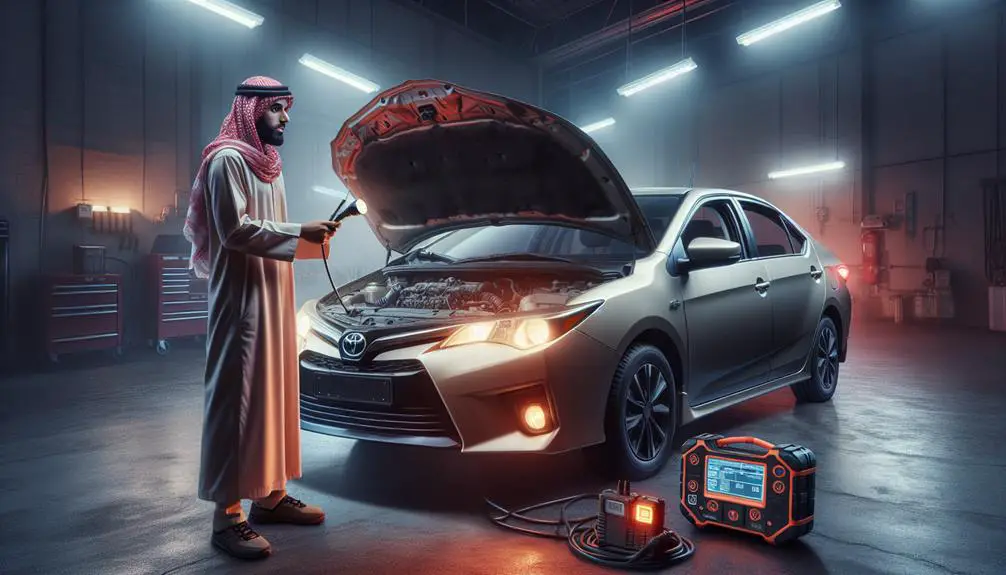
How to Turn off Check Engine Light Toyota Corolla


To turn off the Check Engine light on a Toyota Corolla, first diagnose the issue using an OBD-II scanner.

Address the problem identified, then reset the light by disconnecting the car battery for a few minutes or using the scanner.

Understanding the Check Engine Light

car diagnostics and repair

To turn off the Check Engine Light in your Toyota Corolla, first understand why it turns on. This light indicates a problem when it lights up or blinks on your dashboard. It's connected to the car's onboard diagnostics system (OBD-II), which checks the engine's performance and emissions.

Paying attention to this light is important because it warns you of potential engine issues, which can be minor or serious. Ignoring it can lead to more expensive repairs later.

The Check Engine Light is a warning, not a specific diagnosis. The OBD-II system in your Toyota Corolla can activate the light for many reasons, but it doesn't specify the problem. To identify the issue, you typically need a diagnostic scan tool to read the error codes from the car's computer.

Common Causes and Fixes

Understanding why the Check Engine Light comes on is key. Here are common reasons and solutions for a Toyota Corolla:

  1. Oxygen Sensor Failure: This sensor checks how much oxygen hasn't burned in the exhaust. If it's not working, your car uses more fuel and pollutes more. Replace the oxygen sensor if it's faulty. You can do it yourself with the right tools or get help from a professional if unsure.
  2. Loose or Faulty Gas Cap: A gas cap that's not tight or is broken can cause the Check Engine Light to turn on. The gas cap keeps the fuel system sealed and under the right pressure. Tighten it if it's loose. If it's broken, get a new one. It's cheap and easy to replace and can fix the light and make your car use fuel more efficiently.
  3. Catalytic Converter Failure: This part reduces pollution by turning harmful gases into less harmful ones. If it stops working, it harms the environment, and your car won't run as well or use fuel efficiently. You need a professional to replace it. Not fixing it can lead to bigger issues, like failing an emissions test or worse performance and fuel use.

Fixing these issues quickly can help turn off the Check Engine Light and keep your Toyota Corolla running well.

DIY Diagnostic Tools

helpful home auto repairs

To fix the Check Engine Light on your Toyota Corolla by yourself, use a DIY tool called an OBD-II scanner. This tool connects to your car's diagnostics port and reads codes that show what's wrong. These scanners range from basic to advanced, but a simple one is usually enough for most Corolla owners. This saves money and avoids unnecessary mechanic visits for small issues.

To use it, find the OBD-II port under the dashboard near the steering wheel. Plug in the scanner, turn the car's ignition to 'On' without starting the engine, and follow the scanner's instructions to get the codes.

After getting the codes, search them online or in the manual to understand the problem. Some issues like loose gas caps or faulty sensors can be fixed by yourself. For complicated problems, it's better to see a professional.

Resetting the Light Step-by-Step

To reset the Check Engine Light on your Toyota Corolla, follow these steps:

  1. Turn Off the Car
  • First, ensure your Corolla is off. This is important for the reset to work.
  1. Find the Diagnostic Link Connector (DLC)
  • Look for the DLC under the driver's side dashboard, near the steering column. You don't need any tools for a manual reset.
  1. Disconnect and Reconnect the Battery
  • With the car off, open the hood and find the battery. Use a wrench to remove the negative battery cable. Wait about 15 minutes for the car's computer to reset. Then, reconnect the negative battery cable. This should turn off the Check Engine Light. If the light comes back on, your car might still have a problem.

When to Seek Professional Help

seek help when necessary

If the Check Engine Light keeps coming on after you try to reset it, it means there's a serious problem with your Toyota Corolla that needs expert help. Ignoring it can cause bigger and more expensive issues later.

If the light doesn't go off after you follow the correct steps to reset it, or if it goes off but then comes back on, you need to contact a professional. This could mean there are big problems, like with the emission control systems or the engine.

If your car is making strange noises, uses more fuel than usual, stalls, or idles roughly along with the Check Engine Light, it's important to get it checked right away. These signs mean the problem is serious and could be unsafe.

If you just had your Corolla fixed and the Check Engine Light is still on, the repair mightn't have been done right, or there might be a new problem. You should go back to the mechanic or get a second opinion.

Conclusion

Fixing the check engine light on your Toyota Corolla isn't too hard. You can figure out why it's on and even fix it yourself with some tools. Just follow the steps to turn the light off.

But, if it seems too tricky, it's okay to ask a car expert for help. Whether it's an easy fix or something bigger, solving the problem helps keep your car running well.

So, don't ignore the light. Fix it and keep enjoying your drives.

Can I Add Blue Link To My Hyundai


Yes, you can add Blue Link to your Hyundai if it is compatible with the system.

This involves checking your vehicle's compatibility, setting up the system through a step-by-step process, exploring its key features, and choosing a subscription plan.

Additionally, being prepared to troubleshoot common issues is crucial for a smooth experience.

Understanding Blue Link Compatibility

blue link system details

To add Blue Link to your Hyundai, first make sure your car can use it. Not all Hyundais can. Most models made after 2012 can use Blue Link. Check your car's year, trim, and what packages it came with when you bought it. Some cars might need an upgrade.

Go to Hyundai's website or contact a dealership to see if your car is compatible. They'll ask for your VIN (Vehicle Identification Number) to check. If your car can use Blue Link, you can start setting it up.

Step-by-Step Setup Guide

To set up Blue Link for your Hyundai, follow these steps:

  1. Go to the MyHyundai website and create an account. You'll need your car's VIN to sign up.
  2. Log in, choose a Blue Link subscription that suits you, and enter your car's VIN to connect it to your account.
  3. Download the Blue Link app on your smartphone from the App Store or Google Play, log in with your MyHyundai details, and your car should appear in the app.

Key Features and Benefits

highlighting key product features

Blue Link is a system for Hyundai cars that offers several helpful features. It makes driving safer, easier, and more enjoyable. Here are three main features:

  1. Remote Access: You can control your car from your smartphone. This means you can start the car, adjust the temperature, and lock or unlock the doors from anywhere. This is useful in very hot or cold weather to make the car comfortable before you get in.
  2. Vehicle Safeguards: Blue Link has safety features like automatic calls for help if there's a car accident. This helps keep you and your family safe.
  3. Maintenance Alerts: The system sends reminders and alerts about your car's condition to your phone. This helps prevent unexpected car problems and keeps your Hyundai running well.

Subscription Plans and Costs

To use all of Blue Link's features, you need to pick a subscription plan. Hyundai has different plans for different budgets. Here's a quick overview of the plans and their costs:

  • Connected Care: 1 Year, Free
  • Remote: 3 Years, $99/year
  • Guidance: 3 Years, $99/year
  • Remote + Guidance: 3 Years, $149/year
  • Ultimate Package: 3 Years, $199/year

Each plan offers different services, from basic alerts to advanced navigation and remote control. The right plan for you depends on your needs and how you plan to use Blue Link. Choosing the best subscription can improve your driving experience by keeping you connected and in control.

Troubleshooting Common Issues

identifying and resolving problems

Despite Blue Link's advanced features, you may face some issues. Here are solutions to common problems:

  1. Connectivity Problems: Ensure your vehicle is in a place with good cell service. If you're still having trouble, restart your smartphone and the vehicle's infotainment system.
  2. Subscription Errors: Check your account status on the Blue Link website or app if features aren't working after a subscription change. There may be a delay or a payment issue.
  3. App Glitches: If the Blue Link app isn't working well, update or reinstall it. This can fix many problems and give you the latest features.

These steps can help fix common Blue Link issues, improving your experience.

Conclusion

You're ready to make your Hyundai better with Blue Link. This guide shows you how easy it's to start using it.

Blue Link has many cool features like starting your car from far away and getting help in emergencies. It's important to pick the right plan so you can use all the features.

If you have any problems, fixing them should be easy. Now, your car is smarter and safer.

Welcome to a better way to drive!

Best Brake Pads and Rotors for Hyundai Sonata


The best brake pads and rotors for Hyundai Sonata are crucial for enhancing safety and performance.

This guide will help you navigate the options to find a balance of quality, longevity, and budget, ensuring your Sonata is equipped for optimal driving.

Understanding Brake Components

brake parts explained simply

To guarantee your Hyundai Sonata stops effectively, it's important to comprehend the roles of brake pads and rotors in the braking system. Basically, these components are the heart of your car's ability to come to a halt. Let's break down their functions to understand their importance better.

Brake pads are the friction providers; they press against the rotors, creating the necessary resistance to slow down or stop your vehicle. They're typically made from a blend of metal shavings, ceramic, and other durable materials designed to withstand high temperatures and pressures. Over time, they wear down because of the friction generated during braking, which means they'll need to be replaced periodically to maintain best performance.

Rotors, on the other hand, are the large metal discs that the brake pads clamp down on. When you press the brake pedal, hydraulic fluid forces the brake pads against the rotors, slowing down your Sonata. The rotors must be smooth and evenly thick to operate correctly. If they're worn down, warped, or damaged, they can cause braking to be less effective or even lead to a pulsating feeling in the brake pedal.

Understanding these components is important because it allows you to recognize when they might need attention. Hearing squealing noises, feeling vibrations when braking, or noticing it takes longer to stop than usual are signs it's time to inspect your brake pads and rotors. Keeping these parts in good condition not only ensures your safety but also prolongs the life of your Hyundai Sonata's braking system.

Top Brake Pads for Sonata

Now that you understand the importance of brake pads and rotors in your Hyundai Sonata's braking system, let's investigate the top brake pads that will guarantee your vehicle stops smoothly and reliably.

To start off, you've got ceramic brake pads. They're a top pick for many Sonata drivers because of their quiet operation and minimal dust production. You won't have to worry about that annoying squeal every time you hit the brakes, and your wheels will stay cleaner longer. Ceramic pads offer a longer lifespan compared to other materials, making them a cost-effective choice in the long run.

Then there are the semi-metallic brake pads. These are known for their exceptional stopping power, especially if you find yourself in a lot of stop-and-go traffic or driving in hilly areas. They're a bit noisier and dustier than ceramic pads, but if performance is your top priority, they're hard to beat.

You might also consider organic brake pads. They're made from a mix of fibers and fillers that create a softer brake pad. This means they're quieter and gentler on your Sonata's rotors. However, they tend to wear out faster than the other types, so they mightn't be the best option if you're looking for longevity.

Choosing the right brake pads depends on your driving habits and priorities. Whether you value durability, performance, or quiet operation, there's a brake pad type that fits your needs. Just remember, no matter which type you go for, quality is key to ensuring your Sonata stops safely every time.

Best Rotors for Hyundai Sonata

hyundai sonata rotor replacement

Just as crucial as selecting the right brake pads, finding the best rotors for your Hyundai Sonata improves its braking performance and safety. The market's flooded with options, but not all rotors are created equal. You're looking for durability, reliability, and compatibility with your Sonata's braking system.

Firstly, consider coated rotors. They're designed to resist rust and corrosion, extending the life of the rotor and ensuring it looks good for longer. Brands like Bosch and ACDelco offer high-quality coated rotors that fit perfectly with your Sonata. They provide excellent performance without emptying your wallet.

For those of you who push your Sonata a bit harder, perhaps enjoying spirited drives on the weekend, slotted or drilled rotors might be up your alley. These rotors are engineered for better heat dissipation, allowing them to perform under intense braking conditions without warping or failing. Companies like EBC and Power Stop excel in this category, offering products that not only improve braking performance but also add a sporty aesthetic to your vehicle.

It's also worth mentioning the importance of choosing rotors that are specific to your Sonata's year and model. Compatibility is key to ensuring the best braking performance and safety. Don't just go for any rotor; make sure it's designed to work seamlessly with your car's specifications.

Lastly, don't underestimate the value of customer reviews and professional recommendations. They can provide insight into how the rotors perform in real-world conditions, helping you make an informed decision.

Installation Tips and Tricks

After selecting the best rotors for your Hyundai Sonata, it's time to focus on installing them correctly to make sure top performance. Proper installation not only guarantees top braking but also extends the lifespan of your brake pads and rotors. Here are some tips and tricks to guide you through the process.

First, make sure you've got all the necessary tools on hand. This includes a jack, lug wrench, socket set, and torque wrench. Safety is paramount, so never forget to wear protective gear like gloves and safety glasses.

Before you get started with the installation, it's important to understand the specifics of your Hyundai Sonata. Each model year might have slight variations in brake components, so refer to your vehicle's manual for any specific requirements.

Step Tip
1. Preparation Securely lift your car and remove the wheel.
2. Removal Take off the caliper and the old rotor. Be careful not to damage the brake line.
3. Installation Align the new rotor and reinstall the caliper.
4. Final Checks Make sure everything is tightened to the vehicle manufacturer's specifications.

After installing the new rotors, don't rush to put your Sonata through its paces. It's advisable to break in the new components gently. Start with some light braking at moderate speeds, gradually increasing over time. This process helps in setting the pads and rotors for top performance and longevity.

Maintenance and Longevity Tips

maintenance for long lasting performance

To extend the lifespan of your Hyundai Sonata's brake pads and rotors, regular maintenance is crucial. It's not just about making sure your car stops effectively; it's also about saving you money in the long run by avoiding premature replacements. Here's how you can keep them in top shape.

First, make it a habit to check your brake pads and rotors for wear and tear regularly. You're looking for signs of uneven wear, deep grooves, or any damage. If you catch these issues early, you can address them before they lead to bigger, more expensive problems.

You should also pay attention to how you drive. Avoid hard stops unless it's an emergency. Hard braking puts a lot of stress on your brake pads and rotors, causing them to wear down faster. Instead, practice smooth, gradual braking. It'll make a significant difference in extending the life of your brake components.

Keeping your brake fluid in check is another important step. Over time, brake fluid can become contaminated, leading to reduced braking efficiency and potentially damaging your brake system components. Make sure to replace it as recommended by your Hyundai Sonata's manufacturer.

Lastly, make sure your vehicle's tires are always properly inflated and aligned. Believe it or not, improper tire pressure and alignment can put additional strain on your braking system, leading to premature wear.

Conclusion

You've now got the lowdown on the best brake pads and rotors for your Hyundai Sonata. By choosing high-quality components and following our installation tips, you're all set for a smoother, safer ride.

Remember, keeping up with maintenance guarantees your brakes last longer and perform better. So, don't skimp on regular check-ups.

With the right care and quality parts, you're not just upgrading your car; you're investing in peace of mind on every trip.

How to Change Hyundai Elantra Brake Light 2017


Accessing the trunk is the first step in changing the brake light on a 2017 Hyundai Elantra. This allows you to reach the light assembly efficiently and safely. Once you have accessed the trunk, you can then proceed to replace the brake light bulb. Ensuring that your brake lights are functioning properly is essential for maintaining safety on the road.

It is important to follow the manufacturer's instructions carefully when changing the brake light on your Hyundai Elantra. This will help you complete the task correctly and avoid any potential issues with the new bulb. Remember to test the new brake light after installation to confirm that it is working correctly before closing the trunk.

Gather Your Tools

prepare for success ahead

Before tackling the brake light change on your 2017 Hyundai Elantra, you'll need to gather a few critical tools. Don't worry, you won't need a garage full of mechanic's gear, but having the right items on hand will make the process smoother and quicker.

To start off, you'll need a Phillips screwdriver. This common tool is vital for removing the screws that hold the brake light housing in place. Make sure it's in good condition to avoid stripping the screws. Next, grab a flathead screwdriver. You'll use this to gently pry open the housing if it's a bit stubborn after unscrewing. Be gentle to avoid damaging the plastic.

You're going to need a new brake light bulb. Make it's the correct type for your 2017 Elantra; the manual or a quick online search should tell you what you need. It's a good idea to buy a couple, just in case one breaks or you find another light out.

Lastly, consider having some gloves handy. They'll keep your hands clean and protect the new bulb from oils on your skin, which can shorten its lifespan. And while not a tool, good lighting can't be overstated. Whether it's a garage light or a portable lamp, you'll want to see what you're doing to avoid any mishaps.

With these items ready, you're all set to start the replacement process. Remember, preparation is key to a smooth and successful change.

Accessing the Trunk

To access the trunk of your 2017 Hyundai Elantra, initially make sure the vehicle is parked on a flat, stable surface and the engine is turned off. This guarantees your safety and the vehicle's stability while you're working.

Changing a brake light might seem intimidating, but with the right approach, it's quite simple. The initial step is getting into the trunk, where the magic happens.

Here's how you can smoothly access the trunk:

  1. Locate the Trunk Release Button: Inside your Elantra, you'll find the trunk release button usually positioned near the driver's seat, often on the floor to the left or on the lower dashboard. Pressing this button will release the trunk, allowing you to proceed.
  2. Use Your Key Fob: If for some reason, the interior button isn't an option, your key fob is your next best friend. There's a trunk release button on it. A long press should open the trunk without much difficulty.
  3. Manual Key Access: In the rare case that the electronic options aren't working, you can always rely on the traditional way. Your Elantra's key set includes a physical key that fits into the trunk lock. Insert it, turn, and you've got access.

Removing the Light Assembly

detaching the car s headlight

Once you've accessed the trunk, you'll need to remove the light assembly to change the brake light. This might seem challenging at first, but with a bit of patience, you'll get through it without a hitch. Initially, you'll spot several fasteners, typically plastic nuts or screws, securing the brake light assembly to the car's body. You'll find these on the inside of the trunk, right behind the brake light itself.

To start, grab a suitable tool, like a wrench or a screwdriver, depending on the type of fasteners your Elantra uses. You're going to loosen and remove these fasteners. It's important you keep these safe as you'll need them to reattach the light assembly later.

Next, gently pull the light assembly away from the car's exterior. You might feel a bit of resistance here since there are often clips or pins holding it in place along with the fasteners you've already removed. It's important that you use gentle, but firm pressure to avoid breaking these clips.

Once you've successfully detached the assembly, carefully guide the entire unit out of its position. Be mindful of any wiring connected to the assembly. You don't want to tug or pull on these wires forcefully. In some models, you'll need to disconnect the wiring harness to completely free the light assembly. This usually involves pressing down on a tab to release the connector.

And there you have it — you've successfully removed the light assembly from your Hyundai Elantra, making it ready for the next step.

Replacing the Bulb

With the light assembly removed, it's time to focus on replacing the brake light bulb in your Hyundai Elantra. This process is relatively simple and requires only a few steps to make sure your brake lights function correctly, guaranteeing your safety and compliance with road regulations.

Initially, you'll need to identify the correct replacement bulb for your 2017 Hyundai Elantra. The vehicle manual should list the specific type, or you can check with a trusted auto parts retailer to get the exact match. Once you have the correct bulb, follow these steps to install it:

  1. Remove the Old Bulb: Gently twist the bulb socket counterclockwise to free it from the light assembly. Pull the socket out slightly and press down on the bulb, turning it counterclockwise to release it. Carefully remove the old bulb from the socket. It's vital not to force it, as this could damage the socket or assembly.
  2. Insert the New Bulb: Take your new brake light bulb and insert it into the socket. You'll want to avoid touching the glass part of the bulb with your fingers, as oils from your skin can shorten the bulb's lifespan. Push the bulb into the socket and twist it clockwise until it's securely fastened.
  3. Reattach the Bulb Socket: After the new bulb is in place, align the socket with the opening in the light assembly. Insert it and twist clockwise until it locks into place. Make sure it's snug and properly aligned to prevent any issues with the light's operation.

With the new bulb installed, you've successfully replaced your Hyundai Elantra's brake light bulb. This straightforward task can save you a trip to the mechanic and keep your vehicle safe on the road.

Testing the New Light

exploring improved illumination options

After installing the new brake light bulb, it's crucial to test it to make sure it's working properly. This step guarantees your safety and that of other drivers, as a functional brake light signals your intentions on the road. Here's how to do it effectively.

Initially, you'll need a friend or a reflective surface. If you've got someone to help, ask them to stand behind your Hyundai Elantra while you press the brake pedal. If you're alone, park your car facing a reflective surface, like a large window or a garage door, so you can see the reflection of your brake light when you press the pedal.

Next, turn the ignition to the 'ON' position, but you don't need to start the engine. Press the brake pedal down and hold it. Your helper should confirm if the new brake light illuminates. If you're using a reflective surface, you should be able to see the light yourself.

If the light doesn't turn on, don't panic. Initially, check to make sure the bulb is properly installed and that it's the correct type for your Elantra. Additionally, double-check the fuse related to the brake lights. It might've blown and needs replacing.

Once you've confirmed the light works, you can breathe a sigh of relief. You've successfully changed your brake light bulb, ensuring your Elantra is safe and compliant with road safety regulations. Remember, regular checks on your vehicle's lighting are crucial, so make this a part of your routine car maintenance.

Conclusion

You've just learned how to successfully change the brake light on your 2017 Hyundai Elantra. By gathering the right tools, accessing the trunk, removing the light assembly, and replacing the bulb, you've tackled the task with ease.

Now that you've tested the new light to make sure it's working perfectly, you can drive safely knowing your brake light is fully functional. Remember, maintaining your vehicle's lights is important for your safety and those on the road with you.

10 Surprising Hyundai Statistics


Hyundai's remarkable journey in the automotive industry is highlighted by its global sales achievements, impactful entry into the electric vehicle market, record-breaking profits, substantial investments in R&D, and philanthropic initiatives.

These aspects showcase the company's ambitious strategy beyond just manufacturing reliable cars.

Global Sales Milestones

reaching international sales goals

Hyundai has become a leading car manufacturer, achieving significant sales milestones over the years. Starting from the early 2000s, Hyundai set and met ambitious sales goals, showing a strong growth in the global car market.

By the mid-2010s, Hyundai had sold millions of vehicles worldwide, becoming one of the top car manufacturers. This success isn't just about the number of cars sold; it also reflects Hyundai's commitment to quality, innovation, and value.

Hyundai's cars are known for their reliability and affordability, making them popular among various customers, including families and commuters. Hyundai aims to not only sell cars but also to offer quality and innovative vehicles that meet customer expectations.

Electric Vehicle Expansion

Hyundai is expanding its electric vehicle (EV) lineup to meet the demand for sustainable transportation. More Hyundai EVs are being seen on the roads. Hyundai is fully committed to creating eco-friendly and innovative vehicles.

Here are the main points about Hyundai's electric vehicle expansion:

  • They're introducing a wide range of EV models to meet different preferences and needs.
  • Hyundai EVs feature the latest technology for safer and more enjoyable driving.
  • The company aims to be sustainable and reduce global carbon emissions through its EVs.
  • Hyundai is building a global network of charging stations to support electric vehicle use.

Hyundai's focus on electric vehicles aims to change how we think about transportation and the environment.

Record-Breaking Profits

company reports unprecedented earnings

Hyundai has made a lot of money because they started making electric cars. This shows that making cars that are good for the environment can also be good for making money. Hyundai's electric cars are selling well and making more profit than before. This is good news for people who own Hyundai shares and for customers who want more environmentally friendly cars.

Hyundai's success shows that companies can do well financially by focusing on sustainability. They plan to keep making better eco-friendly cars.

R&D Investment Figures

Hyundai is increasing its investment in research and development (R&D) to stay ahead in the electric vehicle market. This investment is important for leading in the future of mobility as the automotive industry shifts towards electric vehicles (EVs).

Here are the key points about Hyundai's R&D investment:

  • Hyundai is significantly raising its R&D budget to innovate more than its competitors.
  • A large part of their investment goes into developing sustainable technologies, showing their focus on environmentally friendly solutions.
  • They're investing in advanced research labs worldwide to lead in automotive advancements.
  • Hyundai is also investing in partnerships with tech companies and startups for collaborative innovations.

Hyundai's increased R&D investment shows their commitment to leading in the automotive industry's evolution.

Employee Growth Rate

employee development and progress

Hyundai is focused on innovation and has significantly increased its number of employees to achieve its goals. This increase isn't just for production but also to add new skills like IT, artificial intelligence, and sustainability to support new projects like electric and autonomous vehicles.

This growth shows Hyundai's commitment to the future and its role in creating jobs and leading in the automotive industry. Hyundai's team is growing to meet future challenges as it continues to introduce new vehicles.

Sustainability Achievements

Hyundai is working on sustainability by using green technology and methods. They aim to lessen their environmental impact. Here are their main actions:

  • Hyundai has introduced hybrid, electric, and hydrogen fuel cell vehicles to reduce pollution.
  • The company uses solar power at some facilities to decrease dependence on fossil fuels.
  • Hyundai recycles old car parts and uses recycled materials in new cars to reduce waste.
  • They're reducing water use in their manufacturing to save water.

Hyundai's efforts in sustainability show their commitment to protecting the environment and leading the automotive industry in green practices.

Market Share Insights

market analysis and trends

Hyundai's market share is vital for understanding its position in the global car market. The company has managed to secure a significant spot despite tough competition. Hyundai has increased its market share by diversifying its products and investing in technology. This strategy, along with understanding customer needs and providing quality vehicles at competitive prices, has been effective.

Additionally, Hyundai's marketing efforts and sponsorships have helped raise its profile, attracting more customers. The company's focus on innovation and excellence has made it a preferred choice for many. Overall, Hyundai's market share growth highlights its successful strategies and ability to compete in the automotive industry.

Hybrid Model Success

Hybrid cars are important for Hyundai, providing efficient and eco-friendly options. More Hyundai hybrids are seen on the roads because they're beneficial for both the environment and the owner's budget. Here are the reasons:

  • Fuel Efficiency: Hyundai hybrids use less fuel, saving money on gas.
  • Tax Incentives: Owners of hybrid vehicles often receive tax benefits, making these cars more financially appealing.
  • Advanced Technology: Hyundai invests in new technologies for their hybrids, offering a better driving experience.
  • Eco-friendly: Hybrids reduce carbon emissions, appealing to those who want to minimize environmental impact.

Hyundai designs its hybrid models to be efficient, affordable, and eco-friendly.

Award-Winning Designs

captivating innovative and creative

Hyundai has won many awards for their innovative car designs. Their cars are known for being stylish and well-engineered, focusing on both looks and how the car functions. This has made Hyundai stand out for their forward-thinking in car design.

As someone interested in cars, you'd notice that Hyundai models aren't only good-looking but also lead in automotive design advancements. Their global recognition comes from winning awards from well-known organizations, showing their commitment to quality and innovation. These awards show Hyundai's success in meeting customer needs by using the latest technology and sustainable methods in their car designs.

Philanthropic Contributions

Hyundai is dedicated to helping society not only through innovative car designs but also by donating to various causes worldwide. They aim to contribute positively to society. Here are some ways Hyundai is making a difference:

  • Disaster Relief: Hyundai provides aid after natural disasters. They donate money, vehicles, and resources to help communities rebuild.
  • Medical Research: Hyundai funds medical research, especially in pediatric cancer. Their Hope On Wheels program has given over $160 million to support research and help affected families.
  • Education: Hyundai supports education by creating scholarships and programs, especially in underserved communities, to improve access to quality education.
  • Sustainability: Hyundai invests in projects to protect the environment. This includes funding clean energy and efforts to reduce carbon emissions in their operations.

Hyundai is committed to improving the world not just through their products but also through direct, impactful actions.

Conclusion

Hyundai is doing great things in the car world. They're selling lots of cars all over the world and are working hard on making electric cars. They're also making a lot of money. Hyundai spends a lot of money to come up with new ideas and they've more and more people working for them.

They're doing really well in the car market and their hybrid cars are very popular. Hyundai's cars win awards for their designs and the company also gives money to help others. Hyundai isn't just making cars; they're working to make the future better for everyone.