Recent Posts

Do Cars Still Use Distributors


No, most modern cars do not use distributors anymore.

In the vast ocean of automotive technology, the distributor once served as an important lighthouse, guiding the spark to each engine cylinder's shores. Now, you might wonder if this light of ignition still plays a role in the modern vehicular landscape or if it's been overshadowed by the advancements in electronic systems.

As we navigate through the evolution from mechanical to electronic ignition, you'll reveal how this shift has impacted not only performance but reliability and maintenance. Let's set sail on this voyage to uncover the current status of distributors and what the future holds for ignition technology.

The Role of Distributors

key players in distribution

In the complex ecosystem of a car's ignition system, the distributor plays a pivotal role in directing the electrical current from the ignition coil to the spark plugs in the correct sequence and at the right moment. Ensuring the distributor functions optimally requires regular maintenance and an understanding of ignition timing. Distributor maintenance is critical; neglect can lead to misfires, poor fuel economy, and reduced engine performance. You've got to keep an eye on the distributor cap and rotor for wear and corrosion, replacing them as necessary to maintain the integrity of the electrical signal.

Ignition timing, an important aspect of distributor management, involves adjusting the timing of the spark delivery to the engine's cylinders. This adjustment ensures that the spark occurs at the precise moment for optimal combustion of the air-fuel mixture. Getting the timing right improves power output, fuel efficiency, and the longevity of the engine. It's a delicate balance, as incorrect timing can cause engine knock or pinging, leading to severe engine damage. You'll find that maintaining the distributor and accurately setting the ignition timing are fundamental to the performance and reliability of your vehicle's engine.

Shift to Electronic Ignition

Shifting to electronic ignition systems marks a pivotal advancement in automotive technology, eliminating the need for mechanical distributors and enhancing engine efficiency, reliability, and performance. This transformation owes much to electronic advancements that have revolutionized how engines manage the spark timing critical for combustion. Unlike traditional systems that rely on a mechanical distributor, modern systems employ direct ignition or coil on plug technology, ensuring precise timing and a stronger spark directly at each cylinder.

Feature Mechanical Distributor Electronic Ignition
Timing Control Mechanically adjusted Electronically controlled
Spark Strength Variable, weaker over time Consistently strong
Maintenance Frequent adjustments required Minimal to none
Efficiency Less efficient due to timing inaccuracies High efficiency with precise timing

The core advantage of electronic ignition lies in its ability to dynamically adjust the spark timing with incredible precision. This not only lessen issues like pre-ignition and knocking but also optimizes fuel consumption. Moreover, the advent of coil on plug technology has greatly reduced the energy losses associated with transmitting high-voltage electrical currents over long distances, directly impacting the engine's overall performance and reliability.

Benefits of Modern Systems

benefits of modern technology

Modern systems greatly improve your vehicle's operational efficiency by utilizing advanced ignition technologies that guarantee best fuel utilization and engine performance. These sophisticated systems, unlike their distributor-based predecessors, precisely control the timing of the spark plug firing, ensuring that fuel combustion is optimized for each engine cycle. This precision directly translates to enhanced fuel efficiency, as the exact amount of fuel is combusted at precisely the right moment, reducing waste and maximizing power output.

Additionally, the shift to electronic ignition systems has substantially enhanced engine performance. These systems can adjust the ignition timing in real-time, responding to different operational conditions such as engine load, speed, and temperature. This adaptability ensures that the engine operates within its most favorable performance range, regardless of driving conditions. As a result, you'll experience smoother acceleration, better throttle response, and improved vehicle dynamics.

Moreover, these modern ignition systems contribute to reduced emissions. By optimizing fuel combustion, they ensure more complete burning of fuel, thereby reducing the release of unburned hydrocarbons into the atmosphere. This not only helps in improving air quality but aids in meeting increasingly stringent environmental regulations. Through these mechanisms, modern ignition technologies offer a substantial upgrade over traditional distributor systems in both fuel efficiency and engine performance.

Distributors in Classic Cars

Classic cars' distributors, integral to their ignition systems, serve as a sign of the engineering prowess of their era, meticulously managing the delivery of electrical current to the spark plugs. You'll find that these mechanical marvels, with their rotating cams and breaker points, showcase a level of craftsmanship that's less common in today's digital world. The precise timing and distribution of electrical charges they control are important for the optimum performance of classic engines, highlighting the sophistication behind older automotive technologies.

However, maintaining or restoring these complex components presents significant challenges. The mechanical parts within distributors, such as the rotor, the cap, and the points, are prone to wear and tear over time, necessitating careful attention and regular maintenance. Finding replacement parts that are authentic and in good condition can be a challenging task, often requiring extensive searches and potentially high costs. This restoration challenge, while burdensome, greatly enhances the collector value of classic cars. Enthusiasts and collectors appreciate the authenticity and operational integrity of a well-maintained distributor, viewing it as a reflection of the vehicle's historical accuracy and mechanical integrity.

Future of Ignition Technology

advancements in ignition systems

As the automotive industry progresses, ignition technology is set to undergo important transformations, leveraging advancements in electronics and material science to increase engine efficiency and reduce environmental impact. You're likely to witness the rise of wireless ignition systems, a groundbreaking shift from conventional methodologies. These systems, harnessing electromagnetic energy, promise to deliver precise timing and control over the ignition process, thereby optimizing combustion cycles. This leap not only improves fuel efficiency but also plays a vital role in minimizing emissions.

Moreover, spark plug advancements are on the horizon, incorporating novel materials and design improvements. You'll see spark plugs equipped with improved electrodes, capable of sustaining higher temperatures and pressures, thus greatly enhancing their lifespan and reliability. Such innovations are pivotal in achieving leaner combustion, reducing spark plug fouling, and ultimately, contributing to lower maintenance costs.

Collectively, these developments mark an important shift in ignition technology, steering the automotive industry towards a more efficient, environmentally friendly future. As you explore deeper into these advancements, it becomes clear that the domain of ignition technology is on the cusp of a revolution, promising to redefine the way vehicles harness and utilize power.

Conclusion

To sum up, while the automotive industry's shift to electronic ignition systems has largely rendered distributors obsolete in modern vehicles, they remain critical in the maintenance and restoration of classic cars. This change, driven by the pursuit of efficiency, reliability, and reduced emissions, showcases the industry's adaptive technological evolution.

However, the enduring presence of distributors in vintage automobiles underscores their historical significance. As ignition technology advances, future developments must balance innovation with compatibility, ensuring that classic models continue to ignite enthusiasts' passions.

How Much Does a Toyota Supra Cost?


How Much Does a Toyota Supra Cost

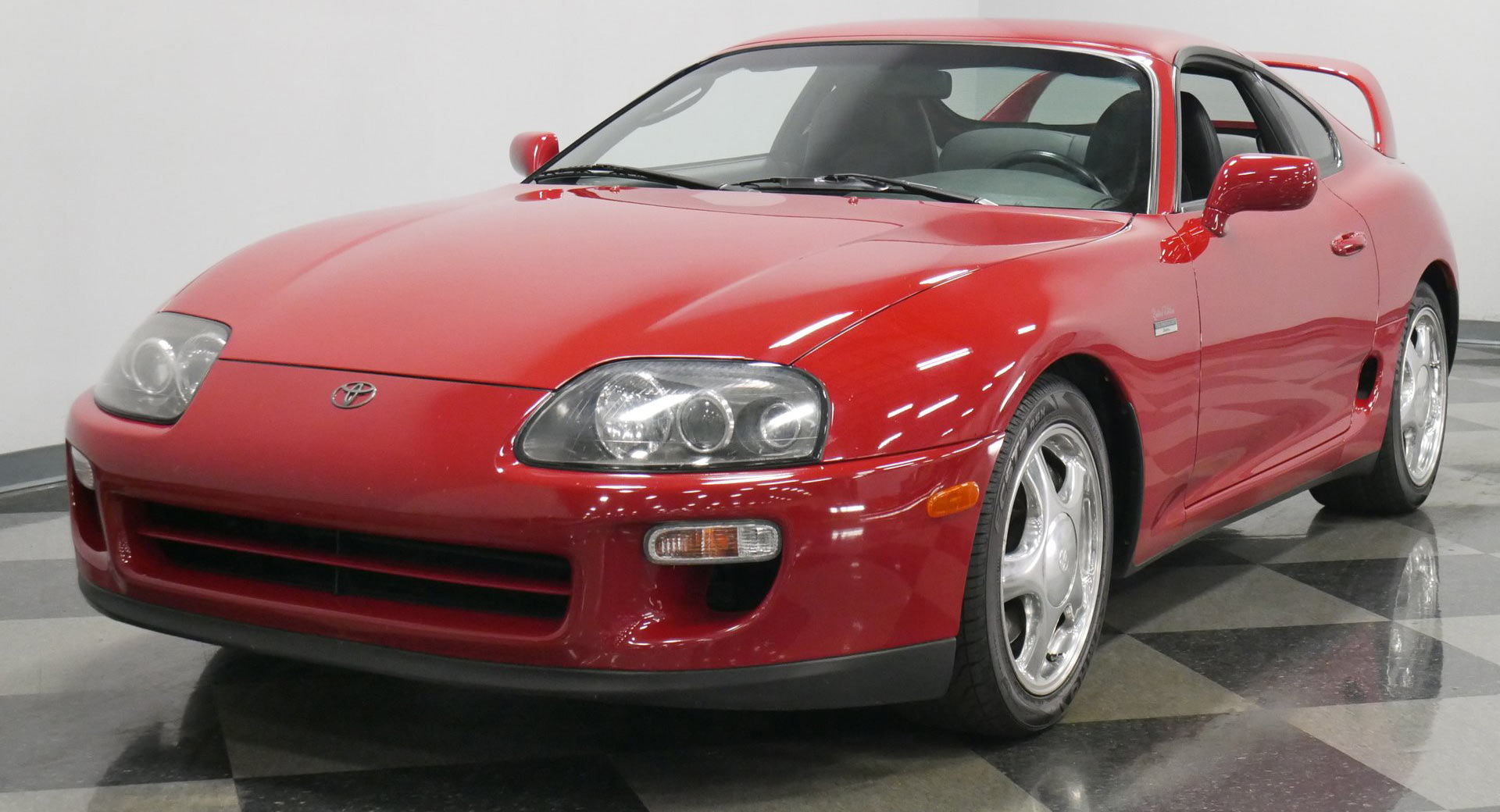
The Toyota Supra, a popular sports car known for its performance and sleek design, is a dream car for many auto enthusiasts. If you are considering purchasing a Toyota Supra, it is essential to know its cost to make an informed decision. In this article, we will explore the factors that contribute to the cost of a Toyota Supra and provide an estimate of its price range.

How Much Does a Toyota Supra Cost

Credit: www.carscoops.com

The Price Range of Toyota Supra

The price of a Toyota Supra can vary depending on various factors, including the trim level, additional features, and location. On average, a new Toyota Supra can cost anywhere from $50,000 to $60,000. However, it is important to note that these prices are subject to change, and you should check with your local Toyota dealership for the most accurate pricing information.

Factors Affecting the Cost of Toyota Supra

Several factors contribute to the overall cost of a Toyota Supra. Understanding these factors can help you determine the right model and features that suit your budget. Here are some factors that you should consider:

  • Trim Level: The Toyota Supra is available in different trim levels, such as the base model and premium model. Higher trim levels often come with more advanced features and a higher price tag.
  • Additional Features: Optional features and upgrades, such as advanced audio systems, leather seats, and performance enhancements, can increase the cost of the Supra.
  • Location: The cost of the Supra can vary based on your location and the local market conditions. Prices might be different in Austin, Texas compared to other states or countries.

Researching the Cost

When researching the cost of a Toyota Supra, it is important to consult reliable sources such as Kelley Blue Book and Edmunds. These websites provide valuable information about the pricing trends and average costs of different car models, including the Toyota Supra.

Kelley Blue Book rates the Toyota Supra with 3 out of 5 stars, while Edmunds gives it a rating of 7.6 out of 10. These ratings can help you evaluate the value for money proposition of the Supra.


Used Toyota Supra

If you are on a tighter budget or prefer buying a used vehicle, you can consider purchasing a pre-owned Toyota Supra. Used car prices can vary significantly depending on factors such as mileage, condition, and model year. It is recommended to check the local used car market to get an idea of the pricing for used Toyota Supras in your area.

How Much Does a Toyota Supra Cost

Credit: carbuzz.com

Frequently Asked Questions On How Much Does A Toyota Supra Cost

How Much Is A 1998 Supra?

The price of a 1998 Supra varies depending on its condition, mileage, and location. On average, you can expect to pay around $40,000 to $60,000 for a well-maintained 1998 Supra. Factors such as modifications and rare editions might affect the price.

It is recommended to check local listings and consult with a reputable dealership to get accurate pricing information.

Which Is The Cheapest Supra?

The cheapest Supra model is the base Supra 2. 0, with a starting price of around $43,000. It offers great value for money without compromising on performance and features. With its sleek design and powerful engine, the Supra 2. 0 delivers an exhilarating driving experience at an affordable price point.

How Much Do Supras Cost?

The cost of a Toyota Supra varies depending on the model year and condition. Prices typically range from $40,000 to $60,000.

Conclusion

The cost of a Toyota Supra can range from $50,000 to $60,000, depending on various factors such as trim level, additional features, and location. It is important to do thorough research and consult reliable sources to get the most accurate pricing information. Whether you choose to buy a new or used Toyota Supra, ensure that it aligns with your budget and preferences.

How to Change Toyota Corolla Cabin Air Filter


Changing the cabin air filter in a Toyota Corolla is not as difficult as some suggest.

With correct instructions, locating and replacing the filter is a straightforward DIY task, allowing you to maintain clean and fresh air in your car.

Locating the Cabin Air Filter

The cabin air filter in a Toyota Corolla is usually behind the glove box. It filters air in the car, removing pollen, dust, and other pollutants. The exact location of the cabin air filter can change depending on the Corolla model year, but it's often in a compartment behind the glove box, sometimes closer to the center console. This makes it easy to access and check the filter yourself.

The cabin air filter is important because it stops airborne contaminants from entering the car. If the filter gets clogged with leaves, debris, or bugs, it can make the car's HVAC system less effective and lower the air quality inside the car.

Knowing where the cabin air filter is helps you keep the air clean in your car. Replacing the filter when needed can improve your driving experience by ensuring the air you breathe while driving is clean. It's important for both comfort and health to maintain this filter.

Preparing to Replace the Filter

Before you start replacing the cabin air filter in your Toyota Corolla, gather the necessary tools and park the car on a flat surface. Make sure the car is off and cool. Here's a list of what you need:

  • New cabin air filter: Check it's the right one for your car.
  • Gloves: To protect your hands.
  • Flashlight: To see inside the filter area.
  • Flathead screwdriver or trim removal tool: To open the filter compartment.
  • Owner's manual: For specific instructions.

Prepare these items and a clean workspace before starting. Read your owner's manual or a guide to understand the steps. This preparation helps the filter change go smoothly.

Removing the Old Filter

updating air conditioning filter

Prepare your tools and workspace. To remove the cabin air filter from your Toyota Corolla, find the filter's location. It's usually behind the glove box or under the dashboard on the passenger side. Check your vehicle's manual for the exact location and instructions.

Open the glove box or panel to access the filter. If there's a clip or screw, use the right tool to remove it carefully. Press the stops on the glove box sides to lower it and reveal the filter housing.

Locate the filter housing cover, held by tabs or clips. Press or squeeze these to remove the cover. Note the old filter's orientation for later.

Pull out the old filter carefully, watching for debris. Clean the filter housing with a damp cloth.

You have now removed the old cabin air filter from your Toyota Corolla.

Installing the New Filter

After removing the old cabin air filter, install the new one ensuring it fits well in the housing. Check the airflow arrows on the filter to match your car's airflow direction, usually pointing down. Confirm this with your vehicle's manual.

Insert the new filter gently into the housing without damaging it. Make sure it fits well without any gaps. If it doesn't fit, verify you have the right size and orientation.

Quick tips for installation:

  • Align the filter's arrows with your car's airflow direction.
  • Insert the filter gently.
  • Ensure there are no gaps after installation.
  • Dispose of the old filter as per local waste management guidelines.
  • Congratulate yourself for maintaining your vehicle.

Final Checks and Tips

final preparations for success

After installing a new cabin air filter, make sure everything is put back correctly. Check each part to ensure it's secure. This helps the filter last longer and keeps your car's air systems working well.

Test the system by turning on the car and using the air conditioning or heating to check the air flow. If the air flow is weak or you hear strange noises, the filter mightn't be in right or another part could be out of place. If so, open it up and check again.

Remember when you changed the filter. Writing down the date or setting a reminder for the next change is useful. You should replace the cabin air filter every 15,000 to 20,000 miles, but check your car's manual to be sure.

If you drive in places with a lot of pollution or dust, you might need to change the filter more often. Watching the filter's condition can protect you from bad air and keep your car's air system working well.

Conclusion

Now you've found, taken out, and put in a new air filter in your Toyota Corolla.

It's very important to keep checking and changing your filter often so the air inside your car stays clean and your car works well.

Make sure to throw away the old filter the right way and write down when you changed it so you can remember for next time.

By doing these easy steps, you'll make sure the air inside your car is nice and clean, making your drives enjoyable and fresh.

U1000 2006 Nissan Altima Sedan Meaning, Symptoms, Causes and How to Fix


The U1000 2006 Nissan Altima Sedan stands as a testament to Nissan’s commitment to innovation and reliability. Launched in the early 2000s, this model quickly became a favorite among drivers looking for a blend of style, performance, and comfort.

However, like any vehicle, it has its quirks, including the notable U1000 code that often puzzles owners. This blog post dives into what makes the 2006 Nissan Altima Sedan a noteworthy choice for car enthusiasts and how to tackle common issues such as the U1000 code, ensuring your ride stays smooth and enjoyable.

Overview U1000 Code

Communication Failure

U1000 is known as a communication failure code. It signifies trouble within the vehicle’s Controller Area Network (CAN). This network lets various parts of the car talk to each other.

When this code appears, it means something is wrong with how the car’s control units communicate. Each unit can’t send or receive messages properly.

Error Impact

The U1000 code points to a general communication error among control units in the 2006 Nissan Altima. This problem can affect many parts of the car. For example, the engine, brakes, and lights might not work right because they’re not getting the correct information.

It’s crucial to address this issue quickly. Ignoring it could lead to system malfunctions. These problems might make the car unsafe or cause more damage.

Recognizing Symptoms of U1000

Dashboard Lights

Erratic behavior in your dashboard warning lights can be a telltale sign of the U1000 code. You might notice these lights flickering without reason or illuminating when there’s no apparent issue. This symptom alone can cause confusion, as it doesn’t point directly to a U1000 code.

The unpredictability of these lights may lead you to overlook deeper electrical problems within your 2006 Nissan Altima sedan. It’s essential to pay close attention and seek professional diagnostic testing if this occurs.

Power Loss

Experiencing sudden loss of power is another common symptom associated with the U1000 code. Your vehicle might struggle to accelerate or maintain speed, making driving feel unsafe or unreliable. In some cases, the engine might fail to start altogether, leaving you stranded and frustrated.

This dramatic symptom clearly indicates that something is amiss, but without proper testing, linking it directly to the U1000 code can be challenging.

Electronic Issues

Intermittent issues with vehicle electronics, such as the audio or navigation systems, are also linked to the U1000 code. These systems may stop working suddenly or function erratically, adding to the list of perplexing symptoms.

Since these problems can occur sporadically, they highlight the importance of not ignoring seemingly minor electronic glitches. They could be signs of a more significant underlying issue related to the U1000 code.

Identifying Causes of U1000

Wiring Issues

Damaged wiring harnesses are a common culprit behind the U1000 code in a 2006 Nissan Altima sedan. These harnesses carry signals between different parts of the car. If they’re damaged, signals get lost.

Corroded connector pins can also trigger this error. They disrupt the flow of information between systems. It’s like trying to talk on a phone with a bad connection.

Faulty Units

etimes, the problem comes from faulty control units themselves. These units are the brain behind each system in your car. If one is acting up, it might send out the U1000 code as a distress signal.

It’s tricky because so many different parts could be at fault. You might think it’s just one thing when it’s actually another.

Battery Voltage

Irregular battery voltage is another potential cause of U1000 codes. Your car needs steady power to keep everything running smoothly. If the voltage dips or spikes, it could throw off the entire system.

This issue ties back to battery health and electrical system integrity. Keeping these in check can help prevent such errors.

Step-by-Step Guide for Fixing U1000

Initial Checks

After identifying the causes of the U1000 code in your 2006 Nissan Altima sedan, start with some basic troubleshooting.

First, check for loose connections at both ends of the CAN (Controller Area Network) bus. These connections can sometimes come loose, causing communication issues between the car’s electronic control units (ECUs). Tighten any loose connectors you find.

Next, inspect all related wiring for visible damage. Look for cuts, wear, or corrosion on wires that could interrupt the CAN network’s operation. Repair or replace damaged wiring to ensure clear communication paths between ECUs.

Multimeter Testing

Using a multimeter is essential for diagnosing the U1000 error further.

Check continuity in the CAN network cables to ensure there are no breaks in the wire. A break would prevent ECUs from communicating properly. Then, measure the voltage in the CAN network to verify it falls within the expected range. Incorrect voltage can signal a deeper issue within the vehicle’s electrical system.

Software Update

etimes, fixing a U1000 error requires updating or reprogramming your Nissan Altima’s software.

Manufacturers often release software updates that fix bugs or improve vehicle performance, including communication errors like U1000. Contact your dealer to check for available updates. Reprogramming might resolve communication problems without needing more invasive repairs.

Common Troubleshooting Tips

Clear Codes

After addressing the steps in the step-by-step guide for fixing U1000 on your 2006 Nissan Altima Sedan, it’s crucial to clear the diagnostic trouble code from your vehicle’s system. Use a diagnostic scanner to erase the code. Then, take your car for a test drive. If the U1000 code reappears, this indicates a persistent issue that needs further attention.

Professionals recommend this method because it helps identify if the problem is ongoing. It ensures that your repair efforts have made an impact.

Consult Manual

Every car model has its unique quirks, and the 2006 Nissan Altima Sedan is no exception. For specific diagnostic procedures related to U1000, consulting the vehicle’s repair manual offers invaluable professional advice. These manuals provide detailed information on potential problems and their possible causes, tailored to your car.

They serve as an essential resource for both DIY enthusiasts and auto repair shops. They ensure that everyone speaks the same technical language when it comes to automotive repair.

Log Changes

Keeping a detailed log of any changes or repairs made to your vehicle can significantly aid in troubleshooting U1000 issues. Note down dates, descriptions of repairs or adjustments, and whether these actions influenced the U1000 code’s resolution.

This practice not only helps in identifying what works but also provides valuable information for experts if you need professional help. It fosters better communication between car owners and mechanics, ensuring efficient problem-solving.

Preventing Future U1000 Issues

Regular Maintenance

To keep the U1000 code at bay, it’s crucial to maintain your 2006 Nissan Altima sedan regularly. This includes paying close attention to the electrical system and ensuring the battery is in top shape.

Regular checks can spot issues early. It’s wise to focus on the engine control module and wiring harness. These parts are vital for smooth operation. A poor harness ground connection can trigger U1000 errors. Hence, checking these connections during maintenance is key.

Connector Care

Using dielectric grease on connectors helps a lot. It prevents corrosion, a common reason for communication failures between automotive devices. Apply it carefully to dedicated wires and modules connections.

This simple step can save you from headaches later. It keeps the body harness ground connection in good condition too.

Modding Wisely

Aftermarket modifications might look tempting but think twice. They can mess with your car’s CAN system, leading to communication errors like U1000.

Stick to parts approved by the manufacturer or those that don’t interfere with programmed information of individual users’ modules. This caution helps avoid unnecessary complications.

Importance of Professional Diagnosis

Qualified Technicians

Having a qualified technician look into the U1000 code on your 2006 Nissan Altima Sedan is crucial. These professionals have the training and tools needed to understand complex issues.

They can see problems that might not be obvious at first. This expertise means they can find and fix issues faster, saving you time and stress.

Advanced Tools

Professionals use advanced diagnostic tools. These aren’t your everyday car scanners. They dive deep into the car’s system to find exactly where communication breaks down.

This precision helps avoid guessing what’s wrong, which can get expensive and frustrating quickly.

Time and Money

Getting a professional diagnosis saves both time and money in the long run. Qualified technicians spot the real problem fast. This way, you don’t spend on parts or repairs you don’t need.

It’s a smart move to ensure your car gets the right fix from the start.

Closing Thoughts

Tackling the U1000 code in your 2006 Nissan Altima doesn’t have to be a nightmare. You’ve got the know-how on symptoms, causes, and fixes right here. Remember, this isn’t just about clearing a code; it’s about keeping your ride smooth and safe. From understanding what U1000 means to preventing it in the future, you’re now equipped with essential tips and steps. And don’t forget, sometimes it’s best to call in the pros for that peace of mind. Your car’s health is crucial, and so is your safety on the road. Ready to get your Nissan back in top shape? Roll up those sleeves or reach out to a trusted mechanic today. Let’s keep those wheels turning without a hitch.

Frequently Asked Questions

What does the U1000 code mean for a 2006 Nissan Altima Sedan?

The U1000 code indicates a communication issue within the vehicle’s network, where modules fail to share information effectively.

What are common symptoms of the U1000 code in a 2006 Nissan Altima?

Symptoms include the engine light turning on, reduced vehicle performance, and sometimes, the car not starting.

How can I identify what’s causing the U1000 code in my Nissan Altima?

Identifying causes involves checking the CAN (Controller Area Network) bus wiring and connections for faults or corrosion.

Can I fix a U1000 code issue by myself?

Yes, with basic automotive repair knowledge, you can follow a step-by-step guide to address U1000 issues. However, complex cases may require professional help.

What are some troubleshooting tips for a U1000 code?

Common tips include inspecting electrical connections for damage and ensuring all ground connections are secure.

How can I prevent future U1000 issues in my Nissan Altima?

Regular maintenance of your vehicle’s electrical system and promptly addressing any warning lights can help prevent future issues.

Why is it important to get a professional diagnosis for a U1000 code?

A professional diagnosis ensures accurate identification of the underlying issue, preventing unnecessary repairs and costs.

How Reliable is a Toyota Rav4


How Reliable is a Toyota RAV4: A Comprehensive Analysis

The Toyota RAV4 is one of the most popular compact SUVs on the market. But just how reliable is the Toyota RAV4? In this comprehensive analysis, we will evaluate the reliability of the Toyota RAV4 based on several key factors.


Reliability Ratings

When it comes to reliability, the Toyota RAV4 has a stellar track record. According to J.D. Power, the RAV4 consistently receives high scores for dependability. Additionally, Consumer Reports has consistently rated the RAV4 as one of the most reliable vehicles in its class.

How Reliable is a Toyota Rav4

Credit: www.motortrend.com

Long-Term Durability

The RAV4 is known for its long-term durability, with many owners reporting minimal issues even after several years of ownership. This is a testament to the quality of engineering and manufacturing that goes into each Toyota RAV4.

How Reliable is a Toyota Rav4

Credit: www.consumerreports.org

Owner Satisfaction

Owners of the Toyota RAV4 have expressed high levels of satisfaction with the reliability of their vehicles. The RAV4 has consistently received positive feedback from owners, with many citing its low maintenance costs and minimal unexpected repairs.

Resale Value

Another indicator of reliability is the resale value of a vehicle. The Toyota RAV4 tends to hold its value well over time, which is a strong indication of its overall reliability and desirability in the used car market.

Common Issues

Like any vehicle, the Toyota RAV4 is not without its common issues. Some owners have reported minor problems with the infotainment system, while others have noted occasional noisy cabin experiences. However, these issues are relatively minor and do not detract significantly from the overall reliability of the vehicle.

Warranty Coverage

Toyota offers an impressive warranty package for the RAV4, providing coverage for 3 years/36,000 miles for basic warranty and 5 years/60,000 miles for the powertrain. This warranty coverage adds an extra layer of confidence for RAV4 owners in terms of reliability and peace of mind.

Overall Verdict

In conclusion, the Toyota RAV4 has built a strong reputation for reliability. With high ratings from J.D. Power and Consumer Reports, long-term durability, high owner satisfaction, impressive resale value, and comprehensive warranty coverage, the RAV4 emerges as a highly reliable choice in the competitive compact SUV segment.

If you’re in the market for a dependable and long-lasting vehicle, the Toyota RAV4 is certainly a top contender.

Frequently Asked Questions On How Reliable Is A Toyota Rav4

Is The Toyota Rav4 A Reliable Car?

Yes, the Toyota Rav4 is widely recognized as a highly reliable car due to its solid build quality, advanced safety features, and long-lasting performance.

What Makes The Toyota Rav4 A Dependable Suv?

The Toyota Rav4’s dependability can be attributed to its robust engine, exceptional handling, extensive safety measures, and impressive fuel efficiency, making it a top choice for SUV enthusiasts.

How Does The Toyota Rav4 Perform In Terms Of Reliability?

The Toyota Rav4 has consistently shown outstanding reliability ratings, maintaining its value and delivering a smooth driving experience, making it a trusted option for those seeking a reliable and durable SUV.

How Many Seats in Toyota 4Runner


How Many Seats in Toyota 4Runner

The Toyota 4Runner is a popular SUV known for its rugged design and off-road capabilities. When it comes to seating capacity, the number of seats in a Toyota 4Runner can vary depending on the trim level and configuration.

Standard Seating Capacity

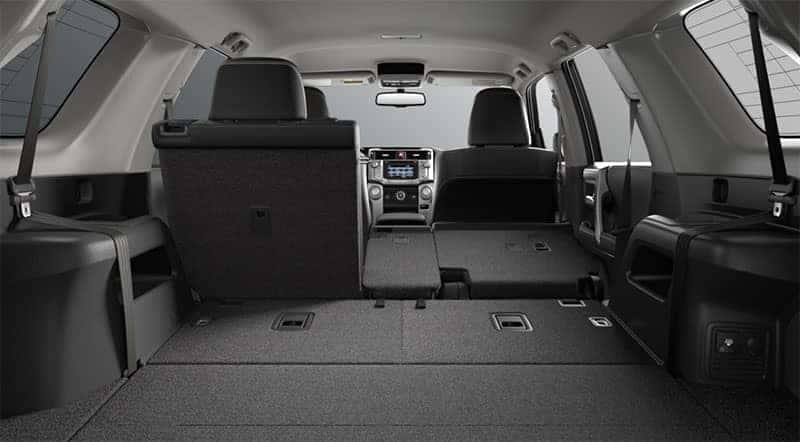
By default, the Toyota 4Runner comes with a two-row seating configuration, which offers seating for up to five passengers. This setup is ideal for small families or individuals who prioritize cargo space over passenger capacity.

Optional Third-Row Seating

If you require additional seating, the Toyota 4Runner does offer an optional third-row seating configuration. However, it’s important to note that this feature is not available on every trim level. To enjoy the third-row seating option, you’ll need to upgrade to a higher trim level.

Upgrading for Additional Seating

Upgrading to a trim level that includes third-row seating offers you the capability to accommodate up to seven passengers in your Toyota 4Runner. This is a great option for larger families or those who frequently transport a larger number of people.

How Many Seats in Toyota 4Runner

Credit: www.obrientoyota.com


Considerations

When deciding whether to opt for third-row seating in your Toyota 4Runner, it’s important to consider your specific needs and priorities. While the extra seating may be convenient for some, it does come at the expense of reduced cargo space. Additionally, if you don’t require the extra seating on a regular basis, it may not be worth the added cost.

How Many Seats in Toyota 4Runner

Credit: www.toyotaofgastonia.com

Frequently Asked Questions Of How Many Seats In Toyota 4runner

Does Toyota 4runner Have 7 Seats?

Yes, the Toyota 4Runner has the option for 7 seats, but it’s not available on every trim level. To have third-row seating, you would need to upgrade to a higher trim level. Please note that this may vary depending on the specific model and dealership.

When Did The 4runner Get A 3rd Row?

The Toyota 4Runner did not come with a 3rd row as a standard feature. However, if you want 3rd row seating, you can upgrade to a higher trim level that offers it. Keep in mind that not all trim levels have this option available.

Does 2023 4runner Have 3rd Row Seating?

Yes, the 2023 4Runner does offer 3rd row seating as an option on higher trim levels.

Conclusion

In summary, the Toyota 4Runner offers different seating configurations depending on the trim level. By default, it provides seating for up to five passengers with a two-row setup. However, if you need additional seating, you can upgrade to a higher trim level and enjoy the optional third-row seating, which accommodates up to seven passengers. Consider your specific needs and priorities when deciding on the seating capacity for your Toyota 4Runner.