Recent Posts

Do Cars Still Have Distributors


Yes, but very few. Nearly 80% of modern cars have abandoned the traditional distributor in favor of more sophisticated ignition systems.

You might wonder why this shift has occurred and whether any of today's vehicles still utilize this once-widespread component.

The evolution of ignition systems is an indication of advancing automotive technology, aiming to improve efficiency and performance.

However, the persistence of older models and certain enthusiast circles might suggest that distributors haven't entirely disappeared from the automotive landscape.

Let's examine what's driving the change and where, if at all, distributors fit into the current era of automobiles.

The Role of Distributors

key players in distribution

Serving as the heartbeat of traditional ignition systems, distributors play a critical role in directing electrical current from the ignition coil to the spark plugs in a precise, timed sequence. This process, known as spark timing, is indispensable for your car's engine to function efficiently. You must understand that the distributor's ability to time the spark correctly affects your vehicle's performance, fuel efficiency, and emissions. Therefore, maintaining the distributor isn't just about keeping your car running; it's about ensuring it runs optimally.

Distributor maintenance is a critical aspect you can't overlook. Over time, components like the distributor cap and rotor can wear out, leading to issues such as misfires or rough idling. Regular checks and timely replacement of these parts are essential to prevent such problems. Additionally, keeping an eye on the distributor's condition helps in diagnosing issues that might be affecting your car's performance. Remember, a well-maintained distributor ensures that spark timing is accurate, which in turn, keeps your engine running smoothly and efficiently.

Evolution of Ignition Systems

Appreciating the vital role of distributors sets the stage for valuing the advancements in ignition systems over the years. You've seen how distributors capably managed spark timing, ensuring that the spark plugs fire at just the right moment. However, as vehicles have evolved, so too has the technology underpinning their ignition systems. The quest for more efficient, powerful, and reliable engines has pushed the envelope of coil technology and spark timing precision.

In the past, a single coil would serve all spark plugs, necessitating the distributor's role in routing high voltage in sequence. Yet, the advent of coil-on-plug (COP) systems marked a significant leap. This approach assigns an individual coil to each spark plug, eliminating the need for a distributor. This evolution not only simplifies the system but improves spark timing accuracy. Precisely timed sparks translate to better fuel combustion, optimizing engine performance and efficiency.

Furthermore, advancements in electronic control units (ECUs) have enabled more precise management of ignition events. ECUs meticulously adjust spark timing in response to engine conditions, ensuring optimal performance across a wide range of operating conditions. This level of precision was unimaginable with mechanical distributors, showcasing how far ignition systems have come.

Modern Alternatives to Distributors

innovative distribution solutions available

In the world of automotive technology, modern alternatives to distributors have revolutionized how vehicles manage ignition, offering you unprecedented levels of efficiency and performance. Unlike the traditional distributor system, which mechanically distributes spark energy to the spark plugs, today's systems rely on advanced electronic control units (ECUs) and coil on plug (COP) technology to manage ignition timing with incredible precision.

ECUs and COP technology work hand in hand to make sure each spark plug receives its spark at the exact right moment, maximizing fuel efficiency and engine performance. This not only improves your car's drivability but also reduces emissions, making it a win-win for both you and the environment.

Here's a quick comparison to highlight the differences:

Feature Traditional Distributor Modern Alternatives
Ignition Timing Mechanically controlled Electronically controlled
Efficiency Lower because of mechanical losses Higher, thanks to precise control
Maintenance Requires regular adjustments Minimal maintenance required
Performance Limited by mechanical constraints Enhanced by direct control
Emission Control Less effective More effective because of precise timing

As you can see, the shift to electronic control units and coil on plug technology marks a significant leap forward in automotive ignition systems, offering you both performance and environmental benefits.

The Persistence of Older Models

Despite the advancement in ignition technologies, many drivers still hold onto older car models equipped with traditional distributors. This isn't just about nostalgia; it's also about the collector value these vehicles hold. Cars with distributors have become rarities, prized for their mechanical simplicity and the tactile connection they provide between the driver and the machine. You're not just owning a piece of automotive history; you're actively participating in it every time you turn the key.

However, maintaining these older models comes with its own set of challenges. Unlike their modern counterparts that rely on computerized systems, vehicles with distributors require a more hands-on approach to maintenance. You'll find yourself adjusting timing and replacing components like the cap, rotor, and spark plugs more frequently than in cars with electronic ignition systems. This isn't a task for the faint-hearted or those unwilling to get their hands dirty.

But for enthusiasts, these maintenance challenges aren't deterrents; they're part of the appeal. They offer an opportunity to deeply understand and connect with the inner workings of their cars, a sentiment that's becoming increasingly rare in an age dominated by digital interfaces and sealed engine compartments.

Future of Automotive Ignitions

advancements in automotive technology

Looking toward the future, automotive ignition systems are poised for significant transformations with the integration of more sophisticated technologies. Electronic control units (ECUs) and coil on plug technology are at the forefront of this evolution, fundamentally altering how engines ignite fuel.

ECUs have become the brain behind modern ignition systems, precisely controlling the timing and intensity of the spark. This precision guarantees ideal fuel combustion, enhancing engine performance and fuel efficiency. The shift toward ECUs allows for real-time adjustments based on engine conditions, guaranteeing a smoother and more responsive driving experience.

Coil on plug technology further refines ignition efficiency. By placing an individual ignition coil directly over each spark plug, it eliminates the need for traditional spark plug wires. This direct approach reduces energy loss, guaranteeing a more potent and reliable spark. The result is quicker engine starts, improved fuel economy, and lower emissions.

As you look ahead, it's clear that the future of automotive ignitions lies in these advanced technologies. They're not just improving engine performance and efficiency; they're setting the stage for the next generation of greener, more sustainable vehicles. Expect to see these systems become standard as the automotive industry continues to innovate and evolve.

Conclusion

Enhancing, while the era of distributors has largely ended, their legacy persists in the automotive world. Today's ignition systems, utilizing electronic controls and direct ignition technologies, offer superior performance and reliability.

However, older models with distributors remain on the roads, proof of the durability of past engineering. As we move forward, the future of automotive ignitions promises further advancements, integrating more sophisticated electronics to improve efficiency and reduce emissions, continuing the evolution from mechanical to fully digital solutions.

How to Replace Toyota Corolla Door Handle Exterior


To replace a Toyota Corolla exterior door handle:

  • Gather necessary tools.
  • Select a matching replacement.
  • Follow a precise installation process.

It's crucial to ensure compatibility and aesthetic match with your vehicle.

Preparing Your Tools

Before starting the replacement of your Toyota Corolla's exterior door handle, prepare all necessary tools. This prevents interruptions to find tools during the repair.

You will need a set of socket wrenches to remove the nuts attaching the door handle. Ensure the set has various sizes. A Phillips head screwdriver is needed to take out screws from the interior door panel or handle assembly.

Use a plastic pry tool or a flathead screwdriver with cloth around it to remove interior door panels or caps without scratching the car's interior.

Have masking tape to label parts and keep screws and nuts together. A flashlight or good lighting is important to see in dark areas.

Removing the Old Handle

To remove the old exterior door handle from your Toyota Corolla, follow these steps:

  1. Lower the window fully to prevent damage.
  2. Remove the door panel by unscrewing and detaching screws and clips. Use a flat-head screwdriver or panel removal tool to avoid damaging the trim.
  3. With the door panel off, you'll see the back of the door handle. Next:
  • Disconnect electrical connections if there's keyless entry.
  • Use a socket wrench to remove two or three bolts holding the handle.
  • Unclip the linkage rod that connects the handle to the lock.
  • Slide the handle out from the outside.
  • Keep all screws and clips for installing the new handle.

Proceed carefully to avoid damaging your Corolla's door.

Selecting a Replacement Handle

choosing a new handle

To replace your Toyota Corolla door handle, follow these steps:

  1. Identify your Corolla's model and year to ensure the new handle fits properly.
  2. Choose between an OEM handle for a guaranteed match or an aftermarket handle for a different look or cheaper price. Make sure to pick a reliable brand.
  3. Select a handle that matches your car's exterior color and finish. Some handles may need painting for an exact match.
  4. Check the warranty and return policy of the handle for security in case of any issues.

This approach ensures a compatible and satisfactory replacement handle for your Toyota Corolla.

Installing the New Handle

To install a new Toyota Corolla door handle, first, prepare by gathering tools and parking on a flat surface. Remove any packaging from the new handle and check it fits your Corolla.

Follow these steps:

  • Use a screwdriver set to secure the handle.
  • Ensure you have the correct door handle for your Corolla.
  • Wear gloves for protection.
  • Use a flashlight to see inside the door panel.
  • Optionally, use a torque wrench for precise screw tightening.

Align and push the new handle into the door panel until it's flush. Reconnect any linkage or cables inside the door panel carefully.

Secure the handle with screws or bolts, either new ones or the original ones in good condition. Tighten them with a screwdriver or torque wrench, making sure not to overtighten and damage the handle or door.

Final Checks and Testing

text review and assessment

Before you finish installing your new Toyota Corolla door handle, it's important to do some final checks and tests to make sure it works well. This will help ensure the handle is secure and functions correctly.

Start by looking at the handle to check it's lined up right with the door. There shouldn't be any gaps. Then, test how the handle works. Use this simple table as a guide:

Checkpoint Expected Outcome Action if Failed
Handle Alignment Aligned with door surface Adjust and tighten screws
Lock Mechanism Operation Locks and unlocks smoothly Lubricate or adjust linkage
Handle Movement Moves smoothly Look for and remove blockages
Door Sealing No gaps or leaks Adjust door
Safety Lock Function Works correctly Check and fix as needed

Make sure to move the handle several times from both inside and outside the car to check it's working right. If something's not right, fixing it might be simple.

Conclusion

You did a good job changing the outside door handle on your Toyota Corolla.

First, you got all the tools you needed.

Then, you took off the old handle, found a new one that fits, and put it on carefully.

After checking everything and trying it out, your car looks and works better.

Keeping your car in good shape with regular care and replacing parts when needed is important.

Well done on finishing this DIY task well and easily!

How to Start Toyota Corolla With Dead Key Fob


To start a Toyota Corolla with a dead key fob:

  1. Use the physical key hidden inside the fob to unlock the door manually.
  2. Hold the dead fob close to the start button.
  3. Press the fob against the start button to start the car.

Locate Your Physical Key

find lost physical objects

To find the manual key inside your Toyota Corolla's key fob, look for a small release latch or button on its side or back. Press or slide this to take out the key.

It's important to know how to do this in case the key fob's battery dies. Practice removing and replacing the key when you have time, so you're ready if the battery runs out unexpectedly.

Unlocking Your Corolla Manually

To manually unlock your Toyota Corolla, follow these steps:

  1. Use the physical key by inserting it into the driver's door keyhole.
  2. Turn the key firmly but gently.
  3. Wait for a click sound which indicates the door is unlocked.
  4. Pull the door handle to open the door.
  5. Be aware that the car alarm might go off when unlocking manually.
  6. If the driver's door doesn't unlock, try the passenger door.

This method ensures you can enter your car even without technology.

Initiating the Push-to-Start System

vehicle keyless entry system

To start your Toyota Corolla with a dead key fob, follow these steps:

  1. Sit in the driver's seat with the dead key fob inside the car. The car needs to detect the key fob.
  2. Find the push-to-start button, usually on the dashboard or near the steering wheel.
  3. Use the dead key fob to press the start button. Toyota Corollas can recognize the key fob this way, even if the battery is dead.
  4. While pressing the brake pedal, hold the key fob against the start button and press it. This should start the engine.

Quick guide:

Step Action
1 Sit in the driver's seat with the dead key fob.
2 Find the push-to-start button.
3 Press the start button with the key fob.
4 Press the brake pedal and start button at the same time.

Charging Your Key Fob Battery

Make sure your Toyota Corolla is ready by keeping the key fob battery charged. This prevents delays and issues with unlocking your car or using the push-to-start feature. Charging the key fob battery is easy and quick.

Here are five important points for charging your key fob battery:

  • Find Out the Battery Type: Key fobs usually need CR2032 or CR2025 batteries. Check your manual or the current battery to buy the correct one.
  • Buy Good Batteries: Choose high-quality batteries to reduce the need for frequent changes and keep your key fob working well.
  • Be Careful with Batteries: Replace the battery carefully to avoid damage. Don't touch the terminals to prevent corrosion.
  • Test the Key Fob: After changing the battery, test the key fob to make sure it works. This confirms the battery is right and working.
  • Have Extra Batteries: Store spare batteries in a cool, dry place so you're ready for the next change.

Contacting Professional Assistance

seeking professional help online

If your key fob still doesn't work after changing the battery, it's time to get help. Modern cars, like the Toyota Corolla, use a lot of technology, including key fobs for access and security. If your key fob fails, you mightn't be able to use your car.

Don't worry. This problem is common and can be solved. Start by contacting your local Toyota dealership. They've the skills and tools to fix issues with your car model. If your car is under warranty, the repair might be free or cheaper.

If you can't go to a dealership, consider calling a reliable automotive locksmith. Many locksmiths can program key fobs quickly and affordably. Check their qualifications and customer reviews to ensure good service.

Conclusion

You've learned how to start your Toyota Corolla when your key fob battery is dead.

First, you find your physical key to unlock your car door.

Then, you use the push-to-start system to get your car running.

Remember to charge your key fob battery often to avoid this problem.

But if it happens again, it's okay to ask for help from professionals.

By following these steps, you can make sure your Corolla works well, even if your key fob doesn't.

How to Unlock Toyota Highlander Without Key


How to Unlock Toyota Highlander Without Key

Unlocking your Toyota Highlander without a key can be a real hassle, but fear not! There are a few methods you can use to regain access to your vehicle without the key. Whether you’ve accidentally locked your keys inside or lost them altogether, these techniques can save the day. Read on to discover the various ways to unlock your Toyota Highlander without the need for a physical key.

Using the Remote Unlock Button

If you have a spare key fob, you can use the remote unlock button to gain access to your Toyota Highlander. Simply press the unlock button on the fob, and if your Highlander is within range, the doors should unlock, granting you entry to the vehicle. This method is convenient if you have a spare key fob readily available.

Call for Professional Assistance

When all else fails, contacting a professional locksmith or a car roadside assistance service can provide the solution you need. These professionals have the expertise and tools to help you unlock your Toyota Highlander without a key, ensuring that you can get back on the road as quickly as possible.

How to Unlock Toyota Highlander Without Key

Credit: toyotahighlandertx.com


Using the Manual Door Lock

If the power locks in your Highlander have failed or the key fob battery is dead, using the manual door lock is another option. This involves getting access to the lock on the door, usually by using a slim jim or similar tool to manipulate the lock mechanism. However, this method requires caution and skill, and it’s best to seek professional help if you’re not experienced with this technique.

Seeking Manufacturer Assistance

If your Toyota Highlander is under warranty or you have access to the vehicle identification number (VIN), contacting the manufacturer’s customer service may be a viable option. They may be able to provide you with a unique access code or offer guidance on how to access your vehicle without a physical key.

Using a Spare Key

Having a spare key readily available is always the best preventive measure. Whether it’s a traditional metal key or a modern key fob, having an extra key can save you from the inconvenience of being locked out of your vehicle. Consider keeping a spare key in a safe place, such as your wallet or with a trusted individual.

How to Unlock Toyota Highlander Without Key

Credit: m.youtube.com

Contacting a Toyota Dealership

If all else fails, reaching out to a Toyota dealership can provide a solution. They may be able to assist in providing a replacement key or offer advice on how to access your vehicle without a key. Most dealerships have the means to assist with key-related issues for their vehicles.

Frequently Asked Questions For How To Unlock Toyota Highlander Without Key

How Can I Unlock A Toyota Highlander Without A Key?

To unlock a Toyota Highlander without a key, you can try using a slim jim or calling a professional locksmith for assistance.

Can I Unlock My Toyota Highlander With A Coat Hanger?

While some people claim to have unlocked their Toyota Highlander with a coat hanger, it is not recommended as it can cause damage to the vehicle’s locking system. It’s best to seek professional help in such situations.

What Should I Do If I Locked My Keys Inside My Toyota Highlander?

If you have locked your keys inside your Toyota Highlander, you should first check if any doors are unlocked. If not, you can call a locksmith or your local car dealership for assistance in unlocking your vehicle.

Conclusion

Being locked out of your Toyota Highlander can be a frustrating experience, but there are several methods available to resolve the situation. From using a spare key or remote unlock button to seeking professional assistance, you have options to regain access to your vehicle. It’s always beneficial to prepare in advance by having spare keys and knowing the available resources for resolving key-related issues. By being informed and prepared, you can quickly and effectively unlock your Toyota Highlander without a key.

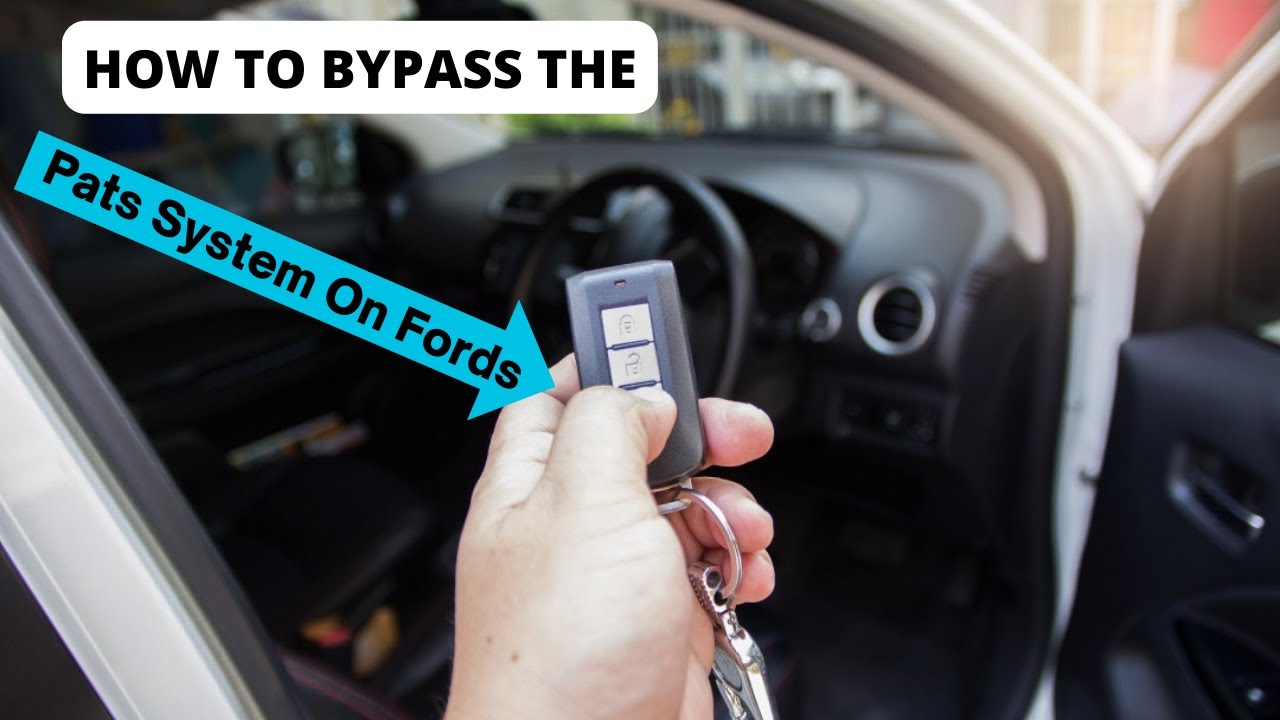
How to Bypass Ford Pats System Without Chip Key


How to Bypass Ford Pats System Without Chip Key

Have you ever found yourself in a situation where you lost your Ford car keys and didn’t have a spare chip key to start your vehicle? Worry not, as we’ve got you covered. In this article, we will discuss how to bypass the Ford Passive Anti-Theft System (PATS) without the need for a chip key. Read on to find out more!

How to Bypass Ford Pats System Without Chip Key

Credit: m.youtube.com

Why is the PATS System Important?

The Ford PATS system is an immobilizer that prevents unauthorized access to your vehicle. It requires a chip key that is programmed with a unique security code for the vehicle to start. While this system is designed to enhance car security, it can pose difficulties if you find yourself without a chip key. Fortunately, there are methods to bypass the system and gain access to your vehicle.

How to Bypass Ford Pats System Without Chip Key

Credit: rerev.com

Method 1: Using a Transponder Bypass Kit

One of the safest ways to disable the transponder without a chip key is by using a transponder bypass kit. This kit allows you to bypass the PATS system and start your vehicle without the need for a chip key. It is a quick and easy solution for bypassing the PATS system.


Method 2: Disabling the PATS System

Another method is to disable the PATS system entirely. However, keep in mind that by doing so, you will no longer have a security system for your vehicle. This method is recommended for situations where you are unable to obtain a chip key or the costs associated with acquiring one are significant.

Method 3: Seeking Professional Assistance

If you are unsure about bypassing the Ford PATS system yourself, it is always advisable to consult a professional. Automotive locksmiths or car security experts have the expertise and tools necessary to bypass the system without causing any damage to your vehicle. They can help you access your vehicle in a safe and efficient manner.

Frequently Asked Questions On How To Bypass Ford Pats System Without Chip Key

How Do I Get My Ford Out Of Anti-theft Mode?

To get your Ford out of anti-theft mode, follow these steps: 1. Disconnect the positive cable from the battery. 2. Safely place the key in the car. 3. Turn the ignition to the “on” position. 4. Reconnect the positive cable.

By doing this, you can effectively turn off the Ford anti-theft system. Remember to use caution when working with the battery.

Can You Disable Pats?

No, it is not recommended to disable the PATS system in your Ford vehicle. The PATS system is designed to enhance security and prevent unauthorized access. Disabling it may compromise the safety of your vehicle. If you are experiencing issues with the PATS system, it is best to consult with a professional automotive technician for proper diagnosis and resolution.

How Do I Get My Car Out Of Anti-theft Mode With A Key?

To turn off the anti-theft mode of your car with a key, follow these steps: First, safely remove the positive cable from the battery. Then, insert the key into the car’s ignition and turn it to the “on” position. Finally, reattach the positive cable to the battery.

This will disable the anti-theft mode.

Conclusion

Although the Ford PATS system is designed to enhance vehicle security, it can become a hurdle when you don’t have a chip key. By using a transponder bypass kit, disabling the PATS system, or seeking professional assistance, you can bypass the system and regain access to your vehicle without a chip key. It’s essential to bear in mind that disabling the PATS system removes the security functionality, so it’s crucial to weigh the pros and cons before deciding on this method. Remember to consult a professional if you are unsure or have concerns about bypassing the Ford PATS system.

How to Be a Distributor


Being a successful distributor requires a combination of skills and strategies.

First, it is essential to build strong relationships with suppliers to ensure a steady supply of products.

Next, understanding the market and identifying the needs of customers is crucial for tailoring your product offerings.

Additionally, effective marketing and sales techniques will help you reach a wider audience and increase sales.

Moreover, providing excellent customer service and support can help build loyalty and repeat business.

Lastly, staying organized and managing your inventory efficiently will contribute to your overall success as a distributor.

By mastering these key aspects of distribution, you can position yourself for success in the competitive business world.

Understanding the Distribution Landscape

analyzing distribution channels data

To thrive as a distributor, you must sail through the intricate fabric of the distribution landscape, identifying key players, market trends, and distribution channels that align with your strategic goals. Conducting a thorough market analysis is your initial step. You'll need to scrutinize the current market conditions, comprehend the demand for products in your niche, and identify the competitive landscape. This isn't just about knowing who you're up against; it's about understanding their strengths and weaknesses and finding gaps in the market that you can exploit.

However, comprehending the market is only one part of the equation. You also need to plunge into the legal considerations that govern distribution in your region. This involves familiarizing yourself with the regulations that impact how goods can be distributed, comprehending the tax implications of your distribution activities, and ensuring that your operations comply with local and international laws. Navigating these legal waters carefully is vital; it not only protects you from potential legal pitfalls but also ensures that your distribution network operates smoothly and efficiently. Remember, strategic planning in these areas isn't just beneficial—it's fundamental for your success as a distributor.

Setting Up Your Distribution Business

Having navigated the complex distribution landscape and legal frameworks, it's now time for you to commence on the practical venture of setting up your distribution business. This path demands a strategic approach, focusing on critical elements such as legal considerations and financial planning.

Here's how to proceed:

  1. Legal Structure and Compliance: Decide on a business structure (e.g., sole proprietorship, partnership, corporation) that best suits your needs and objectives. Register your business and obtain necessary licenses and permits. Comprehending and adhering to legal requirements in your jurisdiction is vital to avoid costly penalties and guarantee smooth operations.
  2. Financial Planning: Develop a thorough business plan that outlines your financial projections, funding requirements, and budgeting strategies. Consider how you'll manage cash flow, financing options, and investment needs. A solid financial plan is your roadmap to sustainability and growth.
  3. Operational Setup: Identify the logistics and infrastructure needed to operate efficiently. This includes securing a warehouse, setting up an inventory management system, and determining distribution channels.
  4. Market Analysis and Strategy: Conduct thorough market research to comprehend your target market, competition, and pricing strategies. This insight is vital for positioning your distribution business effectively in the market.

Building Supplier Relationships

strengthening business connections innovatively

Establishing strong supplier relationships is a critical component in the success of your distribution business, demanding a strategic and meticulous approach to assure mutual benefits and long-term collaboration. You'll need to hone your negotiation strategies and conduct thorough supplier evaluation to make certain you're partnering with the right entities.

Aspect Why It's Significant How to Approach
Negotiation Skills Can lead to better pricing and terms Develop clear objectives and be prepared to compromise
Supplier Evaluation Ensures reliability and quality Assess their production capabilities, financial stability, and market reputation
Communication Facilitates smoother operations Maintain regular, transparent discussions and feedback

First, mastering negotiation strategies is paramount. This doesn't just mean getting the lowest possible price, but negotiating terms that benefit both parties in the long term. You're aiming for a partnership, not a one-off deal.

Next, rigorous supplier evaluation is indispensable. It's not just about who can offer the lowest price, but who can provide consistent quality, reliable delivery, and has the financial stability to weather market fluctuations.

Lastly, effective communication is the glue that holds these relationships together. Regular check-ins, transparent discussions about expectations, and constructive feedback are all crucial for fostering trust and comprehension.

Marketing Your Products Effectively

After building strong supplier relationships, it's imperative that you now focus on strategically marketing your products to optimize reach and profitability. Effective marketing requires a methodical approach, leveraging both digital platforms and direct customer interactions.

Here's a concise strategy:

  1. Utilize Social Media: Harness the power of social media platforms to create brand awareness and engagement. Tailored content that speaks to your target demographic can greatly increase visibility and interest.
  2. Gather Customer Feedback: Listening to your customers provides invaluable insights into their needs and preferences. Use this feedback to refine your marketing strategies and product offerings, ensuring they align with customer expectations.
  3. Develop Targeted Campaigns: Identify and segment your market to create specialized campaigns. This targeted approach allows for more personalized marketing, increasing the likelihood of conversion.
  4. Monitor and Analyze Results: Continuously track the performance of your marketing efforts using analytics tools. This data-driven approach allows you to make informed decisions, optimizing campaigns for better outcomes.

Scaling Your Distribution Network

optimizing distribution for growth

Once you've honed your marketing strategies, it's important to focus on expanding your distribution network to meet growing demand efficiently. Scaling your network involves a strategic approach, emphasizing logistics optimization and financial management. You'll need to analyze your current logistics operations, identifying bottlenecks and areas for improvement. Consider leveraging technology to streamline processes, such as inventory tracking and order fulfillment, to improve efficiency and reduce costs.

Financial management plays a critical role in scaling your network. You must assess your financial health, making sure you have the capital required for expansion. This may involve securing financing or reinvesting profits back into the business. It's also essential to manage your cash flow carefully, as expanding your network will likely increase your operational expenses before it raises your revenue.

As you scale, maintain a balance between expanding your reach and maintaining control over your distribution network. You might investigate partnerships or alliances that can offer mutual benefits, such as shared logistics or co-marketing opportunities. Always keep your long-term goals in sight, making decisions that align with your business strategy and customer needs. Scaling your distribution network is a continuous process, requiring ongoing attention to logistics optimization and financial management to ensure sustainable growth.

Conclusion

In concluding, steering the distribution landscape requires a strategic approach. You've got to understand the market intricacies, establish a sturdy business framework, and forge solid supplier relationships.

Marketing your products effectively is paramount; it's not just about reaching customers but resonating with them.

As you scale your distribution network, remember, success hinges on constant analysis and adaptation. It's a dynamic field where strategic planning, detailed analysis, and a proactive stance can set you apart from the competition.