Recent Posts

Is Hyundai Tucson Timing Belt or Chain


The Hyundai Tucson uses both timing belts and chains, depending on the engine and model year.

Imagine opening the hood of your Hyundai Tucson, the heart of your vehicle exposed, and wondering whether it beats with a timing belt or a chain. You're not alone in pondering this critical aspect of your car's engineering.

The distinction between a belt and a chain can greatly impact maintenance schedules, costs, and the complete longevity of your vehicle. As you stand before your Tucson, questions about which timing mechanism it employs and how that affects your car's performance and upkeep costs begin to swirl.

Let's investigate the intricacies of timing belts and chains, and why knowing the difference is essential for every Hyundai Tucson owner.

Understanding Timing Mechanisms

analyzing temporal regulation systems

Comprehending the core differences between timing belts and chains is crucial for grasping how they influence the performance and longevity of your vehicle's engine. At the heart of this discussion lies the intricate relationship between engine types and their respective lubrication requirements, two key factors that greatly impact your choice between a belt and a chain.

Timing belts, made of rubber, are lighter and operate more quietly than chains. However, they wear out faster and typically require replacement between 60,000 and 100,000 miles, depending on the vehicle's engine type. Since belts aren't inherently lubricated, there's no need for additional oil, making them less demanding regarding lubrication needs.

Conversely, timing chains are constructed of metal, making them more durable and capable of lasting the engine's lifespan with proper maintenance. Chains mesh with the engine's gears, necessitating consistent lubrication to prevent wear and ensure smooth operation. This requirement aligns closely with the engine's oil system, integrating seamlessly with engines designed for high durability and performance.

Understanding these subtleties not only clarifies the mechanical symbiosis between engine types and timing mechanisms but also underscores the importance of adhering to specific lubrication requirements to safeguard engine health.

Hyundai Tucson: Belt or Chain?

When considering the Hyundai Tucson, it's important to determine whether it utilizes a timing belt or chain, as this impacts maintenance intervals and costs. This distinction isn't just a trivial detail; it's central to grasping the vehicle's engine compatibility and the nuances across model variations.

The Hyundai Tucson has seen different iterations since its introduction, each with specific engine types. These engines dictate whether a timing belt or chain is used. Generally, older models tend to feature timing belts, known for their quiet operation but requiring more frequent replacement. On the other hand, more recent models are equipped with timing chains, which are praised for their durability and longevity, albeit they can be noisier.

Understanding the distinction between belt and chain in your Tucson is crucial. The type not only affects the vehicle's performance but also influences maintenance schedules. Engine compatibility plays a significant role here; some engines are designed exclusively for either a belt or chain, affecting the overall reliability and efficiency of your vehicle. Keeping track of these model variations is key to ensuring your Tucson operates smoothly and remains in top condition.

Maintenance and Replacement

rooftop solar panel upkeep

Understanding the specific maintenance and replacement schedules for your Hyundai Tucson's timing belt or chain is critical for ensuring the vehicle's longevity and performance. Depending on the model year and engine type, your Tucson might've either a timing belt or a chain, each requiring different care approaches. The timing belt, typically made of rubber-based compounds, demands more frequent attention than the metal chains.

For optimal engine lubrication and to prevent potential damage, follow these guidelines:

  • Check the manufacturer's guidelines: Refer to your Hyundai Tucson's manual for specific maintenance intervals. Timing belts generally require replacement between 60,000 and 100,000 miles, whereas timing chains are designed to last the lifetime of the vehicle, though they should be inspected regularly.
  • Listen for warning signs: Unusual noises coming from the engine area, such as a ticking or whirring sound, can indicate that the timing belt or chain needs attention. Don't ignore these sounds, as they can precede significant engine damage.
  • Regular inspections: Even if you haven't reached the mileage for a scheduled replacement, have your timing belt or chain inspected during routine maintenance. This can catch issues like wear or improper tension before they lead to engine failure.

Adhering to these practices ensures your Tucson runs smoothly, safeguarding against unexpected breakdowns and maintaining its performance.

Cost Implications

Considering the maintenance and replacement schedules for your Hyundai Tucson's timing mechanism, it's equally vital to assess the cost implications associated with these services. Comprehending these costs not only helps in budgeting but also in maximizing the complete value of your vehicle, including factors like fuel efficiency and warranty coverage.

Factor Timing Belt Timing Chain
Initial Cost Lower Higher
Maintenance Frequency More Frequent Less Frequent
Replacement Cost Moderate Expensive
Impact on Fuel Efficiency Minimal Potential Improvement
Warranty Coverage Varies by Service Often Included

The table above highlights a comparison of cost implications between timing belts and chains. Timing belts generally entail lower initial costs but require more frequent replacements, which can add up over time. On the other hand, while timing chains are pricier upfront, their longevity often means fewer replacements, potentially offering better value in the long run. It's important to consider how these factors, alongside fuel efficiency improvements and warranty coverage, can influence your complete maintenance budget. Always consult your vehicle's documentation or a professional mechanic to understand the specific needs and recommendations for your Hyundai Tucson.

Performance and Longevity

performance and durability insights

Evaluating the performance and longevity of your Hyundai Tucson's timing mechanism is important, as it directly impacts engine efficiency and overall vehicle reliability. Whether your Tucson uses a timing belt or chain can have significant effects on how your vehicle operates over its lifespan.

Timing chains generally offer greater longevity than belts due to their sturdy metal construction, reducing the need for frequent replacements. This durability directly correlates with a more reliable engine performance over time. However, it's important to recognize that a timing chain's increased lifespan doesn't exempt it from eventual wear and potential failure. Regular inspections are vital to prevent unexpected breakdowns.

  • Fuel Efficiency: A well-maintained timing mechanism, whether belt or chain, ensures ideal engine synchronization. This synchronization is critical for maintaining fuel efficiency. A timing chain, due to its durability, tends to preserve this efficiency longer than a belt.
  • Engine Noise: Timing chains are usually noisier than belts. If you're experiencing increased engine noise, it might indicate chain wear or the need for tension adjustment.
  • Maintenance Costs: While chains usually last longer, they can be more costly to replace than belts. This factor should be considered in the context of overall vehicle maintenance.

Comprehending these aspects will help you maintain your Hyundai Tucson's engine in prime condition, ensuring its longevity and performance.

Conclusion

In summary, whether your Hyundai Tucson utilizes a timing belt or chain greatly impacts its maintenance schedule and cost. A belt demands more frequent replacement but typically incurs lower cost, while a chain, though more durable and potentially lasting the vehicle's lifespan, can be costlier to replace if needed.

Recognizing this distinction is vital for optimizing your Tucson's performance and longevity, ensuring you're well-prepared for the maintenance that accompanies your specific model's timing mechanism. Stay informed to make savvy decisions for your vehicle's upkeep.
How to Turn off Maintenance Light on Toyota Corolla 2015


To turn off the maintenance light on a Toyota Corolla 2015:

  • Ensure the car is off.
  • Press and hold the odometer button.
  • Turn the ignition to 'On'.
  • Wait for the light to flash and then go off.
  • Release the button.

Preparing Your Vehicle

vehicle maintenance and preparation

Before resetting the maintenance light on your 2015 Toyota Corolla, make sure your car is parked safely with the engine off. Park on level ground to avoid issues.

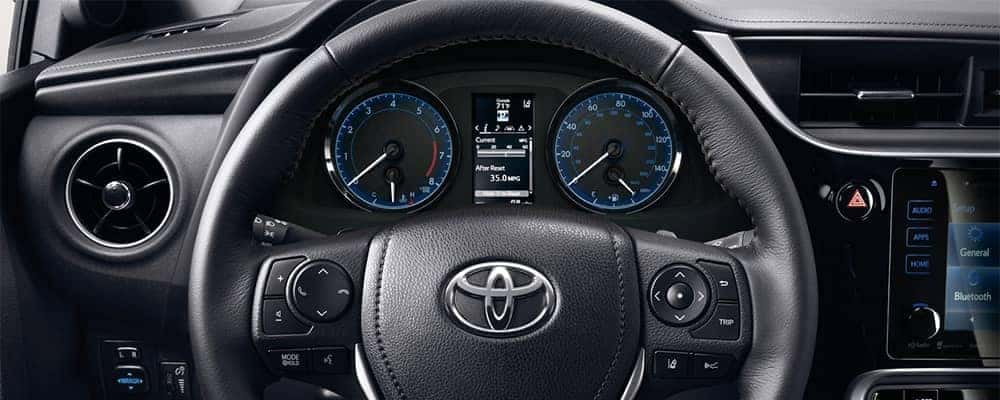
Learn where the odometer and trip meter buttons are on your dashboard. You'll use these buttons, so know their location to avoid mistakes.

Turn off all electrical systems in your car, like the radio, air conditioning, and lights. This prevents interference with the reset process.

Be calm and focused for the next steps. Resetting the maintenance light is simple, but requires patience.

Entering Vehicle Maintenance Mode

To enter Vehicle Maintenance Mode in your 2015 Toyota Corolla, first turn off the car. This step is important to prevent any electrical problems or accidental activities while you're working on the car or checking its diagnostic systems. It's simple to do, but you need to be careful to do it right and avoid issues.

Here's what you need to do:

  1. Sit in the Driver's Seat: Sit comfortably in the driver's seat. You should be able to easily reach the ignition and the car's controls without anything in your way.
  2. Press and Hold the Odometer Button: Before turning on the car's ignition, find the odometer button or knob on the dashboard near the speedometer. Press and hold it.
  3. Turn Ignition to 'On' Position: Keep pressing the odometer button and turn the ignition key to the 'On' position. Don't start the engine. This 'On' position activates the car's electronics but keeps the engine off.

Resetting the Maintenance Light

addressing car maintenance reminders

To reset the maintenance light in your 2015 Toyota Corolla, follow these steps:

  1. Make sure your car is in Vehicle Maintenance Mode and turned off.
  2. Find the 'Trip' button on the dashboard.
  3. Press and hold the 'Trip' button. At the same time, turn your key to the 'On' position but do not start the car.
  4. Keep holding the 'Trip' button until the maintenance light blinks and then resets. This takes about 10 to 15 seconds.

Here's a simple table for reference:

Step Action Note
1 Be in Vehicle Maintenance Mode Car should be off
2 Press and hold 'Trip' button Button is on the dashboard
3 Turn key to 'On' with 'Trip' button held Hold until light resets

After these steps, the maintenance light will be reset. Remember, this light reminds you to keep up with your car's maintenance schedule.

Confirming the Reset

To make sure the reset worked, follow these steps:

  1. Start Your Car: Turn on your Toyota Corolla's engine. This will turn on all the dashboard lights, including the maintenance light. If the reset worked, the maintenance light should turn off soon after the engine starts, just like the other lights.
  2. Watch the Dashboard While Driving: Pay attention to the dashboard when you drive. If the reset didn't work, the maintenance light might come back on. If it doesn't come back on, the reset probably worked.
  3. Check Vehicle Status: Use your car's onboard system to look for any maintenance messages. If there are none, this means the reset was successful.

If the maintenance light stays on after these steps, you might need to reset it again or get help from a professional.

Additional Tips

simplify your writing process

After resetting your Toyota Corolla's maintenance light, follow these tips to keep your car running well. Check your car's fluid levels like engine oil, coolant, brake fluid, and transmission fluid every month. This helps avoid big problems later.

Make sure your car's tire pressure is right and the tires aren't too worn. This improves fuel efficiency and safety. Rotate tires as the car maker suggests to make them last longer.

Change your car's engine and cabin air filters when needed. Clean filters help your car run better and keep the air inside clean.

Pay attention to any strange noises or changes in how your car drives. Fixing these problems early can save you money on repairs.

Conclusion

You've learned how to turn off the maintenance light on your 2015 Toyota Corolla.

You started by getting your car ready.

Then you went into maintenance mode.

Next, you reset the light.

Finally, you made sure the light was really off.

Now you know how to do this, so remember these steps for the next time.

Also, keep in mind the extra tips to make sure everything goes smoothly.

Your Corolla is all set to go on the road again without that maintenance light, all thanks to what you've learned.

How to Play Dvd in Toyota Sienna Without Remote


How to Play DVD in Toyota Sienna Without Remote

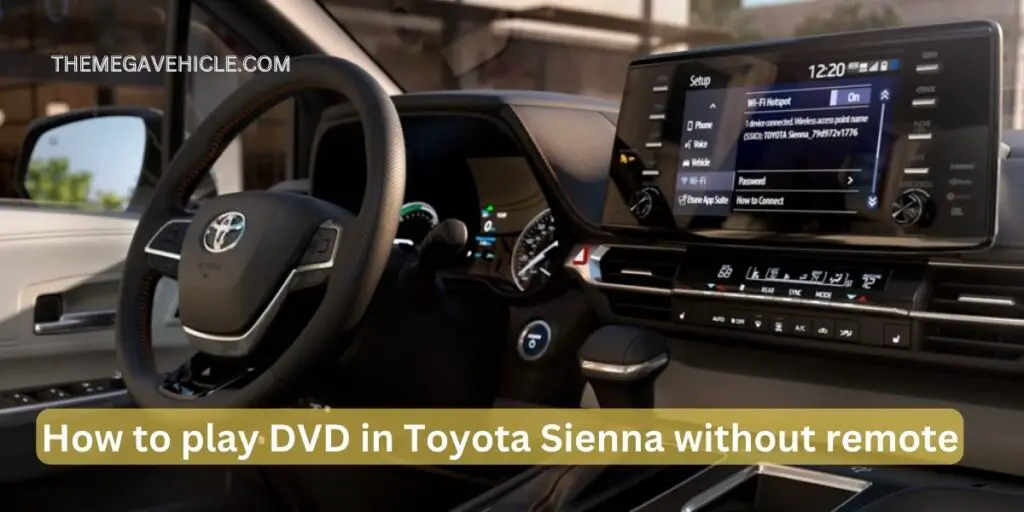
If you own a Toyota Sienna and find yourself without a remote control to operate the DVD player, don’t worry! Playing a DVD in your Toyota Sienna without a remote is still possible. In this article, we will guide you through the simple steps to ensure you can enjoy your favorite movies on the go.

Step 1: Locate the DVD Player Controls

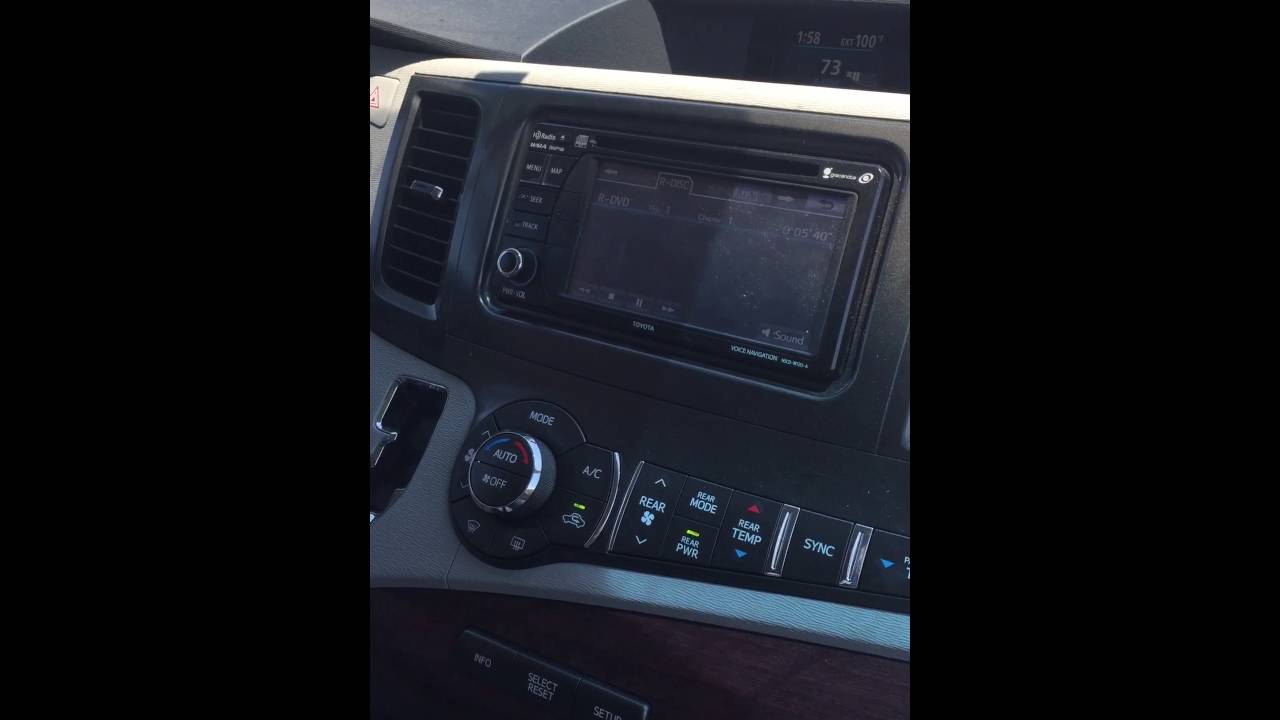
Firstly, it’s important to be familiar with the location of the DVD player controls. In the Toyota Sienna, the DVD player is typically located in the dashboard or the center console. Once you identify the player, look for the basic controls – play, pause, stop, forward, and rewind buttons.


Step 2: Power on the DVD Player

Ensure that the car is running or the ignition is in the accessory mode so that the DVD player receives power. Press the power button on the DVD player to turn it on. You may need to refer to the vehicle’s manual to locate the power button if you are unsure.

Step 3: Insert the DVD

Insert the DVD into the DVD player with the label facing up. The player should automatically recognize the presence of the DVD and display the menu on the screen. If the menu does not appear, press the menu button on the player’s control panel.

Step 4: Play the DVD

To play the DVD, locate the play button on the control panel of the DVD player and press it. The DVD should start playing, and the movie will be displayed on the screen. Adjust the volume and screen settings as desired.

How to Play Dvd in Toyota Sienna Without Remote

Credit: www.youtube.com

Step 5: Pause, Stop, Fast Forward, and Rewind

If you need to pause the movie, press the pause button. Pressing the stop button will stop the movie and return to the DVD menu. To fast forward or rewind, use the respective buttons on the control panel. The specific design and layout of the control panel may vary depending on the Toyota Sienna model.

How to Play Dvd in Toyota Sienna Without Remote

Credit: themegavehicle.com

Step 6: Eject the DVD

When you’re finished watching the DVD, it’s time to eject it. Locate the eject button on the control panel and press it. The DVD will be ejected from the player, and you can safely remove it from the DVD slot.

Important Tips and Considerations

It’s worth mentioning a few important tips and considerations when playing DVDs in a Toyota Sienna without a remote control:

  • Make sure the DVD is not scratched or damaged, as this can affect playback quality.
  • Remember to keep your attention on the road while driving. DVD playback is best enjoyed by passengers, especially children.
  • If you’re unable to locate the control panel or encounter any issues, refer to the vehicle’s manual for detailed instructions.

Playing a DVD in a Toyota Sienna without a remote control is a straightforward process. By following these easy steps, you can continue to enjoy your favorite movies and entertain your passengers during your journeys.

Frequently Asked Questions On How To Play Dvd In Toyota Sienna Without Remote

How Can I Play Dvds In My Toyota Sienna Without A Remote?

To play DVDs without a remote in your Toyota Sienna, you can use the buttons on your dashboard or steering wheel controls. Simply press the appropriate buttons to navigate the DVD menu and play the desired content.

Is It Possible To Control Dvd Playback In A Toyota Sienna Without A Remote?

Yes, it is possible to control DVD playback in a Toyota Sienna even without a remote. You can use the touch screen display on your dashboard or the buttons on your steering wheel to navigate the DVD menu and control playback functions like play, pause, stop, and skip.

What Are The Alternative Methods To Play Dvds In A Toyota Sienna When You Don’t Have The Remote?

If you don’t have the remote for your Toyota Sienna, you can still play DVDs using alternative methods. One option is to use a universal remote that is compatible with your Toyota Sienna’s DVD player. Another option is to use a smartphone or tablet with a compatible DVD player app and connect it to your vehicle’s multimedia system using Bluetooth or auxiliary cables.

Toyota Rav4 Hybrid How Does It Work


Toyota Rav4 Hybrid – How Does It Work

The Toyota Rav4 Hybrid is a popular choice among car enthusiasts who are looking for a more environmentally friendly option. This SUV offers the perfect balance of power and efficiency, thanks to its hybrid technology. But how does it actually work? Let’s dive into the fascinating world of the Toyota Rav4 Hybrid and explore its inner workings.

Toyota Rav4 Hybrid How Does It Work

Credit: mag.toyota.co.uk

Hybrid Powertrain

The heart of the Toyota Rav4 Hybrid’s efficiency lies in its advanced hybrid powertrain. The vehicle combines a traditional gasoline engine with an electric motor to provide better fuel efficiency and reduced emissions. This powertrain consists of three key components:

  • Gasoline engine
  • Electric motor
  • Battery pack

The gasoline engine is responsible for generating power just like in any conventional vehicle. However, in the Rav4 Hybrid, the engine is specially designed to work in collaboration with the electric motor to optimize performance and efficiency.

The electric motor provides additional power to assist the gasoline engine during acceleration or when extra power is needed. It also acts as a generator, converting energy from deceleration and braking into electricity, which is then stored in the battery pack for later use.

The battery pack in the Rav4 Hybrid is a rechargeable unit that stores electrical energy. This energy is used to power the electric motor and other electrical components in the vehicle. The battery pack is constantly charged by the engine, regenerative braking, and excess energy from the gasoline engine.

Seamless Transitions

One of the most impressive aspects of the Rav4 Hybrid is how seamlessly it transitions between power sources. The intelligent control system within the vehicle determines the optimal combination of electric and gasoline power based on driving conditions and driver input.

During low-speed driving or in stop-and-go traffic, the Rav4 Hybrid can operate on electric power alone. This means it produces zero emissions and consumes zero gasoline, providing an environmentally friendly alternative for urban driving.

When more power is required, such as during highway driving or aggressive acceleration, the gasoline engine kicks in to provide additional power. The electric motor supports the engine during demanding driving conditions, resulting in impressive performance and fuel efficiency.

Toyota Rav4 Hybrid How Does It Work

Credit: www.santacruztoyota.com


Regenerative Braking

Another interesting feature of the Toyota Rav4 Hybrid is its regenerative braking system. When you apply the brake pedal or take your foot off the accelerator, the electric motor switches to generator mode. It captures the kinetic energy produced during deceleration and braking and converts it into electrical energy, which is then sent back to the battery for later use.

This regenerative braking system not only helps to recharge the battery but also reduces wear on the traditional braking system, resulting in longer brake life span. It’s an innovative technology that improves efficiency and enhances the overall driving experience.

Frequently Asked Questions Of Toyota Rav4 Hybrid How Does It Work

How Does The Toyota Rav4 Hybrid Work?

The Toyota Rav4 Hybrid combines an efficient gasoline engine with an electric motor. The gasoline engine charges the battery while the electric motor powers the vehicle, resulting in improved fuel efficiency and reduced emissions.

What Are The Benefits Of The Toyota Rav4 Hybrid?

The Toyota Rav4 Hybrid offers several advantages, including increased fuel efficiency, reduced environmental impact, and lower operating costs. Additionally, the hybrid powertrain provides a smooth and quiet driving experience.

Is The Toyota Rav4 Hybrid Suitable For All Driving Conditions?

Yes, the Toyota Rav4 Hybrid is designed to perform well in various driving conditions. It automatically adjusts the power distribution between the gasoline engine and electric motor to optimize performance and efficiency, ensuring a capable and reliable driving experience.

Conclusion

The Toyota Rav4 Hybrid is a remarkable vehicle that showcases the potential of hybrid technology. Its advanced powertrain seamlessly combines the benefits of a gasoline engine and an electric motor, resulting in impressive fuel efficiency and reduced emissions.

With its intelligent control system, regenerative braking, and smooth transitions between power sources, the Rav4 Hybrid offers a greener and more efficient option for those who want to make a positive impact on the environment without sacrificing performance.

If you’re in the market for a reliable, eco-friendly SUV, the Toyota Rav4 Hybrid is definitely worth considering. Experience the power and efficiency of the future of automotive technology with this incredible hybrid vehicle.

How to Turn off Maintenance Light on Toyota Prius


To turn off the maintenance light on a Toyota Prius, first, ensure the vehicle is turned off. Next, press and hold the odometer button, turn the vehicle on, and continue holding the button until the maintenance light turns off.

It’s important to regularly reset the maintenance light to ensure proper maintenance of the vehicle. This simple process can help to maintain the optimal performance of your Toyota Prius while ensuring that the maintenance light is turned off. Taking care of your vehicle’s maintenance light promptly will also help you avoid any potential issues and keep your Prius running smoothly for years to come.

How to Turn off Maintenance Light on Toyota Prius

Credit: www.tvtoyota.com

Methods To Turn Off The Maintenance Light

Maintaining your Toyota Prius is crucial to its longevity. When the maintenance light comes on, it’s essential to know how to reset it. Here are three simple methods to turn off the maintenance light on your Toyota Prius.

Method 1: Using The Odometer Button

  1. Step 1: Insert the key into the ignition and turn it to the “On” position.
  2. Step 2: Press and hold the trip meter reset button on the dashboard.
  3. Step 3: While holding the button, turn the key to the “Off” position.
  4. Step 4: Continue holding the button and turn the key back to the “On” position.
  5. Step 5: The maintenance light should flash and then turn off, indicating it has been reset.

Method 2: Using The Trip Meter Button

  • Step 1: Start with the key in the ignition and turned to the “Off” position.
  • Step 2: Press and hold the trip meter reset button.
  • Step 3: Turn the key to the “On” position without starting the engine.
  • Step 4: Continue holding the button until the maintenance light turns off.

Method 3: Using The Combination Of Buttons

Button Combination Action
Trip Meter Reset + Odometer Button Follow the sequence of holding both buttons while turning the key to reset the maintenance light.
How to Turn off Maintenance Light on Toyota Prius

Credit: www.mariettatoyota.com

Additional Tips And Precautions

When it comes to turning off the maintenance light on your Toyota Prius, there are a few additional tips and precautions to keep in mind. These can help ensure that you are addressing any underlying maintenance needs and handling the reset process properly to maintain the longevity and performance of your vehicle.

Tip 1: Check The Owner’s Manual

Before attempting to reset the maintenance light on your Toyota Prius, it’s essential to refer to the owner’s manual for specific instructions and guidelines. The manual provides detailed information on maintenance procedures and can offer insights into the nature of the maintenance required for your vehicle.

Tip 2: Ensure Proper Maintenance

Addressing the maintenance light often signifies that your vehicle is due for servicing or has encountered a specific issue that needs attention. It’s crucial to ensure that all necessary maintenance tasks, such as oil changes, fluid checks, and other routine inspections, are carried out according to the manufacturer’s recommendations.

Precaution: Do Not Reset Without Resolving The Issue

When dealing with the maintenance light, it’s important to avoid simply resetting it without addressing the underlying maintenance needs of your Toyota Prius. Resetting the light without resolving the issue can lead to potential complications and may overlook critical maintenance requirements.

How to Turn off Maintenance Light on Toyota Prius

Credit: m.youtube.com

Frequently Asked Questions Of How To Turn Off Maintenance Light On Toyota Prius

How Do I Turn Off The Maintenance Light On Toyota Prius?

To turn off the maintenance light on your Toyota Prius, simply follow these steps: 1) Press and hold the Trip button; 2) Turn the ignition on (but don’t start the engine); 3) Continue holding the Trip button until the maintenance light turns off.

Why Is The Maintenance Light On In My Toyota Prius?

The maintenance light in your Toyota Prius could be on due to a variety of reasons, such as a scheduled maintenance service, a need for an oil change, or a problem with the vehicle’s engine or emissions system. It’s best to consult your owner’s manual or schedule a service appointment to determine the exact cause.

Can I Ignore The Maintenance Light On My Toyota Prius?

While it may be tempting to ignore the maintenance light on your Toyota Prius, it’s not recommended. The light is designed to alert you to potential issues or necessary maintenance tasks that could affect the performance or longevity of your vehicle.

It’s important to address any maintenance needs promptly to ensure the optimal functioning of your Prius.

Conclusion

Keeping your Toyota Prius in top shape includes knowing how to turn off the maintenance light. By following these simple steps, you can reset the indicator and ensure your vehicle runs smoothly. Stay proactive with maintenance to keep your Prius performing at its best.

Happy driving!


How to Reset the Maintenance Light on a Toyota Tacoma


To reset the maintenance light on a Toyota Tacoma, turn the key to the ON position while holding the trip meter reset button. Then, wait for the maintenance light to start flashing and release the button.

Resetting the maintenance light on a Toyota Tacoma is a simple process that can be done without the need for any special tools or equipment. Following these steps will help you reset the maintenance light on your Toyota Tacoma and ensure that your vehicle’s maintenance reminders are up to date.

Regular maintenance is crucial for the performance and longevity of your vehicle, so it’s important to stay on top of these reminders. This guide will provide you with the necessary steps to reset the maintenance light on your Toyota Tacoma and keep your vehicle in optimal condition.

How to Reset the Maintenance Light on a Toyota Tacoma

Credit: m.youtube.com

Step-by-step Guide To Resetting The Maintenance Light

Check For Underlying Issues

Ensure there are no outstanding maintenance problems before proceeding with the reset.

Locate The Reset Button

Find the reset button usually located near the odometer or speedometer.

Press And Hold The Reset Button

Press and hold the reset button until the maintenance light flashes.

Release The Reset Button

Release the button once the light stops flashing.

Verify The Light Has Been Reset

Turn the ignition on without starting the engine to check if the light has been successfully reset.

How to Reset the Maintenance Light on a Toyota Tacoma

Credit: carbuzz.com

How to Reset the Maintenance Light on a Toyota Tacoma

Credit: www.jdpower.com

Frequently Asked Questions Of How To Reset The Maintenance Light On A Toyota Tacoma

How Do I Reset The Maintenance Light On My Toyota Tacoma?

To reset the maintenance light on your Toyota Tacoma, follow these simple steps:
1. Turn on the ignition without starting the engine. 2. Press and hold the trip meter button until the trip meter is reset to zero. 3. While continuing to hold the button, turn off the ignition. 4. Release the button and start the engine. The maintenance light should be reset.

Why Is The Maintenance Light On In My Toyota Tacoma?

The maintenance light on your Toyota Tacoma could indicate a variety of issues, including an upcoming oil change, a tire rotation, or other routine maintenance tasks. It is important to address these issues promptly to keep your vehicle running smoothly and avoid potential problems in the future.

Can I Reset The Maintenance Light On My Toyota Tacoma Myself?

Yes, you can reset the maintenance light on your Toyota Tacoma yourself by following the steps outlined in your vehicle’s owner’s manual. It is a simple process that can be done in a matter of minutes, saving you time and money by not having to take it to a mechanic for a reset.

Conclusion

Resetting the maintenance light on your Toyota Tacoma is a simple task that you can do yourself at home. By following these easy steps, you can ensure your vehicle is properly maintained and avoid any potential issues. Stay on top of your car maintenance for a smooth driving experience.